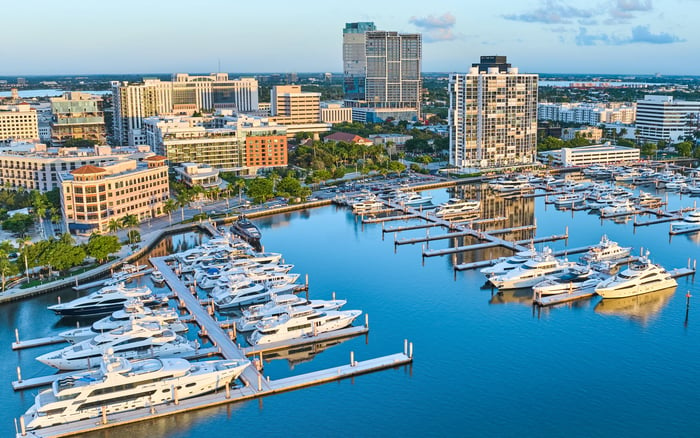
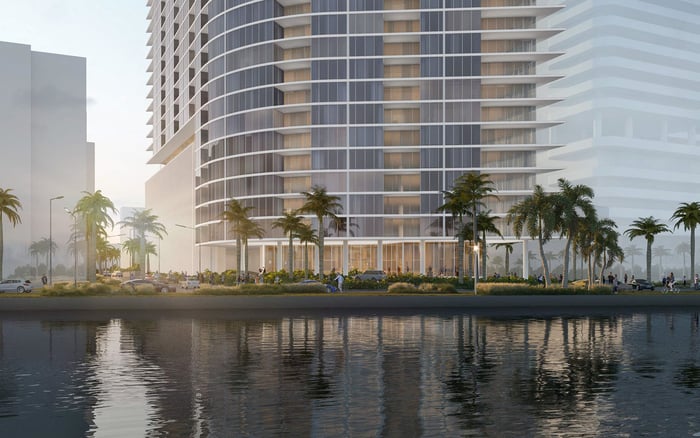
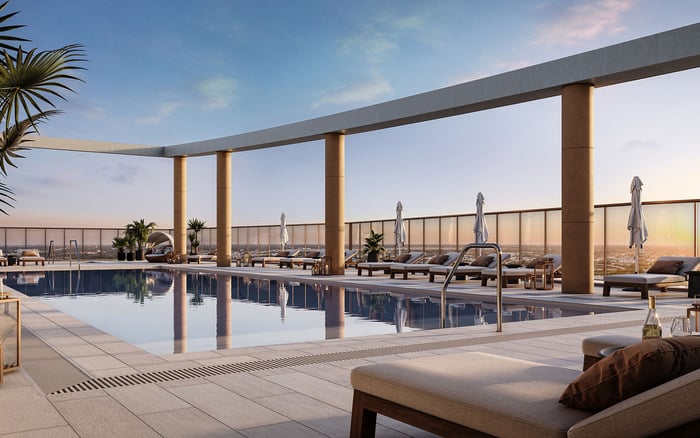
A buyer-focused look at service depth for Forté on Flagler West Palm Beach and the questions Flagler Drive purchasers should ask before comparing finishes, views, or pricing.
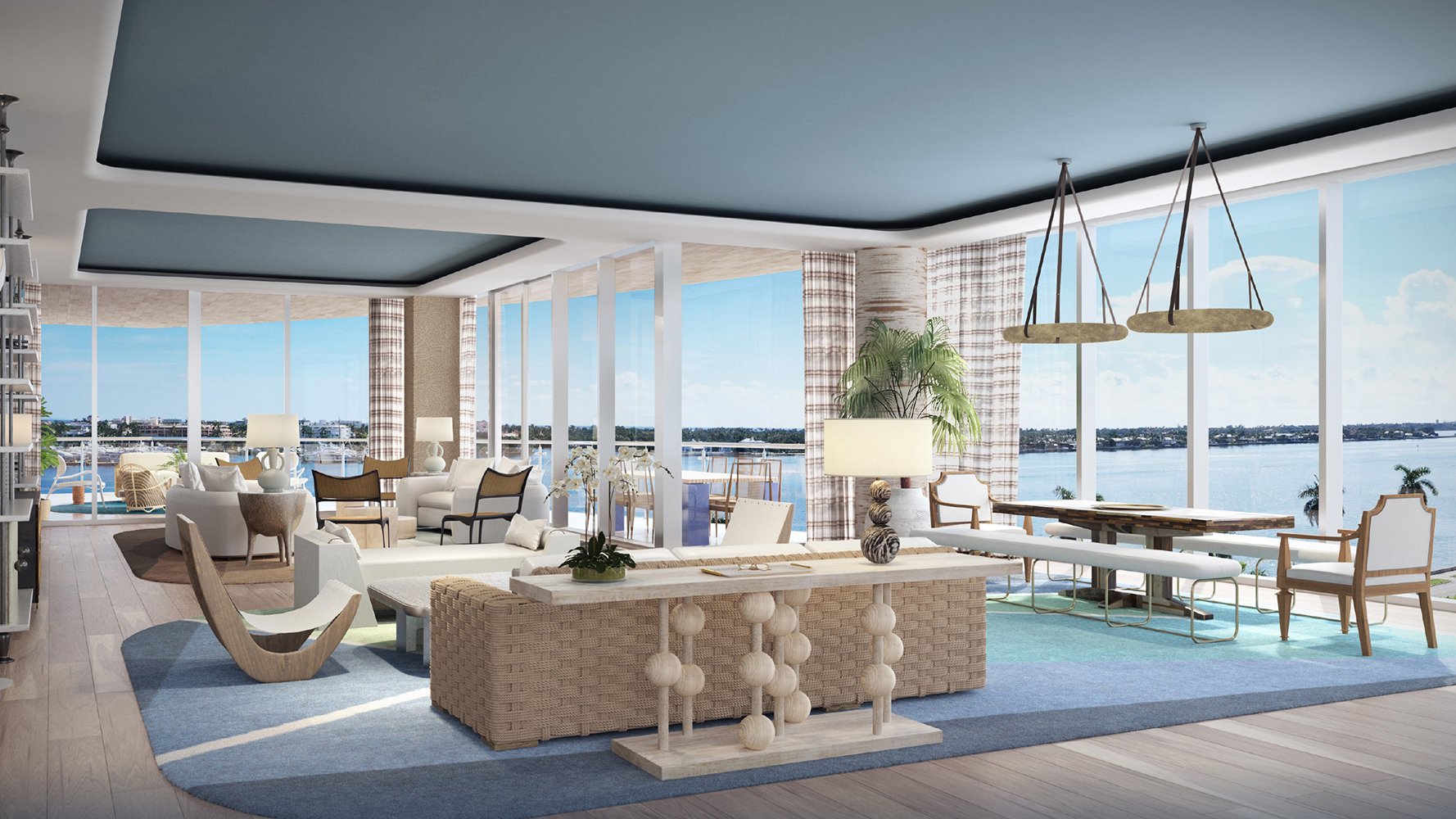
For buyers considering Forté on Flagler West Palm Beach, the most revealing due diligence may not begin with stone, appliance brands, or a water-view premium. It begins with a quieter question: who is actually present, empowered, and accountable when a resident needs service?
Flagler Drive luxury has always carried a particular promise. It is residential, composed, and close to the water, but it is also operationally demanding. A refined building must do more than appear serene from the street. It must perform consistently when residents arrive late, when guests need direction, when a service request becomes urgent, and when coastal weather tests the building’s systems.
That is the essence of service depth. It is not the number of amenities in a brochure. It is the staffing model, the escalation chain, the maintenance culture, and the financial discipline behind the experience. For West Palm Beach buyers comparing new and established addresses, this is where the conversation becomes more sophisticated.
Many buyers hear “concierge” and assume constant coverage. A better question is whether the building has true 24/7/365 front-desk or concierge staffing, including overnight periods, weekends, and holidays. The distinction matters. A lobby can feel fully attended during a daytime tour yet operate differently at midnight, during peak season, or on a holiday weekend.
Ask for the practical schedule. Who is at the desk overnight? Is that person trained to resolve issues, or only to observe and record them? Does staffing increase during high-occupancy periods, when seasonal residents, visiting family, deliveries, and private events can all converge?
This same lens is useful when comparing nearby offerings such as Alba West Palm Beach. A building’s exterior identity may be immediately legible, but its operating rhythm is usually understood only through pointed questions.
A serious buyer should ask what the concierge team can actually handle in-house versus what it merely refers out. There is a meaningful difference between a staff member who can coordinate access, arrange a vetted vendor, follow up on timing, and escalate a resident concern, and one who simply provides a phone number.
The most important follow-up is authority. Can concierge or management staff call approved vendors for urgent service? Can they escalate repairs without administrative delay? Is there a clear chain of command when a resident is away and an issue requires immediate attention?
Staff tenure also deserves attention. Experienced personnel often understand resident preferences, building systems, delivery patterns, and which vendors perform reliably in luxury settings. Tenure is not glamour, but in high-service buildings it can be one of the most valuable forms of institutional memory.
On Flagler Drive, maintenance is not a back-of-house topic. It is central to ownership quality. Buyers should request the maintenance and engineering staffing model, including full-time headcount, coverage hours, and after-hours response procedures.
The next question is cultural: how much maintenance is preventive versus reactive? Waterfront and coastal conditions can place pressure on exterior surfaces, waterproofing, corrosion management, and storm readiness. A building that waits for problems to become visible may deliver a different ownership experience from one that tracks exposure, schedules inspections, and maintains systems before residents notice a decline.
This is especially relevant when evaluating the broader corridor, including Shorecrest Flagler Drive West Palm Beach. Buyers should not assume that two buildings with similar views carry the same engineering discipline or response standards.
In South Florida, hurricane preparation is not a seasonal footnote. It is part of the service promise. Buyers should request a clear explanation of hurricane-preparedness and post-storm recovery protocols, including staffing, vendor access, generator readiness, and resident communication plans.
The strongest questions are operational. Who remains on site before, during, and after a storm? Which vendors are pre-approved for rapid access? How are residents notified if systems are interrupted or restored? What happens if an owner is away and a unit requires attention?
Luxury buyers often focus on arrival moments, but post-storm recovery reveals a building’s real depth. Communication, access control, vendor coordination, and engineering readiness are all part of the experience, even if they are rarely discussed during a polished sales presentation.
Service should be trackable. Buyers should ask whether requests are managed through a resident app, portal, or formal ticketing system rather than informal emails, text messages, or verbal conversations. The issue is not technology for its own sake. The issue is accountability.
A formal system can show whether requests were received, assigned, completed, or left unresolved. Buyers should also ask whether management tracks average response times, completion times, and open maintenance items. Even if a building does not share every internal metric, the existence of metrics signals a more disciplined service culture.
When comparing residences such as Mr. C Residences West Palm Beach, this is the level of inquiry that separates amenity browsing from genuine ownership analysis. New-construction polish can impress, but systems determine whether the experience remains elegant after move-in.
A building can advertise multiple amenities and still rely on shared staff to cover them. Buyers should ask which amenities have dedicated attendants, which are supported by rotating personnel, and which are essentially self-service. Labor allocation determines how amenities feel in practice.
For example, a staffed amenity can manage reservations, towels, guest flow, service requests, and resident preferences. A shared-staff model may still work well, but only if expectations are clear and staffing is adequate during busy periods. The question is not whether one model is automatically superior. The question is whether the operating plan matches the price point and resident profile.
This is where service depth becomes financial as well as experiential. Staff must be hired, trained, retained, and paid. Service contracts must be funded. Reserve planning must support the physical plant. A buyer should review association budgets, staffing costs, reserve planning, and service agreements to understand whether the promised level of service is sustainable.
Private residences depend on outside specialists, from maintenance contractors to emergency repair providers. Buyers should ask for the approved vendor roster and understand how vendors are vetted for licensing, insurance, security access, and luxury-property experience.
Access control is part of the same conversation. A highly serviced building must know who is entering, why they are there, and how work is documented. The stronger the vendor protocol, the less burden falls on individual owners to solve problems in real time.
Buyers should also identify the property-management company and ask about its experience managing high-service luxury condominium buildings in South Florida. Management quality can determine whether a sophisticated service plan is executed with calm precision or reduced to a collection of good intentions.
Before committing to Forté on Flagler West Palm Beach, the strongest buyers will ask for specificity. Is concierge coverage truly continuous? Does staffing expand during peak periods? What can be handled in-house? Who authorizes urgent repairs? How are service requests tracked? Which response metrics are reviewed by management? What is the preventive-maintenance policy for waterfront exposure? How is storm recovery handled? Are vendors pre-vetted? Do the budget and reserves support the service model?
These questions are not adversarial. They are the language of serious ownership. On Flagler Drive, the finest luxury is not always the most visible feature. It is the quiet assurance that a building has the people, processes, and funding to perform beautifully when no one is touring it.
What does service depth mean for a Flagler Drive buyer? It means the real operating capacity behind a luxury building, including staffing, maintenance, vendor control, and response systems.
Should buyers ask about 24/7 concierge coverage? Yes. Buyers should confirm whether coverage is truly 24/7/365, including overnight shifts, holidays, and weekends.
Why does peak-season staffing matter? High-occupancy periods can increase deliveries, guest traffic, service requests, and amenity use, so staffing should match demand.
What should buyers ask the concierge team? Ask what the team can handle directly, what must be referred out, and who has authority to escalate urgent issues.
Why is staff tenure important? Experienced staff often understand resident preferences, building systems, and reliable vendor relationships.
What maintenance questions matter most? Request the engineering staffing model, after-hours response procedures, and the balance between preventive and reactive maintenance.
How should buyers evaluate storm readiness? Ask about staffing, vendor access, generator readiness, communication protocols, and post-storm recovery procedures.
Why is a resident portal or ticketing system useful? It helps track requests, response times, completion status, and unresolved maintenance items.
Do more amenities always mean better service? No. Service depends on labor allocation, dedicated attendants, management systems, and sustainable funding.
What is the best way to shortlist comparable options for touring? Start with location fit, delivery status, and daily lifestyle priorities, then compare stacks and elevations to validate views and privacy.
For a tailored shortlist and next-step guidance, connect with MILLION.
If branded residences are on your mind — as a home or as an allocation — we would be glad to share what we are seeing, privately.
Begin a quiet conversation