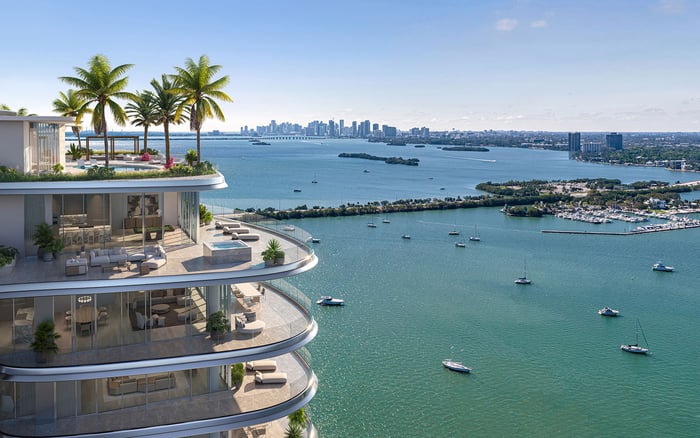
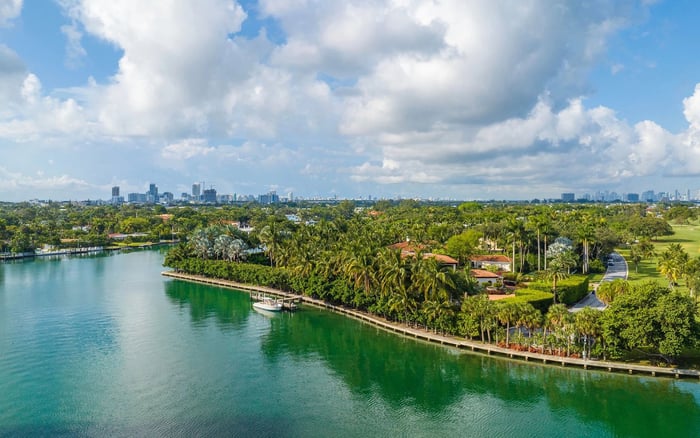
A discreet buyer guide for collectors evaluating Alana Bay Harbor Islands through the lens of controlled storage, privacy, access, insurance, and long-term ownership discipline.
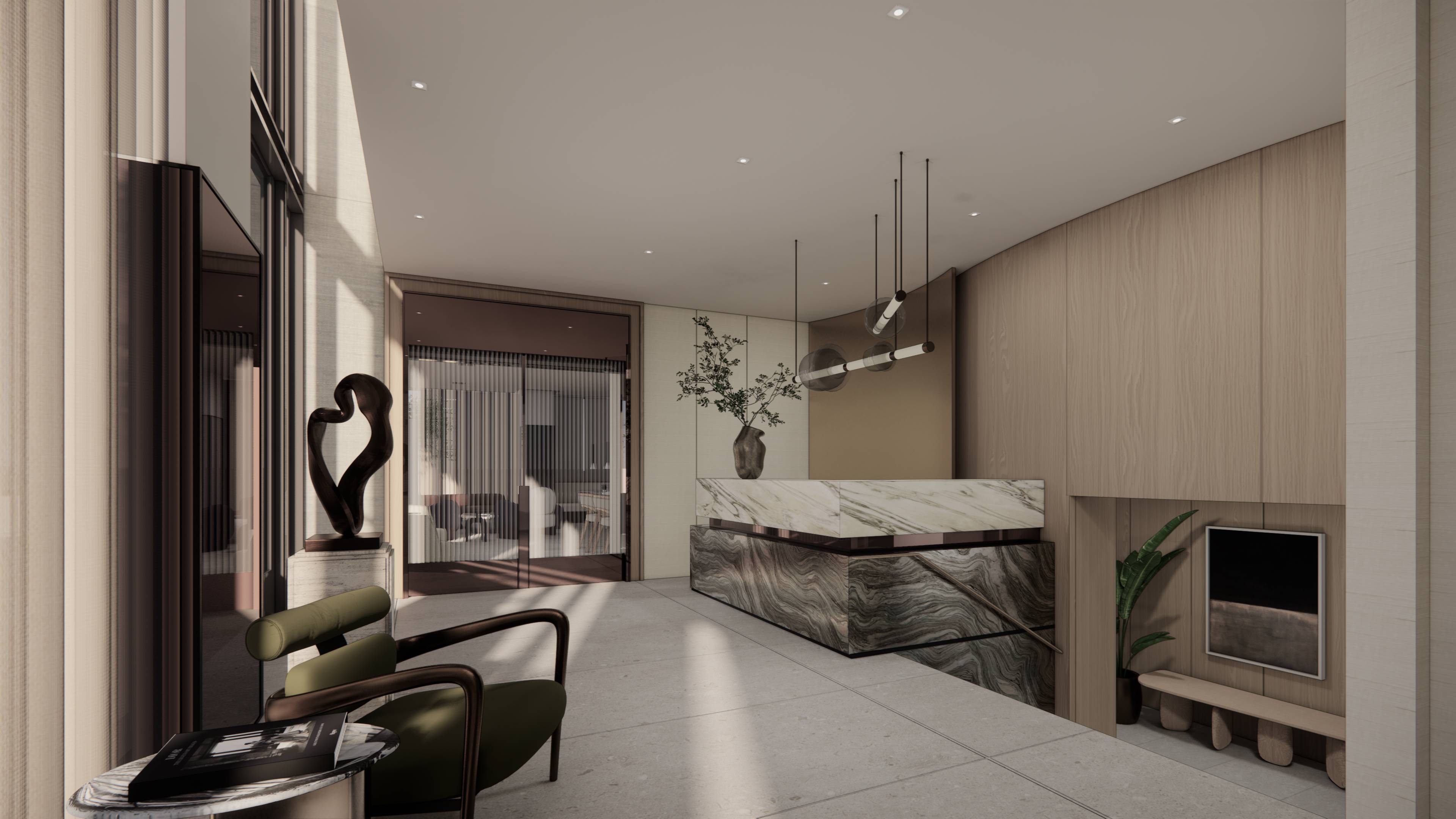
For the collector, storage is never merely spare square footage. It is stewardship. A residence that works beautifully for entertaining, seasonal living, or waterfront ease may still fall short if it cannot support the practical realities of art, wine, watches, archival fashion, design objects, rare books, sporting equipment, or sensitive personal records. Choosing Alana Bay Harbor Islands should therefore begin with a disciplined question: what, exactly, needs protection, and under what conditions?
That question is especially relevant in a boutique residential context, where privacy and scale may be among the reasons a buyer is drawn to the building in the first place. Boutique does not automatically mean sufficient storage, nor does luxury automatically mean controlled storage. A serious buyer should separate ambiance from operations. The residence may feel elegant, but the collection needs a system.
This is where the buyer’s evaluation becomes practical. The most important storage questions are not always glamorous. They involve humidity, temperature, access, insurance, inventory, staff protocols, deliveries, elevator movement, association rules, and the difference between what is shown in a sales presentation and what is written into governing documents.
Before comparing layouts, buyers should create a private collection profile. Not a public inventory, and not necessarily a valuation schedule shared broadly, but a working document that categorizes what must be stored, what must be displayed, what must be rotated, and what should remain off-site. A wine collector has different needs from a collector of contemporary works on paper. A wardrobe collector has different needs from a buyer who travels with high-value sporting equipment or keeps archival family objects.
The profile should answer five questions. Which items are sensitive to humidity or temperature? Which require darkness or limited light exposure? Which need regular access? Which are moved by outside handlers? Which are irreplaceable even if they are insurable? Once those answers are clear, a buyer can evaluate Alana Bay Harbor Islands with sharper eyes and more precise requests.
The same discipline applies when comparing nearby options. A buyer looking at The Well Bay Harbor Islands and La Maré Bay Harbor Islands should not ask only whether storage exists. The better question is whether the storage environment matches the collection’s requirements and the owner’s lifestyle.
“Climate controlled” can mean different things in different conversations. A collector should ask what is controlled, how consistently it is controlled, and who is responsible for monitoring it. Temperature alone is not the entire story. Humidity, air circulation, exposure to mechanical rooms, proximity to exterior walls, and environmental predictability all matter.
For delicate objects, consistency may be more important than a single target number. A buyer should ask whether storage areas are inside conditioned space, whether any dedicated storage is located in a garage or service area, and whether the environment can be documented over time. If the answer is vague, the buyer should treat that as a signal to slow down.
There is also a distinction between residence-level control and building-level storage. A private room within the residence may be easier to monitor, but it may compete with living space. A separate assigned storage area may offer convenience, but it needs its own environmental and access review. Neither is inherently superior. The right solution depends on the collection.
Controlled storage is not useful if access is poorly planned. Collectors should walk through the path an object would actually take. Where does it arrive? Who receives it? Which elevator is used? Can handlers avoid public areas? Is there a practical route from loading or arrival to the residence or storage area? Are there building rules that restrict delivery hours, protective coverings, crating, or specialized vendors?
These questions are not signs of difficulty. They are signs of ownership maturity. For many buyers, discretion is part of the luxury. A private collection should not become lobby theater every time an object is installed, rotated, repaired, or removed.
When evaluating Bay Harbor residences, including Onda Bay Harbor, the best tours are operational as well as aesthetic. A buyer should see the amenities, views, and finishes, but also understand the service choreography behind the scenes. Where privacy matters, circulation matters.
The most elegant verbal assurance is not a substitute for written clarity. Buyers should review what the condominium documents, association rules, or building procedures say about storage, deliveries, modifications, hazardous materials, wine refrigeration, security devices, cameras, and third-party access. If a residence requires custom millwork, specialty cabinetry, safe installation, wine storage, archival shelving, or reinforced display systems, the approval path should be understood before contract deadlines pass.
Insurance is equally important. The buyer should confirm whether certain items must be scheduled separately, whether storage location affects coverage, and whether the insurer has requirements for alarms, safes, monitoring, or environmental controls. The building may provide a high level of residential service, but personal collection risk usually remains a separate ownership responsibility.
Investment thinking also belongs here. A buyer may personally need highly specialized storage, but future buyers may value flexibility. The goal is to create a controlled environment without over-customizing the residence in a way that narrows resale appeal. The most successful solutions tend to feel integrated, quiet, and reversible.
Waterfront living has a particular appeal in South Florida, but collectors should treat it as a lifestyle environment that requires thoughtful planning. The issue is not to avoid beauty. It is to make sure beautiful surroundings do not distract from conservation needs. Salt air, humidity, sunlight, seasonal occupancy, and frequent travel patterns all heighten the need for reliable protocols.
That may mean a formal check-in routine when the owner is away. It may mean limiting what is kept in secondary spaces. It may mean choosing display locations with restraint, or keeping the most sensitive items in purpose-built environments. A residence can be serene and rigorous at the same time.
Buyers comparing Bay Harbor Towers with Alana Bay Harbor Islands should therefore ask how each ownership experience supports both pleasure and preservation. The best answer is not always the largest storage allocation. It is the most coherent one.
The most useful buyer questions are direct. What storage is deeded, assigned, private, shared, or simply available by policy? Is it conditioned? Who can access it? Is access logged? Are cameras permitted or provided? Can shelving, wine systems, safes, or cabinetry be installed? What approvals are required? What happens during building maintenance, storms, outages, or renovations? Can outside handlers use service routes without drawing attention?
Buyers should also ask about scale. A small, thoughtful storage solution may be ideal for a curated collection. A growing collection may require off-site professional storage paired with a residence designed for display, rotation, and secure short-term holding. The most refined choice may be a hybrid.
For Alana Bay Harbor Islands, the collector’s decision should not be reduced to whether the building is attractive or whether the residence feels calm. It should be measured by how well the ownership structure supports the private life behind the public rooms.
Is controlled storage the same as extra storage? No. Controlled storage focuses on environmental stability, access, security, and suitability for sensitive items, not just additional space.
What should a collector ask first at Alana Bay Harbor Islands? Start by asking what storage is available, where it is located, who controls access, and whether environmental conditions can be confirmed.
Should every collectible be kept inside the residence? Not necessarily. Some collections are better served by a hybrid approach that combines in-residence display with specialized off-site storage.
Why does humidity matter for collectors in South Florida? Humidity can affect paper, textiles, leather, wood, wine, and certain artworks, so consistency and monitoring deserve careful attention.
Can a buyer install custom cabinetry or a safe? Possibly, but approvals, structural considerations, building rules, and insurance requirements should be reviewed before committing.
Is boutique living better for privacy? Boutique living can feel more discreet, but privacy depends on building procedures, circulation, staffing, and access control.
How should wine storage be evaluated? Ask whether wine will be stored in a dedicated system, a conditioned room, or off-site, and confirm power, ventilation, and access needs.
Do insurance requirements affect storage decisions? Yes. High-value items may require scheduled coverage, alarms, safes, monitoring, or specific storage conditions.
What makes storage important for resale? Flexible, well-integrated storage can support future value, while overly specialized alterations may limit the buyer pool.
When should storage questions be resolved? They should be addressed during due diligence, before deadlines pass and before any assumptions become expensive to correct.
If you'd like a private walkthrough and a curated shortlist, connect with MILLION.
If branded residences are on your mind — as a home or as an allocation — we would be glad to share what we are seeing, privately.
Begin a quiet conversation