A buyer-focused editorial on how discerning South Florida residents can separate credible infrared sauna programming from surface-level amenity language.
In South Florida luxury real estate, wellness has shifted from a pleasant extra to a central part of the residential proposition. Yet not every wellness amenity carries the same weight. A beautifully rendered spa room may photograph well, but serious buyers are increasingly focused on what happens after move-in: how the space is operated, how private it feels, how easy it is to access, and whether it supports a daily ritual rather than a sales narrative.
Infrared saunas sit directly inside that distinction. They can be presented as a fashionable badge, or they can be integrated into a thoughtful wellness environment. For the ultra-premium buyer, the difference is not the label. It is the discipline behind the experience.
A feature is something a building can name. A ritual is something a resident can use with consistency and ease. The most convincing wellness amenities are not simply installed, photographed, and forgotten. They are designed around arrival, privacy, transition, recovery, and maintenance.
In a credible wellness setting, the infrared sauna is not isolated from the resident journey. It should relate logically to changing areas, showers, relaxation lounges, fitness rooms, outdoor terraces, or pool environments where appropriate. It should feel calm rather than theatrical. It should be intuitive enough for a resident to fold into a morning reset, an evening decompression, or a post-training routine without encountering friction at every step.
That is where real wellness separates itself from amenity marketing. Marketing announces access. Design determines use.
The first question is not whether a property has an infrared sauna. The better question is how the sauna fits within the building’s wellness logic. Is it placed in a quiet area, or treated as a decorative attachment to a crowded amenity floor? Does the room feel discreet, or is it exposed to constant circulation? Is the experience supported by changing space, towel service, comfortable cooling areas, and sensible scheduling?
Privacy matters. Luxury buyers in Brickell, Aventura, and Surfside often weigh amenities not by quantity, but by composure. A wellness space that feels busy, performative, or poorly staged may technically offer more, yet deliver less. The most desirable environments allow residents to move through them without feeling observed or rushed.
Maintenance also matters. A wellness room can only feel premium if it is cared for consistently. Materials, lighting, scent, temperature control, acoustics, and cleanliness all shape whether the room feels restorative or merely branded. In this category, operational excellence is as important as design intent.
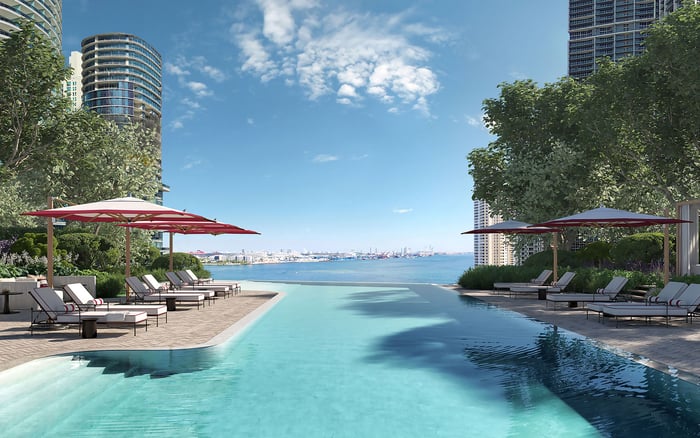
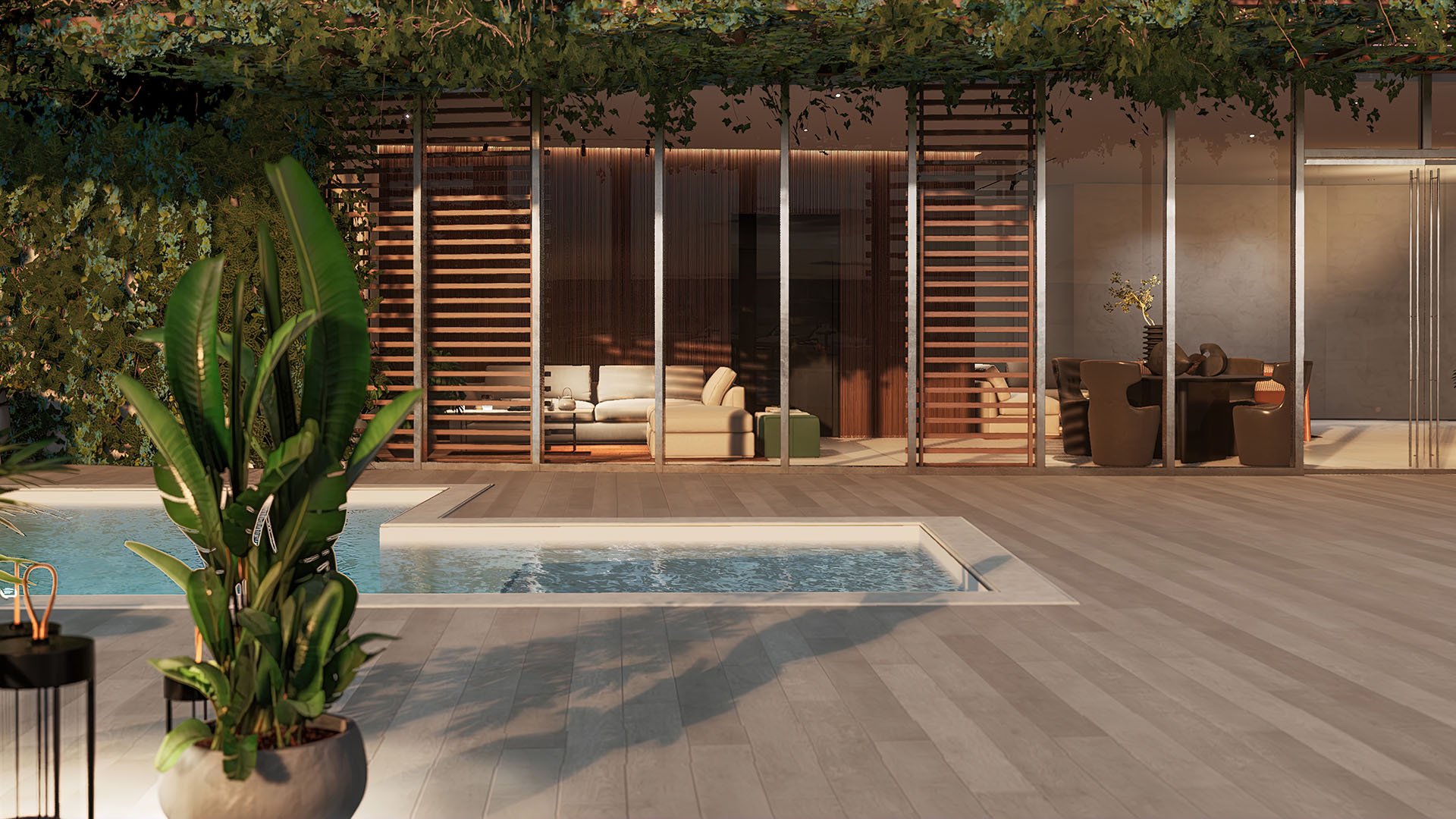
South Florida buyers live in a climate where wellness is already intertwined with daily life. The best residences do not treat indoor wellness as a substitute for the outdoors. They create a dialogue between the two. A sauna experience that connects naturally with a quiet terrace, a shaded relaxation area, or a thoughtfully positioned pool can feel more complete than one placed without context.
This is especially relevant in new-construction residences, where buyers are evaluating lifestyle infrastructure before it has been tested by everyday use. Renderings can suggest serenity, but the deeper question is whether the plan supports calm when the building is fully occupied. Corridor width, separation of active and quiet zones, staff circulation, and resident flow all shape the final experience.
For second-home owners and primary residents alike, wellness amenities are often judged by how gracefully they serve irregular schedules. A buyer who returns from travel, hosts family, or uses the residence seasonally may value a wellness suite that is easy to understand immediately. The less instruction required, the more likely the space becomes part of life.
Amenity marketing often relies on vocabulary. Words like wellness, recovery, spa, vitality, and sanctuary can create atmosphere, but they do not prove substance. Infrared sauna language can be especially vulnerable because it sounds specific while still allowing for vague execution.
A discerning buyer should look past the label. What is the scale of the room? How many residents can realistically use it? Is there a booking system? Is it gender-specific, private, shared, or part of a larger spa circuit? Does the surrounding environment encourage a quiet cooldown, or does the resident exit into a high-traffic social zone?
The most elegant wellness amenity is not necessarily the largest. It is the one that feels resolved. In the highest tier of residential design, restraint can be more persuasive than spectacle. A single well-positioned, well-operated sauna can deliver more value than a crowded menu of underdeveloped spaces.
For luxury buyers, value is rarely about one amenity in isolation. It is about confidence that a residence has been conceived with care. An infrared sauna can contribute to that confidence when it signals a broader commitment to health, recovery, privacy, and daily comfort.
This is where the amenity becomes part of investment thinking. Not because a sauna alone defines value, but because serious wellness infrastructure can support the long-term desirability of a building. Buyers increasingly compare residential offerings with private clubs, hotels, and retreat environments. A building that understands the rhythm of restoration may feel more aligned with contemporary luxury than one focused only on visual drama.
Still, restraint is important. A buyer should not overvalue a wellness claim simply because it is fashionable. The right approach is to evaluate whether the amenity deepens the property’s lifestyle proposition in a credible way. If it does, it can become a quiet differentiator. If it does not, it remains a line item.
Begin with placement. A sauna should feel protected from noise and circulation. Then consider sequence. The path from fitness, water, changing, sauna, shower, and relaxation should make intuitive sense. Next, assess privacy. The best wellness spaces allow residents to feel unhurried and unobserved.
Look closely at atmosphere. Lighting should be gentle. Materials should feel durable and calm. Seating, towels, hydration, temperature transitions, and cooldown areas should appear considered rather than improvised. Ask how the space will be managed during busy periods and how often it will be maintained.
Finally, trust your physical impression. Luxury wellness is felt before it is explained. If the room feels like a showroom vignette, it may not support a lasting habit. If it feels quiet, coherent, and operationally mature, it may be more than an amenity. It may be part of the reason the residence works.
Is an infrared sauna automatically a premium wellness amenity? Not automatically. Its value depends on privacy, placement, maintenance, and how well it fits into the broader wellness environment.
What should buyers look for first? Start with the user journey. The best spaces make arrival, use, cooldown, and departure feel seamless.
Does a larger wellness suite always mean better wellness? No. A smaller, well-designed and well-operated space can feel more luxurious than a larger but poorly organized one.
Why does privacy matter so much? Wellness is personal. A calm, discreet setting encourages actual use and supports a more refined residential experience.
Should the sauna be near the fitness area? It can be, provided the transition feels natural and quiet. Proximity should not come at the expense of calm.
How does this apply to new-construction buyers? Buyers should study plans carefully and ask how the amenity will function once the building is active and occupied.
Can wellness amenities affect investment appeal? They can support perceived desirability when they are credible, well maintained, and aligned with the building’s overall lifestyle.
What is a warning sign of amenity marketing? Vague language without clear design, privacy, operating, or maintenance details is a sign to ask more questions.
Do South Florida buyers evaluate wellness differently? Often, yes. Climate, outdoor living, and resort expectations make the relationship between indoor and outdoor wellness especially important.
What is the simplest test of quality? Ask whether you would use the space regularly. If the answer is yes without hesitation, the amenity may have real substance.
For a tailored shortlist and next-step guidance, connect with MILLION.
If branded residences are on your mind — as a home or as an allocation — we would be glad to share what we are seeing, privately.
Begin a quiet conversation