A buyer-focused look at Ponce Park Coral Gables as a potential residential setting for collectors, designers, and owners who value discretion, proportion, light, and Coral Gables’ civic character.
For a certain South Florida buyer, a residence is no longer judged only by bedroom count, finishes, or skyline outlook. It is judged by whether it can hold a life of visual culture. The question around Ponce Park Coral Gables is therefore not simply whether it is a desirable place to live. It is whether it may serve as a credible setting for collecting, displaying, commissioning, and living with art.
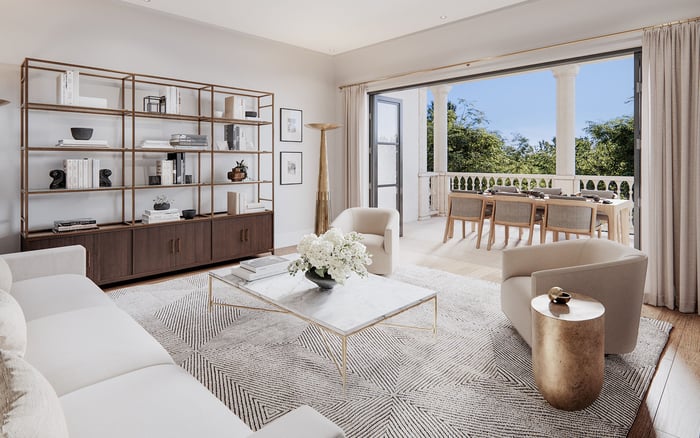
That distinction matters. A collector does not evaluate a home the way a casual buyer does. Ceiling heights, light control, wall planes, circulation, climate stability, storage, and the secure movement of works can be as important as a kitchen or primary suite. For designers, the inquiry is adjacent but different: does the residence offer a legible canvas, one that can absorb evolving decorative programs, furniture plans, and installations without feeling forced?
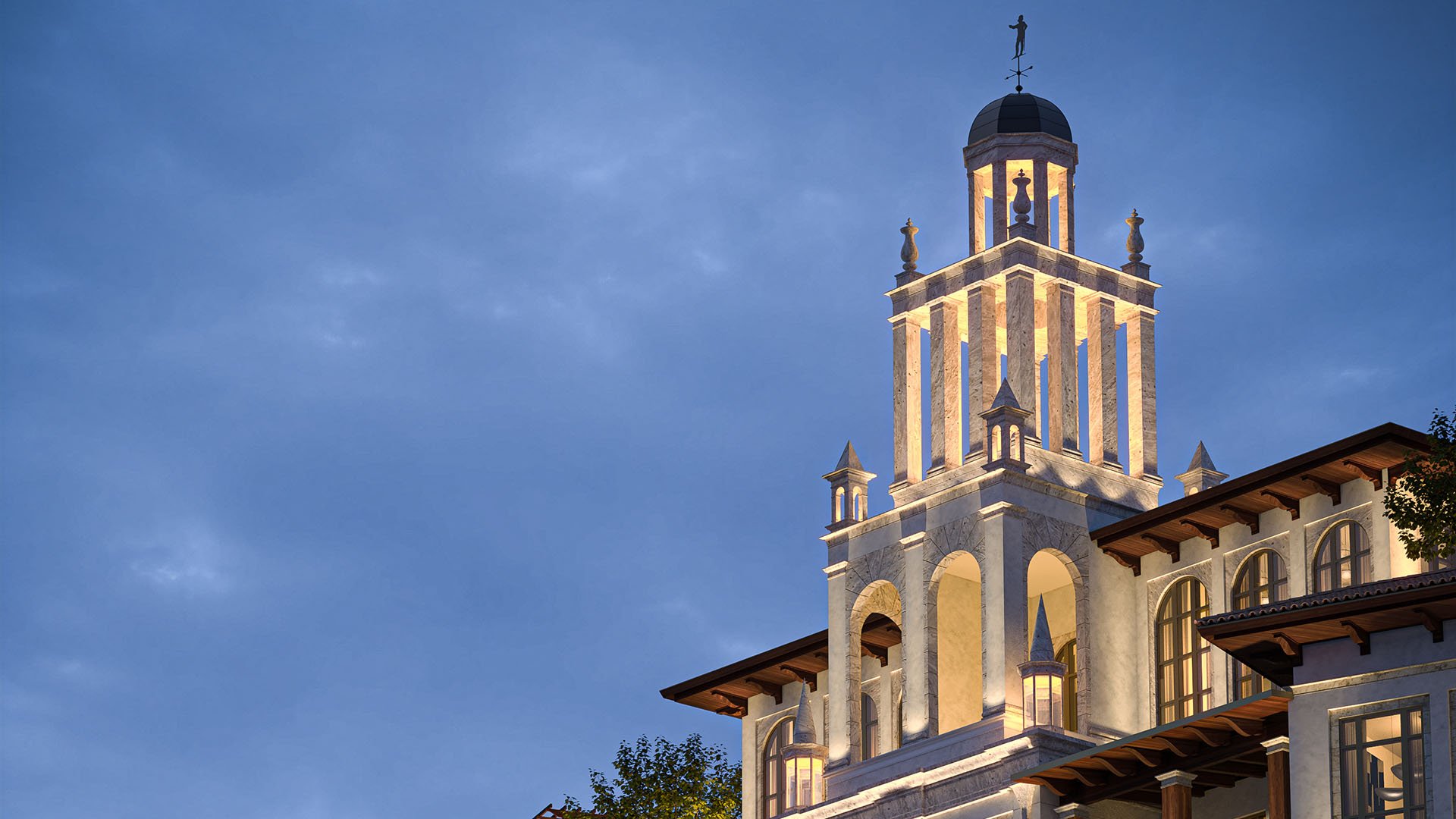
Ponce Park Coral Gables enters that conversation through restraint. The appeal suggested by the project is not spectacle for its own sake, but a more measured proposition: boutique scale, a Coral Gables setting, and a relationship to Ponce Circle Park that may feel especially relevant to buyers who value civic order, architectural continuity, and a quieter form of luxury.
Coral Gables has always occupied a distinctive position on the South Florida luxury map. Its planned urban character gives the city a sense of legibility that many design professionals appreciate. Streets, public spaces, façades, landscaping, and civic rhythm are not incidental; they create a framework for everyday life.
For collectors and designers, that framework can matter as much as the residence itself. Art is rarely experienced in isolation. It is shaped by the route home, the transition through shared spaces, the quality of arrival, and the atmosphere that precedes the private interior. A building near Ponce Circle Park can carry a different emotional register than one defined solely by vertical height or waterfront drama.
This is why Ponce Park’s context should be considered part of its design value. The building’s relationship to the park gives buyers a way to think about light, greenery, and public space as daily companions, rather than occasional amenities. Nearby residential offerings such as Cora Merrick Park and The Village at Coral Gables also reflect the broader Coral Gables preference for architecture that participates in place, rather than standing apart from it.
The most important collector questions are practical, not romantic. How much uninterrupted wall space exists in the primary rooms? Can larger works be installed without competing with doors, glazing, millwork, or mechanical elements? Are the circulation paths generous enough for art delivery and installation? Does the residence support secure handling from arrival to private interior?
Natural light deserves particular scrutiny. Brightness can give a home its emotional lift, but for art it is both an amenity and a risk factor. Works on paper, textiles, photography, and certain pigments can be vulnerable to glare and ultraviolet exposure. A collector evaluating Ponce Park should look closely at window orientation, shading possibilities, treatment options, and whether display walls can be protected without sacrificing the quality of daily light.
Climate stability is another essential issue. South Florida’s humidity makes stewardship more than a preference; it is part of responsible ownership. Buyers with meaningful collections should consider how temperature and humidity are managed, whether sensitive works require specialized placement, and whether any off-view storage can remain protected. A beautiful room is not enough if it cannot preserve what it displays.
Designers tend to look for clarity. A strong residence does not need to dictate every decision; it should establish enough order that custom work can feel inevitable. The ideal canvas has clear sightlines, logical furniture zones, sufficient wall planes for art or decorative programs, and room proportions that allow both intimacy and statement.
This is where Ponce Park may be most interesting. If the interiors offer flexibility, they could appeal to owners who want a home that evolves. A collector might rotate works by season or theme. A designer might create a quiet gallery wall one year and a richer, more layered salon the next. The value is not neutrality alone, but the ability to support change without visual chaos.
The strongest design residences in South Florida increasingly operate as curated environments. In Brickell, projects such as 2200 Brickell appeal to buyers thinking about urban living through architecture, amenities, and composition. In Coconut Grove, Four Seasons Residences Coconut Grove sits within a different lifestyle vocabulary, one tied to canopy, water, and established neighborhood character. Ponce Park’s opportunity is more Coral Gables in tone: discreet, contextual, and potentially well suited to those who prefer elegance over display.
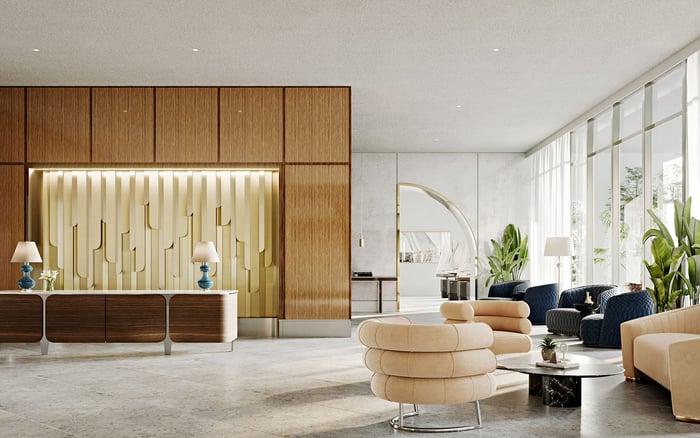
For art-forward buyers, the transition from public to private space is not merely ceremonial. It affects privacy, security, and the way guests experience a collection. The sequence from arrival to lobby or shared areas, then into the residence, should feel composed rather than theatrical. Collectors often prefer discretion because it protects both the owner and the work.
Ponce Park’s boutique positioning may appeal here. Smaller-scale residential environments can feel more personal, less transient, and better aligned with owners who do not want their building to compete with their interiors. This does not automatically solve technical requirements, but it frames the right conversation: can the building support a refined private life without turning every moment into performance?
Designers may also value that discretion. A quiet building can allow interiors to carry the expressive burden. The art, furniture, lighting, textiles, and materials become the voice of the residence. In that sense, restraint is not absence. It is permission.
A serious collector or designer should treat the purchase process as a design audit. Walk the residence with a floor plan and imagine specific works in specific locations. Test sightlines from the entry, living areas, dining space, and primary suite. Consider where sculpture might sit without interrupting circulation. Ask whether specialty lighting, automated shades, UV-filtering treatments, reinforced hanging systems, or custom millwork can be accommodated.
Operational details matter as well. Art delivery is rarely simple. Buyers should understand how large objects move through the building, whether service access is suitable, how elevators and corridors function for installation, and where temporary staging could occur. For collections with significant value, storage and security deserve early attention, not last-minute improvisation.
The conclusion is deliberately nuanced. Ponce Park Coral Gables may suit art collectors and designers if its spatial, operational, and social fabric aligns with the needs of stewardship and creative living. Its promise lies in the possibility of a residence that feels calm enough for daily life, structured enough for design, and discreet enough for serious collecting.
Is Ponce Park Coral Gables positioned for art collectors? It may appeal to collectors because the evaluation centers on display, light control, wall space, climate stability, circulation, and storage.
Why is Coral Gables important for this type of buyer? Coral Gables offers a planned urban character that can resonate with buyers who value architectural continuity, civic aesthetics, and a composed neighborhood setting.
Does proximity to Ponce Circle Park matter? Yes, the relationship to Ponce Circle Park can influence lifestyle, outlook, arrival experience, and the broader design context of daily living.
What should collectors study first inside a residence? They should study ceiling heights, uninterrupted wall planes, natural light exposure, circulation paths, and locations suitable for protected display.
Is natural light always positive for displaying art? Not always. Natural light can enhance a home, but collectors should plan for UV protection, glare control, and careful placement of sensitive works.
What makes a residence useful for designers? Designers typically look for flexible layouts, clear sightlines, strong furniture zones, and enough visual order to support changing design schemes.
Why does boutique scale matter? Boutique scale may create a more discreet residential atmosphere, which can suit owners who prefer privacy and refined living over spectacle.
Should buyers verify art delivery logistics? Yes. Secure delivery, elevator and corridor access, staging areas, and installation pathways can be critical for large or valuable works.
Can Ponce Park function as both a home and a design canvas? It may, provided the residence supports customization, lighting strategy, furniture planning, and the technical needs of art stewardship.
What is the central buyer takeaway? Ponce Park should be evaluated through both beauty and function, especially by owners who expect their home to preserve, display, and adapt.
When you're ready to tour or underwrite the options, connect with MILLION.
If branded residences are on your mind — as a home or as an allocation — we would be glad to share what we are seeing, privately.
Begin a quiet conversation