A discreet guide for South Florida luxury buyers evaluating how a condo tower’s shared spaces protect family privacy before the front door ever closes.
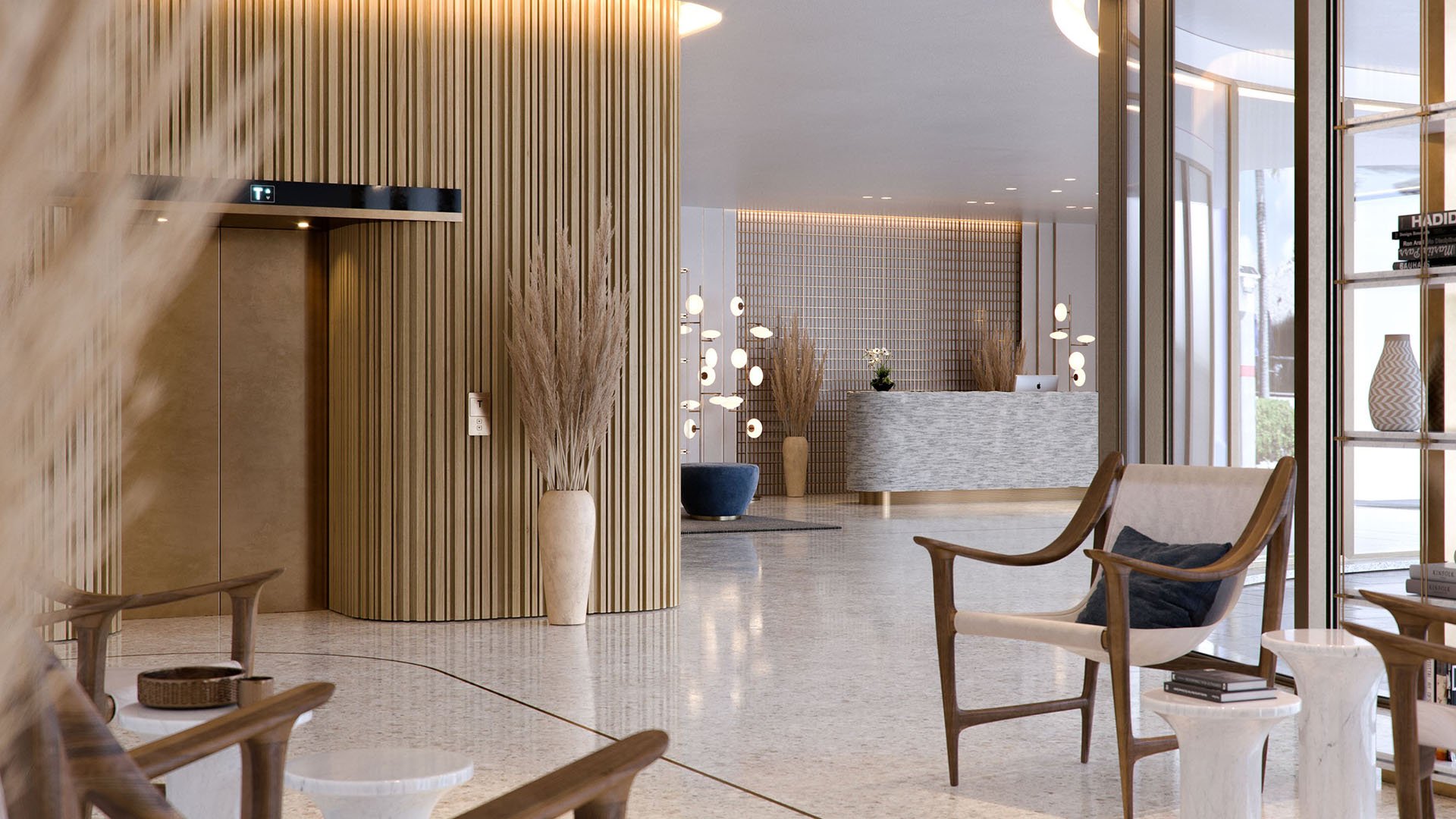
For families considering a South Florida condo tower, privacy is defined not only by square footage, views, or a formal foyer. It is shaped by every shared sequence between arrival and the residence: the porte cochère, lobby, elevator bank, corridor, service path, and amenity level. A plan that appears serene on paper can feel exposed in daily life if children, guests, staff, deliveries, and neighbors are constantly crossing paths.
The most discerning buyers evaluate condominium privacy much as they would a single-family estate: through circulation. Who sees you arrive? Who shares your elevator? How many doors face yours? Can a nanny, chef, trainer, or house manager move through the building without turning the home into a public stage? These questions are especially relevant in vertical neighborhoods such as Brickell, where convenience and density create both appeal and complexity. When reviewing a residence such as The Residences at 1428 Brickell, the exercise is not simply to admire the arrival sequence, but to walk it as a family would on an ordinary weekday.
A corridor is not just a hallway. It is the first layer of domestic discretion. Families should consider whether the residence entry sits directly across from another door, near an elevator bank, beside a service area, or at the end of a quieter approach. A door that opens into a calm vestibule feels very different from one that opens into an active crossroad.
Sightlines matter. Stand at the elevator and look toward the residence. Can someone see directly into the foyer when the door opens? Is there enough depth to receive guests, children, packages, or luggage without exposing the living room? The most private plans create a pause between public corridor and private interior, even when that pause is subtle.
Sound is equally important. Families should listen for elevator chimes, refuse rooms, mechanical closets, staff movement, and neighboring doors. A gracious corridor should feel quiet at different times of day, not only during a staged tour. Ask to visit when residents are likely to be moving through the building. Privacy has a rhythm, and rhythms reveal themselves in use.
Elevator strategy can define the difference between a hotel-like tower and a residence that supports family life with discretion. The key question is not simply whether an elevator is private, semi-private, or shared. It is how the elevator system separates the building’s daily populations: residents, guests, staff, vendors, deliveries, valet teams, and amenity users.
For some families, a private elevator vestibule is essential because it creates a controlled arrival and a formal decompression zone. For others, a well-managed semi-private elevator can be sufficient if the floor plate is calm, the number of residences sharing the landing is limited, and service movement is handled elsewhere. In every case, buyers should ask how groceries arrive, how luggage moves, where rideshare guests enter, and whether children can return from amenities without passing through overly public spaces.
In oceanfront and coastal markets, the elevator conversation often expands to beach bags, pets, wet towels, bicycles, and visiting relatives. A tower such as The Perigon Miami Beach invites buyers to consider not only the elegance of arrival, but also the choreography between outdoor life and private interiors. A beautiful lobby is only part of the story; the more revealing question is how gracefully the building absorbs real family movement.
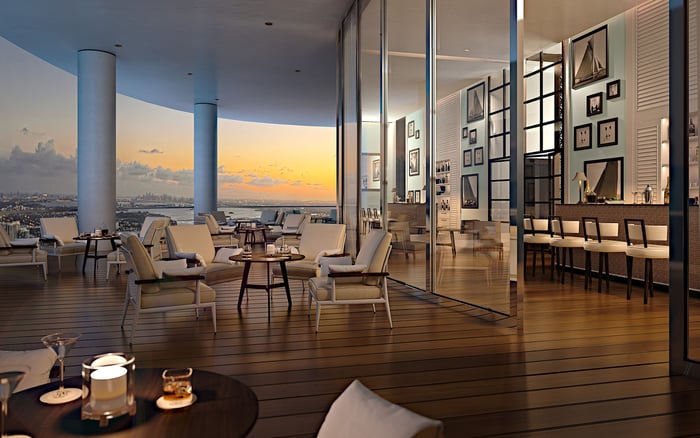
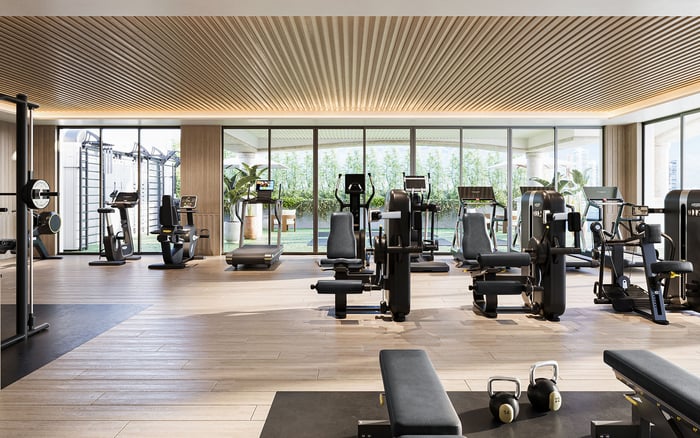
Amenities are designed to enrich life, but for private families they can also become the most visible part of the building. Pools, lounges, children’s rooms, fitness areas, treatment suites, coworking rooms, and dining spaces all create moments of exposure. The question is not whether amenities are impressive. It is whether they allow a family to use them comfortably without feeling constantly observed.
Study how the amenity floor is reached. Does every resident pass through the same prominent lobby route, or are there quieter internal paths? Are children’s spaces placed near adult social areas, or are they buffered? Can a family move from residence to pool, spa, gym, or club room without crossing an event-like environment every time?
For buyers looking in wellness-oriented or boutique markets, a property such as The Well Bay Harbor Islands raises useful planning questions: how are wellness spaces accessed, how visible are waiting areas, and do the common rooms feel restorative rather than performative? Privacy in an amenity setting is not isolation. It is the ability to enjoy shared luxury without turning daily routines into social obligations.
The larger the household, the more important service circulation becomes. A residence may have exquisite finishes and expansive rooms, yet still feel impractical if staff and service providers must use the same visible routes as dinner guests. Families should ask how housekeepers, chefs, drivers, dog walkers, tutors, trainers, and delivery teams are registered, directed, and monitored.
A private home in the sky requires invisible infrastructure. There should be clarity around service elevators, package handling, food deliveries, contractor access, guest authorization, and after-hours procedures. The goal is not to make a building feel defensive. The goal is to make daily life smooth enough that the family never has to manage privacy manually.
This is particularly important in car-centric coastal settings such as Sunny Isles, where arrival by private vehicle, valet coordination, and beach access may all intersect. When considering a residence such as Bentley Residences Sunny Isles, families should think through the entire chain of arrival: vehicle, entry, elevator, landing, and front door. Privacy is cumulative.
Boutique buildings often appeal to families because fewer residences can create a more intimate atmosphere. Yet intimacy does not automatically equal privacy. A smaller building may lead to more frequent encounters with the same neighbors, staff, and guests. A larger tower may offer more elaborate separation between resident, service, and amenity paths, but also more overall movement.
The right answer depends on temperament. Some families value a club-like environment where staff know their routines. Others prefer anonymity, larger systems, and multiple circulation options. In Coconut Grove, a residence such as Arbor Coconut Grove can prompt buyers to think about neighborhood scale, daily walkability, and how a more residential setting changes expectations for shared space. New-construction buyers should compare not only finish packages, but also how the plan handles thresholds, transitions, and daily friction.
During a private showing, walk the building as if you already live there. Arrive with children in mind. Imagine a late dinner guest, a weekend relative, a delivery during homework hour, or a trainer arriving before breakfast. Open the residence door and notice what is visible from the corridor. Ride the elevator more than once. Visit the amenity floor and observe whether it feels calm, exposed, or over-programmed.
Ask direct questions, but also trust the body. The best privacy planning creates ease. You should not feel as if you are constantly negotiating who might see you, hear you, or interrupt you. In the finest condo towers, shared spaces feel polished, but they also know when to disappear.
Why should families evaluate corridors before choosing a condo? Corridors shape the first layer of privacy outside the residence. Door placement, sightlines, and sound can affect daily comfort.
Is a private elevator always better for family privacy? Not always. A well-planned shared or semi-private elevator can work if circulation is calm and service routes are separate.
What should I look for at the elevator landing? Look for visual buffering, low noise, controlled access, and enough space to arrive gracefully with children, luggage, or guests.
How do amenity floors affect privacy? Amenity floors can expose family routines if access paths are too public or social spaces are poorly buffered.
Should service elevators matter to luxury buyers? Yes. Service circulation helps staff, deliveries, and vendors move efficiently without disrupting the household’s private rhythm.
Is a boutique building more private than a large tower? Sometimes, but not automatically. Smaller buildings may feel intimate, while larger towers may offer more circulation options.
What is the most overlooked privacy issue in condo towers? The transition between elevator, corridor, and foyer is often overlooked, yet it can determine how exposed the home feels.
How can I test privacy during a showing? Visit at different times if possible, ride the elevators, stand at the landing, and observe how residents and staff move.
Do families need separate guest and staff pathways? Larger households often benefit from them. Separation can make entertaining, childcare, and household management feel more seamless.
What makes a condo tower feel truly discreet? Discretion comes from calm circulation, thoughtful access control, quiet shared spaces, and interiors that are not exposed at the threshold.
To compare the best-fit options with clarity, connect with MILLION.
If branded residences are on your mind — as a home or as an allocation — we would be glad to share what we are seeing, privately.
Begin a quiet conversation