A discreet buyer’s guide to evaluating sound transfer between amenity floors and private residences in South Florida luxury condominiums, with practical questions for tours, plan review, and contract diligence.
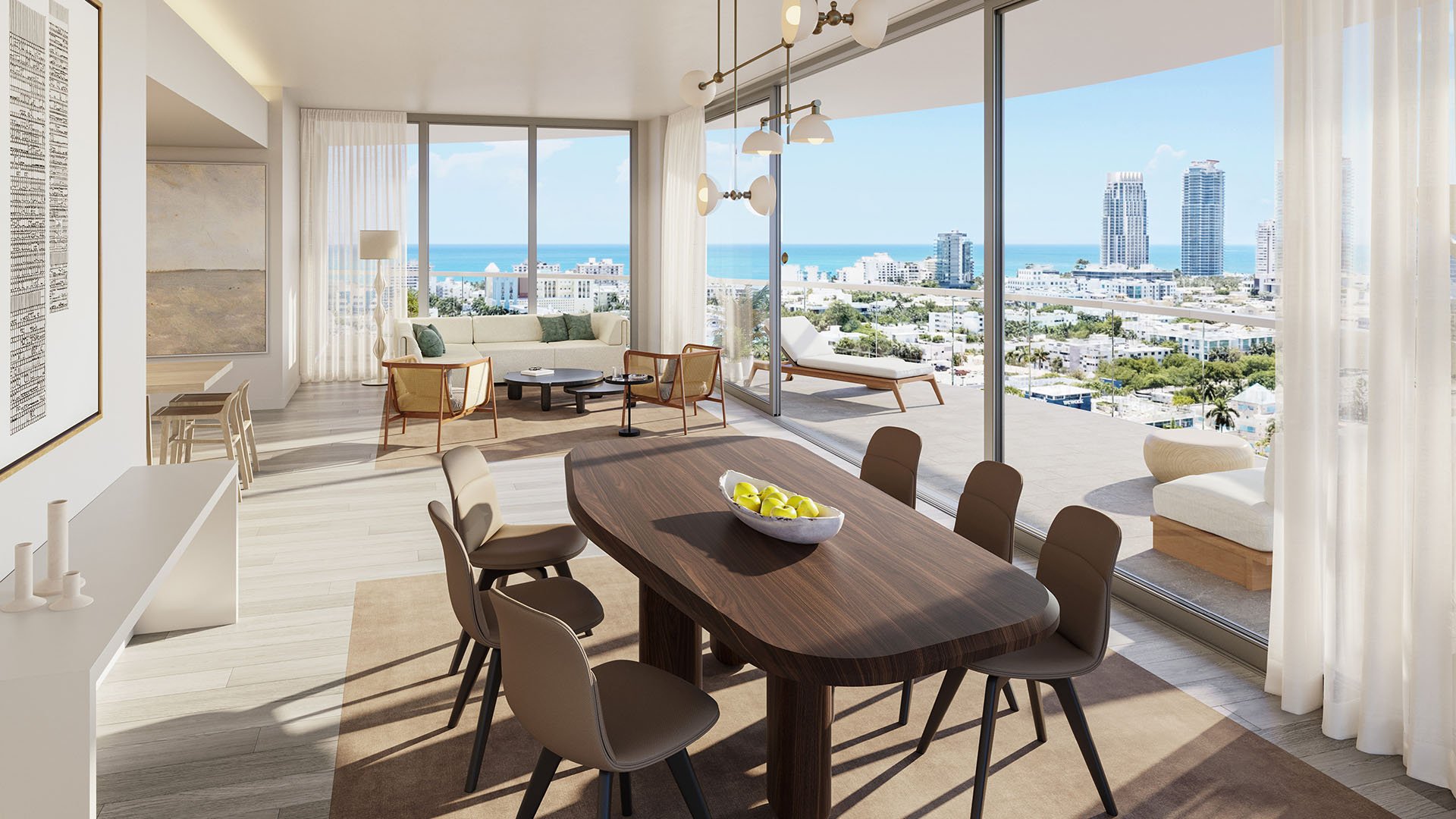
In South Florida luxury condominium living, the most coveted amenity is often silence. Private elevators, water views, wellness floors, and resort-style lounges matter most when the residence itself remains a refuge. Sound transfer between amenity floors and private residences can shape daily comfort, resale perception, and how a home feels after the novelty of the building has passed.
The issue is rarely as simple as being above or below a pool deck. Noise can travel vertically, laterally, and through shared structural or mechanical pathways. A residence may be separated from an amenity by concrete, ceiling systems, corridors, back-of-house rooms, or landscaped outdoor space. The buyer’s task is to understand not only what is adjacent, but how the building is assembled and operated.
This is especially important in amenity-forward markets such as Brickell, Miami Beach, Sunny Isles, Fort Lauderdale, and West Palm Beach, where residential towers increasingly compete through wellness, dining, entertainment, and hospitality-style programming. Buyers comparing The Residences at 1428 Brickell with waterfront or beachfront alternatives should treat acoustics as part of the luxury specification, not a secondary inspection item.
The first question is architectural: what sits immediately above, below, and beside the residence? Request the stacking plan, amenity plan, and floor plate for the levels surrounding the unit. Look for gyms, spas, treatment rooms, pickleball or sport simulators, children’s areas, lounges, commercial kitchens, mechanical rooms, service corridors, elevator banks, trash rooms, and outdoor decks.
A beautifully furnished sales gallery can obscure the practical reality of the stack. If the primary bedroom is directly below a fitness studio, or the den backs onto a service route used by staff, the experience may differ from a similarly priced home one line away. High floors are not automatically immune, since mechanical and rooftop uses can also matter. Penthouse buyers should be as curious about roof equipment and event terraces as lower-floor buyers are about pool and club levels.
When a project has multiple amenity zones, ask which are destination spaces and which are quieter support spaces. A library, treatment room, or residents’ lounge may have a different acoustic profile than a cardio room, catering kitchen, or indoor-outdoor bar. The point is not to avoid amenities. It is to understand how close they are to the rooms where you sleep, work, and entertain privately.
Plans should be reviewed with sound in mind. Note bedroom locations first, then living areas, then terraces. In South Florida, the terrace can function as a true outdoor room, but it can also face shared decks, cabanas, or social seating. If a residence overlooks an amenity deck, ask how planting, setbacks, glass railings, water features, and operating rules are intended to soften the experience.
For beachfront buyers studying 57 Ocean Miami Beach or The Perigon Miami Beach, the most refined inquiry is not whether amenities exist. It is whether the private residence is positioned to enjoy them without absorbing their daily rhythm. In dense coastal buildings, the difference between a serene line and an active line can be subtle on paper but meaningful in use.
Ask the sales team or owner’s representative to identify any acoustic assemblies between amenity and residential floors. Do not stop at finishes. Stone, wood, and designer ceiling treatments may be beautiful, but buyers should understand the underlying slab, ceiling cavity, insulation approach, door assemblies, glazing, and any floating floor systems where relevant. If the response is vague, continue the conversation with your architect, inspector, or attorney before key contract dates pass.
A single tour rarely tells the whole story. Visit when amenities are likely to be active, not only during a quiet midday appointment. If permitted, stand in the residence, in the corridor, near the elevators, and on the terrace. Listen for footfall, music, voices, weights, furniture movement, pool activity, service carts, doors, and equipment hum.
Repeat the exercise from different rooms. Primary suites, nurseries, offices, media rooms, and guest rooms have different tolerance levels. A sound that is barely noticeable in a great room may be distracting in a bedroom after midnight or during a morning call.
For pre-construction and new-construction purchases, physical testing may not be possible before commitment. In that case, due diligence becomes document-based. Ask for drawings, specifications, amenity operating concepts, and any rules that affect hours, private events, guest access, music, deliveries, and maintenance. Buyers considering vertical urban living at 888 Brickell by Dolce & Gabbana should make the same acoustic inquiries they would make in a completed tower, even if the answers arrive through plans rather than in-person listening.
Not all sound transfer has the same source. Structural noise can include impact from movement, exercise, furniture, or activity on a hard surface. Airborne noise can include voices, music, and television. Mechanical noise can come from pumps, fans, elevators, generators, ventilation, or building systems. Lifestyle noise may come from programming, guest traffic, staff movement, or private events.
Each category calls for a different remedy, and some are easier to manage than others. Rules can control hours and music. Design can help separate active uses from private rooms. Building systems require more technical review. A buyer should avoid accepting a generic assurance that a residence is quiet. The stronger question is: what type of sound was considered, and where might it travel?
For buyers looking north to Sunny Isles, towers such as Bentley Residences Sunny Isles demonstrate how lifestyle, arrival sequence, and privacy expectations are part of the luxury conversation. The same principle applies everywhere: convenience should not come at the expense of repose.
Ask whether the residence shares any boundary with amenity, service, mechanical, or back-of-house space. Ask what is directly above and below each bedroom. Ask whether any amenity areas allow amplified music, private events, outside guests, or extended evening use. Ask how furniture movement, maintenance, and deliveries are handled.
Request clarity on who enforces amenity rules and how complaints are documented. A condominium with elegant rules but weak enforcement may feel different from one with discreet, consistent management. Also ask whether future boards can alter amenity hours or programming. In a luxury building, governance is part of the sound environment.
Finally, evaluate the price in relation to adjacency. A residence near an amenity level may offer convenience, views over landscaped decks, or easier access to wellness spaces. It may also require deeper diligence. The goal is not to reject these homes, but to price and select them with eyes open.
The best residences balance access and withdrawal. They allow owners to move from a spa, pool, club room, or lobby into a private realm that feels composed. When evaluating sound transfer, trust neither fear nor optimism. Trust plans, repeated visits, precise questions, and professional review.
A serious buyer should leave the process knowing what surrounds the home, how active those spaces may become, which rules govern them, and what construction logic separates public life from private space. In a market where amenities are increasingly elaborate, quiet is not the absence of design. It is one of design’s most important outcomes.
Can amenity noise affect a luxury condominium residence? Yes. Sound can travel from active spaces, service areas, equipment rooms, terraces, and corridors if the stack and assemblies are not carefully understood.
Is it better to avoid residences directly above amenity floors? Not always. Some may be well separated or thoughtfully planned, but they deserve closer review before purchase.
What documents should I request during diligence? Ask for floor plans, stacking plans, amenity layouts, relevant specifications, condominium rules, and any available operating guidelines.
Should I tour the residence more than once? Yes. Visit at different times so you can hear the building when amenities, staff, and residents are using it normally.
Are outdoor amenity decks a concern? They can be. Voices, music, furniture movement, and pool activity may carry differently than indoor sound.
Can building rules solve sound transfer issues? Rules help with behavior, hours, and programming, but they do not replace proper construction and planning.
What rooms should I evaluate most carefully? Focus on bedrooms, home offices, nurseries, media rooms, and any space where quiet is essential.
Is new construction harder to evaluate? It can be, because you may rely on drawings and specifications rather than lived experience before closing.
Should an attorney review amenity rules? Yes. Legal review can clarify use rights, rule changes, enforcement, and owner protections.
What is the simplest buyer takeaway? Treat acoustics as a core luxury feature, equal to views, finishes, service, and location.
For a confidential assessment and a building-by-building shortlist, connect with MILLION.
If branded residences are on your mind — as a home or as an allocation — we would be glad to share what we are seeing, privately.
Begin a quiet conversation