A refined buyer’s guide to assessing quiet automation in luxury South Florida residences, from security and daily comfort to serviceability and resale presentation.
Quiet automation is not about filling a residence with gadgets. In the upper tier of South Florida real estate, the higher standard is discretion: systems that protect, simplify, and respond without interrupting the architecture or the daily rhythm of the home. The most successful technology is often the least theatrical. It works in the background, feels natural to guests, and leaves the owner with fewer decisions, not more.
For buyers, the evaluation should begin with a simple question: does the automation make the residence calmer? A system that requires constant explanation, frequent troubleshooting, or a patchwork of separate apps may impress during a showing but become burdensome in daily life. A well-considered system should be legible, secure, and adaptable. It should support lighting, climate, entry, shading, audio, surveillance, and privacy in a way that feels composed rather than complicated.
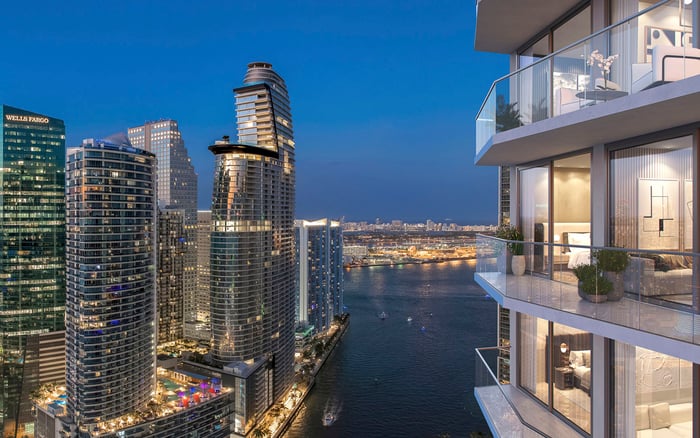
Apply the same discipline whether the search begins in Brickell, Miami Beach, Sunny Isles, a gated community, a new-construction tower, or a resale acquisition. The address may change, but the principle remains: quiet automation should elevate ownership without making the home dependent on novelty.
Security automation is often oversold through visible hardware. A more refined approach is layered and calm. Start with access control. Entry systems should be easy for the owner to manage, clear for household staff, and flexible enough to accommodate guests, deliveries, and service providers without compromising privacy. The ideal experience is not a dramatic display of technology. It is the quiet confidence that access can be granted, limited, reviewed, and revoked with minimal friction.
Next, examine how surveillance is integrated. Cameras, sensors, and alerts should respect the residence’s design language. They should also be organized so owners can understand them quickly. If a system produces too many notifications, it can train residents to ignore the alerts that matter. If it produces too few, it may fail to support the sense of control expected at this level.
Privacy is part of security. Buyers should ask how permissions are handled, who can administer the system, and whether previous user access has been removed before closing. A reset protocol is essential in any purchase involving connected systems. This is especially important in homes with multiple prior vendors, overlapping controls, or legacy equipment that may still be tied to old accounts.
The best automation reduces mental load. Instead of managing every light, shade, speaker, and thermostat separately, owners should be able to select a few elegant scenes that reflect real living patterns. Morning, evening, entertaining, away, and sleep modes can do more for daily comfort than an overloaded control menu.
Evaluate whether the system feels intuitive to someone seeing it for the first time. A guest should be able to turn on a light without a tutorial. A family member should be able to adjust climate without calling a technician. If every ordinary action depends on a hidden panel, a proprietary remote, or one person’s phone, the system may be powerful, but it is not truly convenient.
Voice control, touch panels, keypads, and mobile access can all be useful, but redundancy matters. A residence should not become awkward if one interface fails or if a phone is unavailable. Quiet convenience means options, not dependence. The owner should have a graceful path for everyday use, entertaining, travel, and service access.
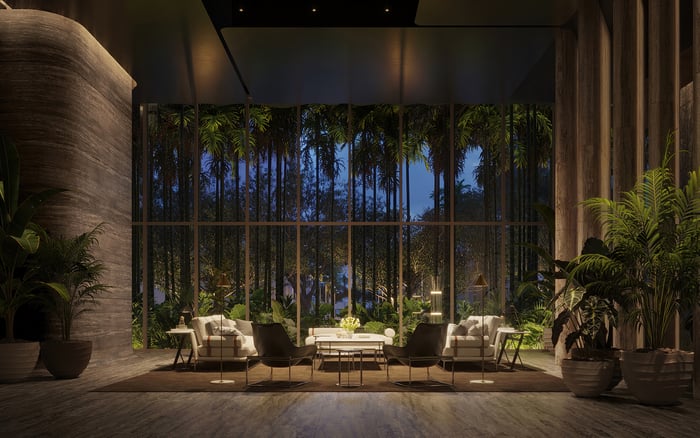
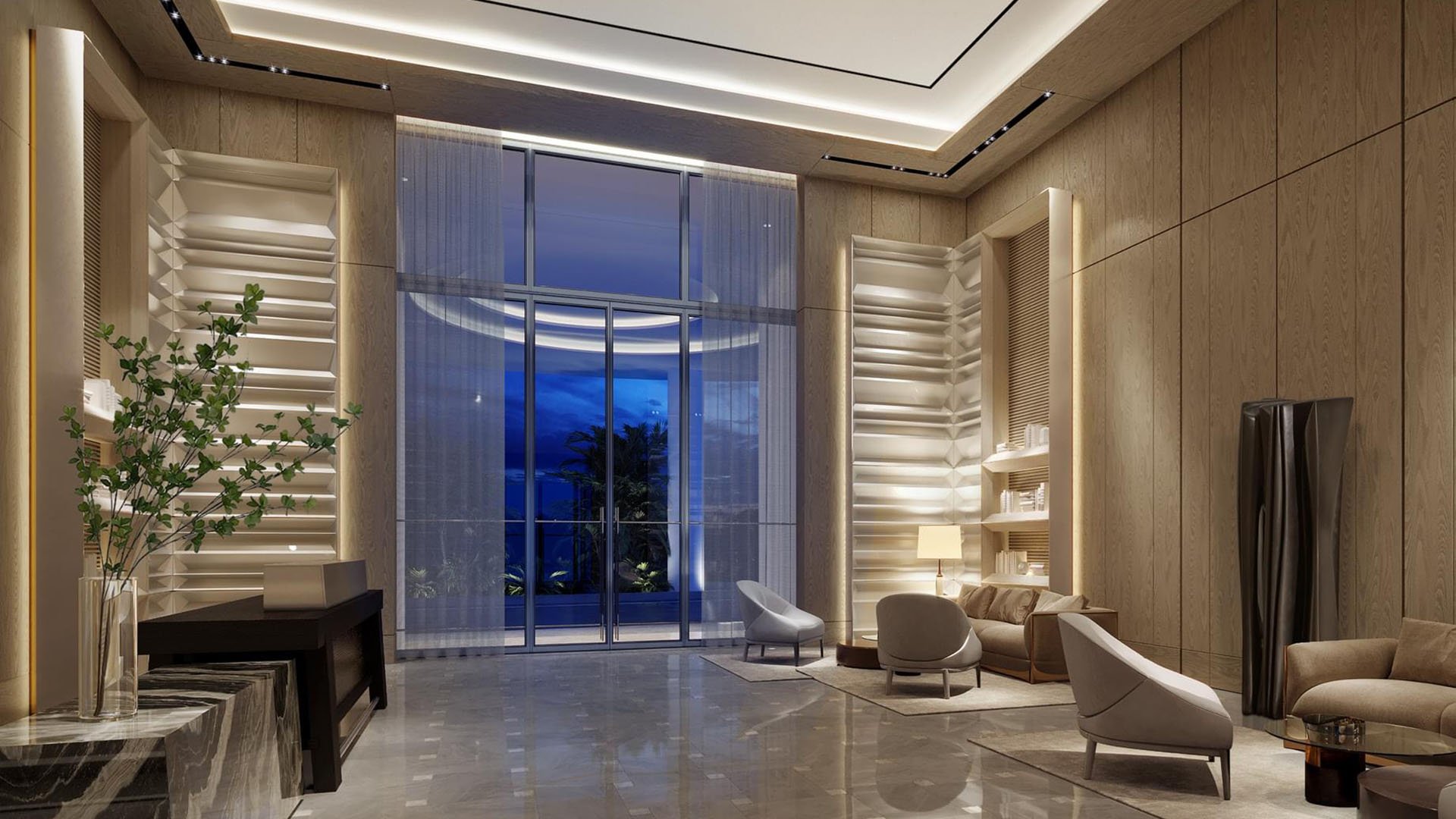
In luxury interiors, automation succeeds when it disappears into the design. Keypads should be placed with architectural discipline. Sensors should be discreet. Motorized shades should align with the room’s proportions. Lighting controls should enhance art, materials, and views rather than flattening them into a single generic brightness.
A buyer should pay close attention to the relationship between technology and finishes. Retrofitted controls can be excellent when thoughtfully executed, but rushed installations may leave visual compromises: mismatched wall plates, visible wiring, awkward camera placement, or equipment closets that feel like afterthoughts. These details matter because they shape both the living experience and the future presentation of the property.
Lighting deserves particular scrutiny. The difference between automated lighting and beautiful automated lighting is substantial. Scenes should be tuned for the way rooms are actually used, including dining, reading, entertaining, art viewing, and nighttime circulation. A luxurious system should make the residence feel more atmospheric, not more mechanical.
Automation can add appeal, but only when it can be serviced. Buyers should ask for a clear inventory of major components, control platforms, warranties where applicable, installer information, and current administrative credentials. The goal is not to become technical. The goal is to understand whether the system is organized enough for a future owner, property manager, or specialist to maintain it without recreating the entire installation.
Documentation is a resale asset. A beautifully bound manual is not required, but a well-maintained digital folder can be invaluable. It should include network details, device lists, service contacts, operating instructions, and reset procedures. If the seller cannot explain how the system is controlled, that is not automatically a deal breaker, but it is a signal for deeper review.
Flexibility is equally important. Homes evolve. Owners change art, furniture plans, staff routines, security preferences, and entertainment habits. A rigid system can become dated quickly if it cannot be adjusted without major disruption. The most desirable automation is robust enough to support the current owner and open enough to be refined by the next one.
For resale, quiet automation should read as a benefit, not a mystery. During a future showing, the residence should demonstrate ease: a simple arrival scene, graceful lighting, controlled shading, secure access, and intuitive climate. Buyers do not need to see every feature. They need to feel that the home is composed and that its systems will not become a burden after closing.
Avoid evaluating automation as a checklist of devices. Instead, consider whether it strengthens the home’s narrative. In a waterfront residence, it may support privacy, entertaining, and shade control. In an urban condominium, it may emphasize lock-and-leave convenience, entry management, and serene interiors. In an estate setting, it may coordinate gates, lighting, cameras, and guest access into a more controlled arrival experience.
The strongest systems are those that can be explained in plain language. If a broker, owner, or property manager can describe the key functions clearly, the technology is more likely to feel transferable. If the explanation becomes a maze of exceptions, passwords, and vendor dependencies, buyers may discount its value or view it as future work.
Before making a decision, walk through the residence at different moments if possible. Test the everyday actions: entering, leaving, entertaining, dimming lights, closing shades, adjusting temperature, and securing the home. Ask what happens during an internet interruption, a power event, or a change in household staff. Confirm who maintains the system and how quickly support can be arranged.
The goal is not perfection. It is confidence. Quiet automation should make ownership feel more private, more comfortable, and more resilient to daily complexity. In South Florida’s luxury market, that kind of invisible performance can be as meaningful as a view, a finish, or a floor plan because it shapes how the residence is actually lived in.
What is quiet automation? Quiet automation is smart-home technology designed to operate discreetly, with simple controls and minimal visual disruption.
Why does it matter for luxury buyers? It can make a residence feel more secure, comfortable, and polished when designed around real daily routines.
What should I test first during a showing? Test entry, lighting, shading, climate, and the away mode, since these reveal how intuitive the system is.
Is more technology always better? No. A smaller, well-integrated system can be more valuable than a complex one that is difficult to use or maintain.
How should security automation be evaluated? Review access permissions, alert logic, camera placement, administrative control, and reset procedures before closing.
Can automation affect resale? Yes, when it is easy to demonstrate, well documented, and flexible enough for a future owner to adapt.
What documents should a buyer request? Ask for device inventories, service contacts, operating instructions, warranties where relevant, and account reset details.
Should older systems be avoided? Not necessarily. Older systems may still be useful if they are stable, serviceable, and clearly documented.
What is a warning sign? A system that only one person understands, requires multiple disconnected apps, or lacks administrative access deserves caution.
How can owners prepare automation for resale? Simplify scenes, update documentation, remove obsolete devices, and make the most useful features easy to demonstrate.
To compare the best-fit options with clarity, connect with MILLION.
If branded residences are on your mind — as a home or as an allocation — we would be glad to share what we are seeing, privately.
Begin a quiet conversation