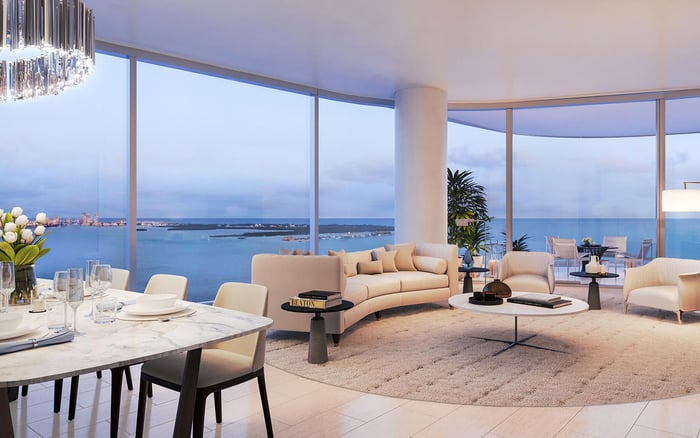
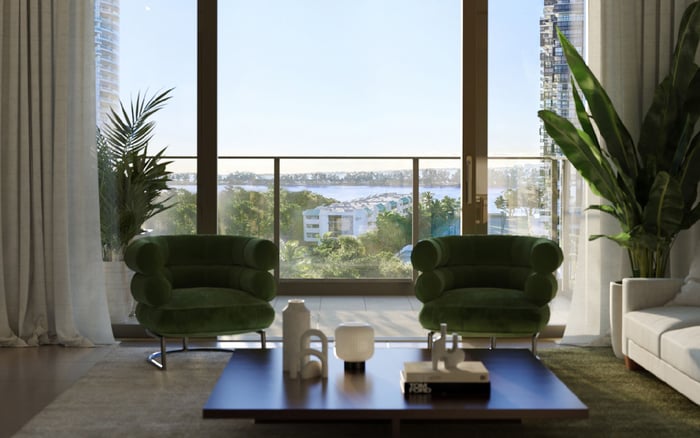
A practical editorial guide for high-net-worth buyers evaluating South Florida condominiums remotely, with emphasis on documents, virtual tours, building risk, contract strategy and local representation.
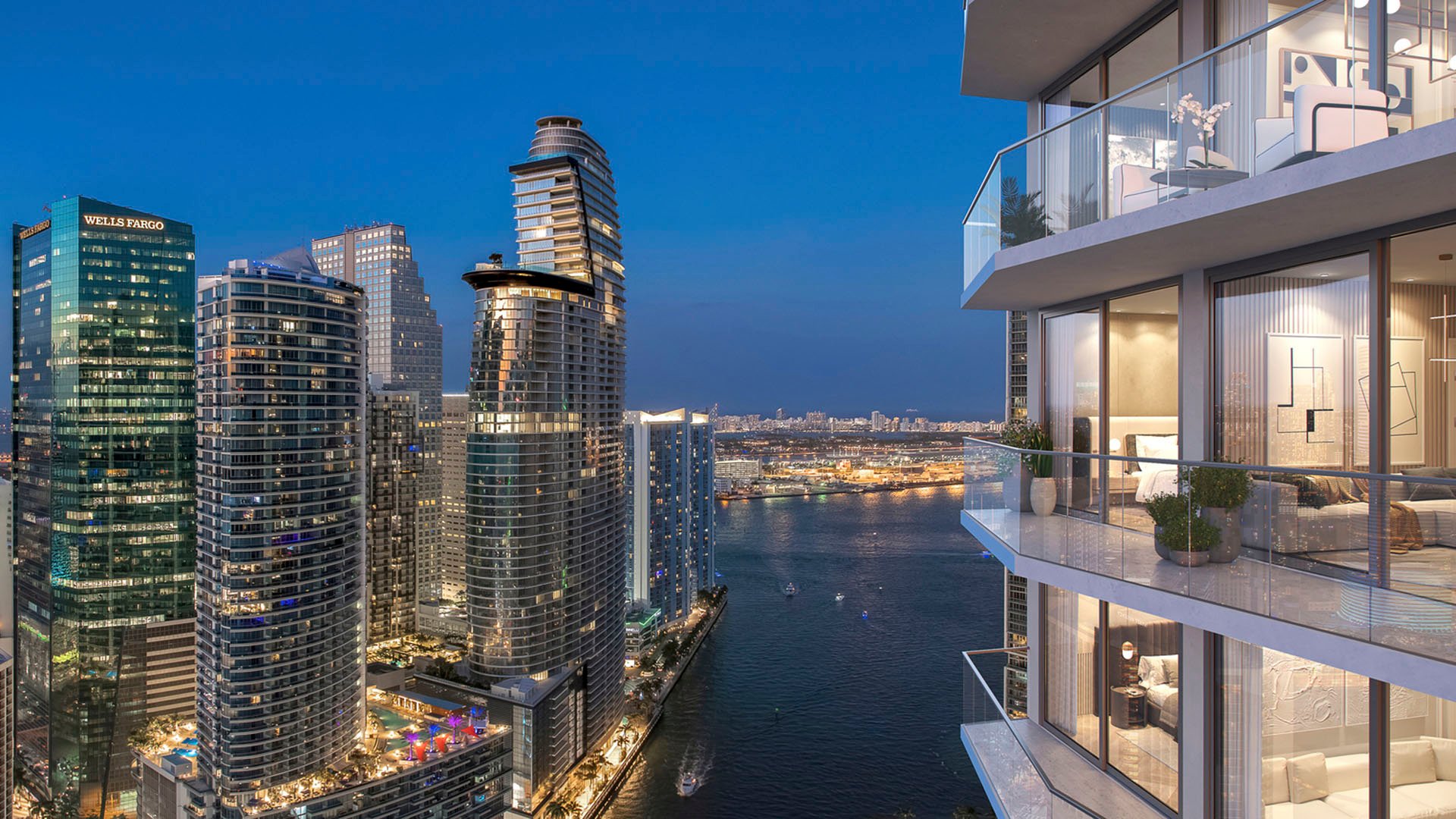
Buying a $3M+ condominium in South Florida without stepping inside it is not inherently reckless. It becomes risky only when the process is treated like an ordinary online purchase rather than a disciplined acquisition. At this level, the question is not whether a buyer can transact remotely. The question is whether the buyer can verify enough of the property, building, contract and lifestyle to make the decision with confidence.
That discipline applies across Brickell, Miami Beach, Sunny Isles, West Palm Beach, new-construction and resale opportunities, even when the property tour happens by screen. The strongest sight-unseen buyers behave less like spectators and more like principals. They ask for original documents, independent eyes, room-by-room evidence and a written decision record before funds become nonrefundable.
In Brickell, for example, a buyer comparing a high-rise lifestyle at The Residences at 1428 Brickell should think beyond skyline images. The true diligence is in exposure, elevator experience, parking access, building operations, association obligations and the day-to-day rhythm of the neighborhood.
A luxury residence can be beautifully staged and still sit inside a building with unresolved questions. Before debating furniture, art walls or terrace planting, a remote buyer should understand the condominium association, budget, insurance posture, pending work, litigation, rules, leasing policies, pet restrictions and capital planning. The goal is not to find a perfect building. The goal is to know the building you are buying into.
Ask for the current budget, recent meeting materials, rules and regulations, financial statements, reserve information, insurance summary, engineering or inspection materials if available, and any disclosures delivered through the transaction. For a resale, request seller disclosures, renovation history, appliance information, permit records where relevant and a clear inventory of included fixtures. For new development, review the offering documents, purchase agreement, estimated carrying costs, deposit schedule, completion language and permitted developer changes with counsel.
Remote buyers should also separate brand language from ownership reality. A celebrated amenity program matters, but so do service hours, guest policies, move-in procedures, valet flow, delivery management, elevator protocols and contractor access. These details shape everyday life more than renderings ever will.
A polished video is useful, but it is not diligence. A proper remote tour should be slow, sequential and sometimes deliberately boring. Begin at the street, not the living room. See the arrival, lobby, mail area, elevators, garage entry, corridors and service paths. Then move into the residence with lights both on and off, shades up and down, doors open and closed.
Ask the person holding the camera to pause at thresholds, window frames, baseboards, ceiling lines, appliance panels, closets, balcony surfaces and mechanical areas. Request a continuous pan from every main room to confirm view corridors, neighboring structures and privacy. Have the camera held still for natural sound near windows, bedrooms, terraces and hallways. If a residence is being sold furnished, record every included piece and every exclusion.
On Miami Beach, a residence such as The Perigon Miami Beach may be evaluated first for design and setting, but the remote buyer should still insist on practical detail: beach access sequence, elevator transfer, storage, parking, terrace usability and how morning and afternoon light affect the interiors.
In South Florida, view is a form of value, but it must be verified from the exact residence whenever possible. A remote buyer should avoid relying solely on floor plan direction or generic building imagery. Ask for current video from the actual balcony, primary bedroom, kitchen, living room and any secondary bedroom that may become a guest suite or office.
Light matters differently depending on lifestyle. A buyer who spends mornings in residence may prefer one exposure, while a seasonal owner entertaining at sunset may prize another. Remote diligence should include time-stamped images or videos at different points in the day when feasible. Also ask about immediate adjacencies: rooftops, neighboring balconies, mechanical equipment, active construction nearby, service drives and public pathways.
For Sunny Isles, where high-floor oceanfront living is a major part of the appeal, a buyer studying St. Regis® Residences Sunny Isles should look carefully at sightlines, terrace depth, wind exposure, parking configuration and the separation between private residential life and shared amenity spaces.
Sight-unseen buyers need contract discipline because time pressure can intensify when the buyer is not local. The offer should reflect what remains unverified, and deadlines should be managed with precision. If the transaction allows inspection, document review or attorney review periods, those windows should be used actively rather than treated as formalities.
For resale properties, prioritize a qualified inspection, document review, title review, association application timing and financing coordination if debt is involved. For new-construction purchases, diligence shifts toward the developer contract, deposit structure, completion terms, unit modification options, closing conditions and what may change before delivery. The buyer should understand what is promised, what is estimated and what is expressly reserved to the developer.
Wire instructions, identity verification and closing logistics deserve particular caution in remote transactions. Confirm instructions through secure, direct channels and avoid relying on forwarded messages. A high-value closing should feel procedural, not improvised.
The most successful remote purchasers rely on a small, experienced team with clearly separated roles. The buyer’s advisor interprets market fit and negotiates strategy. Counsel reviews legal exposure and contract language. An inspector evaluates physical condition. Insurance and financing professionals address carrying costs and timing. A property manager or designer may help assess what the residence will require after closing.
In West Palm Beach, for instance, a buyer considering Alba West Palm Beach should understand not only the residence itself, but also the ownership plan: seasonal use, guest access, furnishing timeline, service expectations and whether the building’s daily rhythm matches the buyer’s lifestyle.
A local team is also valuable because luxury due diligence is not purely technical. It is interpretive. The question is not merely whether a condo is attractive. It is whether the specific residence, building culture, location, contract and long-term ownership profile justify committing capital without a personal visit.
For a remote buyer, the better question is: what would make me regret not verifying this? That question leads to better behavior. It directs attention toward sound, light, building governance, insurance, reserves, elevator flow, parking, storage, rental limits, staff interaction, future work and exit liquidity.
A sight-unseen purchase can be elegant when every assumption is made visible. The most sophisticated buyers do not demand certainty, because real estate never offers it. They demand a clean process, careful verification and a decision that can withstand scrutiny after closing.
Is buying a $3M+ South Florida condo sight-unseen too risky? Not if the buyer uses disciplined document review, independent inspections, live video verification and experienced local representation.
What should I review before making a remote offer? Review the condominium documents, budget, rules, disclosures, contract terms, carrying costs and any available building or inspection materials.
Should I rely on listing photos for a luxury condo purchase? No. Request live or freshly recorded video from the exact residence, including the approach, elevators, hallways, views and mechanical areas.
How important is the condominium association in due diligence? Very important. The association affects rules, reserves, insurance, maintenance, service quality, leasing flexibility and future assessments.
Is new-construction diligence different from resale diligence? Yes. New-construction review focuses on developer contracts, deposits and delivery terms, while resale review emphasizes condition and association records.
Can I inspect a condo if I am not in Florida? Yes. A qualified inspector can inspect on your behalf, with your advisor attending by video when appropriate.
What is the most overlooked part of a virtual tour? Sound and arrival experience are often overlooked, including street noise, elevator flow, corridor condition and privacy at the entry.
Should I visit before closing if possible? Yes, if timing allows. A personal visit can confirm intangible factors, but a strong remote process should not depend on luck.
Who should be on my remote purchase team? At minimum, consider a buyer advisor, real estate counsel, inspector, title contact and insurance or financing professional when relevant.
What makes a sight-unseen purchase feel controlled? Clear deadlines, verified documents, secure closing procedures, independent eyes on the residence and written answers to every material concern.
To compare the best-fit options with clarity, connect with MILLION.
If branded residences are on your mind — as a home or as an allocation — we would be glad to share what we are seeing, privately.
Begin a quiet conversation