A discreet buyer’s guide to evaluating pool equipment noise before purchasing in South Florida’s luxury condominium and residential tower market.
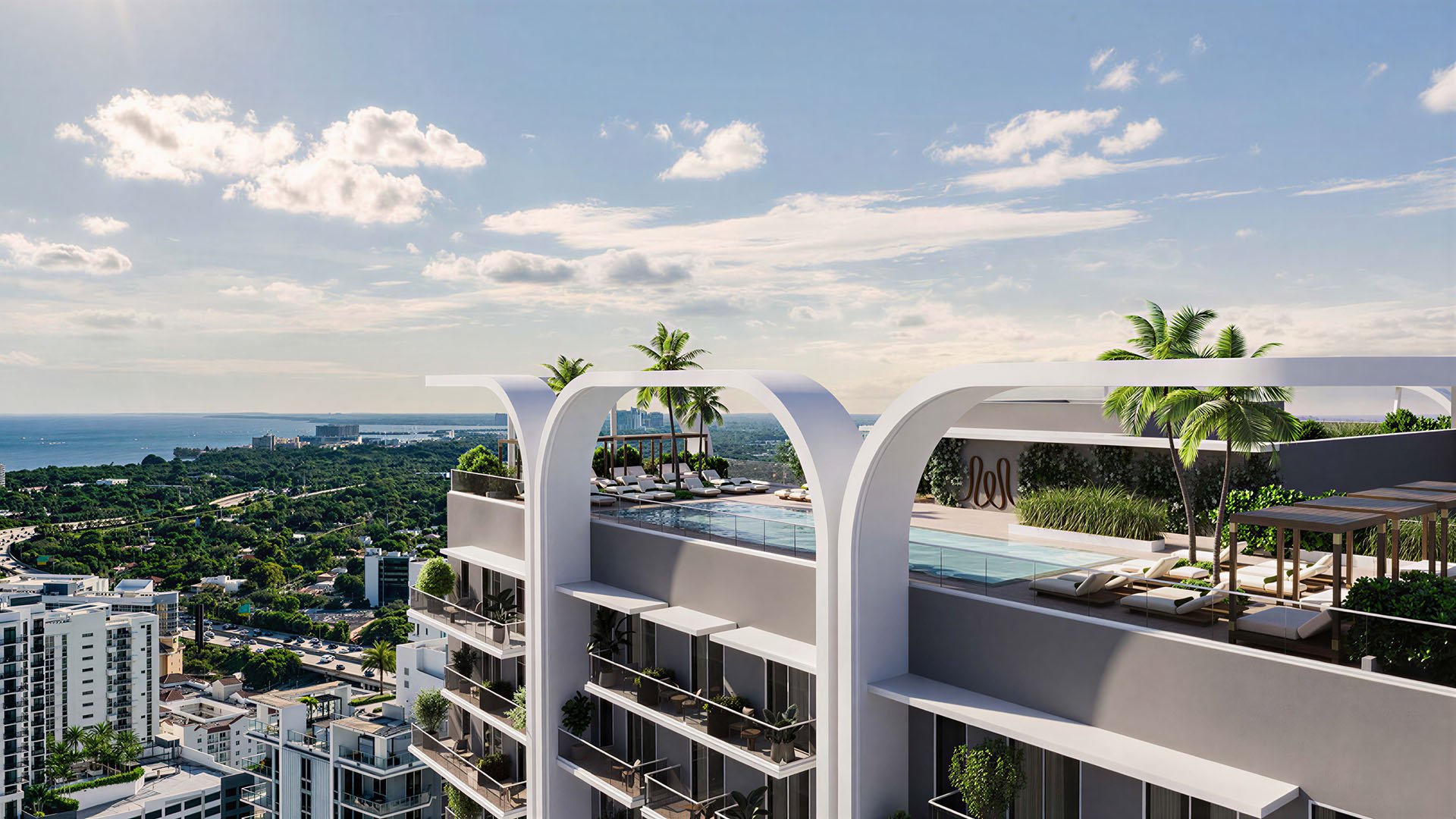
In South Florida, the Pool is more than an amenity. It is the social stage of a residence, the visual centerpiece from a Balcony, and a defining part of the daily rhythm of resort-style living. Yet the equipment that keeps the water polished, heated, circulated, lit, and guest-ready can become an unexpected acoustic presence when it is poorly located, poorly isolated, or poorly maintained.
For a luxury buyer, the question is not simply whether a building has a beautiful pool deck. The sharper question is how the pool infrastructure interacts with the residence. Does sound travel through slab, wall, vent, or shaft? Is a mechanical area located near a primary suite, Terrace, cabana, or lower-floor residence? Does equipment cycle when the building otherwise feels still? These questions matter in Brickell, on an Oceanfront site, in boutique coastal buildings, and in New-construction towers where amenity density is a major selling point.
A refined building should feel composed. Water, landscape, air, and service systems should support the experience without announcing themselves. Pool equipment noise is rarely the headline feature in a sales gallery, but for an owner who values quiet interiors and serene outdoor space, it can shape the lived experience every day.
Begin by understanding where the pool equipment actually sits. Do not assume that a high design standard means the equipment is far from residences. On compact urban sites, mechanical rooms may be tucked below deck areas, near parking levels, beside service corridors, or behind landscaped walls. The placement can be practical and still merit close review.
Ask where the pumps, heaters, filtration systems, chemical controls, exhaust paths, and related service areas sit in relation to the unit. A residence directly above, beside, or diagonally connected to equipment may experience sound differently from one facing the same amenity deck from a greater distance. Sound does not always travel in a straight line. It can move through structure, openings, and enclosed cavities.
For buyers considering a low-floor residence, a cabana-level home, or a unit with a large Terrace near the amenity deck, this step is essential. A glamorous outdoor plan can lose its ease if mechanical hum becomes part of the background. Conversely, a well-planned building may place equipment discreetly enough that the pool environment remains calm and polished.
A midday showing may not reveal the full sound profile of a building. Pool systems can operate differently throughout the day, and ambient city noise can mask mechanical sound. A buyer should experience the residence during quieter periods, when equipment is easier to hear. Early morning, evening, and low-traffic intervals can be especially revealing.
Stand in the living room with doors closed. Then open the Balcony or Terrace doors and listen again. Move to the primary bedroom, secondary bedrooms, bathrooms, and closets. Mechanical noise may be more noticeable in smaller enclosed rooms or at night, when other sounds recede. If the residence has impact glass, note the difference between interior silence and outdoor exposure.
Do not rush this exercise. A luxury inspection of sound is not dramatic. It is patient, still, and observational. The most important findings often emerge after a few quiet minutes, when the ear begins to separate water features, traffic, wind, elevator movement, and mechanical equipment.
A polished buyer should ask practical questions early, before negotiations become emotionally committed. Request a clear explanation of operating schedules, maintenance protocols, and any history of owner concerns related to equipment noise. In a New-construction context, ask how acoustic separation was considered in the amenity and mechanical planning. In a resale context, ask whether equipment has been repaired, replaced, enclosed, or adjusted.
The goal is not to create friction. It is to understand whether the building treats acoustics as part of luxury service. Strong operators tend to know their systems, service routines, and resident expectations. Vague answers deserve follow-up.
Buyers should also ask whether future equipment changes are anticipated. Replacement units, added heaters, upgraded filtration, or altered operating practices can change the acoustic environment. If a residence is especially close to a mechanical zone, these details matter.
A floor plan can reveal risk before a buyer ever hears a sound. Primary bedrooms placed near amenity edges, terraces overlooking pool equipment zones, and walls adjacent to service areas deserve closer review. So do lower-floor residences above garage or back-of-house spaces, where pool-related infrastructure may be grouped with other building systems.
In luxury real estate, the view line often receives the most attention. For acoustic comfort, the sound line is just as important. A spectacular pool view can be desirable, but the best version of that experience pairs visual access with audible restraint. The ideal is not distance from amenities, but intelligent separation from their mechanical backbone.
This is especially relevant for buyers comparing multiple lines within the same building. Two residences may share similar finishes, views, and square footage, while offering very different acoustic conditions because of their relationship to the deck and mechanical rooms.
Traditional inspections often focus on visible condition, appliances, moisture, structure, and life-safety items. A luxury buyer should add an acoustic walk-through to that process. The inspection period is a time to document observations, ask targeted questions, and decide whether any concerns are meaningful enough to influence price, terms, or selection.
Pay attention to repetitive hum, vibration, rattling, pulsing, or tonal sounds. A soft, consistent background note may be acceptable to one buyer and unacceptable to another. The standard is personal, especially for owners who work from home, sleep lightly, entertain outdoors, or use the residence seasonally as a restorative retreat.
If a sound is noticeable, identify where it is strongest. Is it heard indoors or only outside? Does it change when doors are open? Is it present in bedrooms or mainly on the Terrace? Does it feel constant or intermittent? These distinctions are more useful than a general complaint that a building is noisy.
South Florida’s finest residential experiences are layered. There is the energy of arrival, the hospitality of a pool deck, the glamour of water views, and the privacy of a residence that feels removed from it all when the door closes. Pool equipment noise sits at the intersection of those layers.
A buyer does not need to reject pool-forward living to protect tranquility. The more elegant approach is to evaluate the building as a complete system. Beautiful amenities should be supported by disciplined planning, thoughtful operations, and acoustic awareness. In that sense, quiet is not the absence of activity. It is the mark of a building where activity has been carefully managed.
Why should luxury buyers ask about pool equipment noise? Pool systems can affect the comfort of nearby residences, terraces, and bedrooms. For many buyers, acoustic privacy is part of the definition of luxury.
Is pool equipment noise only a concern on lower floors? Lower floors may deserve extra scrutiny, but sound can travel through structure and openings. Buyers should evaluate each residence on its own conditions.
What rooms should I listen from during a showing? Listen from the living room, primary suite, secondary bedrooms, bathrooms, closets, Balcony, and Terrace. Quiet spaces often reveal mechanical sound more clearly.
Can impact glass solve pool equipment noise? It may improve interior quiet when closed, but it does not address outdoor living areas. Buyers who use terraces frequently should listen outside as well.
Should I visit the building more than once? Yes, if possible. Different times of day may reveal different operating patterns and ambient noise levels.
What should I ask the building team or seller? Ask where the equipment is located, how it is maintained, and whether any acoustic concerns have been raised. Clear answers are useful for buyer confidence.
Is New-construction automatically quieter? Not automatically. New-construction may offer modern planning, but buyers should still evaluate equipment placement and sound separation.
Does an Oceanfront setting make equipment noise less important? Ocean sound and wind can mask some noise, but calm days may reveal mechanical systems more clearly. The residence should be assessed in real conditions.
Can pool noise affect resale appeal? It can influence buyer perception, especially for residences close to amenity or service areas. Quiet interiors and usable outdoor space remain valuable.
What is the best buyer mindset for this issue? Treat acoustic comfort as part of due diligence, not as an afterthought. A beautiful building should perform as elegantly as it looks.
For a discreet conversation and a curated building-by-building shortlist, connect with MILLION.
If branded residences are on your mind — as a home or as an allocation — we would be glad to share what we are seeing, privately.
Begin a quiet conversation