A discerning buyer should treat staff-led dog walking as an operational amenity, not a marketing flourish. The real measure of pet-friendly luxury lies in who handles the walks, how the service is supervised, what infrastructure supports it, and whether the program is documented with the same rigor as any other concierge offering.
In South Florida’s upper tier, pet-forward living has moved far beyond permissive rules and a water bowl in the lobby. Many buyers now expect buildings and estates to support the rhythms of daily life for the entire household, including dogs. That is why dog-friendly luxury should be evaluated with the same discipline applied to valet operations, wellness programming, and residential security.
The key distinction is simple: a residence is not truly elevated merely because it allows dogs. The higher standard is whether it provides a dependable, structured system for daily care when owners are traveling, in meetings, or managing a second-home schedule. In markets such as Miami Beach, Brickell, and Fort-lauderdale, that question has become especially relevant as amenity packages grow more service-driven.
A polished brochure may suggest seamless pet care, but the real value is operational. Buyers should ask who actually walks the dog, who supervises that person, how access is managed, and what happens when a walk does not go as planned. Those answers reveal whether the service is part of a true concierge ecosystem or simply a loosely arranged convenience.
The first question is also the most important. Are daily walks handled by dedicated in-house staff or by outside contractors scheduled through a third party? The difference affects consistency, accountability, and oversight.
An in-house model can offer clearer lines of responsibility, more consistent training, and better coordination with front desk, valet, and security teams. An outsourced model can still be excellent, but only if the residence can explain exactly how vendors are screened, scheduled, and monitored. Buyers should not settle for vague assurances that the building can “arrange” pet care.
This is where written policy matters. Ask to review the walk program structure in detail: walk length, number of walks per day, one-on-one versus group format, whether handlers provide photos or check-ins, and how missed walks are documented and remedied. In a refined building, pet service should read like a true operating manual, not an informal favor.
Developments with a hospitality mindset often make this conversation more natural. In service-oriented settings such as St. Regis® Residences Brickell or The Ritz-Carlton Residences® Fort Lauderdale, buyers tend to evaluate pet services in the broader context of managed lifestyle offerings rather than as a standalone perk.
Luxury is only as strong as the people delivering it. If staff are walking dogs daily, their qualifications matter. Buyers should verify whether handlers have formal canine behavior education, whether they follow recognized professional standards, and whether the property can describe its training protocols with specificity.
That means asking practical questions. How are dogs screened before joining any group-walk format? Are temperament, size, and compatibility reviewed? What is the dog-to-handler ratio? Is there a protocol for reactive or elderly dogs that require one-on-one treatment? These details determine safety and quality far more than the phrase pet friendly ever could.
Technology can also be a legitimate indicator of value. Some premium programs incorporate real-time tracking, photos, or simple digital confirmations to verify that the walk happened as scheduled. For a buyer with a demanding travel calendar, that level of transparency is not a gimmick. It is service assurance.
In Coconut-grove and other leafy enclaves where buyers often prioritize a quieter residential cadence, projects such as The Well Coconut Grove and Park Grove Coconut Grove fit naturally into conversations about lifestyle systems, where wellness and pet care are expected to feel integrated rather than improvised.
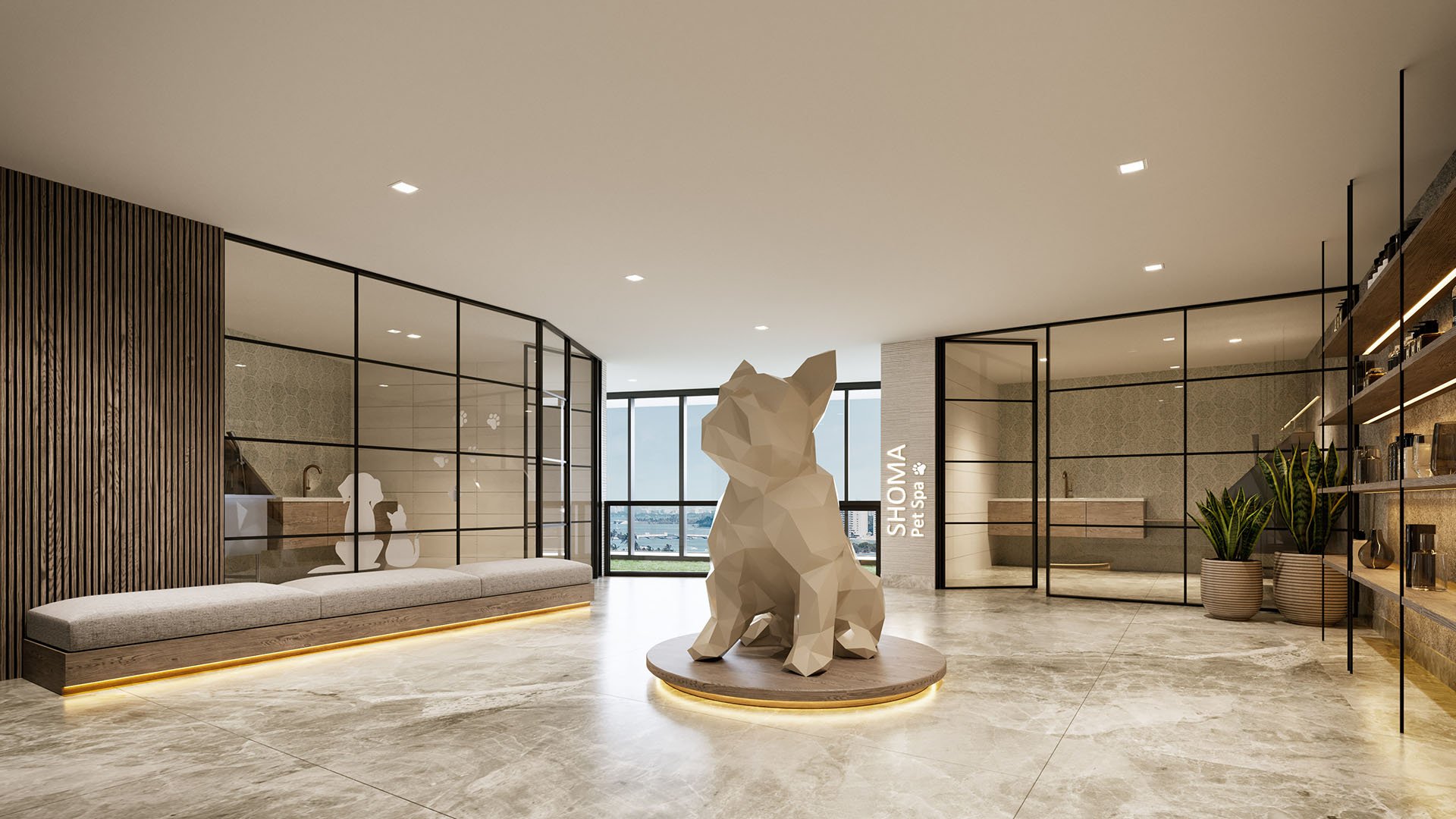
A dog may be walked off-site, but a residence still benefits from on-site pet infrastructure. Relief areas, wash stations, grooming spaces, and designated play zones reduce friction and improve everyday usability. Without them, owners are often paying a premium for a service that remains overly dependent on the street outside.
This matters because staff-led walking should complement on-site amenities, not compensate for their absence. If a building relies exclusively on off-site routes, buyers should inspect the entire journey from elevator to curb. Is there a convenient exit path? Is the route shaded? Does it feel safe and orderly during peak traffic hours? Are there nearby legal walking routes and pet-friendly open spaces?
In Bay-harbor and nearby waterfront neighborhoods, a buyer might think in these terms when considering communities such as Onda Bay Harbor, where the surrounding environment can materially shape the quality of a handler-managed routine.
In South Florida, climate is not a footnote. Heat and humidity should shape the entire walk program. A serious residence will have protocols for early-morning or evening walks during hotter periods, hydration practices, and a clear standard for when outdoor time should be shortened.
This is especially important for buyers comparing Miami Beach, Brickell, and Fort-lauderdale lifestyles. Neighborhood quality influences the dog’s daily experience as much as the building itself. A well-designed tower in a less walkable pocket may deliver less genuine value than a residence with stronger sidewalks, better shade, and closer access to pet-supporting routes.
The surrounding district should therefore be part of any tour. Walk the likely path yourself. Notice pavement heat, traffic intensity, available green pockets, and how intuitive the route feels for a staff member handling multiple responsibilities. In practical terms, the neighborhood is an extension of the amenity.
High-service pet care should feel reassuring, not ambiguous. Buyers should ask what insurance applies if a dog is injured, escapes, or bites someone during a staff-managed walk. Equally important is the incident protocol. Who is notified first? How quickly is an event documented? What after-hours veterinary procedure is in place?
Emergency readiness is one of the clearest dividing lines between premium and performative service. Ask whether walkers are trained in pet first aid and how the property coordinates urgent care if the owner is unavailable. In a truly polished operation, these answers should be immediate and written down.
Access control deserves the same rigor. If staff enter a unit to collect a dog, there should be precise rules governing keys, fobs, scheduling windows, owner authorizations, and reporting. Buyers should request written policies covering missed walks, emergency contacts, incident reporting, and unit access. Discretion matters, but documentation is essential.
Not every premium pet program is included in common charges or rent. Some services are bundled, while others are billed separately by frequency, walk length, or type of handling. Before purchasing, confirm whether daily walks are part of the amenity package or an optional add-on.
For investor-minded owners, the next question is whether tenants receive the same access. Pet services can strengthen leasing appeal, but some buildings limit certain offerings to owners or impose separate registration rules. In a market where lifestyle can drive occupancy, that distinction matters.
A refined program often extends beyond walking to grooming coordination, pet sitting, boarding logistics, or veterinary concierge support. That broader ecosystem is often what makes the service feel convincingly luxurious. One polished walk program is good. A complete pet-care framework is far more persuasive.
The most sophisticated buyers reduce the issue to a few non-negotiables: who handles the walks, how dogs are screened, what insurance applies, whether there is emergency readiness, and how well the building supports the routine with physical infrastructure and neighborhood access.
If the answers are clear, written, and operationally sound, staff-led dog walking can be a genuine luxury amenity. If the answers remain soft, vague, or purely promotional, treat the offering with caution. In the upper tier of residential living, the standard is not whether a dog is allowed. It is whether the service around that dog is worthy of the address.
What is the first question a buyer should ask about staff-led dog walking? Ask whether the service is handled by in-house staff or outsourced vendors, because that affects accountability, oversight, and consistency.
Why does in-house staffing matter? In-house teams often coordinate more closely with concierge, valet, and security, which can make service delivery more consistent.
What details should a walk program spell out? Buyers should see walk length, frequency, one-on-one versus group format, update procedures, and missed-walk protocols.
Should dogs be screened before joining a group walk? Yes. Temperament, size compatibility, and suitability for group handling should be evaluated before participation.
What safety metric matters in group walks? Dog-to-handler ratio is critical because overcrowded groups reduce attention and can compromise safety.
How important is pet infrastructure inside the building? Very important. Relief areas, wash stations, and play space make daily care easier and reduce reliance on outside conditions.
Why is South Florida weather part of the evaluation? Heat and humidity can affect a dog’s safety, so walk timing, hydration, and shortened routes should be built into the protocol.
What liability questions should buyers raise? Ask what insurance and incident coverage apply if a dog is injured, escapes, or causes an issue during a managed walk.
Can dog-walking service affect investment value? Yes. Strong pet amenities can improve leasing appeal, but investors should confirm whether tenants have equal access to the service.
What makes a pet program feel truly luxurious? The strongest programs combine walking with grooming coordination, pet sitting, emergency planning, and concierge-level communication.
To compare the best-fit options with clarity, connect with MILLION.
If branded residences are on your mind — as a home or as an allocation — we would be glad to share what we are seeing, privately.
Begin a quiet conversation