A luxury buyer’s guide to reading a building’s social energy with precision, from space planning and resident mix to staffing, programming cadence, seasonality, and digital tools that keep engagement optional.
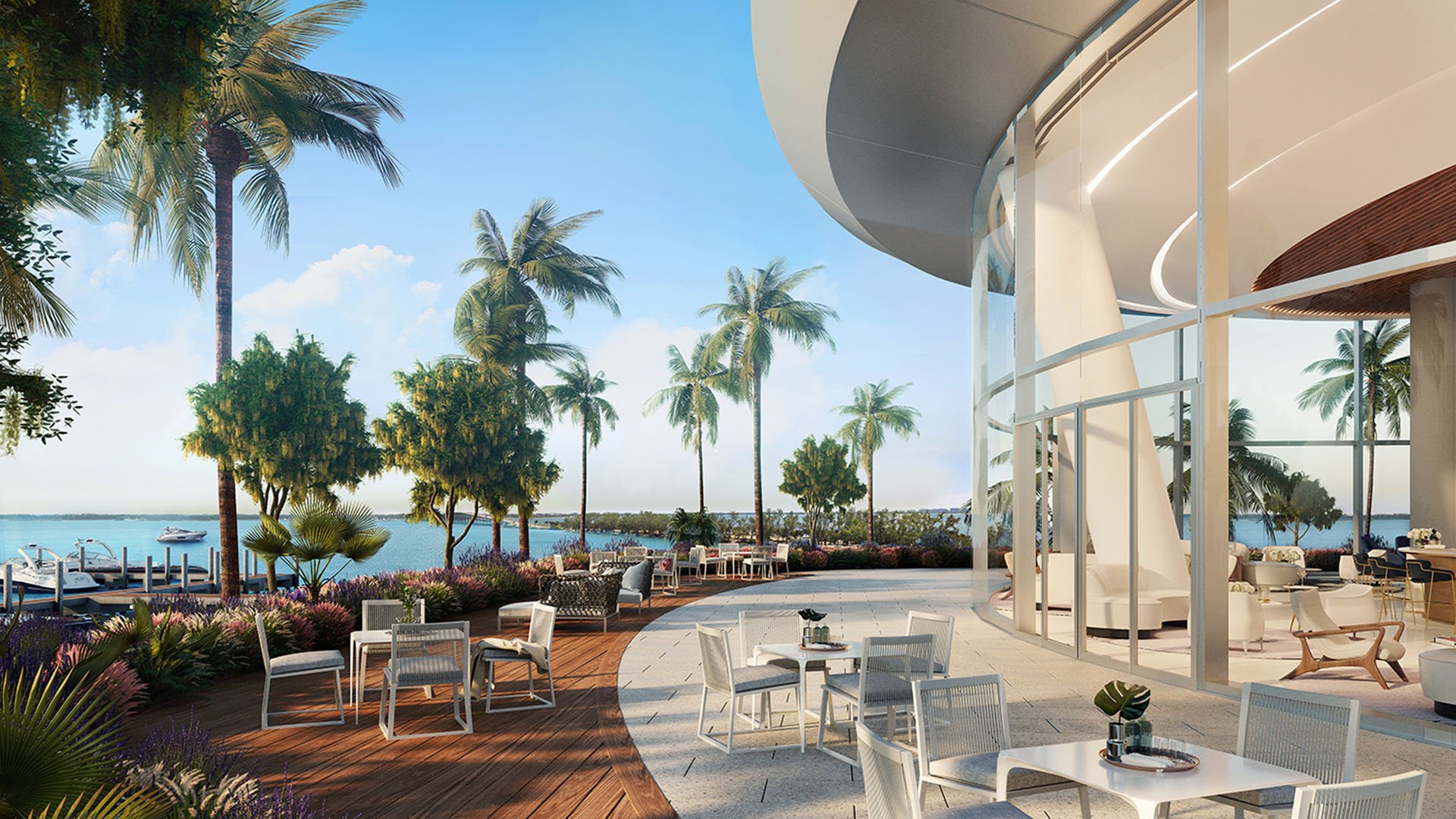
For many South Florida buyers, the real question is more nuanced: does a residence offer access to people, programming, and atmosphere without making participation feel like a full-time obligation? In a refined building, social energy should feel present, not insistent. It should be possible to have a quiet week, an engaged week, or something in between without feeling out of sync with the property.
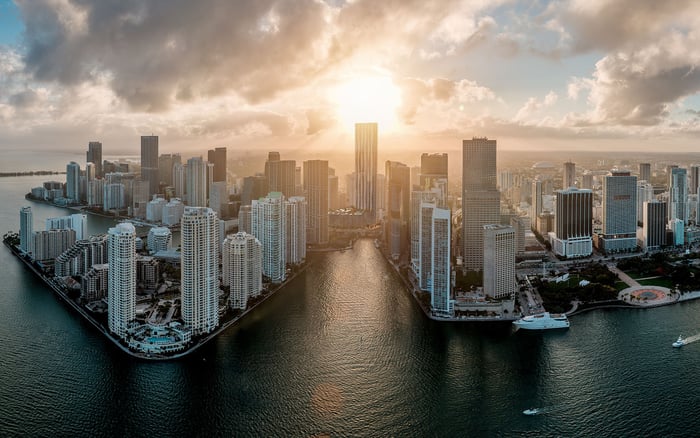
This is especially relevant in markets such as Brickell, Miami Beach, and West-palm-beach, where residential lifestyles vary widely. Some owners want a polished, club-like rhythm with thoughtful introductions and occasional hosted moments. Others want the ability to work privately, maintain wellness routines, and engage only when the mood is right. The strongest buildings accommodate both.
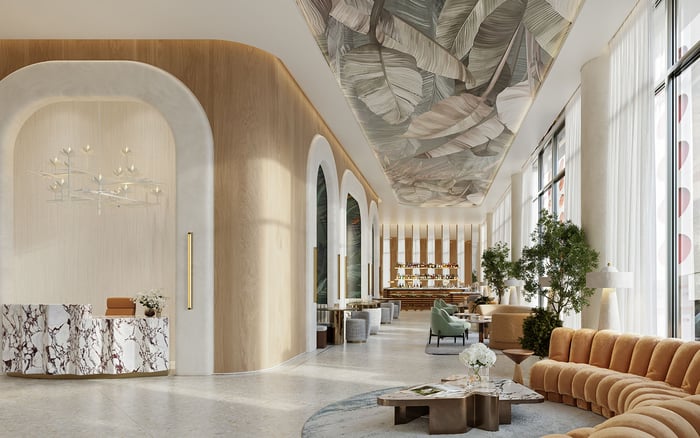
A useful comparison starts with a simple principle: do the common areas create layers of interaction? The best buildings offer private, semi-private, and public spaces, allowing residents to calibrate their own level of contact. A property with only a dramatic lobby and a gym may look impressive on paper, but it often gives residents fewer ways to participate casually. By contrast, residences with lounges, libraries, co-working rooms, private dining rooms, and smaller breakout areas tend to support more voluntary engagement.
That is one reason buyers often study projects such as 2200 Brickell, The Well Coconut Grove, or The Ritz-Carlton Residences® West Palm Beach not only for finish level, but for how lifestyle spaces may shape everyday interaction.
When touring a building, look beyond the existence of amenities and focus on how they are arranged. A residence that offers several scales of contact usually performs best for buyers who value optionality. Solo-friendly spaces support quiet use. Small-group rooms allow intimate interaction. Larger hosted venues create opportunities for events when desired. Together, those layers make social energy feel adjustable rather than overwhelming.
Purpose-built third places matter here. A library, salon lounge, co-working room, or private dining space tends to create a more natural rhythm than a building that relies entirely on a single club room. Flexible rooms are equally important. A multipurpose space can host a morning wellness session, a small networking event, or a wine tasting on different days, broadening the building’s appeal without locking residents into a single social mode.
Placement also matters more than many buyers realize. Buildings with one natural gathering point, such as a central concierge desk or an inviting shared lounge, often create easier, lower-pressure interaction than properties divided by multiple entries and elevator banks. Likewise, mid-building or distributed amenity placement can produce more organic daily encounters than an isolated amenity deck reserved only for destination use.
This is where a buyer comparing Coconut-grove and Bay-harbor product may notice meaningful differences in feel. A project like Arbor Coconut Grove can be viewed through the lens of intimacy and circulation, while Onda Bay Harbor invites the question of how residents move through shared environments and whether those moments feel deliberate or incidental.
Luxury buildings rarely disclose hard utilization metrics, which makes direct questioning essential. One of the most revealing requests is to ask for the last three to six months of programming calendars. Future calendars are easy to idealize. Past calendars show what management actually delivered, how frequently events occurred, and whether the building’s social life is sustained or sporadic.
Look for consistency more than spectacle. A credible calendar includes a mix of fitness, dining, arts, and professional or networking-oriented programming. In South Florida, many luxury buildings are moving toward a more purposeful social model, where wellness sessions and professional gatherings sit alongside traditional cocktail events. That generally signals a community designed for modern residents, not just weekend entertaining.
It is equally smart to ask which events are complimentary and which are fee-based. Paid programming can attract highly committed participants, but it may also reduce spontaneity. If every meaningful event carries a fee, the social environment may feel more transactional than effortless.
A current, credible event rhythm is one of the clearest differences between a building that simply markets lifestyle and one that actually delivers it.
A beautifully designed lounge does not generate community on its own. Dedicated staff are often the factor that turns amenities into lived experience. Buildings with concierge teams or community-management staff focused on programming are typically better at creating curated interaction without making it feel forced.
For a buyer who values discretion, this distinction is critical. The right team can foster introductions, maintain tasteful programming, and keep attendance intuitive rather than aggressive. In a private-club-style environment, that can result in more filtered, selective interaction. In buildings with more open common areas, active management often matters even more because the atmosphere needs constant calibration.
As you tour, ask who handles resident programming, how often events are produced, and whether staff can describe the typical turnout and resident response in practical terms. A vague answer usually tells you something. So does a highly polished answer unsupported by recent examples.
A building’s social energy is not created by architecture alone. Resident profile shapes the atmosphere as much as design. Ask whether the ownership base leans toward primary residents, remote workers, retirees, or highly seasonal owners. Each group creates a different cadence.
Buildings with stronger year-round occupancy generally sustain steadier use of common spaces and more dependable programming. Highly seasonal properties may feel animated at the height of winter and comparatively subdued during off-peak months. In South Florida, snowbird swings can materially change the social rhythm, so management’s adaptation matters. Do they program differently in quieter months? Do they rely on outside partnerships to activate space? If so, does that enhance resident life or shift the energy away from resident-to-resident connection?
This is particularly important if you are comparing a home in Sunny Isles with one in Fort-lauderdale or Aventura. The question is not which market is better. It is which rhythm matches your own. Some buyers want dependable year-round familiarity. Others prefer a season that rises and softens with the calendar.
Resident-facing technology is becoming a meaningful part of optional engagement. Apps for event discovery, amenity booking, and group messaging can lower the threshold for participation. A resident should be able to see what is happening, reserve a space, or join a gathering without multiple steps or social awkwardness.
In practical terms, a good digital layer supports discretion. You can observe before you participate. You can book without calling attention to yourself. You can decide at the last minute. In a well-run luxury building, that convenience does not replace hospitality. It simply makes access smoother.
Some warning signs appear quickly once you know how to look. Very light programming is one. Dated common areas are another, particularly when the design suggests low current use. A building narrative that leans heavily on amenities but offers little evidence of actual resident participation should also prompt caution.
The best social environments in luxury real estate are rarely the loudest. They are the most legible. You can see how residents might use the spaces, how staff support the rhythm, and how a range of personalities could fit comfortably within the same building.
When you want the option to engage without being consumed by it, compare buildings through six lenses: layered spaces, flexible third places, calendar consistency, dedicated staff, resident mix, and seasonality. Then add a seventh: digital ease. If those elements work together, the building is more likely to feel cultivated rather than chaotic.
The goal is not constant activity. It is choice. In luxury living, that is the finer distinction.
What is a building’s social energy? It is the overall rhythm of resident interaction created by spaces, staff, programming, and resident mix.
What is the first thing to compare on a tour? Start with the range of private, semi-private, and public areas, since those layers determine how much control you have over engagement.
Why are third places important in a luxury building? Lounges, libraries, co-working rooms, and private dining spaces make social use feel voluntary and natural rather than staged.
How can I tell if the social calendar is real? Ask to see the last three to six months of actual programming so you can judge consistency instead of marketing language.
Do multipurpose rooms matter more than single-use rooms? Often yes, because they can adapt to different moods, event sizes, and schedules without forcing one kind of interaction.
How does staff affect the atmosphere? Dedicated concierge or community teams can create curated introductions and tasteful events without making the building feel overprogrammed.
Why should I ask about resident profile? A building filled with primary residents will usually feel different from one dominated by seasonal owners, retirees, or remote workers.
Does seasonality change the social feel in South Florida? Yes, many buildings experience noticeable shifts between peak season and quieter months, so management strategy matters.
Can technology make a building feel more social? Good resident apps do not force sociability, but they can make discovering events and joining them far easier.
What is the clearest red flag? Amenities that photograph well but show little evidence of active resident use usually signal weaker social energy.
To compare the best-fit options with clarity, connect with MILLION.
If branded residences are on your mind — as a home or as an allocation — we would be glad to share what we are seeing, privately.
Begin a quiet conversation