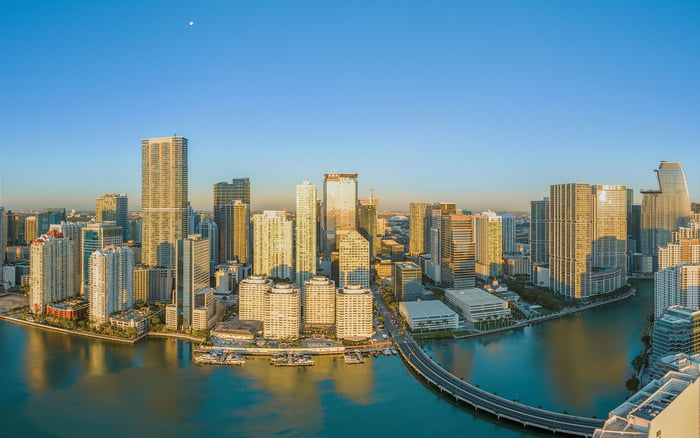
A branded residence can justify a premium, but only when service standards, operator strength, fee structure, and governing documents support the promise over time. For South Florida buyers, the smartest analysis looks beyond the logo to the management agreement, reserve health, occupancy profile, and the durability of resale demand.

In South Florida, branded residences sit at the intersection of hospitality, design, and long-term asset strategy. They often trade at a premium to comparable non-branded properties, but the headline number matters less than the reasons behind it. The real question is not whether a logo can lift value. It is whether the building can sustain the standards that made the premium credible in the first place.
For a discerning buyer, a branded residence should be evaluated as both a lifestyle platform and a legal-financial structure. The arrival experience, the reputation of the hospitality flag, and the promise of anticipatory service all matter. Yet the more durable drivers of value are often found in governing documents, budget assumptions, reserve planning, and the exact terms under which the brand is permitted to operate.
That distinction matters in markets like Brickell, Miami Beach, Sunny Isles Beach, and Fort Lauderdale, where buyers compare not only finishes and views but also operational credibility. Projects such as St. Regis® Residences Brickell, Waldorf Astoria Residences Downtown Miami, Four Seasons Hotel & Private Residences Fort Lauderdale, Bentley Residences Sunny Isles, and The Residences at Mandarin Oriental, Miami show why branding commands attention. The more important question is what remains once the marketing language falls away.
The first diligence test is the service package itself. Branded residences are defined by hospitality-style offerings such as concierge, valet, in-residence dining, housekeeping, and lifestyle coordination. Buyers should distinguish between services included in common charges and those billed on demand. That difference affects both day-to-day ownership costs and perceived value at resale.
A residence that promises a hotel sensibility but delivers only a limited concierge desk will not support the same premium as one with deeper staffing, operational training, and consistent resident-facing execution. Ask for specificity. Is housekeeping included at any level, or available only at an added charge? Is food and beverage service truly in residence, or only available in a more limited format? Are wellness and transportation benefits fixed, seasonal, or discretionary?
Just as important, these service standards should appear in purchase materials and governing documents, not exist only in presentations or sales language. Sophisticated buyers also want to know whether the brand imposes minimum staffing levels, operating protocols, and performance thresholds. A glamorous name is an asset, but only if the operating standard behind it is durable.
Many buyers focus on floor plans and finishes, then move too quickly past the management structure. That is a mistake. In a branded residence, long-term management agreements can materially affect control, fee growth, operational continuity, and future marketability.
A careful review should cover the term of the agreement, renewal rights, termination triggers, performance defaults, cure periods, and what happens if the affiliation ends or changes. Some residences involve several layers of authority at once: the developer, the condominium association or HOA, and the hospitality brand may each hold different rights and obligations. If those relationships are poorly aligned, friction can surface later through budget pressure, service inconsistency, or disputes over brand standards.
The strongest branded residences are usually supported by a management framework that is clear rather than aspirational. Buyers should understand who hires and supervises staff, who bears responsibility for service failures, and whether the brand has the right to exit if operating standards deteriorate. A residence can be beautifully designed and still suffer at resale if the management architecture is opaque.
Premium living often comes with premium carrying costs. In branded residences, recurring fees can be substantial, and they may sit on top of property taxes, insurance, and standard association dues. For that reason, fee-escalation mechanics deserve as much attention as the initial monthly budget.
The refined way to underwrite a branded purchase is to separate emotional value from operating reality. Buyers should review current and projected budgets, reserve funding, and any exposure to special assessments where that information is available. This is especially important in amenity-rich buildings, where spas, pools, valet systems, and high-touch common areas can create meaningful capital demands over time.
Weak reserves can become a resale issue even in prestigious buildings. Future buyers are increasingly sensitive to the possibility of deferred maintenance, underfunded capital accounts, or looming assessments that dilute the apparent value of the brand premium. In practical terms, a well-run branded tower with healthy reserves may outperform a more famous name burdened by unstable expenses.
For purchasers focused on resale, the right comparison is not simply price per square foot. It is price per square foot adjusted for fees, reserve health, service credibility, and any history of management strain.
Not every branded residence should be viewed through the same ownership lens. One of the first legal questions is whether the property is fee-simple or leasehold. Ground-lease structures can affect financing, refinancing, and liquidity in ways that often become more visible later in the ownership cycle than at contract signing.
Rental assumptions also deserve discipline. Some buyers are drawn to branded residences because they associate the brand with strong hospitality income. In reality, rental-program economics may not offset carrying costs once the revenue split, blackout dates, owner usage restrictions, and occupancy assumptions are fully tested. That does not make the asset unattractive, but it does mean it should not be underwritten casually as an investment.
Owner occupancy also influences the resident experience. Buildings with a heavily transient profile can feel more hotel-like than residential, which may appeal to some buyers and deter others. In South Florida, this cultural distinction often matters more at resale than marketing language may suggest. A buyer seeking a second-home environment may respond very differently to a tower with stable ownership than to one dominated by short-term turnover.
Branded residences generally perform best in global gateway cities and mature luxury markets with deep buyer pools. That supports the South Florida story, but it does not eliminate the need for disciplined local analysis. In this region, the most useful resale framework compares days on market, fee burden, reserve strength, service consistency, and any history of disputes or assessments, alongside simpler pricing metrics.
The premium is often strongest when the brand is globally recognized and the operator executes reliably. But premiums can fade if service slips, if management changes, or if the property loses its affiliation. In other words, the brand premium is not permanent. It must be earned repeatedly.
For South Florida buyers, the most practical conclusion is also the clearest. A branded residence deserves a premium only when the service package is explicit, the management agreement is protective, the reserves are credible, and the building culture supports long-term desirability.
Do branded residences always command a premium? Often they do, but the premium is not automatic and depends on brand strength, location, and the consistency of operations.
What should I review first in a branded residence purchase? Start with the service package, governing documents, fee structure, and the management agreement tied to the brand.
Why are management agreements so important? They can affect control, service continuity, brand retention, and the property’s future resale positioning.
Are all branded services included in common charges? No. Some services may be included, while others are offered on an added-fee basis and can increase carrying costs.
How do reserves affect value in luxury buildings? Healthy reserves can reduce the risk of future assessments and help support buyer confidence at resale.
Should I care whether the property is fee-simple or leasehold? Yes. Ownership structure can influence financing, refinancing, and future liquidity.
Can rental income offset ownership costs? Sometimes, but buyers should review revenue splits, restrictions, blackout dates, and usage assumptions before relying on that outcome.
Does the operator matter as much as the brand name? Yes. A well-known flag means less if day-to-day execution and staffing standards are weak.
What makes a branded residence more desirable at resale? Buyers often respond to stable service, manageable fees, healthy reserves, and a durable brand affiliation.
When should a buyer involve counsel? Early in the review process, so key condominium and management documents can be evaluated in time.
To compare the best-fit options with clarity, connect with MILLION Luxury.
If branded residences are on your mind — as a home or as an allocation — we would be glad to share what we are seeing, privately.
Begin a quiet conversation