For South Florida’s luxury buyer, the 2026 resale question is less about predicting the market and more about buying a residence with enduring clarity, scarcity, and future audience depth.
In South Florida’s upper tier, the most sophisticated 2026 buyer is asking more than what to buy. The sharper question is what the next buyer will understand quickly, trust instinctively, and compete for decisively when it is time to resell.
That is the quiet discipline behind resale liquidity. It is not a promise of speed, appreciation, or an effortless exit. It is the practice of choosing a residence whose value proposition remains legible beyond the first emotional purchase. A liquid luxury property has a clear audience, a coherent floor plan, a durable setting, and a building story that does not require over-explanation.
For high-net-worth buyers, liquidity is also a lifestyle question. The right purchase must serve the present with privacy, beauty, and comfort, while preserving optionality for an unknown future. In MILLION shorthand, this conversation sits at the intersection of Resale, Investment, New-construction, Brickell, Miami Beach, and Sunny Isles, because each of those labels changes how a future buyer evaluates depth of demand.
Resale strength is usually shaped at acquisition, long before a property returns to market. The most disciplined buyers consider the exit audience from the first showing. Who is the natural next owner? A primary resident seeking daily convenience? A second-home buyer who values lock-and-leave service? A family looking for a larger plan? An international buyer who wants brand recognition and a simple ownership narrative?
When the answer is too narrow, liquidity can suffer. A highly customized residence may be beautiful, yet harder to translate across buyer groups. A dramatic plan may photograph well, yet disappoint if the primary suite, kitchen, storage, or outdoor space feels compromised. In the ultra-premium segment, rarity matters, but rarity without usability can become a negotiation point.
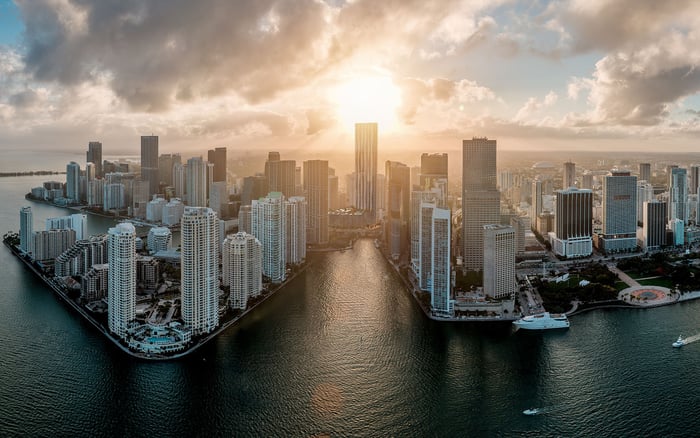
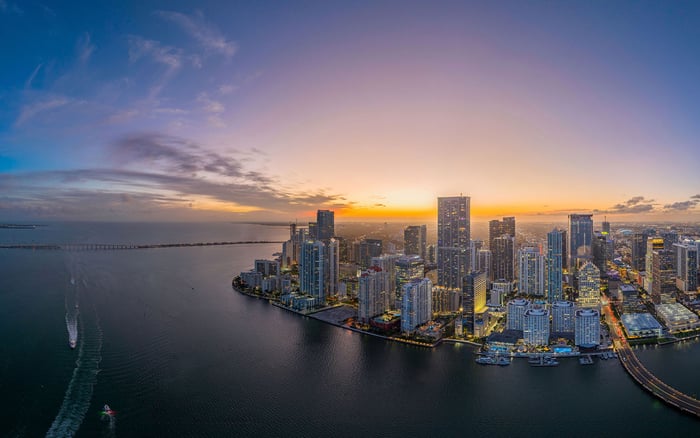
This is why a buyer comparing The Residences at 1428 Brickell with other Brickell options should look beyond immediate finishes. The central question is whether the residence will still feel obvious, functional, and desirable to a future buyer who has alternatives in the same skyline.
New development has a distinct emotional pull. Buyers respond to fresh design, contemporary amenities, branded service, and the chance to select a residence before completion. Yet the premium attached to New-construction should be examined through a resale lens.
A premium is easier to defend when the building offers a clear identity, a floor plan that will not feel dated, and an address narrative that future buyers can understand in a single conversation. It is harder to defend when the value rests only on novelty. Novelty fades. Proportion, light, privacy, and service tend to age more gracefully.
The buyer considering 888 Brickell by Dolce & Gabbana, for example, should think about the enduring power of design recognition and whether that recognition aligns with the likely future audience. A branded residence can create immediate distinction, but the deeper resale question is whether the brand, building experience, and residence type form one coherent proposition.
Luxury buyers often speak in terms of views, finishes, and amenities. Resale buyers, however, tend to become highly practical once they compare options. They ask how the residence lives.
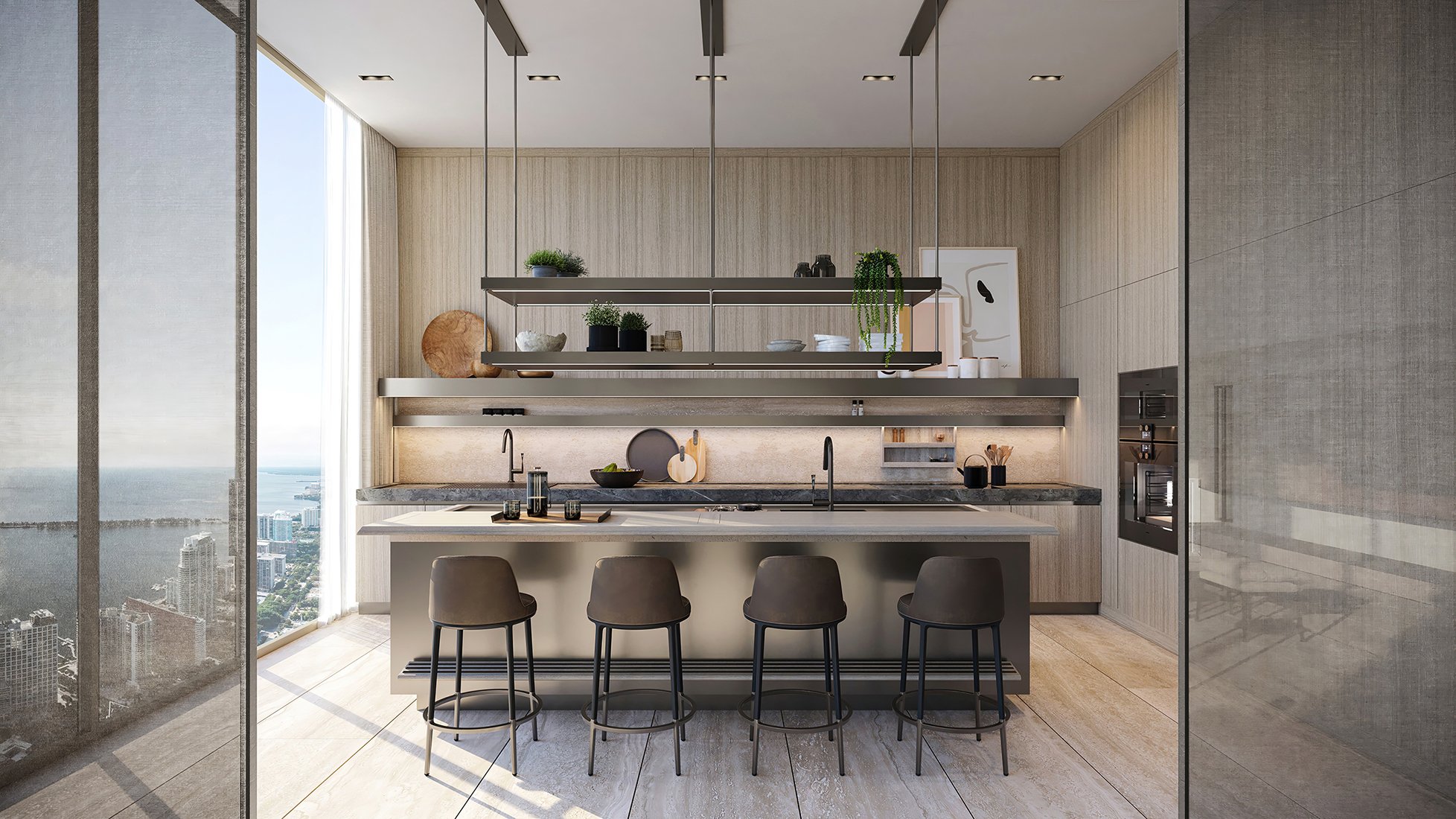
A plan with balanced bedrooms, a gracious primary suite, a usable terrace, intuitive circulation, and adequate storage often has broader appeal than a plan that relies on spectacle. Flow-through units may be compelling when they create light, air, and separation, but the value comes from how they support daily life. High floors can carry emotional weight when views and privacy are meaningful, but height alone is not a strategy.
The best layouts reduce friction. They make furniture placement simple. They allow guests to feel welcome without sacrificing owner privacy. They keep service areas discreet. They avoid awkward leftover space. In a resale setting, these qualities help the next buyer move from admiration to confidence.
South Florida luxury is not one market. It is a collection of micro-markets, each with different buyer motivations. Brickell offers a vertical urban language. Miami Beach carries a resort and cultural identity. Sunny Isles emphasizes oceanfront height and views. Surfside, Bal Harbour, Coconut Grove, Coral Gables, Boca Raton, Fort Lauderdale, and West Palm Beach each present a distinct ownership rhythm.
For Miami Beach buyers, the liquidity question often centers on whether the residence can satisfy both lifestyle and scarcity. A buyer looking at 57 Ocean Miami Beach is considering more than a beach-oriented residence. The more strategic question is whether the offering will remain easy to explain against competing coastal options.
For Sunny Isles, the question may be different. Height, ocean exposure, building services, and large-format residences often matter to the audience evaluating that corridor. A comparison involving St. Regis® Residences Sunny Isles should therefore consider how the residence’s service narrative, plan, and view profile may resonate with future demand.
Amenity packages have become more ambitious, but not all amenities contribute equally to liquidity. Future buyers tend to reward amenities that simplify life, improve wellness, support hosting, or protect privacy. They may discount amenities that feel impressive in a brochure but peripheral in daily use.
The strongest amenity story is integrated. Arrival, valet, security, fitness, pool, spa, owner lounges, guest accommodations, private dining, pet functionality, and service culture should feel like one operating system. The building should not merely offer features. It should reduce complexity.
This matters because a luxury residence competes on time as much as space. The next buyer may have multiple homes, a demanding travel schedule, or a family office managing decisions. Buildings that offer ease can command attention even when buyers are not actively searching.
Liquidity is often less about having the single most dazzling feature and more about having fewer reasons to pause. The future buyer is looking for confidence. They want to understand the building, the view, the plan, the maintenance logic, the service model, and the neighborhood fit.
Objections compound quickly. A compromised exposure, confusing layout, difficult parking experience, limited storage, overly personal design, or unclear building identity can narrow the field of buyers. In the upper market, narrowing the field can matter more than it appears, because the qualified audience is already selective.
A residence at The Delmore Surfside may appeal to a buyer studying privacy and coastal discretion, while a different buyer may favor a more urban tower. Neither instinct is universally better. Liquidity depends on the match between the product and the audience most likely to value it later.
Sophisticated buyers understand that the purchase price is only one part of future liquidity. Terms, timing, deposit structure, customization decisions, and closing costs all shape the owner’s eventual basis. A residence bought with discipline has more room to breathe at resale.
This does not mean every buyer should pursue the lowest price. In trophy real estate, the most obvious residence in the best line may deserve a premium. The question is whether that premium is supported by attributes that will still matter later. If the answer is yes, the buyer has acquired not only enjoyment, but also optionality.
The 2026 buyer should be willing to walk away from beauty that lacks a durable thesis. The most elegant acquisitions often have a simple sentence behind them: this is the residence the next qualified buyer will understand first.
What does resale liquidity mean in luxury real estate? It refers to how clearly and competitively a property may attract qualified buyers when it returns to market. It is about depth of future demand, not a guaranteed sale timeline.
Should resale liquidity matter if I plan to hold long term? Yes. Even long-term owners benefit from optionality, especially if family, tax, lifestyle, or business needs change.
Is New-construction always more liquid than older resale? Not automatically. New-construction can be compelling, but liquidity depends on plan quality, building identity, location, service, and pricing discipline.
Do branded residences improve resale prospects? They can help when the brand aligns with the buyer audience and the building experience feels coherent. A name alone is not enough.
Which floor plans tend to age best? Plans with intuitive circulation, balanced bedroom placement, usable terraces, strong storage, and privacy between owner and guest spaces tend to travel well.
How important are views to resale liquidity? Views can be important when they are protected, memorable, and aligned with the building’s price point. The view should support the full living experience.
Can heavy customization hurt future resale? It can if the design becomes too personal or expensive for another buyer to unwind. Timeless materials and adaptable rooms usually create broader appeal.
Is Brickell different from Miami Beach for liquidity? Yes. Brickell often speaks to urban convenience, while Miami Beach is more closely tied to coastal lifestyle, privacy, and resort sensibility.
Should investors think differently from end users? Investors may emphasize exit depth and pricing discipline, while end users may prioritize daily enjoyment. The strongest purchases often satisfy both.
What is the best first question before buying? Ask who the next natural buyer will be and why that person would choose this residence over its closest alternatives.
For a discreet conversation and a curated building-by-building shortlist, connect with MILLION.
If branded residences are on your mind — as a home or as an allocation — we would be glad to share what we are seeing, privately.
Begin a quiet conversation