A buyer-focused guide to evaluating evening walkability across South Florida’s oceanfront, bayfront, and urban luxury neighborhoods before selecting a residence.
Daytime walkability can be flattering. Sunlight softens long blocks, beach access feels effortless, and a neighborhood’s scale is easier to forgive when cafés are open and valet stands are active. After dark, the same address reveals a more exact truth. Lighting, crossings, ground-floor activity, waterfront edges, and the distance between dinner and home begin to matter differently.
For a South Florida luxury buyer, this is not a minor lifestyle detail. It shapes whether a residence feels like a true daily home, a polished second-home base, or a property best enjoyed with a car waiting downstairs. Oceanfront, bayfront, and city living each offer a distinct evening rhythm. The goal is not to declare one superior, but to understand which setting supports the way you actually live after sunset.
A beautiful tower can sit in a location that is serene by design, animated by nightlife, or somewhere in between. Before comparing finishes, views, or amenities, define your preferred evening pattern. Do you imagine a quiet walk after dinner, a direct path to bars and restaurants, or a private arrival that avoids busy sidewalks altogether?
The most successful buyers test the address at the hours they will use it most. A 6 p.m. weekday walk shows commuter energy. An 8:30 p.m. dinner return reveals restaurant access and lighting. A late weekend visit shows whether the area feels elegant, loud, empty, or overstimulated. None of these impressions should be outsourced to a daytime showing.
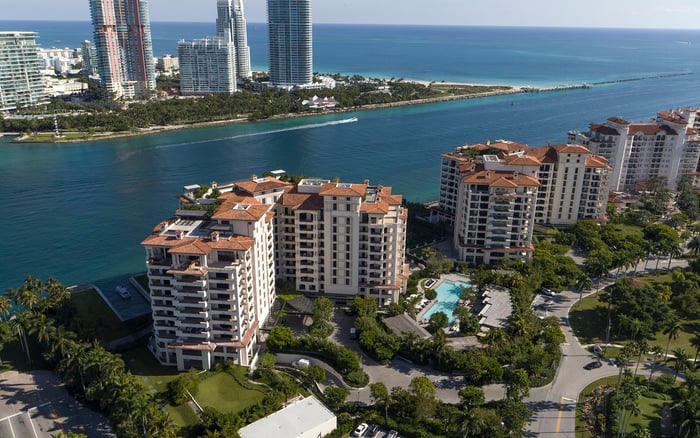
Oceanfront living often offers the most emotionally powerful setting. The sea, the horizon, and the sound of the shoreline create a sense of retreat that city neighborhoods rarely match. For many buyers, that quiet is the point. The after-dark question is whether the walkable environment beyond the building delivers the same standard of ease.
In some oceanfront settings, the best evening amenity is the beach itself, paired with a secure building arrival and a terrace overlooking the water. In others, restaurants and retail may be close enough for a casual evening walk. The key is to inspect the route, not just the distance. A short walk can feel inconvenient if lighting is inconsistent, crossings are awkward, or the streetscape becomes inactive at night.
For buyers considering Surfside, Sunny Isles, or similar coastal settings, the decision often comes down to how much quiet is desirable. Sunny Isles can appeal to those who prioritize tower living, water views, and a resort-style atmosphere, while Surfside may feel more village-like in scale. In both cases, the after-dark walk should feel intentional, comfortable, and aligned with the property’s level of privacy.
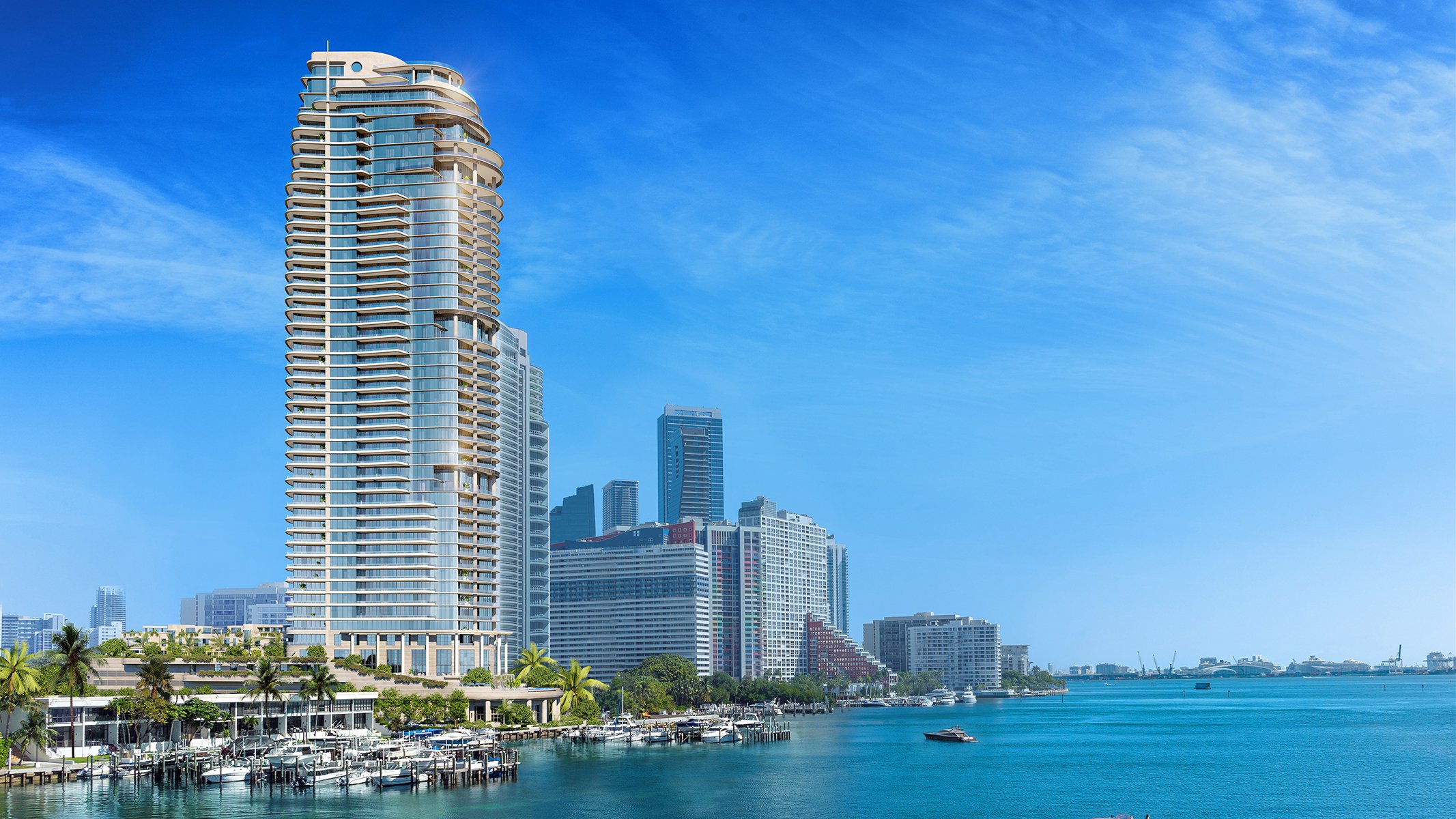
Bayfront living has a different character. It can feel softer and more residential than the ocean, with reflective water, marina energy, and sunset light replacing the drama of the Atlantic. A water-view residence on the bay may offer exceptional beauty without the same beach-oriented traffic patterns.
The walkability test for bayfront addresses is subtle. Look closely at whether the waterfront edge invites movement or simply frames the view from above. Some bayfront enclaves are designed around quiet arrivals, garages, private docks, and low-density streets. Others sit near dining, neighborhood retail, or bridge access to more active districts. Both can be highly desirable, but they serve different evening habits.
A bayfront buyer should ask: can I comfortably walk to dinner, coffee, or a market, or will most evenings begin with a drive? If the answer is a drive, that is not automatically a flaw. It may be the tradeoff for privacy, open water, and lower street intensity. The issue is whether the tradeoff is acknowledged before purchase.
City living offers the clearest walkability advantage after dark. In Brickell, downtown-adjacent districts, and other urban cores, a buyer may be able to move from residence to restaurant, fitness, office, lounge, or cultural venue without relying on a car. That convenience is powerful, especially for owners who value spontaneity.
The counterpoint is sensory discipline. Evening walkability in the city comes with traffic patterns, lighting variation, delivery activity, valet congestion, and a larger mix of residents, guests, workers, and visitors. A prime city address should not only place you near amenities. It should manage the transition from public energy to private calm.
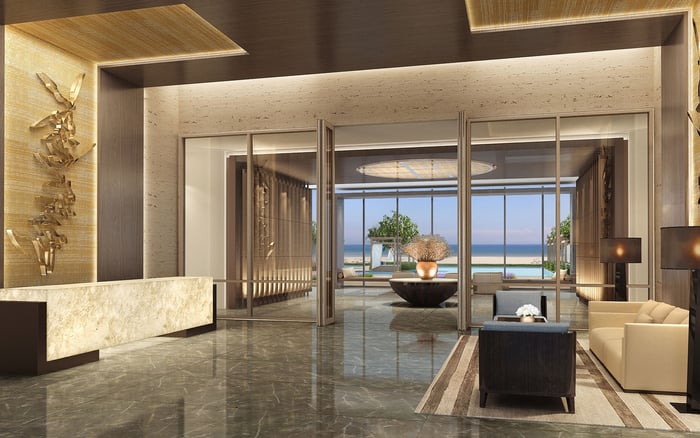
When touring, pay attention to the final two minutes of the walk home. Is the building entrance intuitive? Does the arrival feel composed? Are crossings comfortable? Does the lobby feel like a protected threshold or merely a continuation of the street? The best city residences make activity feel accessible without allowing it to invade the private experience.
Begin with lighting. A luxury neighborhood after dark should feel legible, with clear sidewalks, visible crossings, and building frontages that do not create long inactive stretches. Next, evaluate the pedestrian route from the residence to the places you expect to use most: dinner, coffee, pharmacy, fitness, waterfront path, dog walk, or beach entrance.
Crossings matter more than maps suggest. A route that requires several wide intersections can feel less refined than a longer but calmer walk. Study curb activity as well. Valet operations, rideshare pickups, restaurant queues, and service entrances can all change the evening tone of a block.
Then listen. Noise has texture. Ocean sound, marina movement, restaurant music, traffic, and late-night crowd energy affect the emotional quality of returning home. Finally, test the lobby arrival. For ultra-premium buyers, the approach should feel secure, gracious, and efficient, whether the property is on the sand, on the bay, or in the heart of the city.
Privacy and walkability often move in opposite directions, but not always. The important distinction is between being secluded and being stranded. A secluded address can be magnificent if it offers strong building services, effortless parking, dependable transportation, and a setting that rewards staying in. A stranded address feels inconvenient because everyday needs require friction.
Convenience should also be personal. A buyer who entertains often may value restaurant proximity and guest arrival simplicity. A seasonal owner may prefer a calm base with secure lock-and-leave qualities. A full-time resident may care more about groceries, daily fitness, and evening dog walks than destination dining.
Aventura, for example, may appeal to buyers who want established residential infrastructure and access to shopping and services, while a more intimate waterfront enclave may prioritize stillness over immediacy. The right decision is the one that matches your real weekly pattern, not a generic idea of walkability.
Choose oceanfront if your definition of luxury begins with light, air, horizon, and the ritual of the water. Accept that some evenings may be more private than pedestrian, and confirm that any nearby walkable options feel refined after dark.
Choose bayfront if you want water without the same public beach atmosphere, and if your evenings favor calm, views, boating adjacency, or a quieter neighborhood pace. Confirm whether the bay is part of your daily route or primarily your view.
Choose city living if you want choice at your doorstep and are comfortable with energy as part of the proposition. Inspect how well the building edits the city, because the best urban luxury is not about escaping activity. It is about controlling your relationship to it.
Should I tour a luxury residence at night before buying? Yes. A night visit reveals lighting, noise, sidewalk activity, and arrival quality that a daytime tour cannot fully show.
Is oceanfront living usually less walkable after dark? It can be quieter and more residential, but the experience varies by block. Test the actual route to dining, beach access, and services.
What is the most important after-dark walkability factor? Comfort on the final walk home is essential. Crossings, lighting, curb activity, and the building entrance should all feel composed.
Does city living always mean better walkability? City districts often offer more choices nearby, but buyers should evaluate noise, congestion, and how gracefully the building transitions indoors.
How should I compare bayfront and oceanfront at night? Compare atmosphere as much as distance. Oceanfront may feel dramatic and open, while bayfront may feel calmer and more residential.
Are restaurants within walking distance always a benefit? Not always. Proximity is valuable only if the route feels comfortable and the nearby activity does not compromise privacy.
Should second-home buyers prioritize walkability? Yes, if they plan to arrive without a car or use the residence casually. Otherwise, privacy and services may matter more.
How many night visits are enough? Visit at least once on a weekday evening and once on a weekend night. The difference can be significant.
Can a quiet neighborhood still be luxurious if it is not very walkable? Absolutely. Quiet can be a luxury when supported by strong services, secure arrival, and an intentional lifestyle fit.
What is the best way to shortlist comparable options for touring? Start with location fit, delivery status, and daily lifestyle priorities, then compare stacks and elevations to validate views and privacy.
For a confidential assessment and a building-by-building shortlist, connect with MILLION.
If branded residences are on your mind — as a home or as an allocation — we would be glad to share what we are seeing, privately.
Begin a quiet conversation