A buyer-focused guide to evaluating morning light, sound, access, privacy, and daily rhythm when choosing between beachfront and city residences in South Florida.
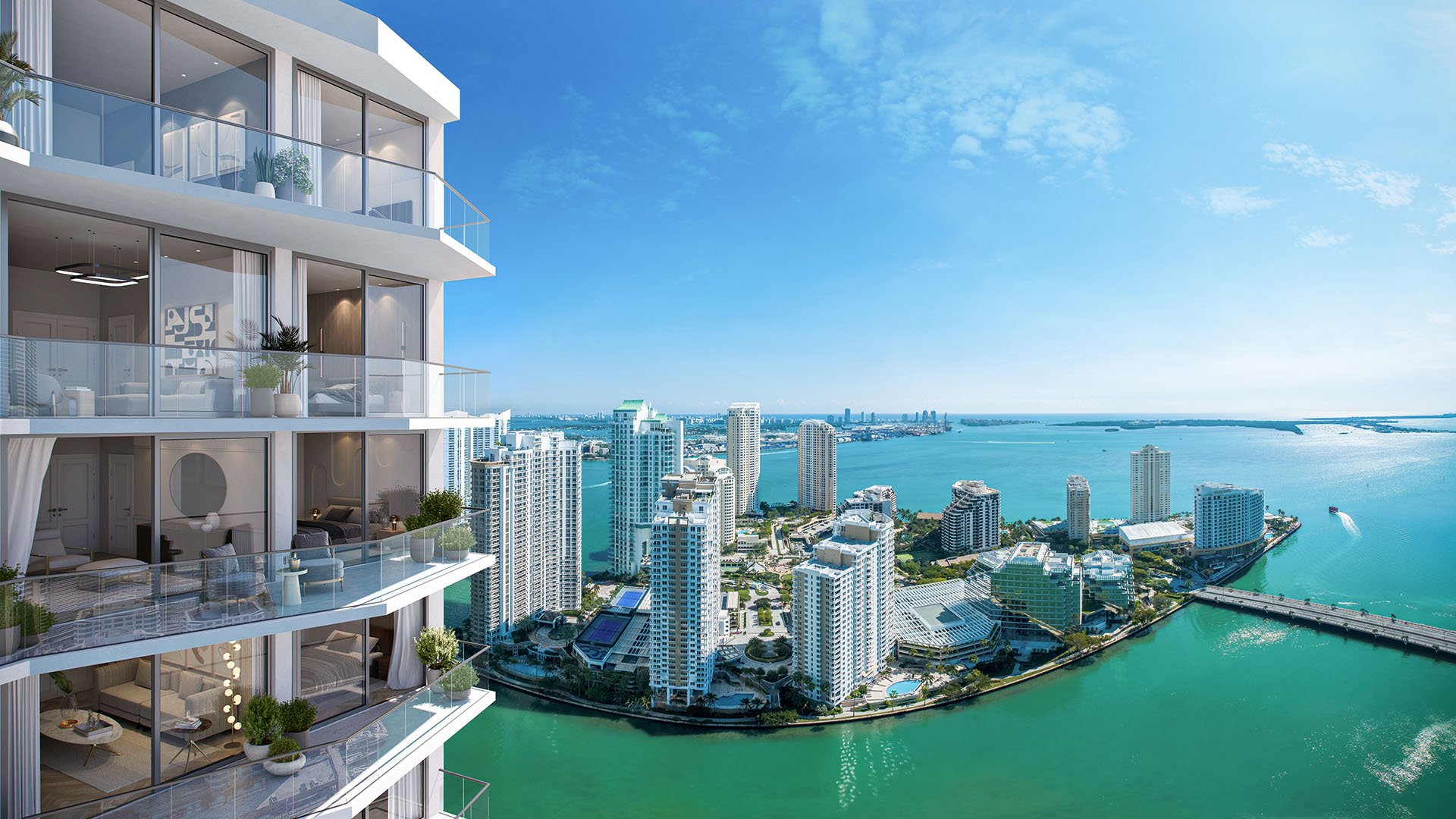
In South Florida, sunrise is not simply a view. It is a daily operating system. The way light enters a bedroom, the soundscape beyond a terrace, the distance to coffee, the privacy of an elevator ride, and the ease of reaching a beach path or office tower can shape how a residence feels before the day has fully begun.
For luxury buyers comparing oceanfront calm with the cadence of Brickell, the most useful question is not which setting is more impressive. It is which setting makes the first two hours of the day feel effortless. A sunrise routine reveals the difference between a home designed for restoration and one designed for momentum.
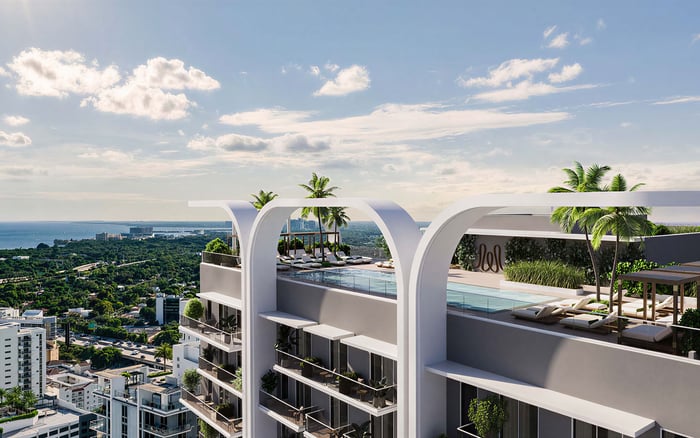
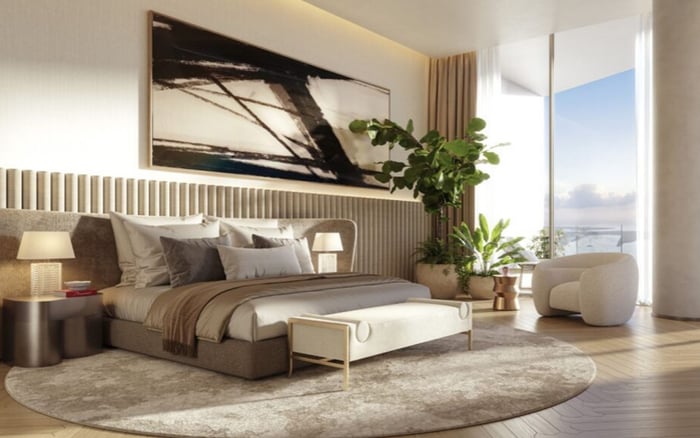
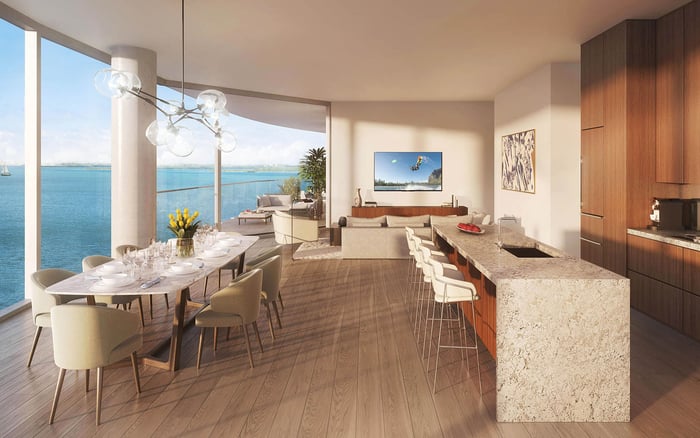
A sunrise view can be direct, filtered, reflected, or peripheral. Beachfront residences often offer a clear eastern horizon, where first light moves across the water before entering living areas. This can create a soft, expansive start to the day, especially in primary suites and breakfast spaces oriented toward the ocean.
City residences behave differently. Morning light may arrive between towers, over bay water, or across glass facades. The effect can be more sculptural and dynamic, with shifting reflections rather than a single horizon line. For some owners, that visual energy is the appeal. For others, it may feel active too early.
When touring, visit at the hour you actually wake. Notice whether the light is gentle or sharp, whether shades are necessary, and whether the view encourages stillness or movement. The best sunrise exposure is not the brightest one. It is the one that supports the rhythm you want.
Sound is often the overlooked luxury variable. At the beach, mornings may include surf, wind, birds, pool preparation, or the distant sound of service vehicles. The emotional register is usually softer, but it is not silent. A residence close to active beach access can feel different from one set in a more private coastal position.
In the city, the acoustic profile is more layered. Elevators, valet movement, traffic, loading areas, nearby hospitality venues, and early fitness activity can all shape the morning. Excellent glazing and thoughtful building design can reduce much of this, but they cannot erase the character of an urban address.
A serious comparison should include a quiet moment on the balcony with doors open, then closed. The difference tells you how the home performs both as a sanctuary and as part of its environment.
For many buyers, the appeal of a beachfront residence is the absence of negotiation. Wake, step outside, watch the horizon, walk the sand, return for coffee. The routine is elemental. It often suits owners who place a premium on wellness, privacy, and a visible separation between home life and the demands of the day.
This is where Miami Beach and Sunny Isles preferences can diverge by personality. One buyer may want architectural calm and immediate access to a historic coastal rhythm. Another may prefer a taller oceanfront setting with wide water views and a resort-like sense of vertical privacy. In both cases, the strongest beachfront routine is one that makes wellness feel automatic rather than scheduled.
Look carefully at the path from bedroom to terrace, from elevator to pool, and from lobby to shoreline. A beautiful sunrise loses value if the daily sequence feels cumbersome.
A city residence is less about retreat from the day and more about command of it. In Brickell, the ideal morning may include a quick workout, coffee within minutes, a short walk to meetings, and a return home before lunch without relying on long drives. The skyline becomes part of the routine, not merely a backdrop.
City buyers should study elevator flow, parking choreography, package handling, valet timing, and lobby privacy. These details matter because the urban morning is compressed. A residence can have superb finishes and still feel inefficient if the first exit of the day involves friction.
West Palm Beach buyers may apply a different urban lens, favoring a refined downtown cadence with proximity to dining, culture, waterfront walks, and a calmer city scale. The central question remains the same: does the residence help you move through the morning with grace?
Privacy changes by time of day. At sunrise, a beachfront terrace may feel completely open to the horizon yet exposed to neighboring balconies. A city residence may feel visually protected by height, but closer to surrounding towers. Neither is automatically more private.
Study sightlines from the primary suite, bath, terrace, and breakfast area. Consider whether morning routines require shades, whether terraces face directly into another residence, and whether the building’s amenity decks sit within view. True privacy is not only distance. It is the freedom to move naturally through the home without adjusting behavior.
The most revealing exercise is simple. Write down your ideal morning in fifteen-minute increments: wake, hydrate, stretch, coffee, swim, calls, school drop-off, office, beach walk, trainer, reading, terrace time. Then test which residence makes that sequence feel most natural.
A beachfront home may win if the morning is about breathing room, horizon, and a slower nervous system. A city home may win if the morning is about control, services, and proximity. A hybrid buyer may prioritize bay or river views, quieter urban pockets, or seasonal use between two residences.
The right answer is rarely abstract. It is bodily. You will know it when the residence allows the morning to unfold without resistance.
Arrive before first light if possible. Watch how staff, residents, and the neighborhood begin the day. Notice whether the lobby feels serene or busy. Listen for mechanical systems, traffic, beach maintenance, dogs, deliveries, and doors. Stand in the kitchen and ask whether breakfast feels intuitive. Open the terrace doors and observe wind, glare, and comfort.
Most importantly, do not confuse drama with livability. A spectacular sunrise can be unforgettable, but a home should perform beautifully every ordinary morning. Luxury is not only the moment the sun appears. It is the ease that follows.
Is a beachfront residence always better for sunrise views? Not always. Beachfront homes often offer direct horizon light, while city homes may provide dramatic reflected light, skyline color, or bay views.
What is the most important feature for a morning routine? Orientation matters, but the full sequence matters more. Bedroom placement, terrace access, elevator flow, and sound all shape the morning.
Should I tour a residence at sunrise before buying? Yes, if morning lifestyle is a priority. A sunrise visit reveals light, sound, privacy, staff activity, and neighborhood rhythm.
How does Brickell compare with an oceanfront address in the morning? Brickell typically favors access, speed, and urban energy. An oceanfront setting usually favors restoration, views, and a slower start.
Does a balcony make a major difference? Yes. A well-oriented balcony can turn sunrise into a daily ritual, especially when depth, wind comfort, and privacy are well resolved.
Are higher floors always better for sunrise routines? Higher floors may improve light and privacy, but they can also increase wind exposure and elevator dependence. The best floor depends on use.
What should wellness-focused buyers prioritize? Prioritize quiet, natural light, easy outdoor access, air quality, and a layout that makes movement, coffee, and recovery feel intuitive.
Can city residences still feel calm in the morning? Yes. Strong glazing, thoughtful layouts, discreet service, and well-managed arrivals can create a calm morning even in an urban setting.
How should seasonal owners compare morning routines? They should consider the months they will occupy the home, their guest patterns, and whether mornings are for retreat, work, or entertaining.
What is the simplest way to decide between beach and city? Choose the residence that best supports your first two hours of the day, not the one that only impresses during a tour.
To compare the best-fit options with clarity, connect with MILLION.
If branded residences are on your mind — as a home or as an allocation — we would be glad to share what we are seeing, privately.
Begin a quiet conversation