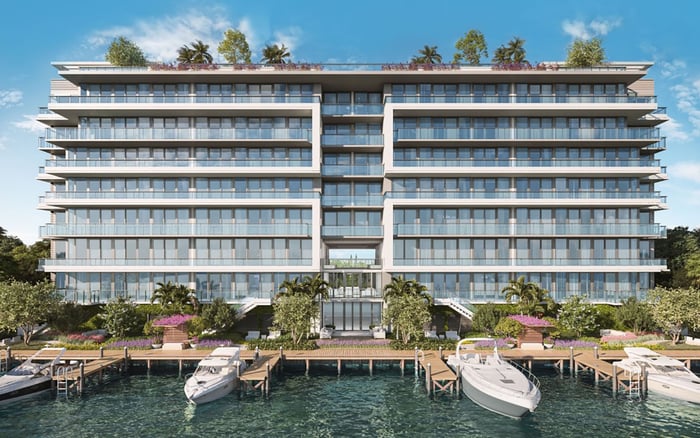
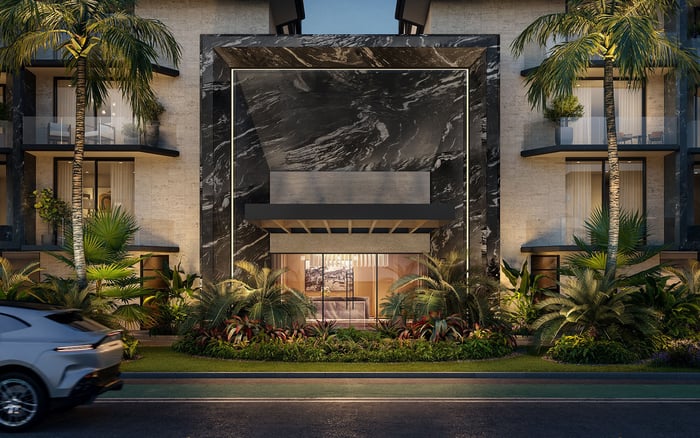
A disciplined La Baia North walkthrough should test the residence, waterfront infrastructure, building resilience, privacy, acoustics, operations, and supporting condominium records.
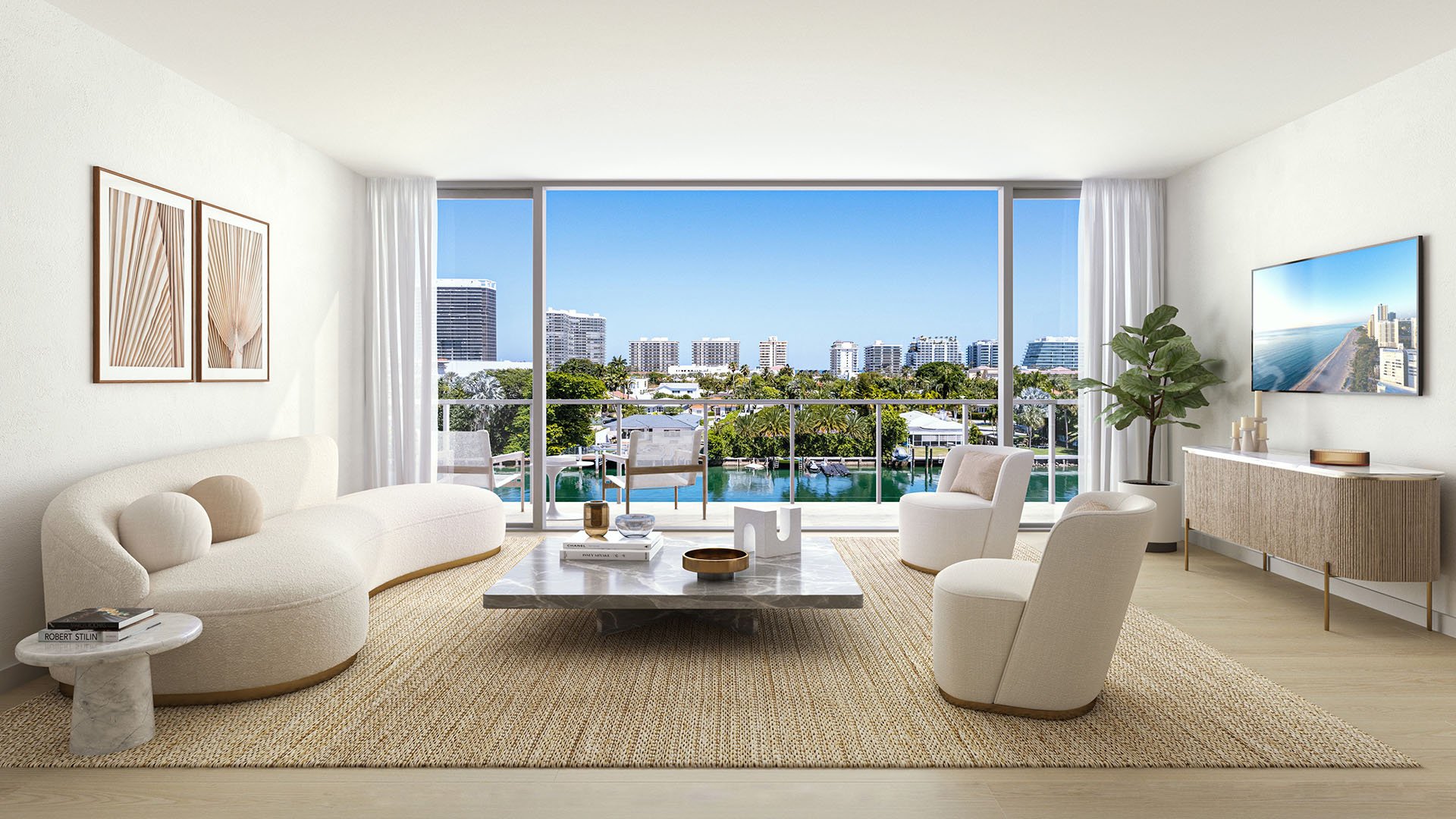
At La Baia North Bay Harbor Islands, polished stone, premium cabinetry, refined appliances, and designer bathrooms should be treated as the opening impression-not the final verdict. The more consequential questions involve construction quality, water exposure, acoustic separation, privacy, resilience, and service delivery.
That distinction matters in a boutique condominium. A smaller residential environment may promise greater discretion, but buyers should verify how that positioning performs in daily life. The ideal walkthrough therefore extends beyond the residence to the building envelope, common areas, garage, mechanical systems, waterfront edge, and surrounding streets. It should also be repeated under less flattering conditions.
Waterfront appeal carries a corresponding inspection obligation. Begin outside the residence by tracing how water could approach and move through the property. Examine garage entrances, lobby thresholds, site grading, drainage paths, and any visible flood barriers. Look for staining, corrosion, patched surfaces, ponding, or changes in level that warrant closer investigation.
Ask where critical mechanical and electrical equipment is located and whether it is elevated or otherwise protected against flooding. Then establish the scope of backup power. The central issue is not merely whether a generator exists, but which elevators, pumps, lights, access-control components, and life-safety systems remain operational during an outage.
These observations are not substitutes for technical review. They are prompts to obtain engineering materials, permits, warranties, insurance information, maintenance plans, and other condominium records before making a purchase decision.
Open and close every accessible exterior door and window. Movement should be smooth, seals should appear continuous, and frames should be checked for visible defects. Evidence of hurricane-rated construction should be confirmed through labels and documentation, not inferred from the weight or appearance of the glazing.
Continue with floors, walls, ceilings, balcony edges, and shared corridors. Cracks, uneven surfaces, staining, corrosion, and signs of water intrusion deserve attention, even when individually minor. Record each location and pattern so a qualified inspector can determine whether the issue is cosmetic, isolated, or potentially connected.
Then stop speaking and listen. Mechanical equipment, elevators, hallway activity, marina operations, and passing boats can create markedly different sound conditions. Test bedrooms as carefully as entertaining spaces, with doors and windows both open and closed. If possible, return at another hour. A serene midday presentation may not reflect early-morning service activity or evening boating traffic.
The bay should be evaluated as an operating environment, not solely as a view. Inspect visible seawalls, bulkheads, docks, and related marine infrastructure. Ask about inspection routines, maintenance planning, and responsibility for repairs. Tides, saltwater, boat traffic, and wake action all belong in the analysis.
Marina proximity can also affect sound, movement, lighting, and privacy. From the terrace and principal rooms, study sightlines toward docks, amenity areas, neighboring residences, and adjacent parcels. Repeat the exercise after switching on the interior lights, when reflective glass and illuminated rooms may alter the privacy equation.
Buyers developing a local comparison set might also tour Onda Bay Harbor and La Maré Bay Harbor Islands. The purpose is not to compare finishes in isolation, but to sharpen judgment about waterfront exposure, arrival, circulation, and the relationship between private and shared space.
Boutique living is ultimately defined by circulation and service. Observe hallway widths, elevator wait times, lobby crowding, package handling, and amenity use. Visit during a busier period if access permits. A building should be assessed while residents, guests, deliveries, and staff move through it-not only during a controlled private appointment.
Test cellular reception and Wi-Fi coverage in the residence, garage, elevators, and common areas. Operate smart-home controls, entry systems, and any resident-facing technology. Ask how cameras, visitor access, deliveries, and service requests are managed. Luxury technology has value only when it is reliable, intuitive, and supported.
Buyers comparing the broader market can include The Well Bay Harbor Islands in the same touring schedule. Those also considering Bal Harbour may add Rivage Bal Harbour while applying consistent evaluation criteria to every visit.
A single staged tour is insufficient for a consequential acquisition. When possible, revisit during rain, high tide, evening hours, or peak amenity use. Walk the surrounding streets and note nearby construction, road conditions, drainage, traffic, and parcels whose future development could alter noise, access, or sightlines.
Create a room-by-room record with photographs and written notes, then separate observed conditions from unanswered questions. A new-construction presentation can be persuasive, but the buyer's file should also address association governance, reserves, insurance, regulatory exposure, planned maintenance, and responsibility for waterfront systems.
The strongest offer is informed by both physical evidence and document review. A walkthrough identifies where to probe; qualified legal, engineering, inspection, and insurance advisers help determine what those observations mean.
What should buyers inspect first at La Baia North? Begin with water-risk planning, including garage entrances, thresholds, grading, drainage paths, and visible flood barriers.
Are luxury finishes a reliable measure of overall quality? No. Finishes are important, but construction, acoustics, resilience, privacy, and operations carry greater long-term significance.
How should windows and exterior doors be tested? Operate each accessible unit, inspect seals and frames, and verify hurricane-related specifications through documentation.
What signs may justify further technical inspection? Cracking, staining, corrosion, uneven surfaces, water intrusion, and recurring defects should be documented for professional review.
Why revisit at a different time of day? Elevator demand, hallway activity, boating noise, lighting, and privacy can change materially from daytime to evening.
What should be reviewed at the waterfront edge? Examine visible seawalls, bulkheads, docks, tide exposure, saltwater effects, boat traffic, and wake action.
How can a buyer evaluate privacy? Check sightlines among terraces, neighboring homes, amenities, docks, and adjacent parcels by day and after dark.
What does backup-power due diligence involve? Identify which elevators, pumps, lights, access systems, and life-safety components remain operational during outages.
Which technology should be tested? Test cellular service, Wi-Fi, smart-home controls, entry systems, cameras, package handling, and resident-service tools.
Which documents should accompany the walkthrough? Review governance, reserves, insurance, engineering materials, warranties, permits, maintenance planning, and relevant financial statements.
If you'd like a private walkthrough and a curated shortlist, connect with MILLION.
If branded residences are on your mind — as a home or as an allocation — we would be glad to share what we are seeing, privately.
Begin a quiet conversation