A discreet buyer guide to evaluating the resident-event calendar at The Ritz-Carlton Residences® South Beach, with questions for families assessing programming, supervision, costs, feedback, and long-term lifestyle fit.
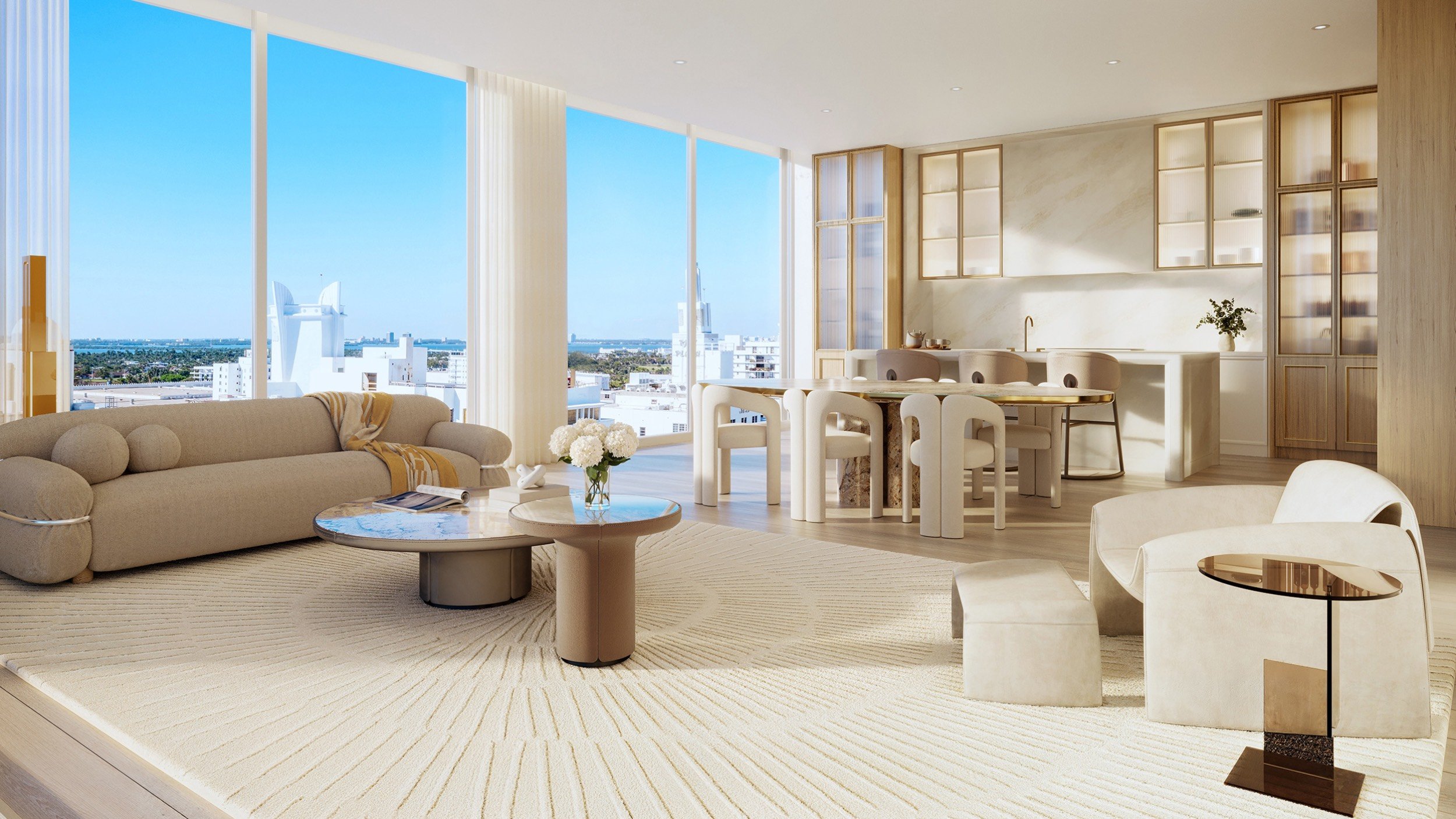
At The Ritz-Carlton Residences® South Beach, family buyers should look beyond finishes, views, service standards, and amenity photography. The resident-event calendar deserves its own due-diligence conversation because it reveals how a residential community lives day to day. In a luxury building, the most meaningful services are often not purely physical. They are also social, seasonal, and quietly operational.
For parents, a calendar is not merely a list of receptions or wellness sessions. It is evidence of whether the residence curates a rhythm that can include children, teenagers, visiting relatives, seasonal owners, and globally mobile households returning to Miami Beach after long intervals away. A strong calendar can help families reconnect quickly with the property and with other residents. A thin or inconsistent one may suggest that programming is treated as occasional decoration rather than as part of the residential experience.
That distinction is especially relevant in South Beach, where culture, restaurants, nightlife, art, beach life, and wellness all press closely against the private residential sphere. The question is not simply whether events exist. The sharper question is whether they are calibrated for a family that wants access to South Beach energy while preserving age-appropriate privacy, security, and ease.
A polished tour can show a buyer the pool, spa, lobby, and entertaining spaces. It cannot always show how often those spaces are activated for residents. Before purchasing, families should ask to preview current programming and a sample calendar from the past 6 to 12 months. That longer view matters because one beautiful month does not establish a dependable culture.
Look for patterns. Are events recurring, or do they appear sporadically? Are there family-oriented gatherings, or is the schedule weighted almost entirely toward adult social functions? Do holidays, school breaks, and peak seasonal periods receive expanded attention? The answers can affect how a residence feels during winter holidays, spring breaks, summer visits, and long weekends, when children may need structure and parents may want effortless ways to meet other households.
For second-home buyers, this question becomes even more important. A family that arrives for select weeks each year may rely on the building to create instant familiarity. A calendar with predictable touchpoints can soften the transition from travel mode to home mode, especially for children who may not attend school locally.
Luxury event programming can look impressive while still doing little for children. Family buyers should ask whether the calendar includes recurring children’s activities, teen programming, holiday events, wellness sessions, and cultural events that are appropriate for a range of ages. Toddlers, school-age children, and teenagers do not share the same needs, and a sophisticated building should understand that distinction.
For younger children, parents may want gentle, supervised, contained activities that do not require major planning. For school-age children, social events can help build peer familiarity. For teenagers, programming may need to feel independent enough to be attractive while still respecting residential rules and supervision expectations. A calendar that treats every child as the same age is unlikely to serve families well over time.
This is also where private-school schedules may enter the conversation. Families who split time between South Florida, the Northeast, Latin America, Europe, or other markets often coordinate around academic calendars, breaks, exams, and travel cycles. Buyers should ask whether programming expands during predictable family-heavy periods rather than only around adult-oriented seasonal events.
The next layer is governance. Buyers should ask who manages the calendar. Is it handled by on-site staff, the association, a lifestyle director, or an outside vendor? The answer can reveal how responsive the calendar is likely to be and how deeply programming is embedded in the building’s operating culture.
An on-site team may have immediate knowledge of resident preferences. An association-led model may reflect owner priorities more directly. A dedicated lifestyle director may bring consistency and creativity. An outside vendor may provide professional execution, though buyers should understand how closely that vendor works with management and residents. None of these structures is automatically superior. The key is accountability.
Families should also ask how feedback is collected. Are residents surveyed? Can owners request certain types of programming? Does the building adjust based on participation? The best calendars are not static. They mature with the community, especially as families age from toddlers to teens and as seasonal ownership patterns change.
The most elegant calendar still requires practical scrutiny. Buyers should ask whether family events are included in association costs or billed separately through participation fees. Either approach may be acceptable, but families should understand the economics before assuming that every event is part of the base residential offering.
Security and supervision deserve equal attention. What procedures apply to children’s events? Are parents expected to remain present? How is guest access handled if a child wants to bring a friend? What liability protocols apply? Are events confined to resident-only areas, or do they intersect with broader hospitality or outside vendor activity? These questions are not signs of distrust. They are signs of a family buyer treating lifestyle as seriously as square footage.
In South Beach, where public vibrancy and private discretion coexist, supervision details can define comfort. A family may love the idea of cultural events, beach-oriented gatherings, or wellness programming, but the execution must align with residential privacy and age-appropriate boundaries.
The calendar can signal whether a building’s community culture is active, family-friendly, and cohesive. Events that help residents meet other families may influence daily livability for both children and parents. In a high-service residence, community does not need to be loud or forced. It can be discreet, periodic, and beautifully organized.
A sparse calendar does not automatically mean poor management, but it should prompt questions. Is limited programming a deliberate resident preference, or does it indicate underinvestment in soft services? Is participation low because owners are highly private, or because the programming has not been thoughtfully aligned with the resident profile? The distinction matters.
For buyers comparing Miami Beach, SoFi, and South of Fifth lifestyle expectations, the resident-event calendar can become a subtle differentiator. Two residences may offer similar physical amenities, yet one may feel more alive to a family because it creates natural points of connection. Another may be more serene but less socially useful. The right answer depends on the household.
Family buyers often evaluate the present moment: a child’s current age, the upcoming season, the next school break, the immediate appeal of South Beach. A more disciplined approach looks 5 to 10 years ahead. Will the calendar still matter as young children become teenagers? Does the building appear capable of evolving its programming as family needs change? Does it support parents as much as children, with wellness, cultural, and social offerings that make ownership feel effortless rather than episodic?
This long view is central for families considering a serious residence rather than a short-term escape. The question is not whether the building can entertain a household for one weekend. It is whether the programming architecture supports repeated returns, changing ages, family friendships, and a sense of belonging.
Before making a decision at The Ritz-Carlton Residences® South Beach South Beach, ask for current and historical calendars directly from the sales team, property management, or association. Review them as carefully as you would review floor plans, association costs, and service protocols. The calendar may be one of the clearest windows into how the residence feels when the tour is over.
Why should family buyers ask about the resident-event calendar? It shows how actively the residence curates everyday life beyond physical amenities. For families, that can influence connection, convenience, and long-term livability.
Should buyers request a sample calendar before purchasing? Yes. Families should ask to review a current calendar and examples from the past 6 to 12 months to understand consistency and seasonality.
What types of events should parents look for? Look for children’s activities, teen programming, holiday events, wellness sessions, and cultural events that are recurring rather than occasional.
Why does age-specific programming matter? Toddlers, school-age children, and teenagers have different needs. A useful calendar should not treat all young residents as one group.
Who should manage the calendar? Buyers should ask whether it is handled by on-site staff, the association, a lifestyle director, or an outside vendor. The important issue is accountability and responsiveness.
Are family events always included in association costs? Not necessarily. Families should ask whether events are included or billed separately through participation fees.
What supervision questions should parents ask? Ask about security, parent attendance, guest access, vendor presence, and liability procedures for children’s programming.
Can the calendar help seasonal families reconnect? Yes. A strong calendar can help globally mobile or seasonal families return to South Beach with immediate structure and social familiarity.
What does a sparse calendar suggest? It may indicate limited resident engagement or underinvestment in soft services. Buyers should ask whether that reflects resident preference or weak programming.
How far ahead should families think when reviewing the calendar? Consider whether programming can support the household over 5 to 10 years, not only the next holiday or season.
For a confidential assessment and a building-by-building shortlist, connect with MILLION.
If branded residences are on your mind — as a home or as an allocation — we would be glad to share what we are seeing, privately.
Begin a quiet conversation