A practical luxury buyer’s guide to evaluating salt-air maintenance across South Florida oceanfront, bayfront, and urban residences before committing to a home.
In South Florida, the choice between oceanfront, bayfront, and city living is often framed as lifestyle: morning surf, sunset water views, marina proximity, or a shorter ride to dinner. Each has its own emotional logic. For a discerning buyer, however, the more revealing comparison begins after the view has made its impression. Salt air is not just atmosphere. It shapes maintenance rhythms, material performance, building systems, and the long-term feel of ownership.
Even the most elegant residence deserves a practical conversation about exposure. Oceanfront homes meet the most direct salt-laden wind. Bayfront properties may feel gentler, but they remain marine environments. City towers farther inland can reduce constant salt exposure, yet introduce other considerations, including traffic particulates, heat, and dense mechanical usage. The right choice is not necessarily the least demanding one. It is the one whose maintenance profile matches the way you intend to live.
Oceanfront ownership delivers the rarest sensory experience: open horizon, immediate beach access, and an uninterrupted relationship with the Atlantic. It also places exterior materials, glass, railings, door hardware, balcony finishes, pool decks, and mechanical equipment closest to the elements. Buyers should look beyond presentation and ask how the building manages routine cleaning, corrosion prevention, waterproofing, and replacement cycles.
For a condominium buyer, the most important questions are often communal. How frequently are exterior glass and railings maintained? How are exposed metal components treated? What is the building’s approach to balcony inspections, façade care, and waterproofing? A beautiful lobby is reassuring, but the maintenance culture behind the scenes is more consequential.
For single-family oceanfront or near-ocean homes, the owner’s responsibility may be more direct. Gates, garage doors, outdoor kitchens, lighting, irrigation components, exterior stone, and roof details all require attention. Oceanfront does not mean fragile. It means materials and service plans must be selected with climate in mind.
Bayfront living often appeals to buyers who want water, boating, and sunset views without the full intensity of direct ocean exposure. The atmosphere can feel calmer, especially along protected shorelines or residential islands. Still, salt air does not stop at the inlet. A bayfront building, marina-adjacent residence, or home with a dock remains part of a marine environment.
The distinction is one of degree and direction. Bayfront residences may be less exposed to direct ocean spray, but they can still experience corrosion around railings, exterior fasteners, mechanical equipment, and waterfront hardscape. If a property includes a marina component, dock systems, lifts, seawalls, lighting, and shore power become part of the ownership review. The water view is an asset, but the infrastructure around the water deserves equal attention.
Bayfront condominium buyers should study how the association handles exterior envelope care, garage ventilation, and areas near water-level amenities. A water view may be the reason for the purchase, but the condition of the components that frame that view will define the ownership experience over time.
City living, particularly in dense neighborhoods such as Brickell, can reduce the intensity of salt exposure compared with direct waterfront sites. That does not mean maintenance disappears. The pattern simply changes. Urban towers may contend with heat retention, high elevator usage, garage circulation, cooling loads, and exterior grime from dense movement below.
For buyers who travel frequently or prefer lock-and-leave living, this trade-off can be appealing. A city residence may offer stronger convenience, dining access, office proximity, and cultural energy while reducing the constant marine exposure associated with oceanfront ownership. The key is to compare not only monthly carrying costs, but also the building’s service discipline. Housekeeping standards, preventive maintenance, reserve planning, and staff responsiveness matter profoundly in a high-use urban setting.
A city buyer should still inspect window systems, balcony drainage, mechanical equipment, and common areas. Distance from the shoreline may lower one form of exposure, but luxury living still depends on invisible systems performing quietly every day.
Begin with the exterior envelope. Glass, frames, railings, sealants, stucco, stone, and waterproofing details reveal how well a building meets its environment. Look for evidence of consistent care rather than cosmetic correction. Clean surfaces are positive; disciplined maintenance records are better.
Next, review mechanical systems. Salt air can affect exterior equipment, while heat and humidity place constant demands on cooling and ventilation. Ask how equipment is protected, serviced, and replaced. In condominiums, understand which systems are the association’s responsibility and which belong to the individual owner.
The balcony deserves its own attention. It is one of the most beloved features of South Florida living, but also one of the most exposed. Drainage, railings, thresholds, tile, waterproofing, and door tracks should all be evaluated. A balcony that feels effortless usually benefits from disciplined maintenance.
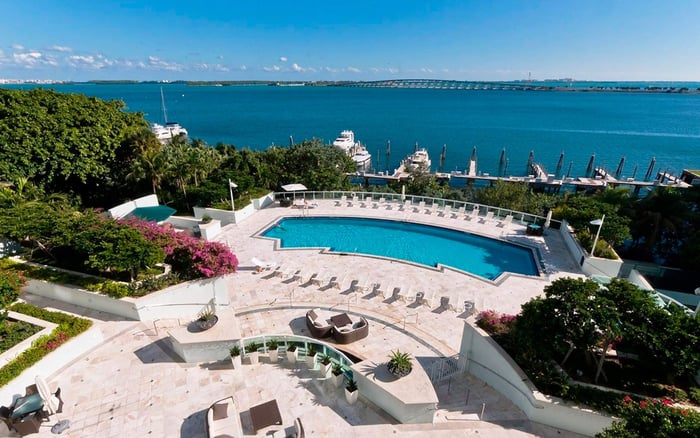
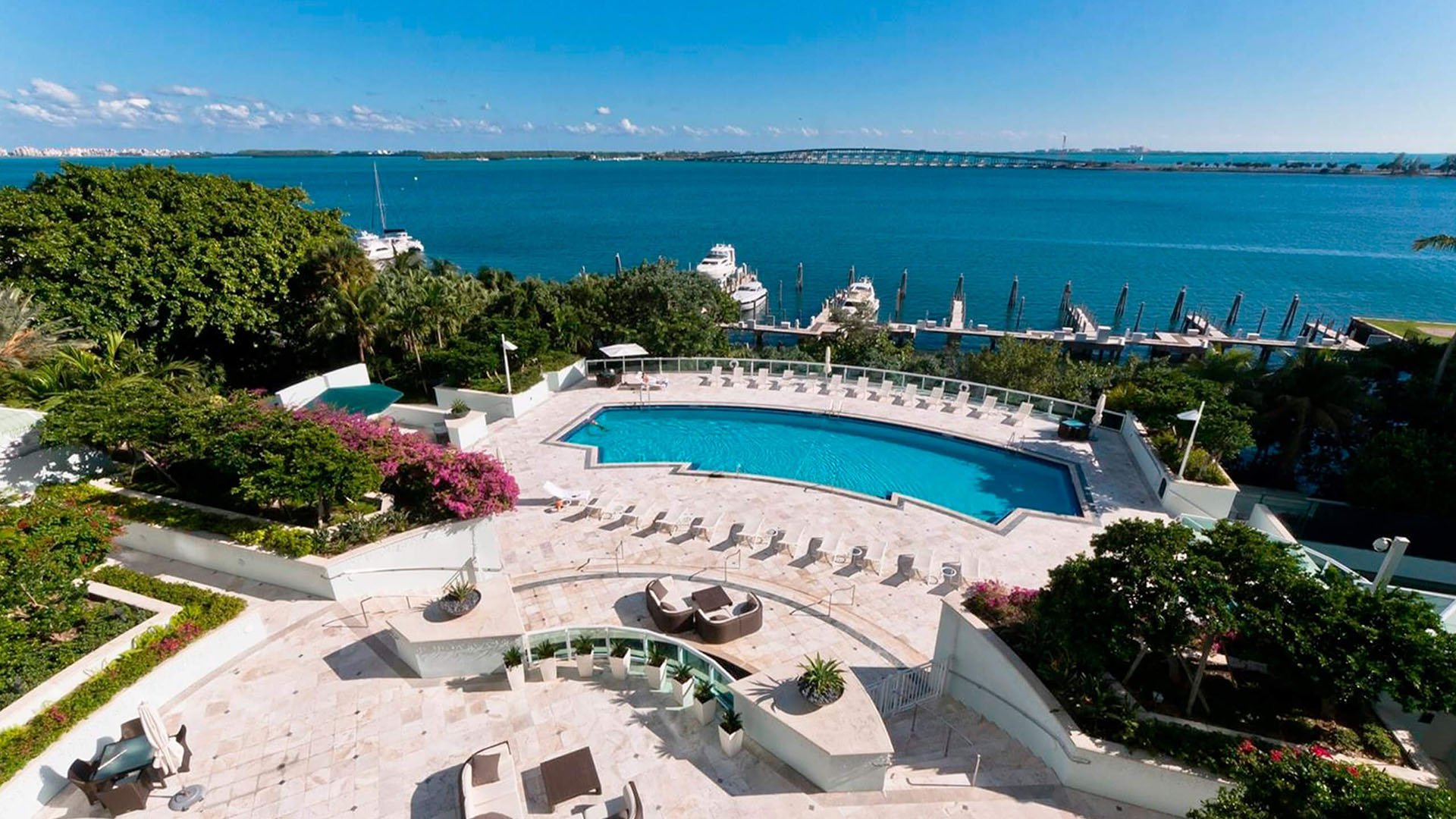
Parking areas are another quiet indicator. Coastal garages and waterfront lower levels can reveal how a property manages humidity, ventilation, and metal protection. Amenity decks also matter. A pool area near salt air or open water needs finishes, furnishings, and equipment selected for the environment.
A buyer should not view maintenance as a penalty. In South Florida’s best residences, it is part of stewardship. The question is whether the property’s requirements match your habits. If you spend every season outdoors, host frequently, and want the sound of the water at all hours, the added care of a coastal address may feel entirely reasonable. If you value simplicity, mobility, and minimal exterior responsibility, a city residence may suit you better.
Compare three categories: predictable routine maintenance, periodic capital items, and personal tolerance. Routine maintenance includes cleaning, service visits, and inspections. Capital items include larger building or property needs that emerge over time. Personal tolerance is more subtle. Some owners enjoy hands-on oversight. Others expect a residence to function with minimal involvement.
In condominiums, association quality is critical. The right building can make a high-exposure setting feel composed and orderly. In single-family homes, the right property manager, vendor network, and maintenance calendar can achieve a similar effect. Luxury is not the absence of maintenance. It is the absence of surprise.
Before choosing among oceanfront, bayfront, or city living, assign each option a maintenance profile. Start with exposure. Is the residence directly on the ocean, near open bay water, canal-adjacent, or set within an urban core? Then evaluate materials. Are finishes marine-grade where they need to be? Are exterior metals, glass systems, doors, and terraces appropriate for the setting?
Next, evaluate governance and execution. In a condominium, study the seriousness of the building’s maintenance culture. In a private home, understand the current service schedule and the likely cadence after closing. Finally, consider how often you will occupy the property. A seasonal residence may require more proactive oversight when vacant, while a primary home allows issues to be noticed earlier.
The best comparison is not oceanfront versus bayfront versus city in the abstract. It is your lifestyle measured against the property’s environment, systems, and maintenance discipline. When those elements align, the address feels serene rather than demanding.
Is oceanfront living always higher maintenance than city living? Often it requires more attention to exterior materials because exposure is more direct, but the quality of building management can make a major difference.
Is bayfront property a lower-maintenance alternative? It may feel less exposed than direct oceanfront living, but bayfront homes still sit in a marine environment and should be reviewed accordingly.
What should I inspect first in a coastal condominium? Focus on glass systems, railings, balcony conditions, exterior maintenance practices, mechanical protection, and reserve planning.
Does a higher floor reduce salt-air concerns? Height can change wind and exposure patterns, but it does not eliminate the need to evaluate exterior systems and maintenance practices.
Are city towers free from salt-air issues? Not necessarily, especially in coastal South Florida, but city properties may face different priorities such as heavy usage, heat, and urban grime.
How important is the balcony in a maintenance review? Very important. It is both a lifestyle feature and an exposed exterior element with drainage, railing, and waterproofing considerations.
Should I compare association fees only by amount? No. A higher or lower fee matters less than what it covers, how maintenance is executed, and whether planning appears disciplined.
What matters most for a marina residence? Review dock infrastructure, seawall condition, lighting, shore power, and the maintenance plan for all waterfront components.
Can a pool deck reveal broader maintenance quality? Yes. Furnishings, finishes, drainage, equipment areas, and cleanliness often reflect how carefully a property is managed.
How should I decide between Brickell and a waterfront address? Compare convenience, exposure, building services, outdoor priorities, and how much maintenance oversight you want in daily life.
To compare the best-fit options with clarity, connect with MILLION.
If branded residences are on your mind — as a home or as an allocation — we would be glad to share what we are seeing, privately.
Begin a quiet conversation