A practical luxury-buyer framework for evaluating terraces, pools, docks, outdoor kitchens, glass walls, and shared amenities as insurable, maintainable, and usable parts of a South Florida asset.
In South Florida luxury real estate, indoor-outdoor entertaining is often the emotional center of the purchase. A wall of glass disappears, the terrace becomes a salon, the pool joins the evening, and the view seems to carry its own premium. Yet the same features that create the most memorable arrival can also carry the most complex risk.
For a disciplined buyer, underwriting begins with a simple reframing: the terrace, summer kitchen, dock, cabana, roof deck, landscaping, lighting, and exterior glazing are not accessories. They are working components of the asset. They affect wind exposure, water intrusion, fire risk, liability, insurance pricing, HOA economics, maintenance schedules, and daily comfort.
The goal is not to diminish the pleasure of the property. It is to avoid paying luxury value for an amenity that is difficult to insure, costly to maintain, restricted by governing documents, structurally unresolved, or uncomfortable on ordinary afternoons.
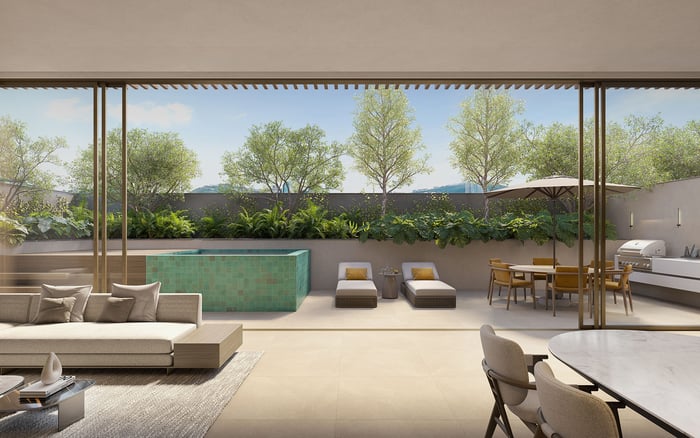
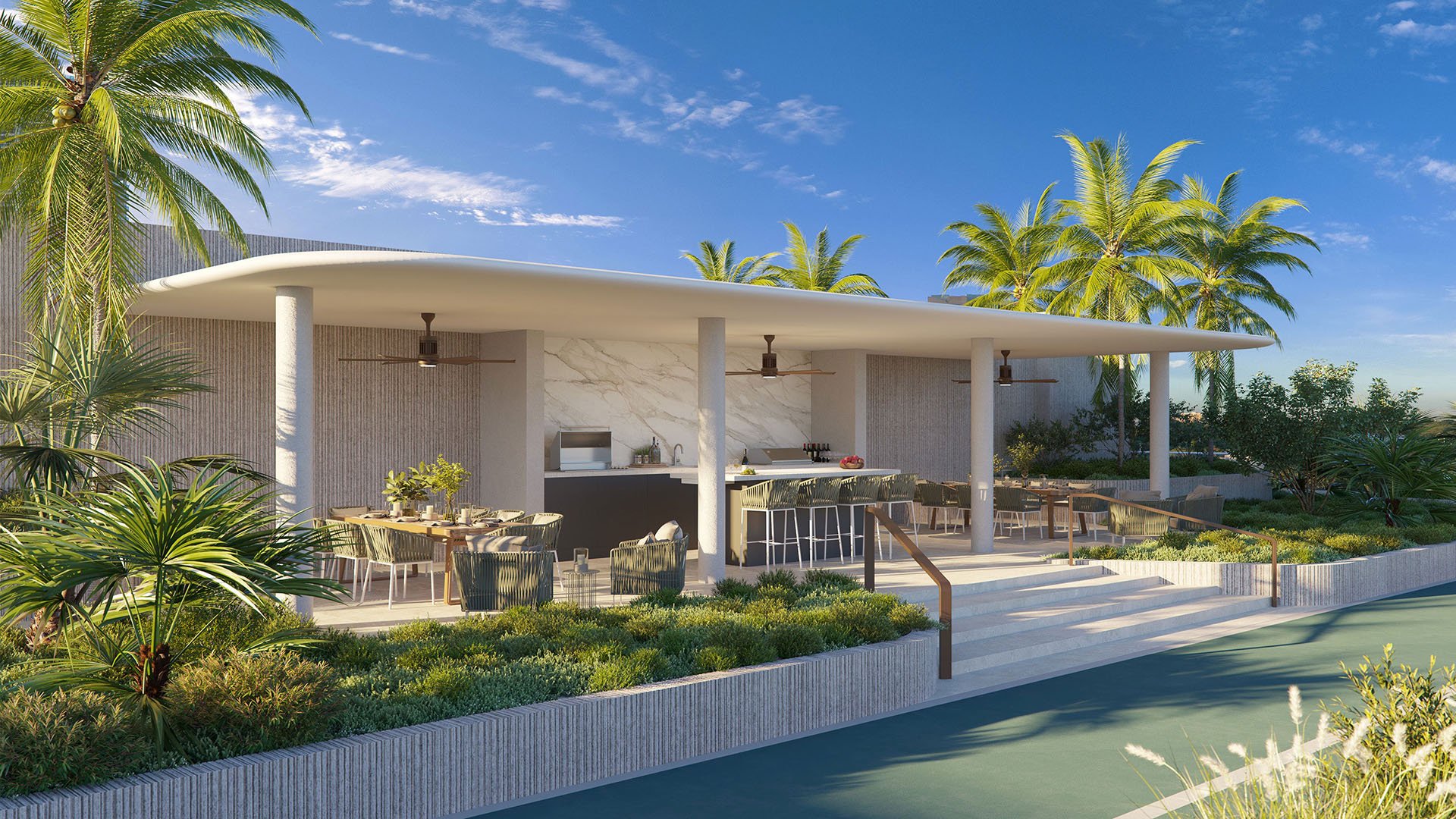
A balcony that photographs beautifully may still demand close review of railings, attachment details, drainage, waterproofing, and wind-driven rain. A terrace with a summer kitchen should be evaluated for fire separation, ventilation, appliance exposure, waterproofing below, and whether the grill location creates risk near walls, railings, eaves, or overhanging landscape.
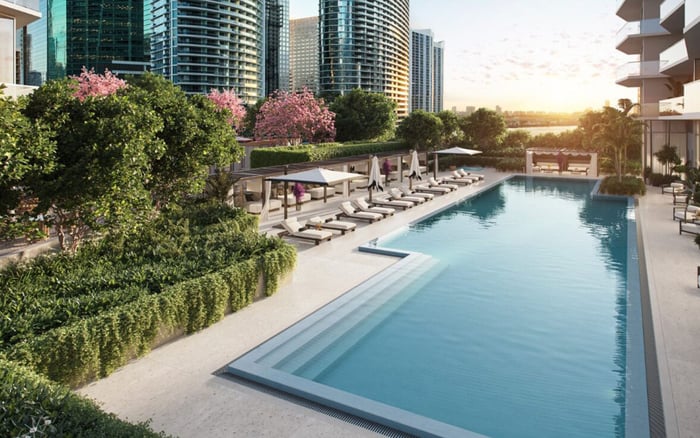
A pool is not merely an amenity line item. It raises questions about safety barriers, alarms, visibility from interior rooms, guest supervision, lighting, and after-hours access. Where entertaining capacity is large, personal liability limits and umbrella coverage belong in the value conversation, not at the margins.
For waterfront homes and buildings with a marina lifestyle, docks, seawalls, boat lifts, ground-floor lounges, storage areas, and exterior mechanical systems require separate scrutiny. Wind and storm surge are not the same risk. A property may have strong glazing and still face coastal inundation that affects outdoor kitchens, dock systems, pool equipment, and low-lying service areas.
Oceanfront exposure should be valued with precision. It may deliver one of the market’s most coveted settings, but it can also intensify maintenance, salt exposure, wind loads, flood risk, and insurance questions. The buyer’s model should make room for both the romance and the operating reality.
In South Florida, hurricane underwriting is not simply a question of whether a storm is likely in a given year. The better question is how the property behaves under wind, wind-driven rain, storm surge, inland flooding, and drainage stress.
Flood exposure should be evaluated independently from standard homeowners coverage. Typical homeowners and renters policies do not cover flood damage, so a buyer should not assume that a broad property policy resolves all water risk. Flood maps can establish a baseline, but they are only one tool. Elevation, drainage, recent neighborhood flooding, garage design, mechanical placement, and the route water would take through an outdoor entertaining level can matter just as much.
For glass-heavy residences, documentation matters. Impact-rated glazing, door systems, roof assemblies, shutters, skylights, roofing systems, structural components, and waterproofing should be confirmed through documented approvals and installation records. Phrases such as hurricane-ready are not underwriting. Product documentation, permits, installation details, and wind mitigation features are.
Before assigning a premium to an outdoor environment, map every exterior feature and ask how the policy treats it. Docks, seawalls, detached cabanas, outdoor kitchens, pool equipment, solar features, landscaping, exterior lighting, guest houses, and specialty structures may be covered, excluded, sublimited, or require endorsements.
This is especially important where the entertaining plan extends beyond the building envelope. A chef’s grill station, fire feature, dockside bar, or garden pavilion may be central to how the home is marketed, but the insurance contract may treat each one differently. The buyer should confirm replacement-cost treatment, deductibles, exclusions, named-storm terms, flood requirements, and liability exposure before closing.
Wind mitigation features can influence both insurability and pricing. Roof shape, opening protection, secondary water resistance, roof-to-wall connections, and other hardening details should be part of the diligence file. In a luxury setting, the underwriting question is not only whether the feature exists, but whether it is properly documented.
For condominium buyers, shared outdoor amenities require a second layer of underwriting. Pool decks, amenity roofs, garages, terraces, structural slabs, waterproofing systems, railings, and exterior façades are not just lifestyle features. They are common elements that can influence monthly fees, reserves, insurance obligations, and special-assessment risk.
Florida condominium rules make structural condition and reserve planning a direct buyer issue for certain buildings and major components. A polished amenity deck is not enough. Review budgets, reserve schedules, meeting minutes, insurance disclosures, pending litigation, recent engineering materials, and the association’s approach to structural-integrity obligations.
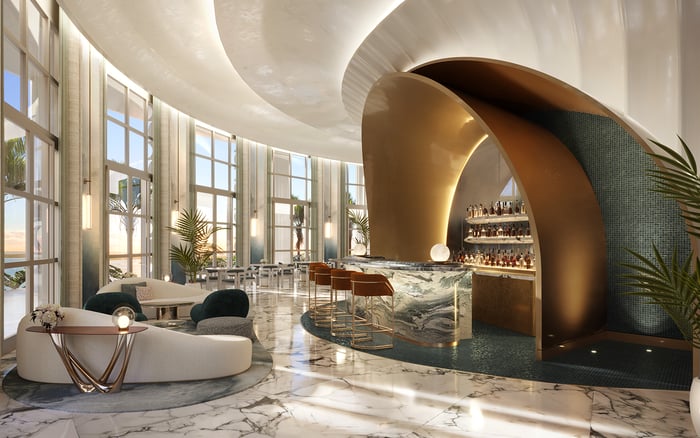
A Brickell buyer may be comparing skyline views and resort-style decks, but the value assignment should include what the association must maintain and how those obligations are funded. If a rooftop lounge, pool deck, or garage slab needs work, the cost can surface through dues, reserves, or assessments.
For HOA-governed single-family homes, the analysis shifts to recorded governing documents. Exterior alterations, outdoor structures, landscaping, rentals, noise, event use, lighting, parking, and guest patterns may be restricted. A buyer who imagines large-scale entertaining should know whether that use is permitted before underwriting the home as an event-friendly residence.
The strongest entertaining spaces work even when no one is hosting. Daily-use underwriting asks whether the outdoor area is comfortable at breakfast, after school, in August heat, after a rainstorm, and on a quiet weekday evening.
Shade, heat, insects, privacy, acoustics, lighting, bathroom access, parking, service routes, storage, trash flow, and proximity to neighbors all affect real use. A terrace without shade may be dramatic at sunset and punishing at noon. A pool deck without discreet service access may feel less effortless than the renderings suggest. A summer kitchen that requires constant cleaning, appliance servicing, and storm preparation should be treated as an operating system.
Recurring costs belong in the purchase model. Pool service, landscaping, pest control, exterior cleaning, outdoor appliance maintenance, storm preparation, furniture storage, and post-storm cleanup are not incidental in South Florida. They are the cost of keeping the lifestyle usable.
Start with hazard exposure: wind, wind-driven rain, flood, storm surge, drainage, elevation, and mechanical placement. Then move to documentation: permits, product approvals, impact glazing, roofing, shutters, waterproofing, and structural details for decks, balconies, and terraces.
Next, test insurance language. Confirm what is covered, excluded, sublimited, or dependent on endorsements. Ask whether liability limits fit the way the property will actually be used, particularly where pools, alcohol, guests, docks, and large gatherings are expected.
Then review association economics or HOA restrictions. For condos, study reserves, budgets, insurance disclosures, meeting minutes, engineering issues, and assessment history. For single-family communities, read the governing documents against the intended lifestyle.
Finally, spend time on the property as if you already owned it. Listen for road noise. Check afternoon heat. Walk the service path. Stand where guests would stand. Imagine a storm-preparation day. The underwriting is complete only when the space is insurable, structurally credible, association-compliant, financially modeled, and pleasant to use.
Should I value an outdoor kitchen the same way I value interior square footage? No. It may enhance lifestyle value, but it also brings fire, weather, maintenance, and insurance questions that interior space does not carry in the same way.
Does standard homeowners insurance cover flood damage to outdoor areas? Typical homeowners coverage does not cover flood damage, so flood protection should be evaluated separately from the main property policy.
Why do glass walls require special diligence? Large exterior openings are central to wind and water performance, so buyers should request documentation for impact-rated systems and proper installation.
What should I review for a rooftop terrace? Focus on structural support, waterproofing, drainage, guardrails, attachment details, and how the building maintains the area over time.
Can HOA rules limit entertaining? Yes. Governing documents may restrict noise, rentals, events, exterior lighting, landscaping, guest parking, and outdoor modifications.
Why do condo reserves matter to outdoor amenities? Shared decks, roofs, garages, pools, and façade systems can require major funding, which may affect monthly fees or assessment risk.
Should waterfront buyers separate wind and surge risk? Yes. Wind can damage the building envelope, while surge and coastal flooding can inundate docks, equipment, storage, and ground-floor spaces.
When is umbrella insurance relevant? It becomes important when pools, docks, alcohol, guests, staff, or large gatherings could create claims above ordinary liability limits.
What daily-use issues are most often overlooked? Shade, insects, privacy, acoustics, lighting, bathrooms, parking, service access, and cleanup logistics often determine real enjoyment.
What is the simplest rule before paying a premium for entertaining space? Do not assign luxury value until the amenity is insurable, permitted, structurally sound, HOA-compliant, maintainable, and usable.
To compare the best-fit options with clarity, connect with MILLION.
If branded residences are on your mind — as a home or as an allocation — we would be glad to share what we are seeing, privately.
Begin a quiet conversation