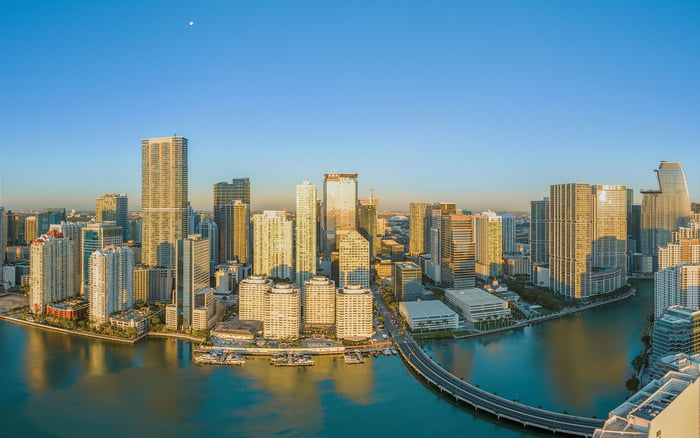
A prized South Florida view line is not judged by panorama alone. Morning softness, late-day glare, reflected brightness, terrace materials, and existing solar-control upgrades all shape whether a residence feels serene or punishing in daily use. This MILLION guide explains how discerning buyers can compare orientations, test real comfort at different hours, and evaluate the true operating cost of a beautiful exposure before committing.
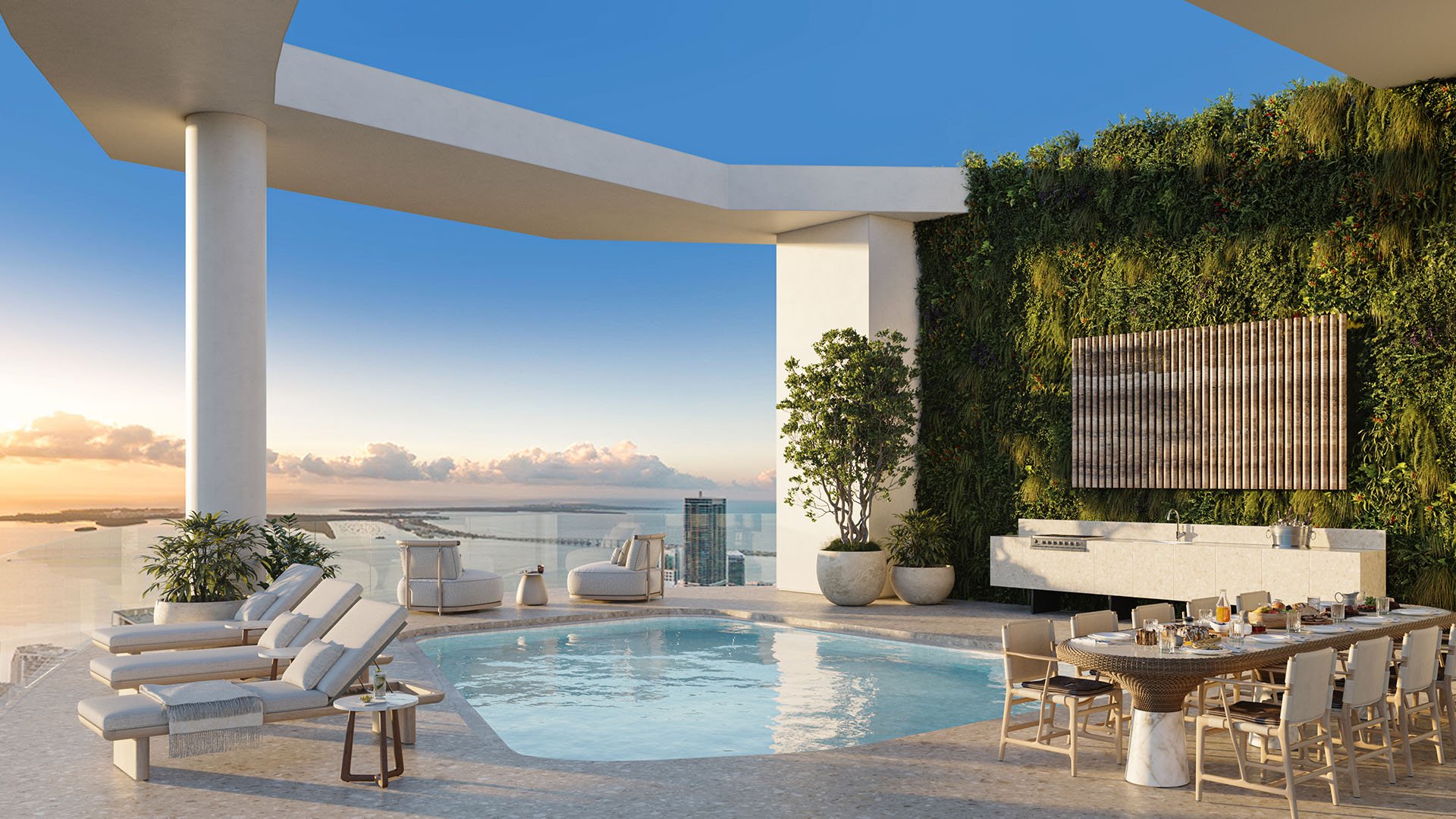
In South Florida, buyers often begin with the panorama and only later discover the atmosphere of the apartment itself. A glittering bay vista may feel perfectly composed at 9 a.m. and aggressively bright by 4 p.m. A terrace that seems inviting on a winter tour can become noticeably hotter in summer, even before sunset. The most sophisticated purchase decision is not simply about height or scenery. It is about how light behaves in the residence during the hours you actually plan to occupy it.
That distinction matters more here than in many other luxury markets. A coveted west line that delivers cinematic evening water views may also carry the strongest late-afternoon heat gain, while an east line often offers a gentler start to the day and avoids the harshest solar load later on.
For buyers comparing waterfront towers in Brickell, Miami Beach, Sunny Isles Beach, or Coconut Grove, the goal is simple: judge the view line as a living environment, not a photograph.
Compass orientation remains the clearest first filter. East-facing homes generally bring softer morning light, then settle into easier conditions once the sun moves past midday. West-facing homes are the opposite proposition: dramatic sunsets, yes, but typically with more glare and more heat entering through glass and across terraces later in the day.
South-facing exposures tend to receive substantial direct sun, while north-facing lines usually experience more diffuse light and less direct glare. That does not make north automatically superior or south automatically difficult. It means each orientation has a rhythm, and that rhythm should match the way you live. If breakfast on the terrace is part of the ritual, an east line may feel ideal. If the residence is primarily used for evening entertaining, a west line deserves a more exacting comfort test.
This becomes especially relevant in buildings with extensive glazing and outdoor rooms, including Una Residences Brickell, Aria Reserve Miami, and The Perigon Miami Beach. Architecture can frame the horizon beautifully, but orientation still dictates how the residence performs in daily life.
One of the clearest mistakes buyers make is seeing a unit once and assuming the impression will hold all day. It rarely does. The post-midday period is especially important when evaluating glare, brightness, and interior heat buildup.
Morning tours are useful for judging softness, depth of natural light, and whether the home feels tranquil rather than dim. Late-afternoon tours reveal something more critical: whether the glass starts to radiate warmth, whether reflections become visually fatiguing, and whether the terrace remains a place to linger.
A practical rule for a premium purchase is to visit the same line at least twice, once in the morning and once later in the afternoon. If possible, add a dusk visit. Dusk shows whether a terrace is still releasing stored heat even after the strongest direct sun has eased. In South Florida, concrete, tile, and pavers can hold warmth, so the hottest moment underfoot may arrive later than a buyer expects.
In towers with broad exposures, that sequence of visits can reveal the difference between photogenic light and truly livable light.
Direct sun is only part of the equation. Reflected light is often what makes a glamorous view line unexpectedly difficult. Water-facing homes can experience amplified brightness because sunlight bounces off bay and ocean surfaces and adds another layer of glare. The effect can be lovely at a distance and exhausting when it fills the room.
Nearby glass towers can create a second complication. A neighboring facade may reflect light onto your windows or terrace during the very hours you intend to use them. This is why a residence should be tested not only for its compass exposure, but also for what surrounds it. A nominally comfortable line can become far brighter if another building acts like a mirror.
For buyers considering waterview residences in districts with dense new development, that secondary reflection deserves close attention. Stand on the terrace, then step back into the living room and study how the brightness shifts across the flooring, walls, and seating areas. If the room becomes visually fatiguing in late afternoon, it will not matter how perfect the horizon appears in listing photography.
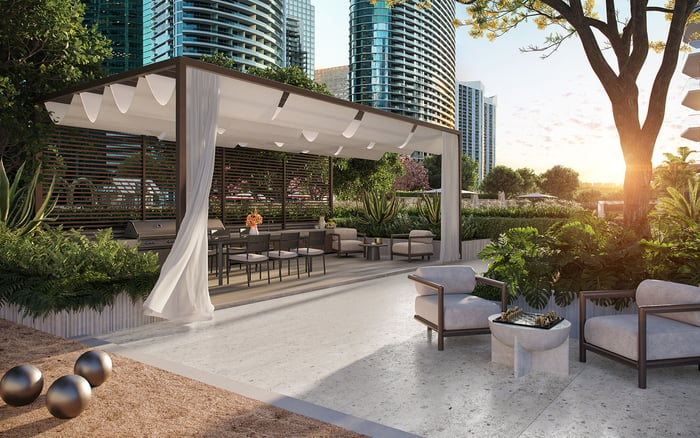
Terraces are where many luxury buyers misjudge comfort. Two homes with the same orientation can feel entirely different because of surface finish. Dark materials absorb and re-radiate more heat. Lighter, more reflective finishes stay cooler under the same sun exposure. That means the terrace itself can become a hidden comfort variable, especially for buyers prioritizing true outdoor living rather than occasional use.
Pay attention to pavers, tile color, wall finishes, outdoor cabinetry, and the amount of shade already integrated into the architecture. Heat stored in these materials can linger, which is why a terrace may feel hottest in late afternoon, even after peak solar intensity has started to decline.
Humidity adds another layer. In South Florida, outdoor comfort is not determined by sunshine alone. Moist air increases perceived discomfort, so an exposed terrace that is manageable on a breezy day may feel far less elegant in still conditions. For buyers using the residence as a second home, the season of intended occupancy matters enormously.
The glamour of floor-to-ceiling glass should always be paired with a technical conversation. Low-E coatings, solar-control films, blinds, shades, and exterior shading strategies can materially reduce solar heat gain. Without them, a dazzling wall of glass can also become an expensive one.
Ask what is already installed in the unit or standard in the building. If solar-control measures must be retrofitted later, total ownership cost can shift meaningfully. Cooling demand rises when unwanted solar heat enters through windows, so the most glare-prone lines may also bring higher A/C use.
For resale buyers, request utility history for the unit or a comparable line when possible. It is one of the simplest ways to understand whether a prized exposure carries a noticeable operating premium. For particularly glass-forward homes, a thermal imaging inspection can be worthwhile. It can identify overheated walls, hot glass, and less obvious zones of heat gain that do not appear in a traditional walk-through.
A disciplined comparison is more revealing than any brochure. A practical approach is to evaluate a serious contender in three passes.
First, visit in the morning. Judge softness, wake-up light, and whether the residence feels luminous without feeling exposed.
Second, return in late afternoon. This is when west-facing glass and terraces often show their true temperament. Watch for glare across seating areas, rising indoor warmth, and terrace surfaces that become uncomfortable.
Third, if your schedule allows, return at dusk. Notice whether the terrace has cooled, whether neighboring buildings are still reflecting light, and whether the interior feels calm enough for evening living.
During each visit, note four variables: orientation, reflected glare from water or nearby glass, terrace material and color, and existing solar-control upgrades. A light meter app can help compare brightness between homes, but thermal imaging is better for identifying hidden heat buildup. Also confirm whether the association permits future shade additions before assuming the problem can be solved later.
The finest South Florida view line is rarely the brightest one. It is the residence that remains composed from breakfast through cocktails, one that honors the view without forcing the owner to live defensively against it. For some buyers, that will mean east light and gentler mornings. For others, the ritual of sunset will justify a west exposure, provided the glass, shading, and terrace materials are equal to the setting.
Luxury is not just what you see from the residence. It is how effortlessly the residence lets you enjoy it.
Is east-facing usually the safest choice for comfort? Often, yes. East-facing lines typically offer softer morning light and avoid the harshest late-day heat load.
Are west-facing units always too hot in South Florida? Not always. They simply require closer scrutiny for late-afternoon glare, heat gain, and cooling demand.
What is the best time of day to tour a view line? Morning and late afternoon are essential. If possible, add dusk to see whether terrace materials are still releasing heat.
Do water views increase glare inside the residence? They can. Sunlight reflecting off bay or ocean surfaces may intensify brightness beyond direct sun alone.
Does north-facing mean dark? No. North-facing homes often receive diffuse, even light with less direct glare than south- or west-facing lines.
Why can a terrace feel hottest after peak sun? Because concrete, tile, and pavers store heat and continue radiating it later in the day.
Should I ask about window film and shades before buying? Absolutely. Existing low-E glass, blinds, shades, or solar-control film can materially affect comfort and cost.
Can neighboring towers make my unit brighter or hotter? Yes. Nearby glass facades can create secondary reflections that increase glare on windows and terraces.
Is a thermal imaging inspection worthwhile for a luxury condo? In many cases, yes. It can reveal hot glass, overheated walls, and hidden heat gain that a standard tour may miss.
Can I add terrace shade later if the exposure feels too strong? Possibly, but never assume it. Confirm association rules before planning awnings, pergolas, or other shade features.
For a tailored shortlist and next-step guidance, connect with MILLION.
If branded residences are on your mind — as a home or as an allocation — we would be glad to share what we are seeing, privately.
Begin a quiet conversation