A discreet buyer’s guide to choosing between Brickell and Miami Beach when the household standard includes refined service, daily convenience, and serious consideration for pets.
In South Florida’s luxury market, the conversation around pets has moved well beyond whether a building allows them. For many buyers, pets are part of the household architecture. They influence floor plan preferences, elevator tolerance, staffing expectations, neighborhood choice, and even how a residence feels at 7 a.m. before the first meeting or late at night after dinner.
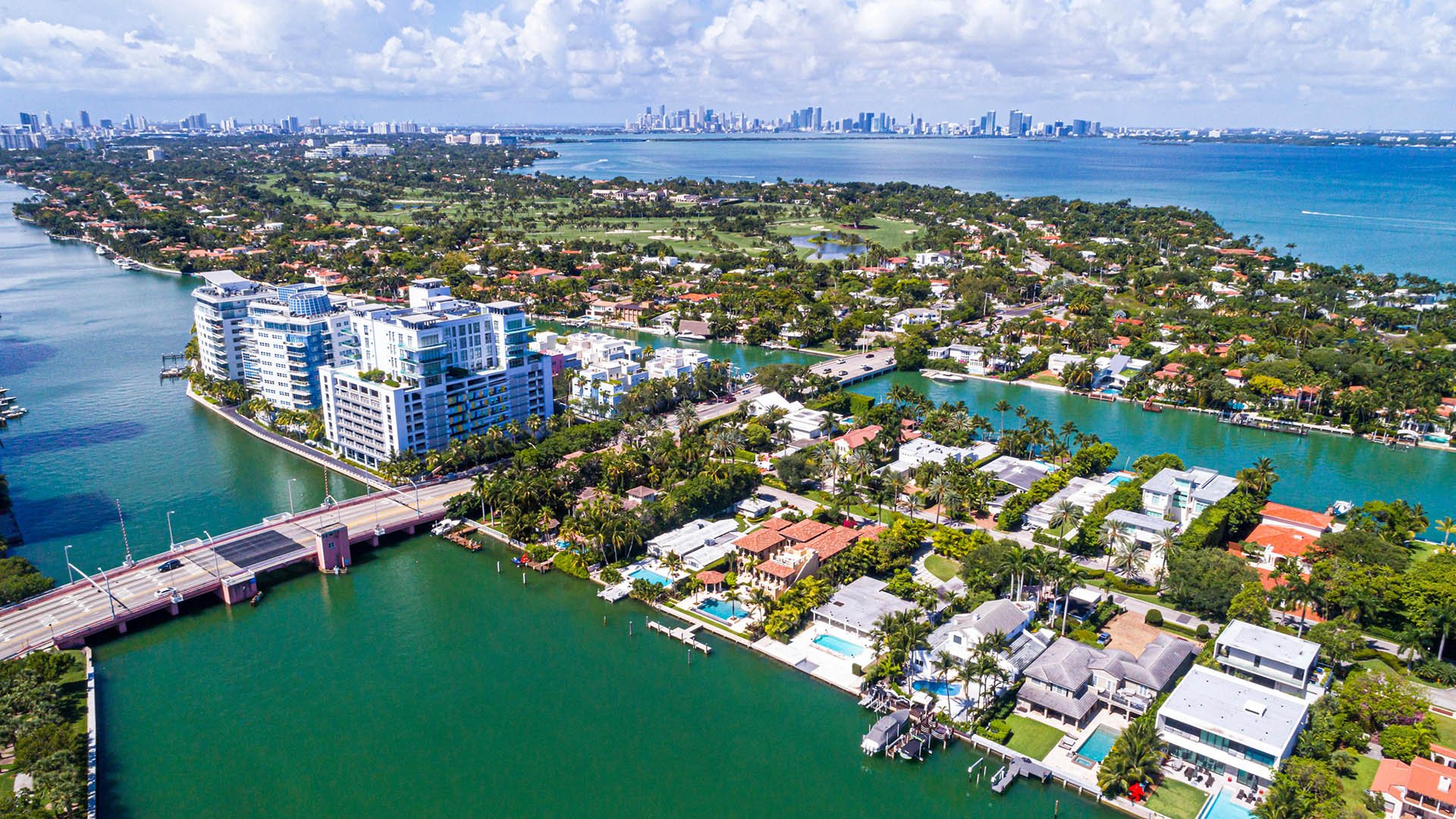
That is why the Brickell versus Miami Beach decision deserves more nuance than a simple urban-versus-coastal comparison. Both locations can work beautifully for pet owners, but they ask different things of daily life. Brickell concentrates convenience into a high-rise rhythm. Miami Beach extends the day outward, toward open air, sand, sidewalks, and a more resort-inflected pace.
For a buyer who wants a building that handles pets as seriously as people, the right answer is not only about amenities. It is about the culture of the building, the choreography of arrival and departure, the ease of the walk, and the degree to which a pet can live gracefully inside a luxury environment without becoming a logistical compromise.
Brickell suits buyers who want their lives tightly organized. The neighborhood’s appeal is its concentration: residences, dining, offices, wellness, services, and social routines are often close together. For pet owners with demanding schedules, that compression can be valuable. The day can be managed in smaller increments, with fewer transitions and less need to cross long distances for ordinary needs.
The tradeoff is vertical living. A pet’s daily routine depends heavily on how well the building functions. Elevator speed, service elevator access, lobby flow, valet coordination, package areas, and the attitude of front-of-house staff all matter. In a polished Brickell building, these details can make pet ownership feel seamless. In a poorly organized one, they can turn simple walks into repeated friction.
Brickell is often best for owners whose pets are comfortable with lobbies, elevators, residents, and a steady urban soundtrack. It can also suit smaller dogs and disciplined routines, especially when the owner values immediate access to restaurants, offices, and wellness amenities. The strongest Brickell fit is a buyer who wants convenience first, then layers in outdoor time with intention.
Miami Beach offers a different proposition. It is less about compressing the day and more about expanding it. For many pet owners, the attraction is sensory: sea air, changing light, broader sidewalks in select pockets, outdoor seating culture, and a rhythm that can feel less transactional than the financial-core tempo of Brickell.
This is especially compelling for buyers who prioritize longer walks, a stronger connection to the outdoors, and the emotional lift of being close to the water. Oceanfront living can also shape how an owner experiences the home itself. Terraces, views, and natural light often become part of the pet’s routine as much as the owner’s.
Still, Miami Beach requires careful building selection. Not every coastal address is equally practical for pets. Some buildings may be more formal in tone; others feel more relaxed. Some locations may be better suited to quick daily walks, while others reward longer, slower outings. A serious buyer should evaluate not only the residence, but also the route from front door to sidewalk, from elevator to exit, and from lobby to the nearest comfortable walking loop.
For pet-focused buyers, rules are only the beginning. A pet policy may describe limits, but culture determines the lived experience. Does the staff greet resident dogs with ease and professionalism? Are service areas intuitive? Are there sensible expectations around common spaces? Is the tone welcoming without becoming casual in a way that diminishes privacy?
In the best buildings, pet ownership is handled with the same discretion as guest arrivals, housekeeping coordination, or private dining deliveries. The goal is not to turn the building into a kennel with marble floors. The goal is to acknowledge that pets are part of a high-net-worth household and to support that reality with calm, consistent operations.
Buyers should pay attention during showings. Watch the lobby. Notice whether residents with dogs appear hurried, apologetic, or relaxed. Observe whether staff manage movement naturally. Ask how the building handles grooming vendors, walkers, emergency contacts, temporary caregivers, and elevator etiquette. A luxury building reveals itself not only in its finishes, but in how it handles ordinary repetition.
A simple test often clarifies the Brickell versus Miami Beach decision: imagine the first and last walk of the day. In Brickell, the ideal scenario is efficient and predictable. Down the elevator, through a well-managed lobby, out to a convenient urban route, then back upstairs without disrupting the owner’s schedule. This works beautifully for buyers who want the pet routine integrated into a busy life.
In Miami Beach, the walk can become more of a lifestyle ritual. The pace may be slower, the light more generous, and the outdoor experience more central to the day. For some owners, that is the entire point. The dog is not simply accommodated. The dog becomes part of the reason to choose the neighborhood.
Dog-park access can be helpful, but it should not be the only measure. Some pets prefer quieter routes. Some owners prefer private walkers. Others want a building where quick relief areas, service access, or nearby green space reduce the pressure of every outing. Luxury, in this context, is not a single amenity. It is the absence of repeated inconvenience.
Pets also reveal how much social exposure a buyer wants. Brickell’s density can mean more elevator encounters, more lobby movement, and more stimulation. For social dogs and owners who enjoy an energetic environment, that may be a benefit. For anxious pets or privacy-driven households, it may require a more selective building search.
Miami Beach can offer a gentler social rhythm in certain residential pockets, though it can also bring seasonal intensity, visitor traffic, and public-facing energy depending on the address. South of Fifth, for example, is often discussed by buyers as a distinct lifestyle pocket because the setting can feel more residential while still connected to the broader Beach experience. The key is not to generalize the entire island, but to match the pet’s temperament to the specific micro-location.
Sound is another overlooked factor. A pet that is indifferent to city noise may thrive in Brickell. A dog sensitive to sirens, valet activity, or corridor movement may be better suited to a quieter floor, a more insulated plan, or a location where the outdoor experience is less abrupt. The right residence should reduce stress for everyone in the household.
Start with the written policy, but do not stop there. Confirm size, breed, number, registration, elevator, common-area, and guest-pet rules before becoming emotionally attached to a residence. Then examine the practical layer: where the pet enters and exits, how walkers are approved, whether staff can coordinate access, and how the building responds to routine needs.
Ask whether the residence itself supports the way the pet lives. Hard flooring, terrace safety, access to shade, storage for leashes and carriers, and separation between entertaining areas and quieter rooms all matter. A spectacular view does not compensate for a plan that makes daily care awkward.
In Brickell, prioritize operational excellence. In Miami Beach, prioritize outdoor compatibility and building tone. In both, the best choice will feel effortless during ordinary moments, not just impressive during a tour.
Choose Brickell if your life is schedule-driven, urban, and service-oriented. It is particularly compelling for buyers who value proximity, efficiency, and the sense that everything can be handled quickly from a well-run vertical address. The ideal Brickell pet owner wants a polished system.
Choose Miami Beach if your household is shaped by outdoor rhythm, coastal atmosphere, and the emotional value of daily movement. It is especially compelling for owners who see walks as part of the lifestyle rather than an interruption in the day. The ideal Miami Beach pet owner wants a refined environment with room to breathe.
The most sophisticated answer may be this: Brickell is for buyers who want the building to manage life. Miami Beach is for buyers who want the setting to enrich it. A pet simply makes that difference harder to ignore.
Is Brickell better than Miami Beach for pet owners? Brickell can be better for owners who value efficiency, services, and predictable routines. Miami Beach may suit buyers who want more outdoor rhythm and coastal atmosphere.
Is Miami Beach more practical for daily dog walks? It can be, especially for owners who enjoy longer walks and open-air routines. The specific building location matters more than the broader neighborhood label.
What should I ask a condo building about pets? Ask about size limits, number of pets, registration, elevator rules, walker access, and common-area expectations. Also ask how the staff handles daily pet-related logistics.
Do luxury buildings treat pet amenities differently? The best ones treat pet ownership as part of household service rather than a novelty amenity. Staff culture and operational consistency are often more important than a brochure feature.
Is a dog park essential for a luxury pet owner? Not always. Some pets and owners prefer quieter walking routes, private walkers, or simple access to comfortable outdoor space.
Should I prioritize a terrace if I have a pet? A terrace can be valuable, but safety, shade, supervision, and building rules matter. It should complement walks, not replace them.
Are oceanfront residences always better for pets? Not automatically. Oceanfront settings can be beautiful, but the building’s pet policy, access points, and daily walking routes still need close review.
Is South of Fifth a good fit for pet-focused buyers? It can appeal to buyers seeking a more residential Beach feel with access to coastal lifestyle. As always, the specific building and block determine the experience.
How important is elevator etiquette for pet owners? Very important in high-rise living. Smooth elevator protocols can make daily routines calmer for residents, staff, guests, and pets.
What is the best way to choose between Brickell and Miami Beach? Walk the routine at the times you would actually use it. The right choice should feel natural during ordinary daily moments, not only during a showing.
For a tailored shortlist and next-step guidance, connect with MILLION.
If branded residences are on your mind — as a home or as an allocation — we would be glad to share what we are seeing, privately.
Begin a quiet conversation