A refined guide to the five Miami residence profiles best suited to buyers who prioritize shaded terraces, usable outdoor rooms, privacy, and year-round comfort.
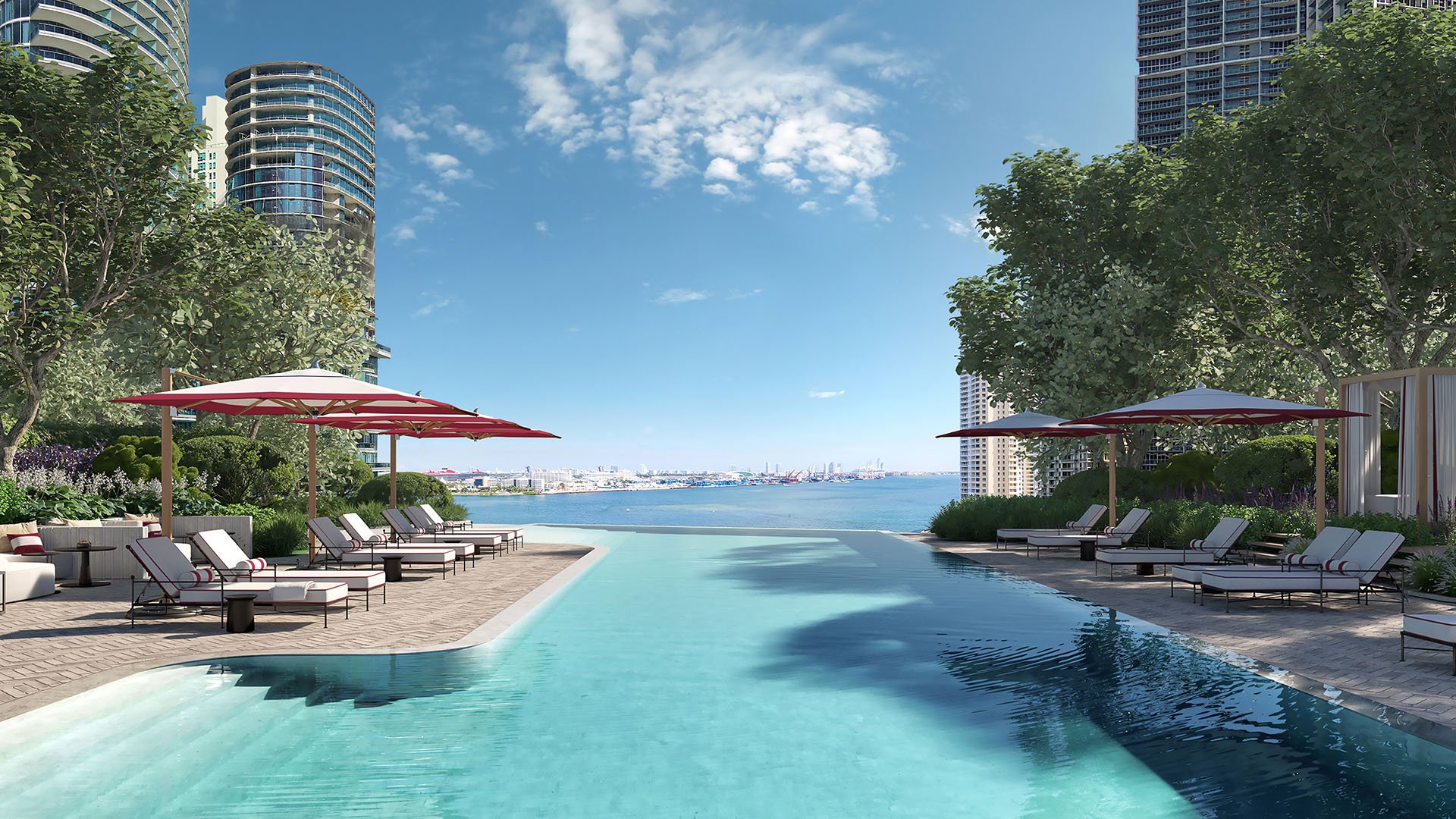
In Miami, outdoor living is not measured by square footage alone. It is measured by how comfortably, and how often, the space can be used. A balcony that performs beautifully at breakfast but turns punishing by early afternoon carries a different value proposition than a terrace designed with deep cover, filtered light, cross-breeze, and privacy. For many luxury buyers, shade is no longer a secondary amenity. It is the difference between a view and a true outdoor room.
This shift is especially relevant for buyers comparing Miami Beach, Brickell, Coconut Grove, and Sunny Isles lifestyles. The most desirable residences in each setting approach shade differently. Some rely on architectural overhangs. Others benefit from tree canopy, recessed terraces, building orientation, or generous covered loggias. The shared principle is simple: the best outdoor space should invite use at noon, not only at sunset.
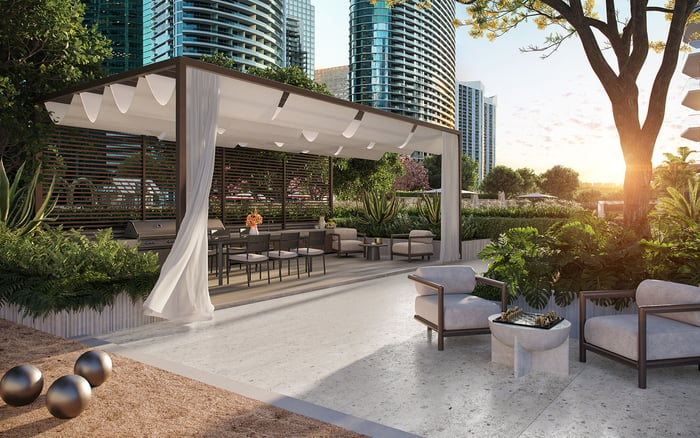
The language of the search has also become more exacting. Balcony and terrace are no longer interchangeable terms for sophisticated buyers. A narrow balcony may frame a view, while a serious terrace can accommodate dining, lounge seating, planting, and circulation without pushing residents into direct sun. That distinction matters in a market where outdoor livability is closely tied to daily routine.
1. Miami Beach residences - deep covered ocean-facing terraces
For buyers who want the drama of water and sky without sacrificing comfort, the strongest Miami Beach residences offer meaningful overhead protection. A shaded ocean-facing terrace can function as an all-day room, particularly when the layout allows seating to remain tucked beneath cover rather than pressed against the rail.
The ideal profile pairs views with restraint: covered dining, shaded lounge zones, and enough terrace depth to create a buffer from glare. Buyers should study how sunlight moves across the plan, since exposure can change the usability of the same outdoor space throughout the day.
2. Brickell residences - elevated urban shade with skyline privacy
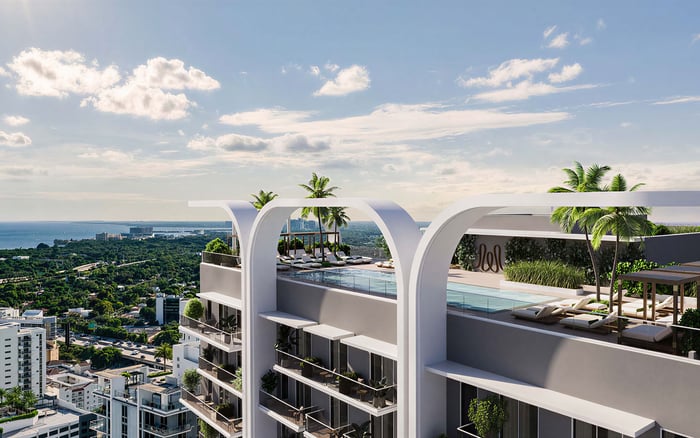
Brickell buyers often want energy, height, and convenience, but shade-first outdoor living requires particular attention in a vertical setting. The strongest residences use recessed balconies, architectural fins, or protected corners to create refuge from direct sun while preserving the urban panorama.
In this profile, privacy is as important as shade. A well-positioned terrace can feel suspended above the city, protected from glare and neighboring sightlines. The best examples let residents step outside for coffee, calls, or evening dining without feeling exposed to the full intensity of the skyline environment.
3. Coconut Grove residences - canopy-led outdoor rooms
Coconut Grove offers a different expression of shade: softer, greener, and more residential in spirit. Here, the strongest residences often benefit from a dialogue between architecture and landscape. Tree canopy, planted edges, and garden-facing terraces can temper the light in ways that feel natural rather than engineered.
For buyers who prize wellness, quiet, and a more layered sense of privacy, this profile is especially compelling. The most successful outdoor spaces feel like extensions of the living room, with shade created by both structure and landscape. The effect is discreet, calm, and highly livable.
4. Sunny Isles residences - resort-style shade above the shoreline
Sunny Isles buyers are often drawn to height, water views, and resort-style amenities. For shade-first living, the key is to identify residences where the terrace is not merely panoramic, but protected. Deep balconies, covered corners, and thoughtful orientation can make a high-floor outdoor space feel more like a private cabana than an exposed lookout.
This profile suits buyers who want a polished beachfront lifestyle with the ability to use exterior space beyond the golden hours. Shade allows the view to become part of daily life, from breakfast to late afternoon, rather than a backdrop enjoyed only in brief intervals.
5. Bayfront boutique residences - intimate shade with quieter exposure
Not every shade-first buyer wants the scale of a large tower. Bayfront boutique residences in quieter enclaves can offer a more intimate outdoor experience, especially when terraces are proportioned for dining and layered with covered areas. These homes often appeal to buyers seeking water, privacy, and a gentler rhythm.
The priority is not maximum height. It is balance: enough outlook to feel connected to the water, enough cover to remain comfortable, and enough privacy to make the terrace feel genuinely personal. For second-home owners and year-round residents alike, that balance can be more valuable than spectacle.
Shade-first buying is a discipline. Renderings can make any terrace appear serene, but the lived experience depends on orientation, cover, glazing, building massing, and the relationship between indoor and outdoor rooms. Whenever possible, a terrace should be evaluated at different times of day, with special attention to how much of the seating and dining area remains protected.
Depth matters. A shallow outdoor area may be visually appealing, but it can limit furniture placement and push residents into the sun. Ceiling height matters as well, since covered outdoor spaces should feel open rather than compressed. Buyers should also consider wind, privacy screens, overhangs, and the practicality of planting. Shade is most successful when it feels effortless, not improvised.
Interior planning should reinforce the outdoor strategy. If the kitchen, living room, and primary suite all connect naturally to shaded exterior space, the residence gains a rhythm that is difficult to replicate with amenities alone. In the strongest homes, the terrace is not an accessory. It is part of the plan.
Shade-first outdoor living carries both lifestyle and resale significance. In a bright coastal climate, protected exterior space expands the functional footprint of a residence. It supports entertaining, remote work breaks, family meals, and quiet morning rituals. It also broadens the appeal of the home to buyers who may love Miami but prefer comfort over constant exposure.
This is especially relevant for buyers who divide time between cities. A shaded terrace makes arrival feel immediate. There is no need to wait for the right hour or rearrange furniture around the sun. The home works as intended, with outdoor living available as a daily luxury.
The most discerning buyers are beginning to value this subtle performance. They are not only asking how large the terrace is. They are asking how it lives. That question is becoming one of the most important in Miami luxury real estate.
What does shade-first outdoor living mean? It means prioritizing residences where terraces, balconies, or loggias remain comfortable and usable for longer portions of the day.
Is a covered terrace more valuable than an uncovered one? For many Miami buyers, yes. Covered space often supports dining, lounging, and entertaining with greater comfort and consistency.
Which Miami area is best for shaded outdoor living? It depends on lifestyle. Miami Beach favors ocean-facing cover, Brickell favors elevated urban shade, and Coconut Grove favors canopy and garden privacy.
Should buyers focus more on terrace size or terrace depth? Depth is often more important than total size. A deep terrace can support real furniture placement and better protection from sun.
Can high-floor residences still offer good shade? Yes. Recessed terraces, covered corners, and thoughtful orientation can make high-floor outdoor spaces comfortable and private.
How should buyers evaluate sun exposure? They should consider orientation, time of day, overhangs, neighboring buildings, and how much of the seating area remains protected.
Are shaded balconies useful for entertaining? They can be, if they have enough depth and circulation. The best layouts allow dining or lounge seating without crowding the rail.
Does landscaping help create shade in condos? Yes, where permitted and practical. Planting can soften glare, improve privacy, and make outdoor rooms feel more residential.
Is shade-first living only important in summer? No. In Miami, shade improves comfort across much of the year and can make outdoor space more usable in daily life.
What is the biggest mistake buyers make with terraces? They focus on the view and overlook comfort. A beautiful terrace has limited value if it is too exposed to use regularly.
For a discreet conversation and a curated building-by-building shortlist, connect with MILLION.
If branded residences are on your mind — as a home or as an allocation — we would be glad to share what we are seeing, privately.
Begin a quiet conversation