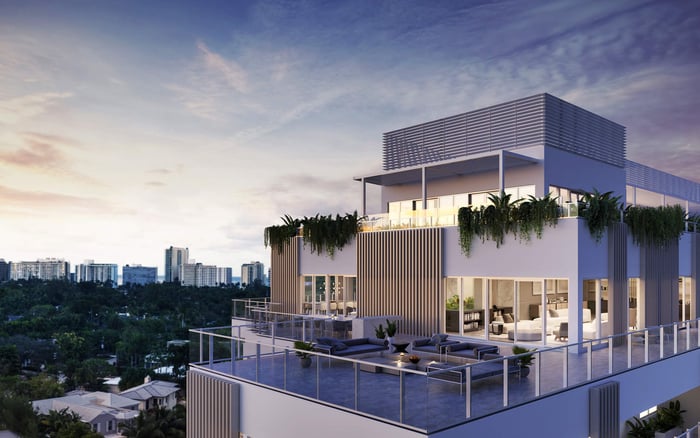
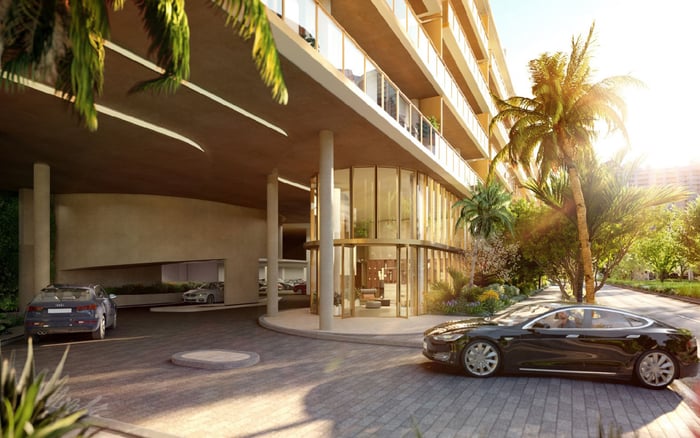
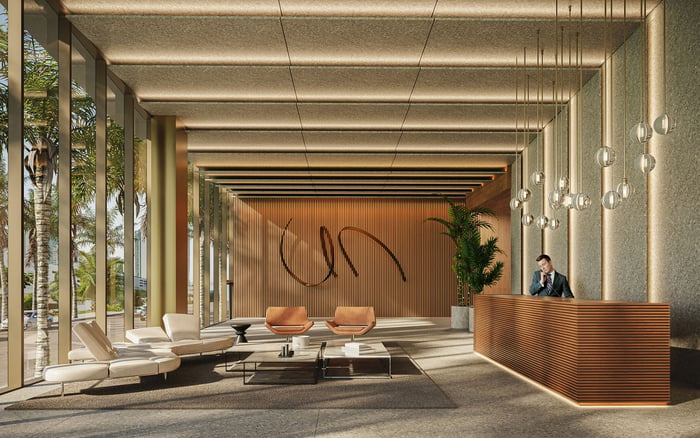
A discreet buyer's guide to evaluating privacy at Miami Tropic Residences before a model-residence tour, from sightlines and elevators to data, staff access, acoustics, and amenity circulation.
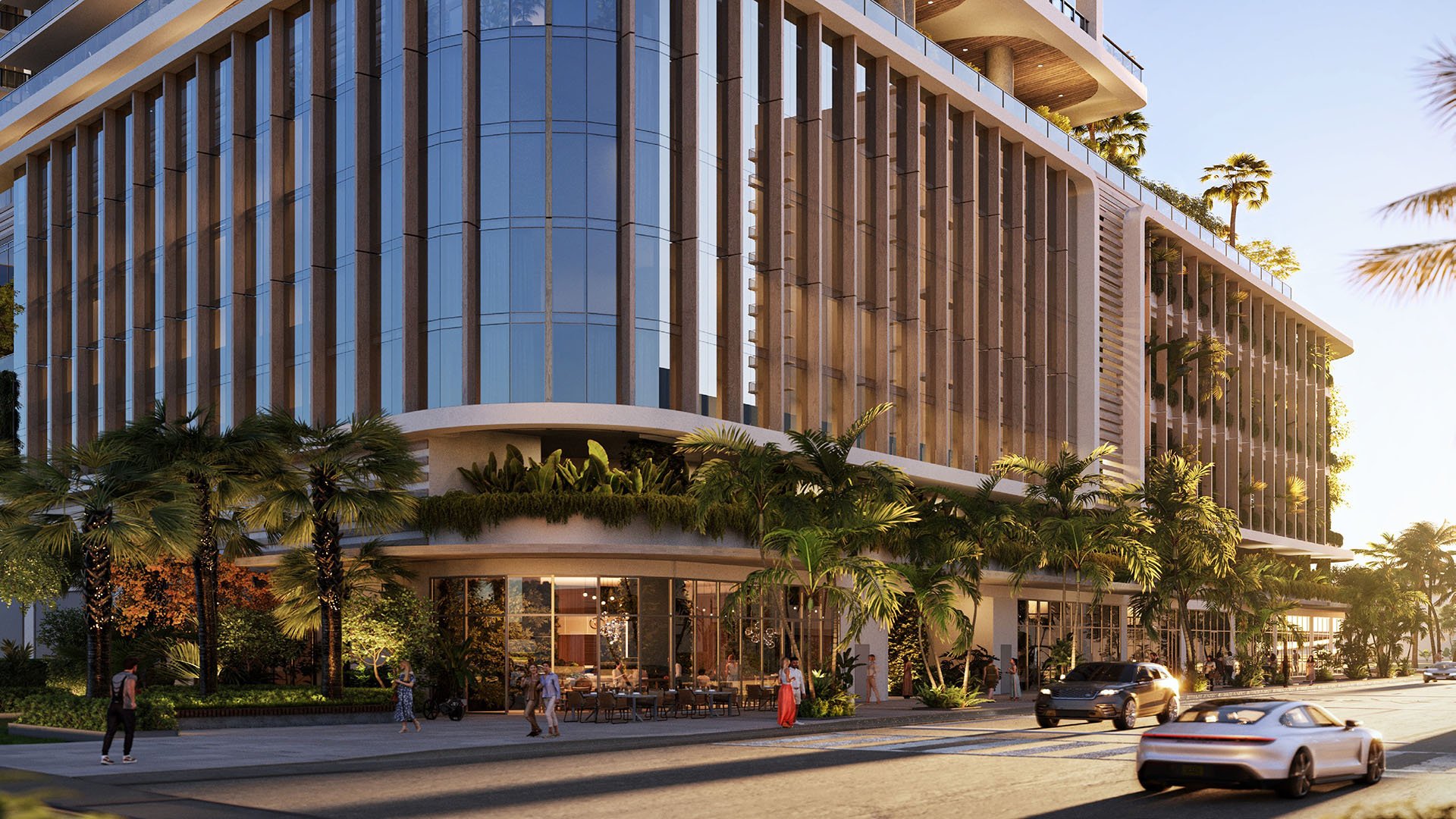
A model residence is designed to seduce. The light is controlled, the furniture is scaled, the views are framed, and the circulation feels effortless because every detail has been curated for a short visit. For buyers considering Miami Tropic Residences, privacy should be evaluated before that first impression begins to shape a purchase decision.
The essential point is simple: privacy is not only an in-unit feature. It is a full-building experience shaped by the floor plate, elevator stack, amenity positioning, staff routes, technology systems, neighboring towers, and daily operations once the property is fully occupied. A quiet model tour may not reveal how a specific residence performs during peak visitor periods, holidays, service windows, or amenity events.
For South Florida buyers, this is especially important in dense urban and waterfront settings, where glass, terraces, hospitality-style service, and active amenity programs can create elegant living while introducing more points of visibility. The right question is not, “Does the model feel private?” It is, “Will the exact residence I am considering remain private in daily life?”
Before touring, ask the sales team whether the model residence matches the exact floor, exposure, balcony condition, elevator proximity, and neighboring-unit context of the residence under consideration. If it does not, treat the model as a design reference, not a privacy preview.
A few feet of difference in terrace position, a shifted window line, or a different relationship to an elevator lobby can change the way a home lives. A residence facing open sky may feel entirely different from one aligned with neighboring towers, nearby amenity decks, streets, or public areas. Ask specifically how sightlines may affect living rooms, bedrooms, and terraces during both day and night.
This is not unique to one project. Buyers comparing urban residences such as 2200 Brickell or The Residences at 1428 Brickell should make the same distinction between a beautifully staged presentation and the exact unit context. In Brickell, as in central Miami, privacy often depends on exposure, adjacency, and circulation as much as interior design.
Glass architecture can be cinematic, but it deserves careful testing. Ask whether balcony partitions, glazing, window treatments, and terrace layouts are designed to reduce cross-unit visibility. Then separate daytime privacy from nighttime privacy. A room that feels secluded in sunlight can become highly visible after dark, when interior lighting turns the home into a lantern.
Balcony and terrace questions should be specific. Can neighboring residences see into the primary suite? Are outdoor dining areas aligned with adjacent balconies? Do amenity decks overlook private outdoor space? Is the terrace deep enough to allow seating away from direct sightlines? Are partitions full height, partial, transparent, or opaque? Each answer affects the lived experience.
For buyers who also evaluate Miami Beach residences, including The Perigon Miami Beach, the same discipline applies. Ocean, bay, and skyline views are only part of the equation. The more valuable question is how the residence protects the moments that are not meant to be seen.
Privacy is visual, but it is also acoustic. A residence can appear secluded and still transmit elevator activity, amenity noise, mechanical vibration, street sounds, or voices from adjacent homes. Before the tour, ask how much acoustic separation exists between the residence and neighboring units, elevator lobbies, mechanical shafts, amenity areas, and exterior traffic corridors.
Do not rely on a quiet sales appointment as proof. Model tours are often scheduled at controlled times. A serious buyer should ask how the building performs when deliveries are active, residents are entertaining, guests are using amenities, or service teams are moving through the property. Sound privacy matters in bedrooms, home offices, media rooms, and terraces, especially for owners who work from home or host frequently.
If technical documents are available, request them through the appropriate sales or legal channels. The goal is not to become an engineer. The goal is to understand whether the building envelope, residence separation, and adjacency planning support the level of discretion expected in a luxury home.
Arrival is one of the most revealing privacy tests in a residential building. Ask whether Miami Tropic Residences has private or semi-private elevator access, controlled elevator programming, and separate circulation routes for residents, guests, staff, and vendors. If those features are not confirmed, ask how arrivals are otherwise managed.
The next layer is operational. How is staff access handled for housekeeping, maintenance, package delivery, valet, security, and emergency entry into residences? Are service providers routed through separate paths? Are residents and vendors likely to share the same elevators during peak hours? Are private arrival options available, including discreet drop-off, valet protocols, garage access, service elevators, or secure routes from parking to the residence?
These questions are especially relevant for high-profile residents, family offices, domestic staff, private security teams, anonymous ownership structures, and VIP guests. The point is not theatrical secrecy. It is controlled access, limited exposure, and predictable movement through the building.
Luxury buildings increasingly rely on access-control systems, app-based services, cameras, visitor logs, smart-home integrations, and vendor platforms. Before touring, ask what resident information is visible to concierge, valet, security, property management, service providers, and third-party technology vendors.
Then ask what the building collects. Does it retain access-control logs, elevator-use records, camera footage, smart-home data, visitor records, or app-based resident activity data? How long is that information retained? Who has permission to review it, export it, or share it? A privacy-minded buyer should understand the data trail created by daily life.
This is an important line of questioning for new-construction residences across South Florida, including highly serviced settings such as Villa Miami. Technology can improve convenience, but the best experience is one where convenience and discretion are considered together.
A building may feel intimate during early sales and very different at full occupancy. Ask whether amenities, pools, lounges, parking areas, and lobby spaces are resident-only or shared with guests, short-term visitors, hospitality users, or outside service providers. Also ask how the privacy experience changes during amenity events, peak visitor periods, holidays, and periods of heavy service activity.
The most useful documents are not always the glossy renderings. Ask for floor plans, site plans, amenity adjacency diagrams, camera locations, elevator-stack layouts, and neighboring-development context. These materials can help show where residents, guests, staff, and service providers intersect. They can also reveal whether the home under consideration has meaningful separation between family areas, guest zones, staff or service areas, primary suites, and entertaining spaces.
The focus should remain not on the drama of a presentation, but on the practical questions that determine whether a residence will live privately after closing.
Should I judge privacy from the model residence alone? No. Treat the model as a design preview and verify how the exact residence performs by floor, exposure, elevator location, balcony condition, and neighboring context.
What should I ask first before touring Miami Tropic Residences? Ask whether the model residence matches the specific unit you are considering. If it does not, request the plans and diagrams that show the true privacy conditions.
Why do sightlines matter so much in Miami luxury condos? Nearby towers, amenity decks, streets, and public areas can affect visibility into living rooms, bedrooms, and terraces. Day and night conditions should both be reviewed.
Are balcony partitions enough to protect privacy? Not always. Ask about partition height, glazing, terrace layout, window treatments, and whether adjacent residences can see across outdoor spaces.
What acoustic questions should I ask? Ask about separation from adjacent residences, elevator lobbies, mechanical shafts, amenities, and exterior traffic corridors. Also ask how sound changes during peak building activity.
Should I ask about elevator programming? Yes. Private or semi-private elevator access, controlled programming, and separate circulation routes can all affect discretion, if they are confirmed for the building.
How should staff access be evaluated? Ask how housekeeping, maintenance, package delivery, valet, security, and emergency access are managed. Clarify whether service routes are separate from resident routes.
What data privacy questions matter in a luxury building? Ask what information is visible to staff, management, service providers, and technology vendors. Also ask what logs, footage, visitor records, or app data may be retained.
Can privacy change after the building fills up? Yes. Full occupancy, amenity events, holidays, guest activity, and service periods can alter how private a residence feels in practice.
What documents should I request before relying on the tour? Request floor plans, site plans, amenity adjacency diagrams, camera locations, elevator-stack layouts, and neighboring-development context.
When you're ready to tour or underwrite the options, connect with MILLION.
If branded residences are on your mind — as a home or as an allocation — we would be glad to share what we are seeing, privately.
Begin a quiet conversation