A buyer-focused look at how Miami Beach’s food-and-wine calendar can refine luxury-home priorities, from entertaining layouts and arrival privacy to wellness, terraces, beach access, and neighborhood choice.
The South Beach Wine & Food Festival is more than a culinary occasion for many luxury buyers. It is a real-time demonstration of how Miami Beach performs when the social calendar is full, restaurants are in demand, and the city’s hospitality rhythm becomes part of daily life. For a buyer considering a second home, primary residence, or pied-à-terre, that setting can make priorities feel far less theoretical.
A floor plan that looks elegant on a quiet Tuesday may read very differently when guests are arriving for cocktails before dinner, a chef is preparing a private meal, and residents want to move from beach to lobby to dining room without friction. Festival energy clarifies what matters: privacy, access, service, sound control, outdoor space, and the ability to host without surrendering the calm that defines true luxury.
This is why Miami Beach searches often evolve after a major culinary week. Buyers may begin with a view, a brand, or a preferred address. They often leave with sharper questions about how they will actually live.
Food-and-wine culture places unusual pressure on the entertaining zone of a residence. The kitchen is no longer just a showpiece. It must support catering, prep, storage, plating, and seamless movement among hosts, guests, and staff. An open plan can be beautiful, but only if it has the acoustic softness, back-of-house logic, and circulation required for real use.
In Miami Beach, that often elevates residences with generous terraces, dining areas that relate naturally to the outdoors, and enough separation between social and private rooms. A terrace becomes more than an amenity word. It is where a pre-dinner drink, a late breakfast, or a quiet recovery morning can feel effortless.
Ocean-adjacent properties also benefit from the emotional value of contrast. After a crowded dinner or tasting, the home should restore. That is part of the appeal of 57 Ocean Miami Beach, where the conversation around ownership can move naturally from beach proximity to the more intimate question of how a residence supports daily rituals, hosting, and retreat.
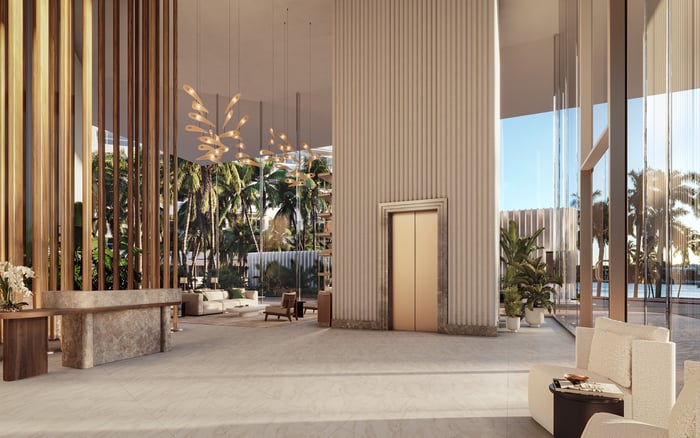
During a busy event week, arrival becomes a luxury test. A residence may have strong design credentials, but buyers quickly notice whether drop-offs feel composed, whether elevators are discreet, and whether staff can manage visitors without making residents feel exposed. Privacy is not only about distance from public life. It is about orchestration.
For many ultra-premium buyers, the ideal Miami Beach home lets them participate in the city’s dining and cultural life without being consumed by it. That means secure access, intuitive valet flow, thoughtful lobby sequencing, and the ability to host a small group without turning the residence into a public stage.
This is where South Beach and the quieter pockets around it appeal for different reasons. Some owners want to be close enough to move spontaneously between dinners, lounges, and private gatherings. Others want a graceful buffer. The most successful search brief defines how much proximity is desirable, and how much quiet must be preserved.
South of Fifth has long been shorthand for a particular Miami Beach balance: close to the action, but residential in mood. For festival-oriented buyers, the neighborhood can feel especially instructive because it shows how walkability, waterfront living, and privacy can coexist when a building is well chosen.
The Sofi buyer is often not seeking isolation. The point is controlled access to the city’s energy. A residence should allow a walk to dinner, an easy ride to a private event, or a calm morning by the water after a late night. That balance is part of the enduring appeal of The Ritz-Carlton Residences® South Beach for buyers who want hospitality influence without sacrificing residential identity.
The same logic can apply to established trophy buildings. Apogee South Beach remains a useful reference point in conversations about large-format living, privacy, and the difference between simply having space and having space that performs elegantly when guests are present.
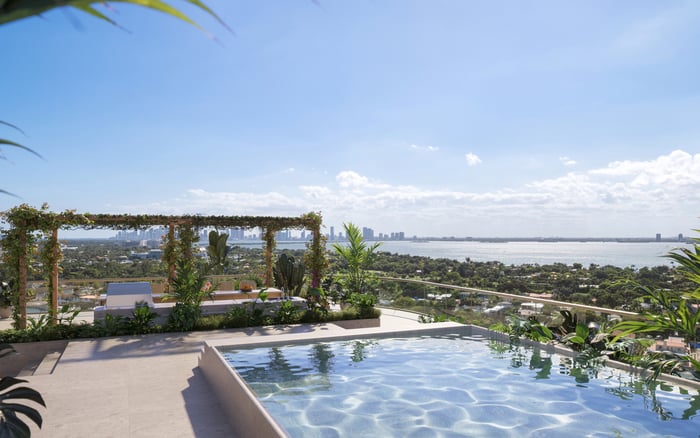
Oceanfront is often treated as a visual preference, but in a culinary week it becomes functional. The ocean resets the tempo of the home. It creates a counterpoint to dining rooms, crowds, reservations, and late evenings. Buyers who spend several days in Miami Beach during a major social moment often begin to value morning light, fresh air, beach access, and wellness facilities with new seriousness.
This is not about retreating from the city. It is about owning the rhythm. A home that supports breakfast outdoors, a swim before meetings, or a quiet afternoon away from event traffic can feel materially different from one that only offers proximity. In this context, The Perigon Miami Beach speaks to the broader buyer preference for beachfront calm combined with architectural presence.
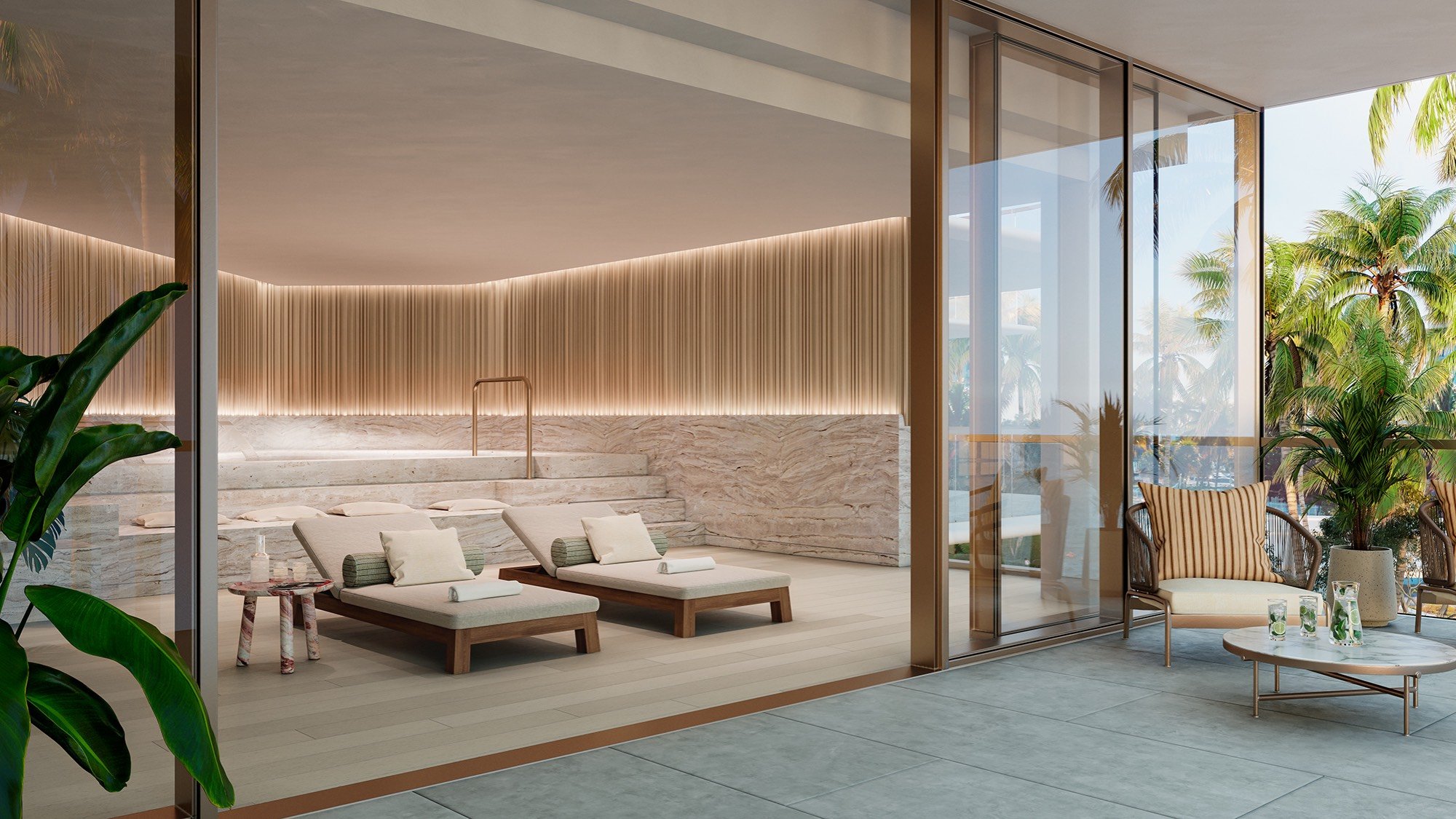
Wellness also becomes less decorative. Buyers may ask whether the fitness environment is convenient enough to use daily, whether spa spaces feel private, and whether the pool experience is serene during peak periods. A pool is valuable, but the feeling around it matters just as much.
Culinary events heighten sensitivity to service. After several days of polished restaurant experiences and private hospitality, buyers bring the same expectations back to the residence. They notice whether staff interaction is warm but unobtrusive, whether common spaces are maintained with consistency, and whether the building’s social areas feel useful rather than performative.
This can benefit branded and hospitality-influenced residences, but only when the residential experience remains disciplined. The strongest buildings do not merely borrow the language of hotels. They translate service into privacy, readiness, and ease. Buyers are increasingly alert to that distinction.
At Shore Club Private Collections Miami Beach, the very name places hospitality and residential privacy in conversation. For buyers shaped by Miami Beach’s food-and-wine culture, that intersection is often central: they want service fluency, but they also want a home that feels personal, composed, and protected.
The smartest buyers use a busy week as a field test. They pay attention to drive times, lobby atmosphere, valet choreography, elevator wait, street noise, restaurant access, and how the neighborhood feels in the morning after a high-energy evening. They also study the residence itself: where coats and bags go, how guests circulate, whether the kitchen can support entertaining, and whether bedrooms remain quiet.
A beautiful view may start the search, but livability usually closes it. In Miami Beach, the best home is not always the one closest to the event. It is the one that lets the owner enjoy the event, return gracefully, sleep well, and wake up restored.
Can the South Beach Wine & Food Festival influence a real estate search? Yes. It can reveal how much a buyer values walkability, privacy, entertaining space, service, and quiet recovery after social commitments.
Should buyers prioritize proximity to festival activity? Proximity matters for some, but the better question is whether the home balances access with privacy and comfort.
Why are terraces so important in Miami Beach luxury homes? Terraces extend entertaining and recovery space, especially for buyers who want ocean air, outdoor dining, and a more relaxed hosting rhythm.
Is South of Fifth a good fit for food-and-wine focused buyers? It can be, particularly for buyers who want refined residential living near South Beach’s social and dining energy.
What should buyers evaluate during a busy event week? Arrival flow, valet service, lobby privacy, sound levels, elevator access, and the ease of moving between home and neighborhood.
Does oceanfront living matter beyond the view? Yes. It supports restoration, morning routines, beach access, and a calmer daily rhythm during active social periods.
Are branded residences always better for this lifestyle? Not automatically. The strongest choice is a residence where service, privacy, design, and daily usability are all aligned.
How important is the kitchen for luxury entertaining? Very important. Buyers should consider prep space, catering flow, storage, ventilation, and the relationship between kitchen and dining areas.
Can a second-home buyer use festival week as a test stay? Yes. Experiencing Miami Beach during a high-demand week can clarify what feels convenient, private, and sustainable.
What is the main takeaway for Miami Beach buyers? Choose a residence that lets you enjoy the city’s culinary life while preserving the quiet, service, and space expected at home.
When you're ready to tour or underwrite the options, connect with MILLION.
If branded residences are on your mind — as a home or as an allocation — we would be glad to share what we are seeing, privately.
Begin a quiet conversation