A buyer-focused reading of two boutique Bay Harbor Islands condominiums, examining how waterfront amenities, privacy, operating costs, and rules may shape everyday ownership.
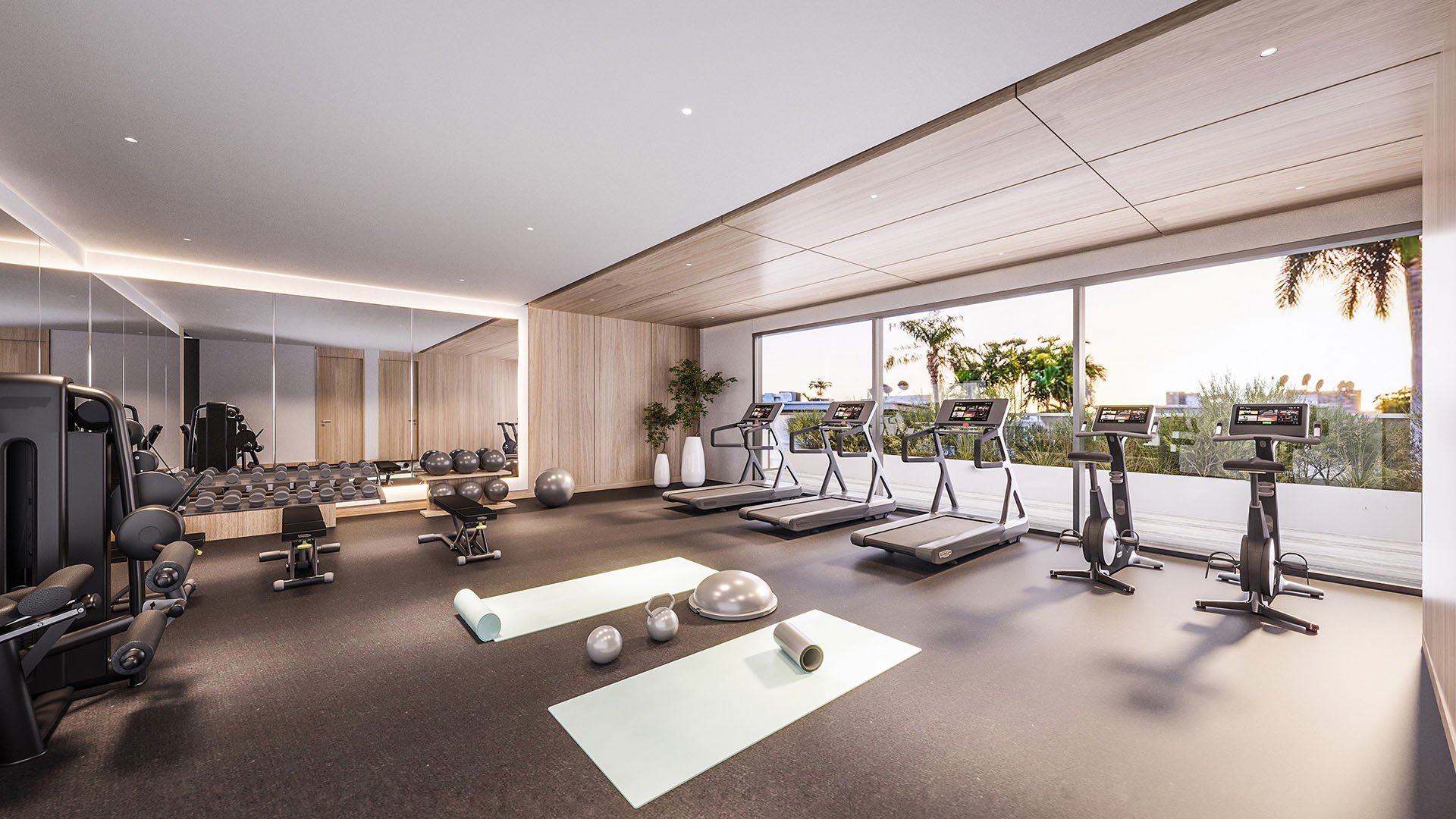
In Bay Harbor Islands, wellness is less compelling as an abstract theme than as a pattern of daily convenience. The meaningful question is not how many amenities appear in a presentation, but whether residents can move naturally from home to outdoor space, recreation, water access, and quiet shared areas without friction.
That is the lens through which to assess La Baia North Bay Harbor Islands and Origin Bay Harbor Islands. Both are presented as boutique waterfront residences rather than large, resort-scale towers. Their appeal rests on intimacy, privacy, and the prospect of shared spaces that feel like extensions of the home.
For buyers, however, a lifestyle promise has two dimensions. One is experiential: views, outdoor living, proximity to the water, and access to nearby Bal Harbour, Surfside, beaches, shopping, and dining. The other is operational: staffing, upkeep, capacity, rules, reserves, and the costs allocated to each residence.
La Baia North frames its waterfront setting through outdoor living, water access, views, and recreation. Its strongest proposition is therefore not spectacle but repeatability. A space used before breakfast, after work, or during an unplanned afternoon has greater residential value than an impressive facility that is difficult to reserve or inconvenient to reach.
Origin warrants the same practical reading. Its intimate format and Bay Harbor Islands location support a quieter version of Miami living, close to the water and within reach of neighboring destinations. Yet the experience succeeds only if shared spaces serve the resident population smoothly.
The broader local conversation also includes wellness-oriented The Well Bay Harbor Islands and waterfront Onda Bay Harbor. These nearby options reinforce why buyers should compare not merely design language, but the relationship among scale, services, access, and recurring obligations.
Boutique living can offer fewer encounters, a stronger sense of privacy, and potentially less competition for shared spaces. Those qualities may be especially attractive to owners who prefer residential calm to the choreography of a major resort condominium.
The trade-off is financial. Fixed expenses for staffing, maintenance, insurance, service contracts, and amenity care are divided among fewer owners than in a larger building. That does not establish that either project will be expensive, nor does it prove that one has a better operating model. It simply makes the proposed budget and allocation method central to the purchase decision.
A sophisticated comparison should consider whether the service level is proportionate to the building’s scale. Understaffing can diminish convenience and maintenance; overly ambitious service can increase recurring costs. The desirable balance is a package that residents will use consistently and that the association can maintain to an appropriate standard.
At La Baia North, assess how naturally wellness and waterfront features fit into everyday routines. Confirm expected hours, capacity, reservation requirements, guest access, and maintenance responsibilities. Determine whether any services require separate payment and whether water-related facilities carry specific operating restrictions.
At Origin, apply the same discipline. Verify staffing plans, booking procedures, guest rules, amenity hours, and the responsibilities assigned to the association or outside service providers. Attractive shared areas have lasting value only when they are clean, available, appropriately supervised, and supported by a credible operating plan.
Buyers should also consider their personal use patterns. A primary resident may value weekday access and spontaneous use. A second-home owner may care more about readiness upon arrival, guest policies, and simplicity while away. The better fit is the building whose rules and cost structure align with the owner’s actual calendar.
No definitive comparison of future association fees, reserve contributions, staffing costs, or optional user charges can be made from public-facing project information alone. Buyers should not treat a marketing overview as a substitute for the proposed condominium budget, declaration, reserve assumptions, maintenance inclusions, amenity rules, and service contracts.
Review which expenses are included in regular assessments, which may be billed separately, and how shared costs are allocated. Seek clarity on waterfront maintenance, staffing coverage, vendor agreements, insurance assumptions, and the treatment of optional services. Reservation systems and user fees also matter because they can affect both convenience and the effective cost of ownership.
This is where lifestyle becomes measurable. The best amenity is not necessarily the most elaborate. It is the one that remains accessible, well maintained, financially supportable, and relevant to the resident’s routine.
The more useful comparison is not which project claims the longer amenity menu, but which converts its setting and shared spaces into dependable daily use. Tour at the times you expect to use the property, study circulation between the residence and amenities, and ask how privacy is protected when residents host guests.
Then connect experience to governance. Confirm what is promised in the governing and budget documents, what remains subject to change, and what requires advance booking or additional payment. In a boutique building, details that might seem secondary can materially shape both satisfaction and cost.
Neither project can be declared the lower-fee or operationally superior choice based on the available facts. The strongest decision will come from matching each buyer’s priorities with verified inclusions, realistic operating assumptions, and rules that support the intended rhythm of ownership.
What distinguishes these projects from large Miami towers? Both are presented as boutique waterfront developments, emphasizing intimacy and residential privacy rather than resort-scale living.
Does La Baia North emphasize wellness? Its proposition connects wellness with outdoor living, water access, views, recreation, and amenities intended for regular use.
How should buyers assess Origin’s amenities? Focus on usability: access, hours, capacity, upkeep, staffing, guest rules, and booking procedures.
Are future association fees established here? No. Public-facing information is insufficient for a definitive comparison of future assessments or operating costs.
Does boutique scale guarantee lower costs? No. Fewer owners may share fixed staffing, maintenance, and service expenses.
Which financial documents matter most? Review the proposed budget, declaration, reserve assumptions, maintenance inclusions, amenity rules, and service contracts.
Could amenities involve separate charges? Possibly, but buyers should verify which services are included and which, if any, require separate payment.
Why do reservation rules matter? They affect spontaneous use, guest access, perceived capacity, and the practical value of a shared facility.
How should a second-home buyer compare the projects? Prioritize readiness upon arrival, guest policies, maintenance standards, service reliability, and ease of use while away.
Can one project be called operationally superior? Not based on the available facts; that conclusion requires verified budgets, rules, reserves, inclusions, and contracts.
For a tailored shortlist and next-step guidance, connect with MILLION.
If branded residences are on your mind — as a home or as an allocation — we would be glad to share what we are seeing, privately.
Begin a quiet conversation