A discreet buyer’s guide to reading amenity depth in Las Olas condominiums, with emphasis on privacy, proportion, governance, service rhythm and long-term livability rather than resort-style excess.
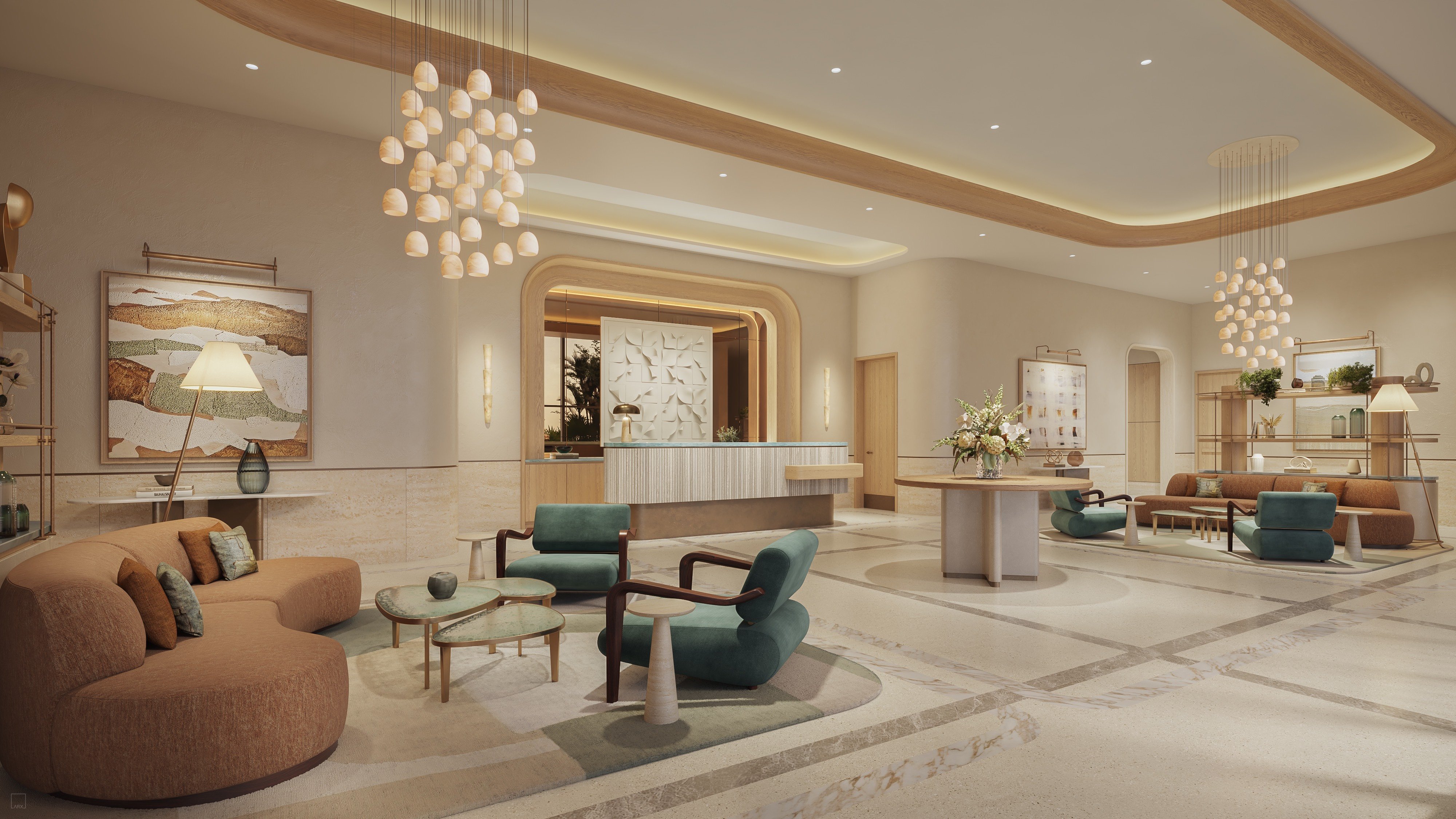
In Las Olas, amenity depth is not measured by the number of spaces a building can name. It is measured by whether those spaces support a sophisticated life without making home feel like a hotel lobby. The strongest residential experience offers enough wellness, social, service and outdoor programming to make daily life effortless, while preserving the private rhythm discerning buyers expect when they return from dinner, boating, work or travel.
The mistake is confusing abundance with usefulness. A long amenity menu can be seductive during a sales presentation, but the real question is more personal: will these spaces be used naturally, or will they become visual theater that raises operating costs without improving daily life? For a Las Olas buyer, the more valuable amenity program is often the one that disappears into routine.
Before comparing buildings, define how often you will actually use each amenity. A fitness room used five days a week carries more value than an entertaining lounge used twice a year. A calm arrival sequence may matter more than a dramatic club room. A shaded outdoor sitting area may matter more than a heavily programmed pool scene if your goal is privacy after work.
Create three categories: daily, weekly and occasional. Daily amenities should be convenient, quiet and available at practical hours. Weekly amenities should feel reservable without friction. Occasional amenities should be beautiful, but not so costly or dominant that they define the building’s identity. This exercise keeps the buyer from paying for someone else’s idea of luxury.
When comparing the Las Olas corridor with nearby Fort Lauderdale offerings such as Sixth & Rio Fort Lauderdale, ask whether the amenity package is designed first around residents or first around visual impact. The distinction is subtle, but it becomes clear when you imagine a normal Tuesday rather than a launch-event evening.
A non-resort feeling depends on separation. The most livable buildings keep active amenities from overwhelming the path home. If every resident and guest must pass through the same social spaces, the building may feel animated in a way that becomes tiring. If the gym, lounge, pool deck and lobby all compete for attention, privacy is weakened.
Study the sequence from garage or porte cochere to elevator, from elevator to residence, and from residence to amenity floor. The strongest layouts allow owners to choose visibility. You should be able to use the building quietly, host selectively and retreat completely. In the Las Olas context, where buyers may value dining, culture, boating and office proximity, the residence itself should provide the counterpoint: composed, controlled and personal.
This is where boutique scale can be compelling. A smaller building does not automatically mean better privacy, but it may reduce the need for oversized common areas. Conversely, a larger building can feel intimate if circulation, staffing and reservations are handled with discipline.
Service is essential, but too much theatrical hospitality can make a condominium feel like a resort. Buyers should look for practical competence: discreet front desk presence, thoughtful package handling, efficient valet or arrival support where applicable, clear maintenance protocols and responsive management. The tone should be polished, not performative.
A branded or service-oriented building can still feel residential if the staff culture protects discretion. When evaluating projects such as Four Seasons Hotel & Private Residences Fort Lauderdale and St. Regis® Residences Bahia Mar Fort Lauderdale, focus less on the prestige of the name and more on the resident experience: elevator privacy, guest control, amenity access, noise management and the boundary between public-facing energy and private ownership.
Ask direct questions. Who may use the amenities? How are guests registered? Can spaces be reserved, and under what limits? Are there separate resident-only areas? How are service requests triaged? These answers reveal whether the building will feel calm in high season, not just elegant during a tour.
South Florida buyers are understandably drawn to outdoor living, but outdoor amenities are where resort energy can most easily creep in. A pool deck can be serene or social depending on furniture layout, music policies, hours, cabana rules, guest limits and proximity to residences. A beautiful pool is not enough; the operating culture matters.
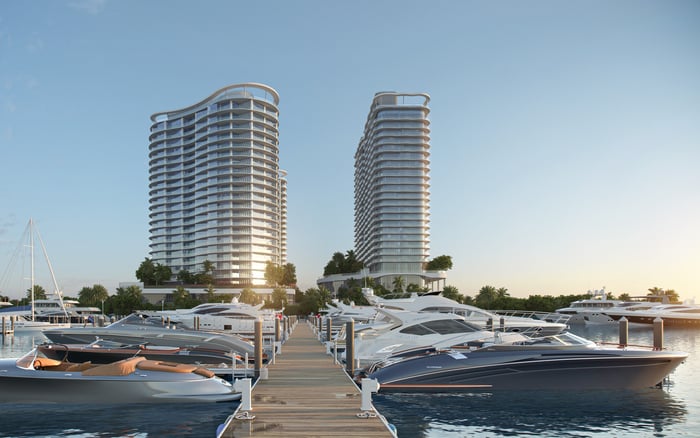
For a Las Olas buyer, evaluate whether the pool is a place for daily decompression or a weekend spectacle. Look at sight lines from neighboring residences, shade, wind exposure, service access and whether children, guests and private events are managed in a way that matches your expectations. If boating is part of the lifestyle, consider how a marina context affects arrival, noise, visitors and the building’s general rhythm.
Nearby waterfront-oriented comparisons, including Riva Residenze Fort Lauderdale, can help buyers think through how water, outdoor space and privacy interact. The goal is not to find the longest list of amenities, but to understand which version of outdoor life feels sustainable.
Rules, budgets and management culture are amenities in their own right. A building with fewer spaces but excellent governance may live better than one with elaborate facilities and loose enforcement. Buyers should review association documents, reservation policies, pet rules, rental parameters, guest access and capital planning with the same seriousness they bring to floor plans and finishes.
In Broward, as in any prime South Florida market, the long-term quality of ownership is shaped by how a building is operated after the sales gallery closes. New-construction buyers should ask how the developer’s vision converts into association control, staffing costs and maintenance obligations. Resale buyers should study whether the amenity areas look cared for, whether rules are consistently applied and whether common spaces feel calm during peak hours.
A buyer’s private notes may include tags such as Fort Lauderdale, Broward, new construction, boutique, pool and marina, but the decision should always return to lived experience. Will the building make your days simpler, or will it require constant negotiation with other people’s leisure patterns?
The most successful amenity program in Las Olas should feel layered but not loud. It should provide fitness, outdoor relaxation, gathering, service and security in a way that respects the owner’s autonomy. It should feel complete enough that you do not need to leave home for every small convenience, yet restrained enough that returning home still feels like entering a private residence.
Buyers should tour at different times when possible, listen for sound transfer, observe staff demeanor, review rules carefully and imagine everyday use. Luxury is not the presence of every amenity. It is the absence of friction.
What does amenity depth mean in a Las Olas condominium? It means the building offers useful layers of wellness, outdoor, social and service spaces without making the property feel over-programmed.
How can I tell if a building will feel too much like a resort? Watch how guests, pool areas, lounges and lobby spaces are managed. If social energy dominates the arrival experience, the building may feel less private.
Should I prioritize a long amenity list? No. Prioritize the amenities you will use frequently, the quality of management and the privacy of circulation.
Why does circulation matter so much? Circulation determines whether residents can move from arrival to residence discreetly, without being forced through active social areas.
Are branded residences automatically more resort-like? Not necessarily. The key is whether the service model protects residential privacy rather than bringing hotel-style activity into daily life.
What should I ask about pool rules? Ask about guest limits, hours, music, private events, reservations, furniture policies and how rules are enforced.
How important are association documents? Very important. They reveal the operating culture behind the amenities, including access, reservations, rentals and long-term maintenance.
Can a boutique building still have strong amenities? Yes. Amenity strength depends on usefulness, design and governance, not simply on the number of rooms or total square footage.
What is a good sign during a property tour? A calm lobby, intuitive wayfinding, discreet staff and well-kept amenity spaces usually indicate a more residential atmosphere.
What is the best way to shortlist comparable options for touring? Start with location fit, delivery status, and daily lifestyle priorities, then compare stacks and elevations to validate views and privacy.
To compare the best-fit options with clarity, connect with MILLION.
If branded residences are on your mind — as a home or as an allocation — we would be glad to share what we are seeing, privately.
Begin a quiet conversation