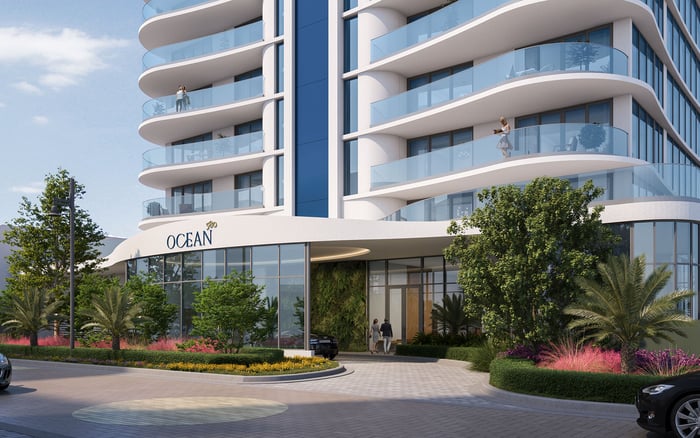
A disciplined buyer’s framework for reviewing master insurance, wind and flood coverage, deductible allocation, reserves, and potential assessment exposure at an oceanfront Pompano Beach condominium.

At Waldorf Astoria Residences Pompano Beach, the appeal of an oceanfront home should be considered alongside a disciplined review of insurance and reserves. This specific oceanfront condominium is the focus of the diligence. Yet its wind protection, flood coverage, deductibles, premiums, limits, reserve position, and allocation provisions cannot be responsibly assessed without current project documents.
That distinction matters. A polished summary cannot replace the association’s master-policy binder, relevant coverage details, reserve schedules, budget, condominium disclosures, and governing documents. Sophisticated buyers should treat these materials as an integrated financial file, not as separate administrative exhibits.
Begin by requesting the complete current binder and schedules. Then have the appropriate insurance professional identify the insured property, covered causes of loss, limits, sublimits, exclusions, valuation basis, and named-storm or wind provisions. Confirm the policy period and whether any material terms remain subject to placement, renewal, or change.
The central question is not simply whether insurance exists, but how the master policy interacts with the residence, common elements, interior improvements, personal property, temporary living costs, and liability protection. A buyer’s individual policy should be coordinated with the master program so that assumptions about responsibility do not become costly gaps after a loss.
Wind and flood require distinct lines of inquiry. For wind, request the applicable coverage terms, limits, exclusions, and deductible language. Determine how the deductible is calculated and who ultimately bears it under the governing documents.
For flood, obtain the relevant coverage information and any available flood-zone or elevation documentation before reaching a conclusion. Ocean proximity alone does not establish the project’s precise classification, available limits, or owner responsibility. A sound analysis connects the project-level policy with any unit-level coverage recommended by the buyer’s adviser.
The same discipline applies when comparing nearby options such as The Ritz-Carlton Residences® Pompano Beach. Brand, architecture, and amenities may shape preference, but they cannot replace a document-by-document insurance review.
A deductible becomes meaningful only when its formula and allocation are understood. Determine whether it is expressed as a flat amount, a percentage, or another structure, and identify the value or limit to which any percentage applies. Then read the declaration, bylaws, and policy language together to establish how an uninsured portion could be assigned.
Model several loss scenarios with qualified advisers. The analysis should show the association-level deductible, the possible share attributable to a residence, available reserves, and any potential gap requiring another funding source. This is not a prediction of loss; it is a way to make contractual exposure legible before closing.
Buyers considering Armani Casa Residences Pompano Beach should apply the same assumptions and document request. Consistency produces a more useful comparison than isolated premium figures.
Reserve exposure cannot be captured by a single balance. Review the current reserve schedule, budget, funding assumptions, planned capital work, recent expenditures, and governing provisions addressing owner contributions. Determine whether the budget separates ordinary operations, insurance costs, and reserve funding clearly enough to understand each component.
Next, consider insurance and reserves together. A deductible may create one demand on association liquidity; repairs outside coverage may create another. The diligence question is whether identified obligations have a defined funding path-not whether a large account balance appears reassuring in isolation.
For a new-construction or pre-completion purchase, request documents appropriate to the project’s stage and confirm which terms are current, projected, or still subject to change. This principle also applies to W Pompano Beach Hotel & Residences, where buyers should evaluate the actual ownership and insurance documents provided for the residence under consideration.
A strong file should enable counsel, an insurance adviser, and a financial adviser to answer four questions: What is covered? What is excluded? Who pays the deductible? What resources may address uninsured costs? Retain written clarification of ambiguous provisions with the contract materials.
Within Broward, luxury branded residences can differ materially in documentation and ownership structure. Investment diligence should therefore remain project-specific. The objective is not to eliminate coastal risk, but to understand its contractual and financial contours before committing capital to a waterfront home.
What is the first insurance document a buyer should request? Request the current master-policy binder with its schedules, then confirm its status and scope with a qualified insurance professional.
Does an oceanfront location reveal the wind deductible? No. Review the applicable policy and governing documents to identify the deductible and its allocation.
Is flood coverage included in the master policy? Do not assume that it is. Obtain the relevant flood coverage details and have an adviser evaluate how they interact with unit-level protection.
Why does deductible allocation matter? It helps a buyer understand whether and how an association-level uninsured amount could become an owner obligation.
Should a buyer obtain an individual unit policy? A licensed adviser should assess unit-level needs against the master program, ownership documents, improvements, contents, and liability exposure.
What reserve documents deserve attention? Review the reserve schedule, current budget, funding assumptions, planned work, recent expenditures, and applicable owner-contribution provisions.
Can reserves eliminate special-assessment risk? No conclusion should be drawn from a balance alone. Evaluate funding obligations, insurance terms, deductibles, and governing provisions together.
How should competing projects be compared? Apply the same document request and scenario assumptions to each property, then compare coverage, allocation, and funding structures.
When should insurance diligence occur? Complete it within the contractual review period and early enough for advisers to identify questions requiring clarification.
Who should review the final file? The buyer should engage appropriate legal, insurance, tax, and financial professionals based on the transaction and ownership structure.
When you're ready to tour or underwrite the options, connect with MILLION.
If branded residences are on your mind — as a home or as an allocation — we would be glad to share what we are seeing, privately.
Begin a quiet conversation