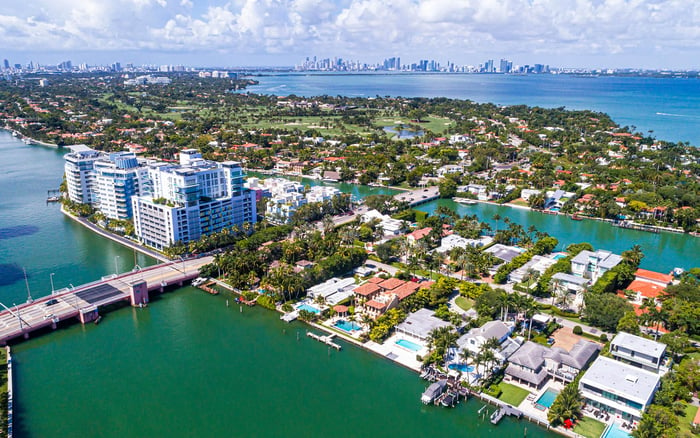
A buyer-focused look at how SIRS, reserve funding, assessments, and building scale can reshape the true cost of owning a South Florida boutique residence.
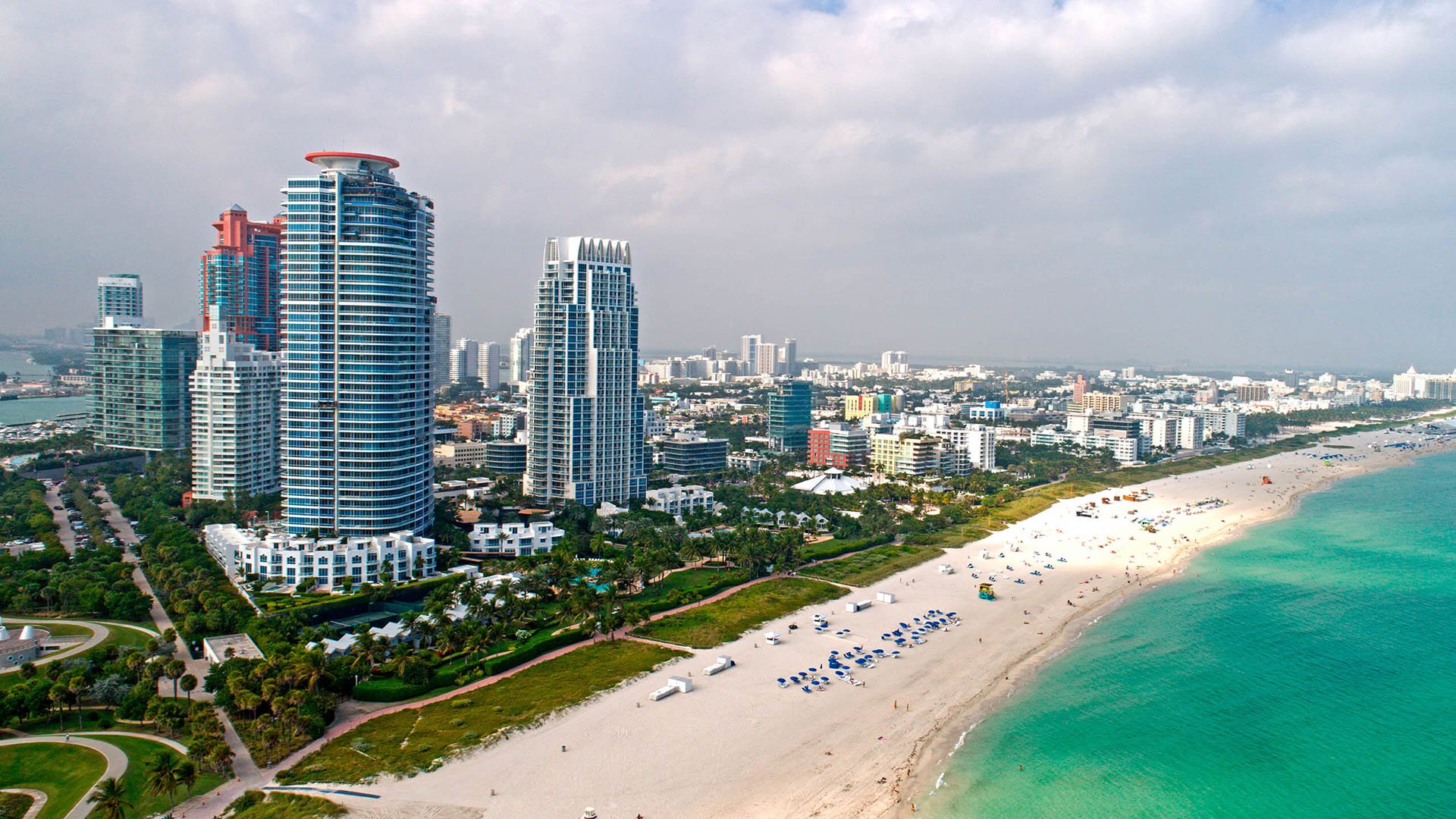
In South Florida, sophisticated buyers rarely evaluate a residence by asking only what the seller will accept. They ask what the building will require. That distinction is especially important in a boutique condominium, where privacy, design, and limited density are central to the appeal, but a smaller ownership group may also share the burden of maintaining elevators, roofs, structural components, seawalls, mechanical systems, pools, garages, and façades.
SIRS, commonly understood in buyer conversations as a structural integrity reserve study, has moved that conversation to the foreground. Even when a residence feels turnkey, the association beneath it may be entering a different financial chapter. A beautifully furnished home with a refined lobby and quiet pool deck can still carry future costs if reserves are light, maintenance has been deferred, or a funding plan is still being absorbed into monthly dues.
For luxury buyers, the real cost is therefore broader than price per square foot. It includes the monthly assessment, the reserve contribution, the probability of special assessments, the quality of association governance, and the timeline for major work. That is why reserve funding now belongs beside view, exposure, parking, and amenities in any serious pricing and trends conversation.
A reserve study reframes ownership from the inside out. Rather than focusing only on lifestyle amenities, buyers are pushed to evaluate the building as a private asset with future obligations. The question is not simply whether the residence is elegant. The question is whether the building has a credible plan to remain elegant, functional, insurable, and well maintained over time.
In a larger tower, costs may be distributed across many units. In a boutique residence, the same category of work can be shared by fewer owners. That intimacy is often the point. A smaller building may feel more personal, more discreet, and less like a resort. But the financial math can be less forgiving. A major capital project divided among a limited group can change the carrying-cost profile quickly.
This does not make boutique residences less desirable. It makes underwriting more important. The strongest buyers look for clarity: what has been studied, what has been funded, what is upcoming, what has already been completed, and how the association communicates about long-term maintenance. In luxury real estate, uncertainty is often more expensive than the expense itself.
South Florida’s boutique appeal is easy to understand. Buyers want fewer neighbors, more private arrivals, calmer amenity spaces, and homes that feel residential rather than transient. In Surfside, Bay Harbor, Coconut Grove, Boca Raton, and along select waterfront corridors, limited-scale buildings can offer a sense of belonging that a large tower cannot replicate.
That intimacy, however, should be priced with discipline. A boutique building may have a limited number of residences, but it still needs professional management, insurance, reserves, maintenance contracts, life-safety systems, and exterior upkeep. A smaller association may not always have the same financial cushion as a larger building. The monthly fee can be higher than expected, or lower than it should be, which may simply mean future owners will eventually confront the shortfall.
For buyers comparing an older boutique address with a new development such as The Delmore Surfside, the analysis is not only architectural. It is financial. Newer buildings may present a clearer initial framework for operations and reserves, while established buildings may offer a real history of maintenance decisions. Neither category should be accepted at face value.
Pre-construction and recently completed residences can feel cleaner from a reserve perspective because the major components are new or newly delivered. That can be reassuring, particularly for buyers who want predictability and a lower-friction first chapter of ownership. Residences such as 2200 Brickell appeal to buyers weighing modern design, urban convenience, and the benefits of a fresh building platform.
Still, new does not mean cost-free. Every building begins aging on day one. A refined association will plan early, fund consistently, and avoid treating low initial fees as a marketing advantage that future owners must correct. Buyers should ask how reserves are being built, what assumptions support the operating budget, and how amenities will be maintained as the building matures.
Existing residences offer a different advantage: evidence. Meeting minutes, budgets, engineering commentary, insurance history, and assessment patterns can reveal whether the building has been proactive or reactive. An older building with strong reserves and transparent governance may be more comfortable than a newer building with thin funding and optimistic projections.
A polished showing can make cost discipline feel inconvenient. Yet the most successful buyers bring financial questions into the process early. Before becoming emotionally attached to a terrace, a sunrise view, or a private elevator entry, they review the building’s financial posture.
The first number is the monthly assessment, but that number is only the beginning. A low monthly fee may be attractive, or it may suggest underfunding. A higher fee may feel heavy, or it may reflect a mature approach to reserves. The essential question is whether the fee is aligned with the building’s real needs.
Buyers should then ask about current reserve balances, planned projects, known deficiencies, pending assessments, completed capital work, insurance increases, litigation, and board communication. None of these items is inherently disqualifying. In fact, a building that openly addresses its obligations can be more desirable than one that avoids difficult conversations.
For investment-minded buyers, this matters because carrying cost influences yield, resale appeal, and negotiation leverage. A residence that appears inexpensive at contract may become less compelling if future assessments are likely, monthly costs are rising, or buyers in the resale market discount the building for uncertainty.
Different South Florida submarkets invite different reserve questions. In Brickell, buyers often compare lifestyle infrastructure, walkability, and amenity intensity. In that context, a building’s funding plan should be evaluated alongside the scale and complexity of its amenity program. A residence at The Residences at 1428 Brickell may attract a buyer seeking a modern urban environment, but that buyer should still understand how operating standards translate into monthly costs.
In Miami Beach, waterfront exposure, architectural pedigree, and private-club sensibility often shape demand. Buildings near the ocean may command emotional premiums, but buyers should be equally attentive to long-term exterior maintenance and association planning. Projects such as The Perigon Miami Beach sit within a market where design and durability are both part of the luxury equation.
In Surfside and Bay Harbor, boutique living often means a calmer rhythm and fewer residences. That can be ideal for second-home buyers who want privacy without the scale of a major tower. At the same time, fewer owners can mean a more direct relationship between building needs and owner cost. A buyer considering The Well Bay Harbor Islands should think not only about wellness, design, and setting, but also about how the association will support the property over a full ownership cycle.
Reserve awareness can also sharpen negotiation. A buyer who understands future costs may structure an offer with more precision, ask for credits where appropriate, or decide that a premium is justified because the building is financially disciplined. The goal is not to punish a property for having obligations. Every building has obligations. The goal is to price those obligations intelligently.
Sellers benefit from the same clarity. A residence in a building with strong reserves, transparent minutes, and a credible maintenance plan can be positioned with confidence. In a luxury market where buyers often have choices, operational strength becomes part of the brand. The most desirable buildings are not only beautiful on arrival. They are credible under review.
For South Florida boutique residences, SIRS and reserve funding do not diminish the romance of ownership. They refine it. They separate the residence that merely photographs well from the building that can support long-term pride of ownership. In a market shaped by water, weather, design, and discretion, that distinction is increasingly central to value.
What is SIRS in a condominium purchase? SIRS is commonly used to describe a structural integrity reserve study, which helps frame future building repair and funding needs.
Can reserve funding change what I can afford? Yes. Monthly reserve contributions, special assessments, and future capital needs can materially affect the true carrying cost.
Are boutique buildings more expensive to maintain? They can be, because fewer owners may share major building expenses. The key is whether the association has planned responsibly.
Is a high monthly fee always a negative? Not necessarily. A higher fee may reflect disciplined funding, while a low fee may require closer review for underfunding risk.
Should I avoid a building with a special assessment? Not automatically. The purpose, amount, timing, and long-term benefit of the assessment matter more than its existence alone.
Do new construction residences eliminate reserve concerns? No. New buildings still need thoughtful reserve planning from the start, even if major components are new.
What documents should a buyer review? Buyers should review budgets, reserve information, meeting minutes, assessment notices, insurance details, and association disclosures.
How does this affect resale value? Strong reserves and transparent governance can support buyer confidence, while uncertainty may create negotiation pressure.
Is this only relevant for waterfront buildings? No. Waterfront exposure can heighten attention, but every condominium building has systems and components that require funding.
When should I ask reserve questions? Ask early, ideally before contract terms are finalized, so the financial picture can inform pricing and negotiation.
For a tailored shortlist and next-step guidance, connect with MILLION.
If branded residences are on your mind — as a home or as an allocation — we would be glad to share what we are seeing, privately.
Begin a quiet conversation