A buyer-focused guide to evaluating preconstruction deposit schedules in Key Biscayne, with emphasis on escrow, milestone timing, refundability, financing risk, and contract review.
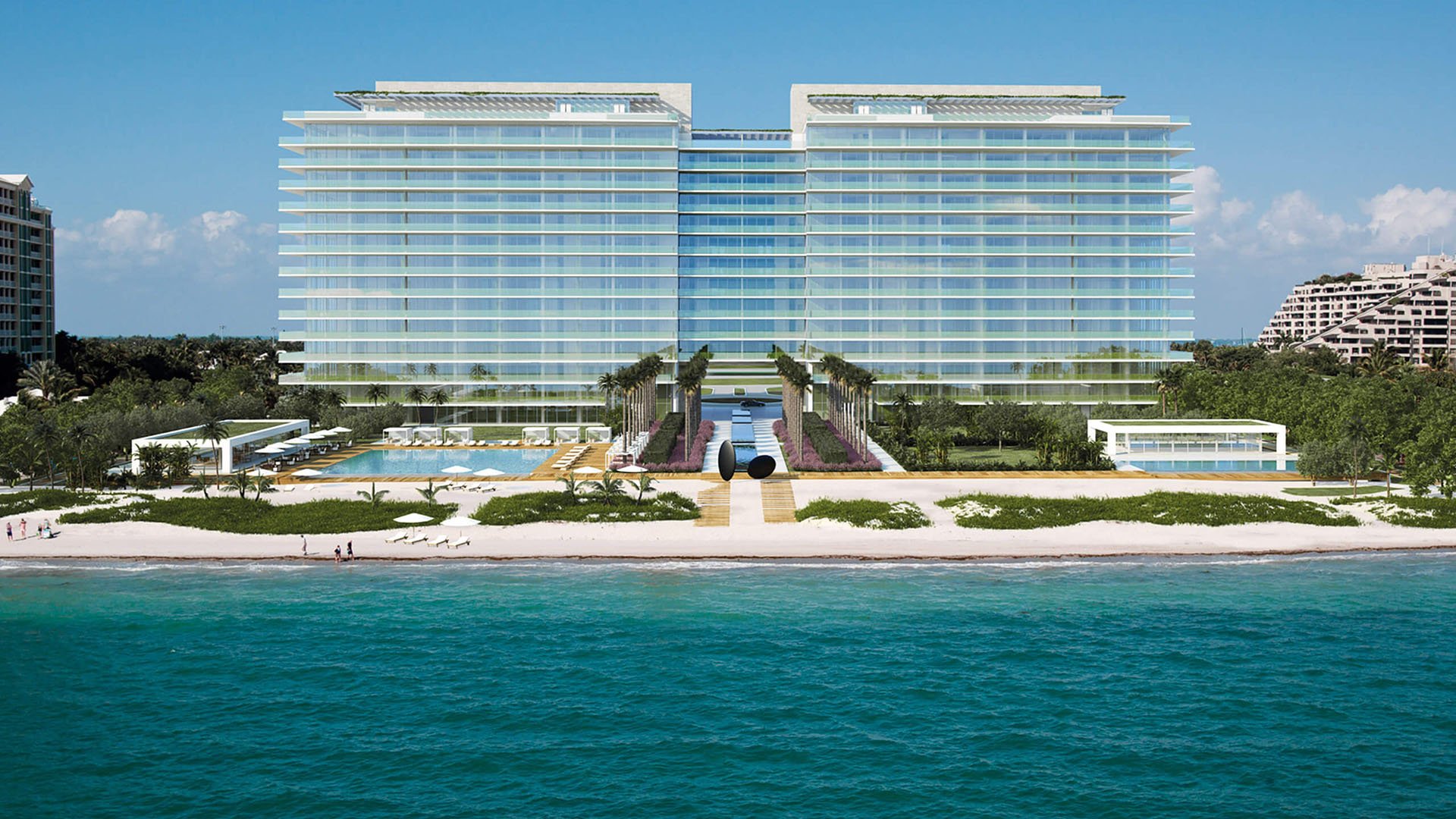
In Key Biscayne luxury real estate, the first conversation often centers on exposure, privacy, water, terrace depth, and the quality of the arrival sequence. For a preconstruction buyer, however, one of the most consequential details is less photogenic: the deposit schedule. It determines how much capital leaves your control, when it is due, how it is protected, and what happens if timing, financing, or personal circumstances change before closing.
A polished sales gallery can make the process feel effortless. The contract rarely is. Deposit schedules in pre-construction purchases should be read as a financial commitment map, not as a reservation form. A buyer considering a primary residence, pied-à-terre, or long-horizon investment should understand the precise rhythm of payments before becoming emotionally committed to a residence.
That discipline is especially relevant in Key Biscayne, where waterfront living carries a scarcity premium and buyer expectations are exacting. For perspective on the island’s established luxury language, Oceana Key Biscayne remains a useful reference point for the type of finished environment many buyers have in mind when evaluating what a future project is promising.
The headline question is simple: what percentage of the purchase price is required before closing? The more useful question is how that total is staged. A schedule that appears manageable at first glance may require several substantial payments before the buyer has full visibility on construction progress, financing availability, or final delivery conditions.
Ask for the complete schedule in writing. Confirm the amount due at reservation, at contract signing, after any rescission or cancellation period, at construction commencement, at vertical construction, at top-off, and before closing if additional installments are contemplated. The labels matter less than the actual dates, triggers, and dollar amounts.
A buyer should also ask whether the deposit is calculated on the base price only or on the full contracted price after upgrades, parking, storage, cabana rights, or other selections. In the ultra-luxury segment, optional selections can be meaningful. If those selections require separate deposits, the liquidity plan should include them from the beginning.
Escrow language is central. Buyers should ask where deposits are held, who controls the account, and under what conditions funds may be released. The answer should be reviewed by qualified Florida counsel before signing, because the practical difference between funds held for the buyer’s benefit and funds eligible for developer use can be significant.
A careful buyer will ask whether all deposit installments are treated the same way or whether later payments have different treatment. It is also fair to ask for clarity on any portion of the deposit that may become nonrefundable, any administrative fees, and any circumstances in which funds may be applied to project costs.
The point is not to assume risk is unacceptable. In luxury new construction, risk is part of the bargain. The point is to know exactly which risks are being accepted, when they begin, and whether they align with the buyer’s tolerance.
A deposit schedule based on dates is different from one based on construction milestones. A date-driven schedule may require payment whether or not the project has reached a visible stage. A milestone-driven schedule may feel more intuitive, but buyers still need to define the milestone. “Construction start” and “substantial completion” can mean different things in different contracts.
Ask for objective triggers. If an installment is due at groundbreaking, what constitutes groundbreaking? If a payment is due when the building reaches a certain stage, who verifies that stage? If notice comes from the developer, how much time does the buyer have to fund the installment?
This kind of precision is common in sophisticated purchases. Buyers comparing island and coastal opportunities, including The Residences at Six Fisher Island or The Ritz-Carlton Residences® Miami Beach, should apply the same discipline across every contract, even when the brand, architect, or location feels reassuring.
Preconstruction buyers should assume that timelines can move. A contract should be read for outside delivery dates, extension rights, force majeure language, and remedies if the project is delayed beyond agreed limits. The deposit schedule may continue to operate even when the calendar shifts, so buyers need to know whether payment obligations adjust with construction progress or remain fixed.
Ask whether delays give the buyer any cancellation rights. Ask what notice must be provided. Ask whether the developer has unilateral extension rights and whether those rights are limited. If the buyer is selling another property, relocating, or planning around a school year, these questions become especially important.
In Key Biscayne, lifestyle planning is part of the purchase thesis. A home may be tied to boating, school access, family routines, or seasonal use. The deposit schedule should not be reviewed in isolation from the buyer’s real life.
Many luxury buyers intend to close with cash or relationship-based financing, but that does not remove the need to understand financing language. Interest rates, liquidity events, portfolio values, and lending standards can change between contract and closing. A buyer should ask whether the contract contains a financing contingency, whether there are appraisal conditions, and what happens if a lender is not prepared to close on the scheduled date.
Preconstruction financing also has timing nuances. Some lenders may not issue final approval until the building is closer to completion. If a buyer’s deposit is nonrefundable long before that point, the buyer should be comfortable carrying that exposure.
This is where a private banker, attorney, and real estate advisor should be aligned before execution. The goal is not merely to qualify for the purchase. It is to understand how much capital is at risk before the residence exists as a completed asset.
Refundability is not a single yes-or-no concept. A contract may treat an initial reservation differently from a contract deposit, and it may treat early deposits differently from later installments. Buyers should ask for a plain-English timeline showing when funds are refundable, when they become nonrefundable, and what actions or missed deadlines could affect the outcome.
Ask whether the buyer has a review or cancellation window. Ask whether cancellation must be made in a particular format. Ask whether the refund period starts upon receipt of documents, execution of the contract, or another defined event. These details can determine whether a buyer has practical flexibility or only theoretical rights.
For international and out-of-state buyers, timing matters even more. Documents, wires, signatures, legal review, and travel schedules should all be coordinated before the first major payment is due.
Some buyers enter preconstruction with a clear intention to close and occupy. Others may want flexibility to assign the contract, place title in an entity, add a family member, or adjust ownership structure before completion. The contract may restrict those options.
Ask whether assignment is permitted, whether developer consent is required, whether fees apply, and whether the buyer remains liable after assignment. Ask whether entity changes are treated as assignments. If estate planning, asset protection, or tax structuring is part of the purchase, those conversations should happen before the contract is signed.
In a market where buyers may compare Key Biscayne with Brickell, Coconut Grove, Miami Beach, and Fisher Island, flexibility can have real value. A buyer studying an urban alternative such as Una Residences Brickell should still ask the same assignment questions rather than assuming the rules are consistent from project to project.
Luxury buyers often focus on finish quality, appliance packages, ceiling heights, terrace design, parking, storage, and service spaces. In preconstruction, the contract may give the developer latitude to modify plans, materials, layouts, amenities, or delivery specifications. The deposit schedule continues alongside those possibilities.
Ask what changes are permitted without buyer approval. Ask whether substitutions must be comparable. Ask whether changes to square footage, views, or terrace configuration create any rights for the buyer. Ask how upgrade deposits are treated if a selection is later unavailable.
A refined residence is built through details. The contract should explain which details are fixed, which are aspirational, and which remain subject to change.
The most prudent buyers do not review deposit schedules alone. They assemble a small, discreet advisory circle: real estate counsel, tax counsel when relevant, a wealth advisor or banker, and a buyer representative who understands the luxury condominium process. The schedule should be tested against cash-flow planning, ownership structure, estate objectives, and exit scenarios.
Price is only one part of risk. Deposit timing, refund rights, escrow protections, default language, and delivery obligations can be just as important. For Key Biscayne buyers, the right question is not simply “Can I afford the residence?” It is “Am I comfortable with the commitment sequence from today through closing?”
How much should I expect to deposit on a preconstruction luxury condo? The total varies by project and contract. Ask for the complete schedule in writing before you sign anything binding.
Is the first deposit always refundable? Not always. Confirm the exact refund window, required notice method, and date when any funds become nonrefundable.
Who should review the deposit schedule? A qualified Florida real estate attorney should review the contract. Your banker or wealth advisor should also test the schedule against liquidity planning.
Are milestone-based deposits safer than date-based deposits? They can feel more aligned with progress, but the contract must define each milestone clearly. Ambiguous triggers can still create risk.
What should Key Biscayne buyers ask first? Ask where deposits are held, when they can be released, and what remedies exist if the project timeline changes materially.
Can I finance the purchase later if I sign now? Possibly, but the contract may not protect you if financing is unavailable. Review contingency language before relying on future lending.
What happens if I miss a deposit deadline? The contract will control the consequences. Ask about cure periods, default notices, late fees, and possible forfeiture before signing.
Can I assign my contract before closing? Some contracts restrict assignments or require developer consent. Confirm fees, approval rights, and continuing liability in advance.
Do upgrade deposits follow the same rules as purchase deposits? Not necessarily. Ask whether deposits for finishes, parking, storage, or other selections are refundable or separately governed.
What is the best way to shortlist comparable options for touring? Start with location fit, delivery status, and daily lifestyle priorities, then compare stacks and elevations to validate views and privacy.
To compare the best-fit options with clarity, connect with MILLION.
If branded residences are on your mind — as a home or as an allocation — we would be glad to share what we are seeing, privately.
Begin a quiet conversation.jpg&width=700&height=438&fit=cover)