A buyer-focused look at why service elevator access can affect move-in budgets, renovation logistics, staff discretion and long-term value in South Florida branded residences.
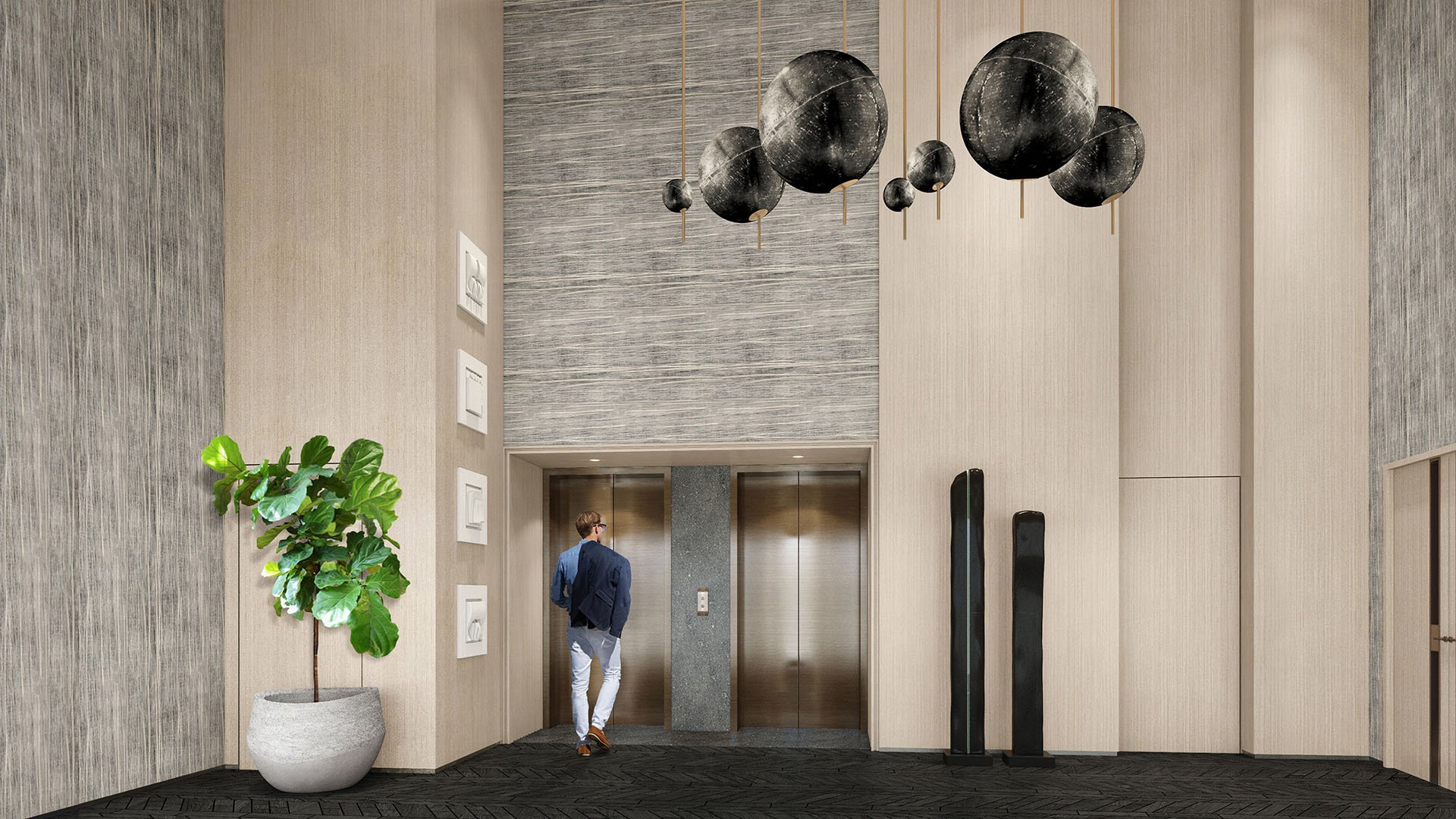
In South Florida luxury real estate, the conversation often begins with views, finishes, terraces and brand pedigree. Yet one of the most consequential details may sit behind a discreet door: the service elevator. For buyers of branded residences, this back-of-house feature can influence the real cost of ownership in ways that rarely appear in the purchase price.
A service elevator is not simply a convenience for deliveries. It can determine how furniture arrives, how art is installed, how staff circulate, how contractors access a home and how privately an owner can live during a move or renovation. In buildings where arrival is choreographed with hotel-level precision, the separation of resident, guest, vendor and staff movement becomes part of the value proposition.
The premium is not always about having more elevators. It is about having the right elevator available at the right time, governed by rules that align with how the owner intends to use the residence.
The first cost is time. A residence may close on schedule, yet the actual occupation of the home can depend on elevator reservations, building move-in procedures and vendor access windows. If a service elevator is heavily scheduled, a buyer may need to phase deliveries, divide installations across multiple days or pay trades to return when access is permitted.
For a furnished pied-à-terre, that may be a modest inconvenience. For a large primary residence with custom furniture, lighting, wardrobes, art handling and audio-visual work, logistics can become a meaningful line item. Labor waits. Delivery crews reschedule. Designers adjust sequencing. The owner pays for coordination that more flexible service access might have avoided.
This is where a low-visibility building feature becomes a high-impact financial variable. The cost is not the elevator itself. The cost is friction.
In a traditional condominium, an owner may tolerate a practical, workmanlike move-in process. In a branded residence, expectations are different. The buyer is often purchasing not only a home, but a managed residential experience. Service choreography matters because it protects the front-of-house atmosphere.
That distinction is especially relevant in dense urban settings such as Brickell, where elevator systems must support residents, guests, staff, deliveries and service providers within a vertical environment. At St. Regis® Residences Brickell, buyers evaluating the brand experience should look beyond arrival sequence and amenities and ask how daily logistics are managed behind the scenes.
The same principle applies across Miami Beach, where design-forward living often includes large-scale furniture, outdoor pieces for terraces and frequent hospitality-style service. In a setting such as The Ritz-Carlton Residences® Miami Beach, the value of discretion is inseparable from the handling of service circulation.
The most visible expense appears during move-in. A buyer may need elevator padding, insurance certificates, management approval, freight reservations and approved delivery windows. None of these items is unusual. The question is whether the building's service capacity makes the process efficient or fragmented.
Renovations can magnify the issue. Even modest improvements may require repeated access for millwork, stone, appliances, lighting, cabinetry or specialty trades. If service elevator use is limited or difficult to reserve, the construction calendar can stretch. That can increase carrying costs, temporary housing needs and management complexity.
For ultra-luxury buyers, the point is not to avoid rules. Well-run buildings need them. The point is to understand those rules before assuming a residence can be delivered, furnished or customized on the owner's preferred timeline.
Privacy in a branded residence is often discussed in terms of private lobbies, secure parking and residential-only amenities. Service elevator availability belongs in that same conversation. When staff, chefs, housekeepers, florists, stylists, technicians and delivery teams can move separately from owners and guests, the home functions with less visibility and less disruption.
That discretion has practical value. A family hosting guests does not want daily service activity passing through the primary arrival experience. A seasonal owner may want the residence prepared before arrival without turning the lobby into a staging area. A collector may want art handlers or specialty installers to work quietly, with minimal attention.
In Sunny Isles Beach, where high-rise living often pairs expansive residences with resort-style expectations, the back-of-house plan can affect how effortless ownership feels. A buyer considering Bentley Residences Sunny Isles should view service elevator strategy as part of the broader operational architecture, not as an afterthought.
A sophisticated buyer should ask direct, practical questions before signing. Is there a dedicated service elevator, or do service functions share resident elevator capacity? Are there restrictions on move-in hours, weekend access or holiday scheduling? How far in advance must reservations be made? Are there weight, size or protection requirements that could affect furniture, stone, millwork or oversized art?
The answers can change the true ownership budget. They may affect design choices, delivery planning and the sequencing of post-closing work. They may also shape whether a residence is better suited for turnkey use, light personalization or a more ambitious custom installation.
For buyer's guides aimed at the upper end of the market, the service elevator is best treated like ceiling height, terrace depth or parking: not glamorous on its own, but deeply connected to livability.
South Florida is not one market. A waterfront tower in Fort Lauderdale may have different daily rhythms than a boutique building in Bay Harbor Islands or a high-rise in Downtown Miami. Beachfront buildings may see more seasonal turnover, terrace furnishing and hospitality-driven service. Urban towers may manage more frequent deliveries and vendor activity. Boutique residences may offer intimacy, but fewer vertical circulation options.
At Four Seasons Hotel & Private Residences Fort Lauderdale, the branded hospitality context naturally invites questions about how residential privacy, hotel-level service and operational movement coexist. Those questions are not negative. They are part of serious due diligence.
A buyer should also consider household style. A lock-and-leave owner may care most about occasional deliveries and maintenance access. A full-time resident with staff may place greater value on daily separation of service routes. A collector, entertainer or frequent host may see service elevator access as essential to preserving the atmosphere of the home.
Service elevator availability may not headline a listing, but it can influence how a knowledgeable buyer evaluates a residence. When two comparable homes offer similar views, finishes and amenities, operational ease can become a differentiator. A residence that is easier to furnish, service and maintain may feel more complete.
This is especially true in the ultra-premium segment, where buyers often expect the home to absorb complexity. The more effortless the experience appears, the more carefully the building usually needs to manage what remains unseen. Smooth delivery access, discreet staff movement and practical renovation logistics all contribute to the sense that the property is designed for real life, not only for presentation.
The best approach is simple: price the lifestyle, not just the square footage. A beautiful residence with constrained service access may still be the right purchase, but the buyer should understand the operational premium required to make it work.
Why does a service elevator matter in a branded residence? It affects how deliveries, staff, contractors and installations move through the building without disrupting the owner or the front-of-house experience.
Can service elevator access change my move-in cost? Yes. Limited access windows can create extra labor time, repeat delivery visits and additional coordination between vendors and building management.
Should I ask about service elevators before signing a contract? Yes. The rules can affect your timeline, renovation plan, furnishing strategy and total cost after closing.
Is a dedicated service elevator always better? It is often preferable, but the more important question is how well the building manages reservations, protection requirements and vendor access.
What should designers know about elevator access? Designers should understand elevator dimensions, reservation rules, protection requirements and delivery windows before ordering large or delicate pieces.
Does this matter for a fully furnished residence? It can. Even turnkey homes may require art installation, terrace furnishing, maintenance, seasonal refreshes or specialty service visits.
How does service access affect privacy? Separate service circulation can keep staff, deliveries and contractors away from primary resident and guest arrival areas.
Can service elevator rules delay renovations? They can if trades must work around limited reservation windows or if materials require special handling through the building.
Is this issue more important in high-rises? It can be, because vertical living depends heavily on elevator scheduling, circulation planning and management discipline.
Should service elevator access affect resale thinking? Yes. Sophisticated buyers often value residences that are easier to furnish, staff, service and maintain over time.
For a tailored shortlist and next-step guidance, connect with MILLION.
If branded residences are on your mind — as a home or as an allocation — we would be glad to share what we are seeing, privately.
Begin a quiet conversation