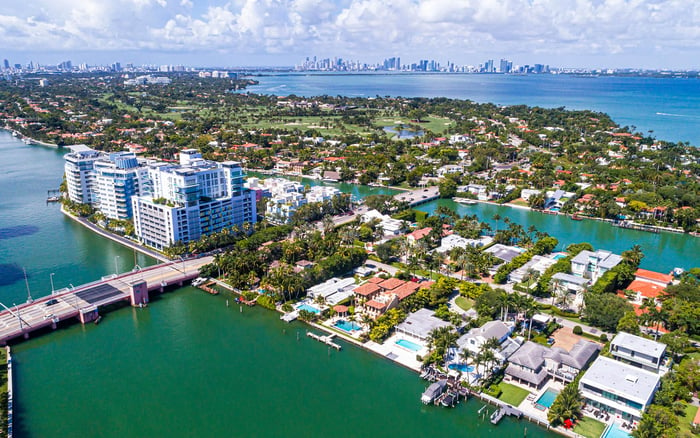
A practical ownership framework for evaluating seasonal life at Tula Residences, with attention to carrying costs, building rules, storm planning, staffing, access, rental flexibility, and eventual resale.

The appeal of a seasonal Miami residence lies in effortless occupancy: arrive, settle in, and leave without turning the property into a second household to manage. For a buyer considering Tula Residences North Bay Village, that ease should be modeled, not assumed.
The decisive questions are operational. Who prepares the residence before arrival? Which expenses continue through an empty month? How are deliveries, guests, vehicles, pets, and service providers handled? What happens when weather disrupts travel plans? A disciplined purchase decision translates each expectation into a documented rule, cost, or responsibility.
This is especially important for a second-home buyer whose calendar may shift. Seasonal ownership is not simply a shorter version of full-time living. It has its own rhythm of openings, closures, inspections, maintenance, and remote decision-making.
A useful budget separates ownership into occupied, vacant, and exceptional periods. The occupied case should include routine household consumption, cleaning, valet or parking needs, gratuities, and private services. The vacant case should account for climate control, inspections, internet, preventive maintenance, and readiness visits. The exceptional case should reserve for insurance changes, repairs, special assessments, storm preparation, and unplanned travel.
Do not reduce the analysis to the purchase price and a single monthly carrying-cost figure. Request the current schedule of charges, identify what is included, and determine which services are billed by use. Review how future operating budgets and reserves may affect the annual total. If financing is involved, test the cost under more than one interest-rate and insurance scenario.
Taxes also require individualized advice. Ownership structure, residency, financing, rental use, and estate planning can change the outcome. The model should be reviewed by the buyer’s legal and tax advisers before contractual obligations become difficult to unwind.
Condominium documents matter because they determine whether the desired lifestyle is permitted. Counsel should review leasing provisions, approval procedures, guest access, move-in protocols, renovation controls, vehicle policies, pet restrictions, and the treatment of domestic staff or outside vendors.
The buyer should also map the practical steps surrounding every arrival. Can groceries and luggage be received in advance? May a house manager access the residence while the owner is away? Are guests subject to notice requirements? Which vendors may enter, during what hours, and under whose supervision? These details often define convenience more clearly than an amenity inventory.
Rental flexibility deserves separate analysis, even when leasing is not the initial plan. A future change in family use or travel patterns can make optionality valuable. Any investment thesis should rest on the governing documents, expected expenses, management demands, and a conservative view of vacancy-not an assumed stream of seasonal income.
Waterfront ownership calls for a written absence plan. It should assign responsibility for monitoring the residence, moving outdoor objects where applicable, checking windows and mechanical systems, responding to building notices, documenting conditions, and coordinating access after severe weather.
Insurance should be reviewed as a layered structure, not a single policy. A buyer’s adviser can clarify the relationship among association coverage, unit-owner coverage, deductibles, exclusions, personal property, improvements, flood considerations, and loss-assessment protection. Confirm who has authority to act if the owner is abroad and how quickly funds can be released for urgent work.
The same protocol should address ordinary interruptions. A leak, power issue, air-conditioning fault, or appliance failure can become expensive when a residence is unattended. Remote sensors may help, but they do not replace an accountable local person with documented access and a clear escalation path.
North Bay Village ownership should be tested against the buyer’s actual calendar. Drive likely routes during the times that matter, including airport transfers, dinner hours, school or family visits, weekend departures, and appointments across the mainland or Miami Beach. Consider how weather, events, and construction could alter the experience without assuming today’s pattern will remain fixed.
A comparison set brings those preferences into focus. Buyers can contrast the proposed routine with Continuum Club & Residences North Bay Village and Shoma Bay North Bay Village, applying the same questions about arrival, parking, service, privacy, and recurring costs. The purpose is not to declare a universal winner, but to identify the operating model that best fits the household.
Seasonal ease usually depends on people. Determine whether building personnel, an independent house manager, or a combination will handle inspections, housekeeping, flowers, provisioning, vehicle care, maintenance appointments, and departure checks. Obtain scopes of work and clarify who carries insurance, holds keys, approves invoices, and reports problems.
For another nearby point of comparison, Pagani North Bay Village can be assessed through the same service matrix. Keep brand impressions separate from contractual obligations. Distinguish marketed hospitality from services expressly included, services available for a fee, and tasks that remain entirely the owner’s responsibility.
Create a simple annual calendar covering pre-arrival inspection, deep cleaning, mechanical servicing, insurance renewal, tax deadlines, storm readiness, inventory review, and post-departure closure. The objective is not complexity, but a repeatable routine that works even when travel plans change.
Before purchasing, write a concise exit memo. Identify the likely future buyer, the features that may support demand, the carrying costs a successor must accept, and any rules that could narrow the audience. Test a longer holding period and a slower sale rather than relying on immediate liquidity.
Also consider how personal upgrades will age. Highly specific interiors, elaborate technology, or maintenance-intensive finishes can enhance private enjoyment while reducing broad appeal. Ask what should be permanent, what can remain movable, and what requires building approval. The strongest plan balances pleasure today with clarity for a future purchaser.
A seamless season is therefore a designed outcome. It emerges when legal permissions, annual costs, local oversight, insurance, mobility, and resale strategy are reconciled before the first extended absence.
What is the first document a seasonal buyer should review? Begin with the proposed contract and condominium documents, reviewed by qualified Florida counsel for the buyer’s intended use.
How should carrying costs be modeled? Build occupied, vacant, and exceptional-year scenarios that include recurring charges, private services, maintenance, insurance, taxes, and contingencies.
Should a buyer assume building staff will manage an empty residence? No. Confirm the precise scope of building services and separately appoint local oversight for any responsibilities not included.
Why do rental rules matter if leasing is not planned? They influence future flexibility, potential buyer demand, management requirements, and the options available if personal circumstances change.
What should a hurricane plan contain? It should assign authority, access, preparation tasks, documentation, communications, vendor coordination, and post-event inspections.
How can a buyer assess traffic realistically? Test relevant routes at the hours and on the days that match the household’s likely schedule.
What should be confirmed about guests and staff? Verify registration, access, parking, key control, permitted hours, insurance requirements, and any advance-notice procedures.
Is remote technology enough for vacancy management? Sensors are useful, but an accountable local representative remains important for inspections, access, and emergency response.
How should comparable projects be used? Apply a consistent matrix covering costs, rules, service scope, privacy, access, and resale flexibility rather than comparing presentation alone.
When should tax and estate planning begin? Before ownership structure and contract terms are finalized, with advice tailored to the buyer’s residency, family, and financial circumstances.
To compare the best-fit options with clarity, connect with MILLION.
If branded residences are on your mind — as a home or as an allocation — we would be glad to share what we are seeing, privately.
Begin a quiet conversation