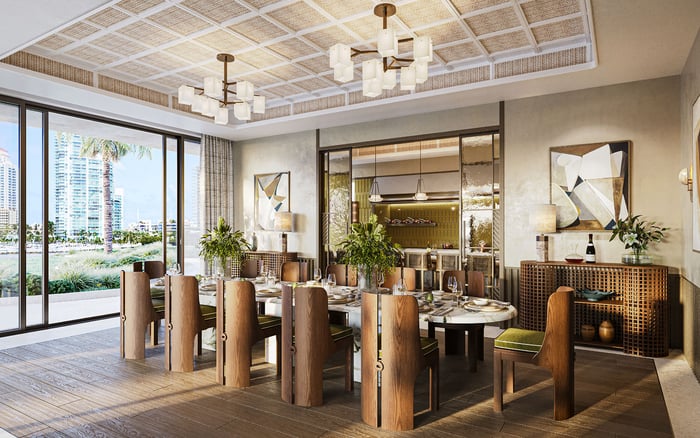
In South Florida, true luxury condominium living is increasingly measured by how a building feels day to day: calm, air-light, quietly curated. Thoughtful plant design paired with disciplined biophilic maintenance services can turn lobbies, amenity decks, and private terraces into living interiors, protecting aesthetics while supporting comfort in a coastal climate. For boards and buyers alike, the differentiator is not the presence of greenery, but the quality of its planning, the rigor of its care, and the way it integrates with architecture, wellness, and operations.
South Florida’s best condominium buildings have always competed on views, materials, and service. Increasingly, the defining impression is subtler: how the property modulates mood. Biophilic design, when executed with restraint, is not a trend; it is a method for making large buildings feel human-scaled. Lushness can be theatrical, but the more enduring luxury is composure: softened acoustics in a double-height lobby, a cooler visual temperature on a sunlit pool deck, a corridor that reads less like a passage and more like a gallery.
For residents, the value is immediate. A calm arrival sequence, shaded transitions between amenity zones, and terraces that feel complete rather than exposed can elevate the daily reality of living in a tower. For boards, biophilia operates like a high-touch finish category. It is highly visible, photographed constantly, and judged instantly. It can either strengthen the building’s brand-or signal drift the moment it looks tired.
The strategic shift is clear: plant design is no longer an add-on. The most convincing properties treat it as part of the architectural kit of parts-lighting, stone, millwork, and planting specified as one cohesive composition.
A successful biophilic plan starts where residents actually form opinions, then designs greenery to perform.
Arrival and lobby.
The lobby is the building’s handshake. Rather than filling corners with generic planters, treat planting as spatial choreography: flanking the reception zone to create privacy without barriers; using layered heights to preserve sightlines; and selecting foliage that reads as sculptural under warm lighting. In a tower environment, plants can also soften acoustics, reducing the hard-edged reverberation of stone floors and glass walls.
Elevator lobbies and corridors.
These high-frequency touchpoints can feel serene or relentlessly utilitarian. Narrow spaces benefit from fewer, stronger gestures: one oversized statement planter at a corridor terminus, or a living wall panel only where it can be evenly lit and properly serviced. The goal is not jungle; it is punctuation.
Amenity decks and pool zones.
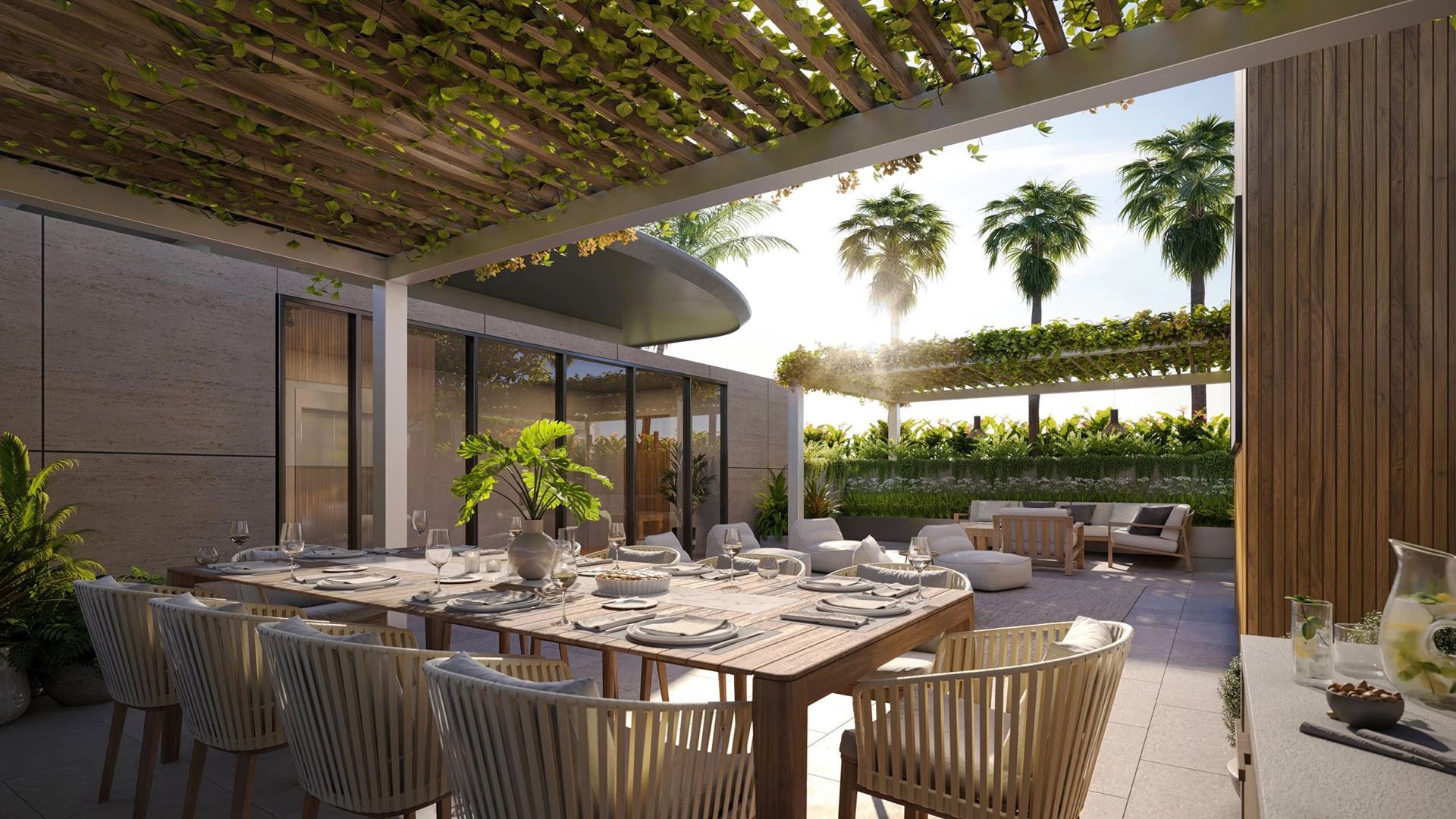
Outdoor planting should be planned as microclimate engineering: shade, wind buffering, and glare control. A pool deck can read materially luxurious yet still feel uncomfortable if reflected heat and wind go unmanaged. Thoughtful plant massing creates outdoor rooms-not just open terraces.
Fitness, spa, and wellness rooms.
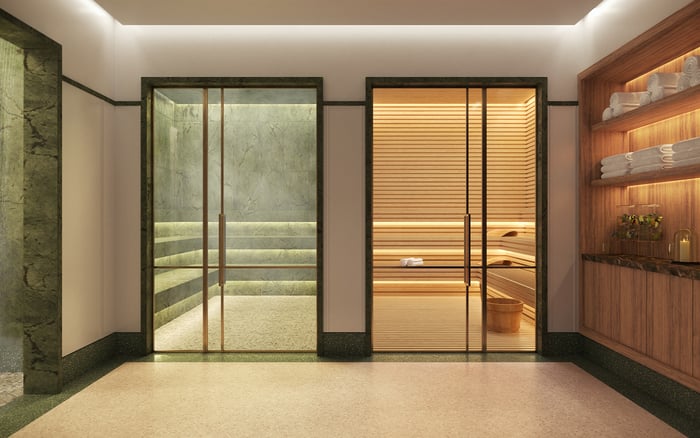
Here, biophilia is less about density and more about precision. Plants should reinforce a clean, breathable atmosphere and a sense of privacy without reading as décor. In wellness spaces, “less but alive” often feels most premium.
Private terraces.
The terrace is where buyers picture living, not just owning. Many residents want greenery without the responsibility. A building-level approach to terrace planting-consistent containers paired with a clear maintenance protocol-can turn exterior areas into true extensions of the interior.
In neighborhoods where lifestyle and design shape purchase decisions, the expectation for elevated common areas is already built in. In Brickell, for instance, conversations around new luxury residences often center on how a building curates everyday rituals-an ethos that aligns naturally with properties such as 2200 Brickell.
South Florida is not forgiving. Salt air, intense UV, humidity swings, and wind loads punish vague plant concepts. The difference between a biophilic feature that matures gracefully and one that becomes a chronic line item usually comes down to early technical decisions.
Start with the exposure map.
A building contains multiple climates: windy corners, shaded canyons between towers, reflective heat near glass, and irrigated zones adjacent to hardscape. Assign planting to these conditions deliberately.
Select for resilience, not novelty.
The strongest palettes prioritize plants that hold structure, color, and leaf integrity under stress. The look can still be sophisticated-it just has to be engineered for longevity.
Specify containers like exterior furniture.
Planters should be treated as permanent exterior elements: stable in wind, sized for proper root volume, with drainage designed to avoid staining, slip hazards, and waterproofing conflicts. Poor drainage is not only a plant issue; it is a building issue.
Irrigation and water management must be invisible.
Residents should experience greenery-not hoses or improvised watering. Drip systems, smart controllers, and clear maintenance access should be planned from the start to avoid workarounds that read as operational clutter.
Along the ocean, the bar is higher still. Residents expect landscape to look deliberate year-round, even in harsh conditions, which is why oceanfront-minded design conversations often orbit projects like 57 Ocean Miami Beach.
Plant design is the promise. Maintenance is the delivery.
A premium biophilic maintenance program is not simply watering. It is a service discipline that protects the building’s visual standard and reduces operational surprises.
Horticultural care with an aesthetic mandate.
Pruning should honor the original design intent: proportions, negative space, and sightlines. Overgrowth can make a lobby feel cluttered; undergrowth can make it feel abandoned.
Integrated pest management.
In high-density living, pest issues are reputational. Strong programs prevent problems through monitoring, sanitation, and targeted treatment rather than reactive spraying.
Leaf cleaning and presentation standards.
Dust, hard-water spotting, and salt film can make healthy plants look dull. Regular cleaning is the difference between “greenery present” and “greenery curated.”
Seasonal rotation and replacement planning.
Even well-selected plants have lifecycles. Maintenance should include a discreet replacement plan that keeps the building consistently photo-ready, supported by a pre-approved allowance and a clear approval process.
Irrigation inspection and leak prevention.
Minor leaks can become major damage when planters sit over finished stone or above waterproofed decks. Routine checks protect both landscaping and the building envelope.
In Fort Lauderdale and Hallandale, where indoor-outdoor amenities are central to the lifestyle pitch, maintaining the exterior experience is inseparable from maintaining brand. That expectation aligns with the coastal, design-forward positioning seen in properties such as 2000 Ocean Hallandale Beach.
Luxury buyers may fall in love with a building’s landscaping, but boards live with the operating reality. The answer is not to cut greenery. The answer is to make the scope measurable.
Define standards in writing.
What does “excellent” mean in this building? Establish baseline expectations for fullness, color, cleanliness, and planter presentation. Create a photographic standard for key zones such as the lobby, pool deck, and fitness areas.
Insist on schedules and service logs.
A real program has rhythms: weekly presentation touch-ups, monthly inspections, quarterly refreshes, and seasonal rotations. Documentation should be routine-not defensive.
Separate design refresh from basic care.
If every improvement request is bundled into maintenance, costs become difficult to compare year over year. Distinguish between maintaining the landscape at standard and upgrading the concept.
Coordinate with engineering and housekeeping.
Biophilic elements intersect with HVAC, lighting, waterproofing, and cleaning. When departments operate in silos, plants can become casualties of conflicting priorities.
The most effective boards treat living design as a core asset, on par with façade lighting or lobby finishes. It is part of the building’s identity and should be managed accordingly.
For a buyer evaluating a luxury condo, biophilia can be a revealing proxy for operational maturity. A building that maintains plants well typically maintains other details well.
Ask practical questions during due diligence and walkthroughs:
1) Who owns the vision?
Is there a designated manager or committee accountable for landscape quality, or is it handled ad hoc?
2) What is the replacement philosophy?
A premium building replaces discreetly and proactively. A compromised building waits until planters look sparse.
3) How are terraces handled?
If the building supports terrace plantings, ask how access, irrigation, and resident preferences are managed.
4) Is lighting designed for plants, not just people?
Plants placed in visually beautiful but light-starved zones will decline-and you will see it in the leaf quality.
5) Are planters integrated into waterproofing strategy?
Especially on decks, ask how drainage and overflow are managed.
In wellness-oriented communities, landscaping is often part of a broader lifestyle narrative. In Bay Harbor Islands, that philosophy aligns naturally with the positioning of The Well Bay Harbor Islands, where health-minded living is expected to extend beyond interiors.
In a market where many buildings can offer high ceilings, waterfront views, and curated amenity packages, the differentiator becomes the everyday sensory experience. Biophilic design delivers when it is treated as an operating system: planned for coastal conditions, integrated with architecture, and protected by disciplined maintenance.
The highest expression of luxury is not excess. It is consistency. A lobby that always feels composed, a deck that reads like a resort without feeling busy, and greenery that looks intentional twelve months a year signals a building that understands service at a granular level.
What is biophilic design in a condominium setting? It is the intentional integration of living elements into common areas and amenities to improve comfort, mood, and perceived quality.
Why do some condo plants look tired even in new buildings? Usually the issue is mismatched light, wind exposure, or irrigation design, compounded by inconsistent maintenance standards.
Is a living wall always a good idea for a luxury lobby? Only when lighting, access, and drainage are engineered for service; otherwise it can become a high-visibility liability.
How often should common-area plants be serviced? High-visibility zones typically need weekly presentation touch-ups, with deeper inspections on a monthly cycle.
What does biophilic maintenance include beyond watering? It should cover pruning to design intent, pest monitoring, leaf cleaning, irrigation checks, and planned replacements.
Can terrace planting be managed at the building level? Yes, with standardized containers, clear access rules, and an agreed maintenance scope that respects resident privacy.
Do plants meaningfully affect a building’s first impression for buyers? Yes, because greenery is a constant visual cue that signals whether management protects details or lets them drift.
How can boards control landscaping costs without lowering quality? Define measurable standards, separate basic care from design refresh, and require schedules and service documentation.
Are certain spaces better for biophilic investment than others? Arrival sequences, pool decks, and wellness areas typically deliver the highest daily impact per square foot.
What should I look for during a tour to judge maintenance quality? Check leaf cleanliness, pruning consistency, planter drainage, and whether plants look uniformly intentional across zones.
For a discreet conversation and a curated building-by-building shortlist, connect with MILLION Luxury.
If branded residences are on your mind — as a home or as an allocation — we would be glad to share what we are seeing, privately.
Begin a quiet conversation