A practical MILLION guide to evaluating W Pompano Beach Hotel & Residences as a full-time home, from daily routines and privacy to hospitality services, beach access, work-from-home needs, and North Broward lifestyle context.

For many buyers, W Pompano Beach Hotel & Residences will first read as a polished oceanfront hospitality proposition: a branded hotel-and-residences project in Pompano Beach shaped by contemporary luxury, full-service living, direct beach access, and the unmistakable social energy of W.
The more important question is not whether it works as a vacation base. It is whether it can support a refined full-time life. That distinction matters. A second home can accommodate more novelty, guest movement, and weekend intensity. A primary residence must deliver rhythm, privacy, predictability, and ease on ordinary Tuesdays as well as peak-season Saturdays.
That is where the project fits into a broader South Florida conversation. Branded residences are no longer confined to trophy addresses in Miami Beach, Sunny Isles, or Brickell. Hotel flags and hospitality identities are reshaping condominium expectations across the region, and Pompano Beach is now part of that evolution. For full-time residents, the opportunity is compelling: resort-style services and programming folded into daily life, without surrendering the practical requirements of home.
Pompano Beach has long offered a quieter coastal identity than some of South Florida’s more internationally saturated waterfront markets. The beachfront and pier area give the city a clear daily anchor: morning walks, beach time, casual dining, and an increasingly curated North Broward rhythm. For buyers who want ocean proximity without the density profile of Miami Beach, that distinction matters.
The W arrival belongs in this broader lifestyle context. It may introduce Pompano Beach to global buyers who already understand the W brand from other destinations, while giving local and regional buyers a more design-forward Broward alternative. Nearby projects such as The Ritz-Carlton Residences® Pompano Beach, Armani Casa Residences Pompano Beach, and Waldorf Astoria Residences Pompano Beach reinforce the larger point: Pompano is being recast as a serious luxury residential destination, not merely a pass-through beach town.
For a full-time owner, the appeal is not only the water. It is the possibility of building a measured coastal routine around services, wellness, dining, and access while remaining close to broader North Broward conveniences.
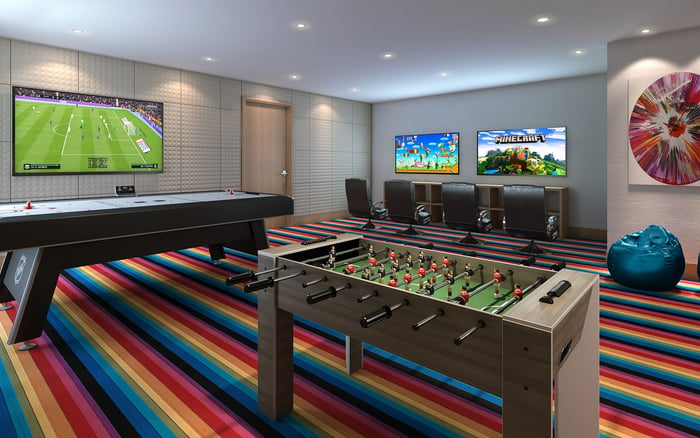
The W proposition is inherently more social than a conventional condominium. Its brand language suggests design-forward common spaces, hospitality services, wellness, dining, and a curated atmosphere that may feel more animated than a quiet private tower. For some residents, that is the point. The building is not meant to disappear into the background. It offers energy.
For others, the key is understanding where that energy begins and ends. Full-time living requires close attention to hotel activity, guest circulation, amenity access, and branded programming. Buyers should ask how residential entries are organized, how guests and owners move through shared areas, whether any spaces are resident-only, and how the property manages peak demand.
None of these questions diminish the model’s appeal. They separate lifestyle fantasy from residential fit. A remote worker may love hotel-level service but need calm during business hours. A frequent traveler may prize lock-and-leave simplicity but still want consistency when returning home. A family may enjoy dining and beach access yet require reliable parking, pet clarity, and predictable elevator flow.
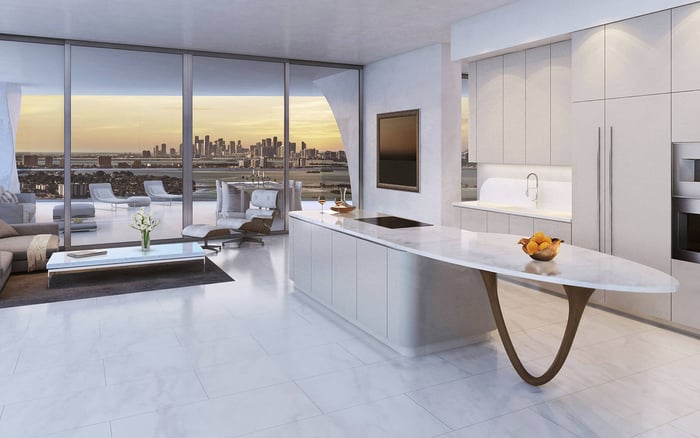
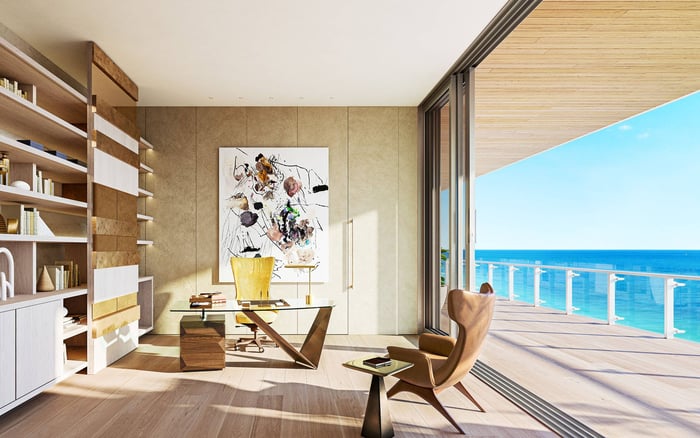
The best way to evaluate W Pompano Beach as a primary home is to imagine a complete week, not a holiday weekend. Morning could begin with beach access, a fitness or wellness routine, coffee, and work from the residence. Midday may involve calls, deliveries, service requests, or a quick walk near the pier area. Evening may shift into dining, social programming, or a quieter night at home.
This is where an oceanfront branded residence can be unusually efficient. The same property can support recreation, hospitality, and home life without requiring constant driving. The tradeoff is that full-time owners should define boundaries early. Which spaces will you use every day? Which amenities matter only occasionally? Will the social energy feel inspiring in January and still comfortable in August?
Buyers comparing the W environment with a nearby boutique or purely residential tower should resist ranking everything by amenity count. The better question is how the building’s services will support actual behavior. If you entertain often, the hospitality layer may become valuable. If you travel frequently, service consistency may reduce friction. If your days are quiet and work-heavy, acoustics, privacy, and circulation may matter more than programming.
A full-time buyer should approach due diligence with hospitality-specific questions. How are hotel guests separated from residents, if at all? Are there dedicated residential lobbies or elevators? How are beach areas, pools, dining venues, and wellness spaces managed during busy periods? What policies apply to pets, visitors, deliveries, valet, storage, and short-term use?
The fee structure deserves the same scrutiny. Hotel-level service is not abstract. It is delivered through staffing, maintenance, programming, and operating standards. Owners should understand the relationship between condominium assessments, service charges, optional services, and any use policies tied to the hotel component. The most sophisticated buyers are not simply asking, “What do I get?” They are asking, “How reliably will this support the way I live?”
This same lens applies across South Florida’s branded waterfront market, from Pompano to Fort Lauderdale and beyond. A project such as Four Seasons Hotel & Private Residences Fort Lauderdale speaks to a similar desire for hospitality embedded in residential life, although each brand expresses that promise differently. The W version is likely to appeal most to owners who want polish, energy, and service without choosing a purely subdued environment.
W Pompano Beach is best understood as a full-time fit for buyers who want a permanent home base with resort-style systems around them. That may include affluent remote workers who want beach access before and after calls, frequent travelers who value service continuity, and internationally oriented owners who feel comfortable inside a recognized hotel-brand universe.
It may be less ideal for buyers whose definition of luxury is absolute quiet, minimal guest presence, and a highly private, club-like residential culture. That does not make one model better than the other. It clarifies taste. The W lifestyle is intentional, social, and hospitality-driven. The right resident will see the energy as an asset, not an intrusion.
Before committing, full-time residents should walk through a practical set of questions. Visit the area at different times of day. Understand how the beachfront feels in season and off season. Ask how residential and hotel functions interact. Clarify parking, pets, delivery logistics, work-from-home suitability, guest policies, and amenity access. Review fee obligations carefully, including what is included, what is optional, and what may vary with usage.
Most importantly, consider whether the brand will still feel aligned with your life after the novelty fades. A successful primary residence should make everyday life feel smoother, more beautiful, and more composed. At its best, W Pompano Beach offers a way to live full-time inside a resort-branded ecosystem while using Pompano Beach as a more intentional coastal base.
Is W Pompano Beach Hotel & Residences only for vacation use? No. It can be evaluated as a full-time residential environment for buyers who want resort-style service woven into daily life.
What makes the project different from a traditional condominium? Its branded hotel-and-residences format adds hospitality services, guest activity, programming, and a more social common-area experience.
Why does guest circulation matter for full-time residents? Guest flow can affect privacy, elevator use, amenity availability, and the overall predictability of daily routines.
Is Pompano Beach becoming more attractive to luxury buyers? It is increasingly being considered in a broader North Broward luxury conversation, especially for buyers seeking a coastal setting with a more measured rhythm.
Who is the ideal full-time buyer for this type of residence? It fits buyers who value beach access, service consistency, design-forward living, and a lively hospitality environment.
Should remote workers consider this type of branded residence? Yes, if they confirm quiet work conditions, reliable circulation, privacy, and practical support for daily professional routines.
What should buyers ask about amenities? They should ask which spaces are resident-only, how shared areas are managed, and how peak hotel periods affect access.
Are service fees especially important in a hotel-residence? Yes. Buyers should understand what services are included, what is optional, and how operating standards are funded.
Does the W brand imply a quieter or more social lifestyle? It generally suggests a more social, design-forward, hospitality-driven environment rather than a strictly subdued residential mood.
What is the main lifestyle advantage for full-time residents? The advantage is the ability to combine a permanent coastal home with resort-style services, beach access, and curated daily conveniences.
For a confidential assessment and a building-by-building shortlist, connect with MILLION.
If branded residences are on your mind — as a home or as an allocation — we would be glad to share what we are seeing, privately.
Begin a quiet conversation