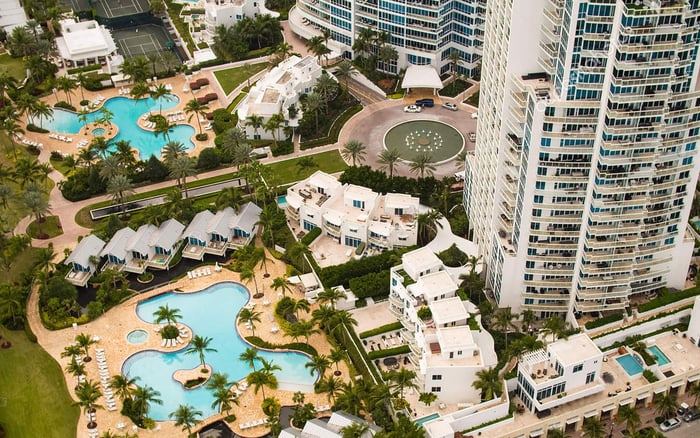
A practical, buyer-focused look at branded-residence ownership at The Ritz-Carlton Residences® South Beach, from service expectations and governance to resale discipline and daily usability.

The conversation around The Ritz-Carlton Residences® South Beach often starts with the brand. Understandably so. Ritz-Carlton carries a distinct promise in the luxury market: polished service, hospitality fluency, and a level of discretion that appeals to owners who want fewer points of friction in daily life. Yet the practical side of ownership deserves equal scrutiny. A branded residence is still real estate. It is still shaped by condominium documents, budgets, reserves, association rules, insurance realities, and resale discipline.
For buyers considering this address, the most valuable question is not simply whether the name feels prestigious. It is whether the operating model fits the way you intend to live. Some owners want a primary residence with hospitality support. Others want a second home that feels ready the moment they arrive. A third group views the purchase through an investment lens, weighing brand recognition, location, and long-term demand against carrying costs and use restrictions.
The strongest buyers approach this category with two instincts at once: aspiration and discipline. The brand may elevate the experience, but the documents define the ownership.
South Beach is not a neutral backdrop. It gives branded ownership a different rhythm than quieter oceanfront or suburban luxury markets. Miami Beach buyers often value walkability, dining access, cultural proximity, and the ability to move between private residence and public energy without committing to a purely resort-like setting. For a certain owner, that mix is the point.
This is where location should be studied with unusual care. A buyer focused on privacy may evaluate building arrival, service entrances, amenity circulation, and how guests are received. A buyer focused on beach access may care as much about the daily path from residence to sand as the formal amenity menu. A buyer comparing neighborhoods may also look at Sofi, Mid-Beach, and the broader Miami Beach luxury corridor to understand how each pocket behaves in season and off season.
That context is why adjacent comparisons matter. A purchaser studying South Beach may also review The Ritz-Carlton Residences® Miami Beach for a different expression of the same hospitality language, or Shore Club Private Collections Miami Beach for another Miami Beach interpretation of branded luxury. These comparisons are less about declaring one address superior and more about understanding which lifestyle is being priced.
Branded Residences appeal because they reduce uncertainty. Owners expect consistent staffing, refined common areas, polished arrival, and a standard of care that does not depend entirely on the personality of a single building manager. In theory, the brand creates a hospitality framework that can outlast market cycles.
In practice, buyers should examine how that framework is implemented. Is the service model residential, hotel-linked, or hybrid in feel? Which services are included in regular dues, and which are charged separately? How are private events, guest access, deliveries, package handling, housekeeping, valet, wellness programming, and owner requests managed? What standards apply to staffing, uniforms, training, and response times?
The difference between an impressive amenity list and a satisfying ownership experience is operations. A screening room, dining room, pool deck, spa suite, or residents’ lounge matters most when it is clean, staffed, reservable, and governed fairly. A well-run building feels calm because the operational decisions have already been made.
In ultra-premium condominium ownership, the public narrative often highlights design, amenity, and views. The private decision should include the less glamorous documents. Buyers should review association budgets, reserve policies, insurance obligations, alteration rules, leasing provisions, pet policies, guest permissions, brand licensing details, and any limitations tied to residential use.
This is especially important in branded ownership because the brand itself may be connected to agreements that shape fees, standards, signage, staffing, or management. A buyer does not need to become a lawyer, but the buyer should understand what happens if costs rise, if services change, if brand standards require capital improvements, or if the association and brand manager need to reconcile priorities.
The most sophisticated owners do not treat this as a burden. They treat it as asset protection. In a market where buyers are paying for ease, predictability is part of the value proposition.
A branded residence can support confidence, but it does not eliminate the fundamentals. Carrying costs should be modeled realistically. Monthly dues, insurance exposure, taxes, maintenance, reserves, parking, storage, service charges, and optional services all shape the true cost of ownership. A purchase that feels elegant at contract can feel less elegant if the annual ownership budget was not clearly understood.
Resale should be viewed through both emotional and practical lenses. The Ritz-Carlton name can be meaningful to future buyers, particularly those who already understand hospitality-led living. Still, liquidity depends on condition, pricing, view quality, floor position, unit layout, carrying costs, building reputation, and the competitive set at the time of sale.
That competitive set may extend beyond South Beach. Some buyers comparing branded prestige will look north to The Ritz-Carlton Residences® Sunny Isles, while others may weigh a more established hospitality residential environment such as Setai Residences Miami Beach. A broader South Florida comparison can also include Broward County options such as The Ritz-Carlton Residences® Pompano Beach. The practical buyer asks not only what feels best today, but which ownership story will remain clear to the next qualified buyer.
Before contract, buyers should move beyond brochure vocabulary and ask operational questions. How are owner requests triaged? How many staff members serve the residence component? Which services require reservations? Are there blackout periods, house rules, or restrictions affecting guests? How are disputes handled? What improvements can owners make inside their residence? What approvals are required before design work begins?
For second-home owners, readiness is critical. Ask how the residence is prepared before arrival, whether housekeeping can be coordinated, how groceries, flowers, vehicles, and service providers are managed, and what happens if an owner is away for long periods. For primary residents, ask how the building handles daily life: morning departures, school runs, pets, deliveries, contractors, and privacy when entertaining.
The best branded residences do not merely impress on the tour. They perform on an ordinary Tuesday.
Is The Ritz-Carlton Residences® South Beach mainly about the brand? The brand is important, but ownership quality depends on documents, service execution, fees, governance, and how the building fits daily life.
Should buyers review condominium documents before signing? Yes. Budgets, reserves, leasing rules, service obligations, insurance responsibilities, and alteration policies should be reviewed with qualified counsel.
Are branded residences always easier to resell? Not automatically. Brand recognition can help, but resale still depends on pricing, condition, views, layout, carrying costs, and market timing.
What makes South Beach different for ownership? South Beach combines residential privacy with dining, culture, beach proximity, and seasonal energy, which can be attractive but requires careful location analysis.
Do amenities matter as much as service? Amenities matter, but service determines how those amenities function day to day. Staffing, reservations, maintenance, and rules are essential.
What should second-home buyers prioritize? They should focus on arrival readiness, owner services, security, housekeeping coordination, maintenance access, and how the residence is managed while vacant.
Can an owner rent the residence? Rental rights depend on the governing documents and building policies. Buyers should confirm all leasing rules before relying on rental income.
Are carrying costs higher in branded buildings? They can be, because service quality, staffing, brand standards, and amenity maintenance may increase operating budgets.
How should buyers compare Miami Beach branded residences? Compare the service model, privacy, location, amenity operations, documents, fees, and the profile of likely future buyers.
What is the best way to shortlist comparable options for touring? Start with location fit, delivery status, and daily lifestyle priorities, then compare stacks and elevations to validate views and privacy.
For a tailored shortlist and next-step guidance, connect with MILLION.
If branded residences are on your mind — as a home or as an allocation — we would be glad to share what we are seeing, privately.
Begin a quiet conversation