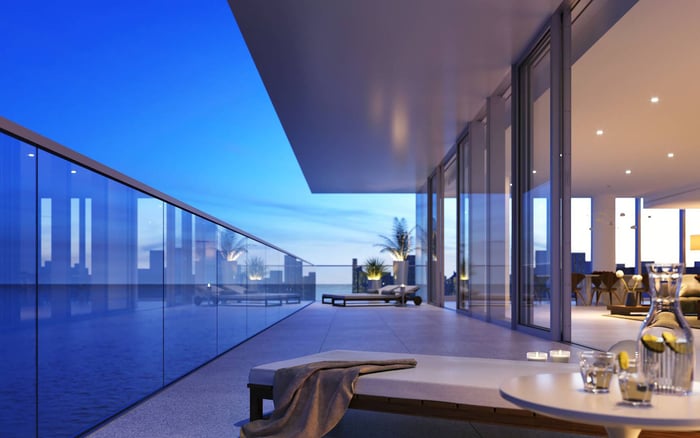
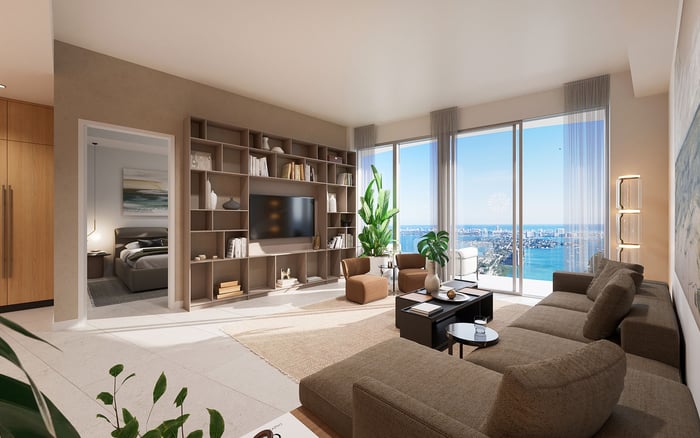
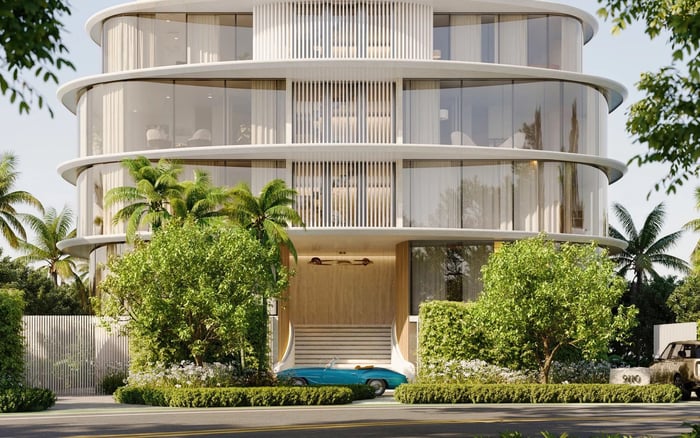
A buyer-focused guide to choosing between resort-style service and quieter residential discretion in Hallandale Beach, with a focus on lifestyle fit rather than amenity spectacle.
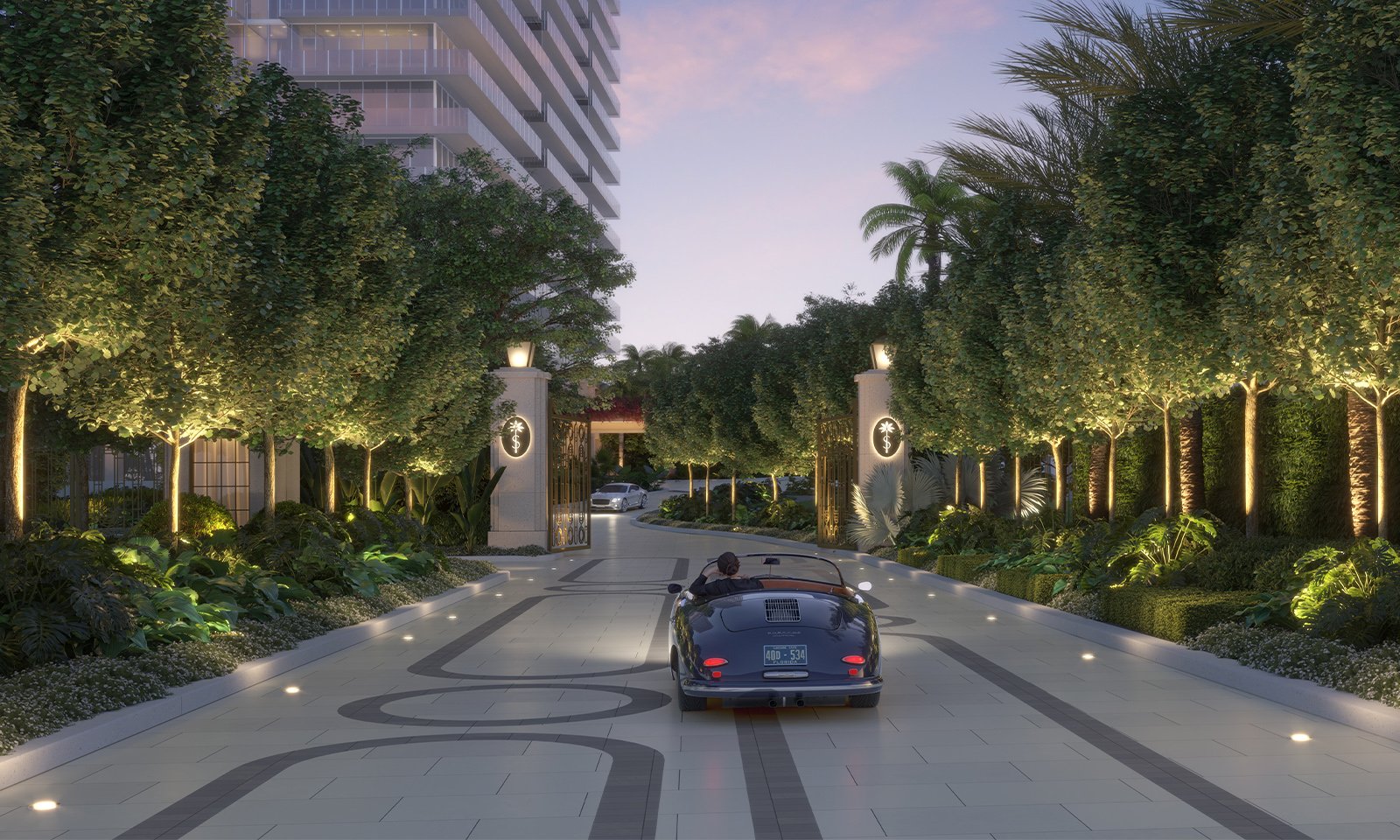
In Hallandale Beach, the luxury conversation often begins with a deceptively simple question: how much service should be felt, and how much should remain invisible? For many South Florida buyers, square footage, views, and finish level are only the opening notes. The deeper decision is whether daily life should feel like a resort, with conveniences close at hand, or like a private home, where discretion, calm, and personal routine define the experience.
That distinction matters because Hallandale Beach occupies a rare position. It offers the ease of a beach market, the convenience of a highly connected coastal address, and the flexibility to appeal to both seasonal owners and full-time residents. The question is not which model is more luxurious. It is which model best protects the way a buyer actually wants to live.
Resort services are compelling for owners who want a residence to function seamlessly from the moment they arrive. The appeal is not simply a pool, spa, valet, or concierge desk. It is the sense that small frictions have already been solved: arrival, hosting, maintenance coordination, wellness routines, and the daily choreography of people coming and going.
This is especially relevant for lock-and-leave owners who divide time between cities, travel frequently, or expect guests to use the residence with minimal explanation. A service-forward building can make ownership feel lighter because the home is supported by a broader operating environment. In that context, Shell Bay by Auberge Hallandale speaks to the buyer who wants a more hospitality-inflected rhythm, where amenities are not merely decorative but central to how the property is experienced.
The tradeoff is visibility. Resort services create movement: staff, guests, deliveries, arrivals, programming, and shared spaces with a more active pulse. For some owners, that energy is precisely the point. For others, it can make the building feel too present around the home.
The quieter alternative is a residence that behaves more like a private home. The luxury is not the absence of service, but restraint. Staff interaction is measured, common areas feel composed, and the resident’s day is not shaped by a constant hospitality atmosphere. Buyers who choose this model often value privacy over programming and prefer amenities that support routine without defining it.
A discreet residential environment can be especially attractive for year-round owners, families, and buyers who entertain selectively. It allows the residence to feel personal rather than managed. In this lane, 2000 Ocean Hallandale Beach offers a useful reference point for buyers who want the Oceanfront setting of Hallandale Beach while keeping the experience closer to refined residential living than a resort circuit.
This path asks more of the buyer upfront. Without relying on a resort framework, the residence itself must perform beautifully: floor plan, elevator experience, storage, acoustic privacy, parking flow, and the ease of everyday errands all become more important.
Hallandale Beach benefits from proximity to other luxury markets with strong identities. To the south, Sunny Isles Beach often emphasizes vertical beachfront living with an international tone. A project such as Turnberry Ocean Club Sunny Isles illustrates how nearby buyers may compare high-service coastal towers across municipal lines when deciding how much building amenity they want.
To the north, Fort Lauderdale adds another reference point, particularly for buyers drawn to a polished hotel-residential sensibility with access to a broader Broward lifestyle. Four Seasons Hotel & Private Residences Fort Lauderdale shows how a known hospitality posture can shape expectations for service, arrival, and daily ease.
Hallandale, by contrast, can feel more flexible. It can suit the buyer who wants resort convenience without fully committing to a hotel-like social tempo, or the buyer who wants discretion without feeling removed from the coast’s energy. That middle position is part of its appeal.
The most effective way to choose is to imagine an ordinary Tuesday, not a holiday weekend. If the ideal day includes valet ease, help coordinating reservations, visible staff, social amenities, and a sense that the property is always ready for guests, resort services may justify their prominence. If the ideal day is quieter, with a direct path from elevator to home, minimal interaction, and spaces that feel calm even in season, discretion may be the stronger luxury.
Lifestyle should also be tested against ownership rhythm. Seasonal owners may value a building that can absorb complexity while they are away. Full-time residents may be more sensitive to lobby traffic, guest policies, package volume, and the acoustics of shared spaces. Investors and second-home buyers may focus on flexibility, while primary residents may focus on predictability.
Oceanfront living sharpens the decision because the setting already delivers drama. When the view, light, and horizon do so much work, the best building is the one that does not compete with the residence’s own sense of retreat. In Hallandale Beach, the most sophisticated choice is rarely the loudest one. It is the one that makes daily life feel most natural.
Is resort-style service better for a second home? Often, yes. Owners who travel frequently may appreciate staff support, arrival ease, and help with daily coordination.
Is a discreet residence better for full-time living? It can be. Full-time owners often value quiet circulation, privacy, and a building rhythm that feels residential rather than programmed.
Does more service always mean more luxury? No. Luxury depends on fit, and some buyers define it as privacy, silence, and control rather than visible assistance.
What should buyers watch during a tour? Notice lobby activity, elevator flow, staff interaction, guest movement, parking ease, and how calm the building feels at peak hours.
Why is Hallandale Beach a nuanced choice? It sits between several coastal luxury markets, so buyers can compare resort energy, residential privacy, and access without leaving the region.
Are Oceanfront residences always service-heavy? Not necessarily. Some Oceanfront buildings emphasize amenities, while others focus on restraint, views, and a more private residential feel.
How should families approach the decision? Families may prioritize parking, elevator privacy, storage, guest policies, and predictable common areas over a long amenity menu.
Do resort services affect privacy? They can. More services often mean more staff presence and shared-space activity, which some owners welcome and others prefer to limit.
What does Lifestyle mean in this context? Lifestyle means the daily pattern of arrival, entertaining, wellness, quiet, guest use, and how much help an owner wants around the home.
What is the safest way to decide? Compare buildings through ordinary routines, not brochure moments, and choose the environment that will feel effortless year-round.
For a tailored shortlist and next-step guidance, connect with MILLION.
If branded residences are on your mind — as a home or as an allocation — we would be glad to share what we are seeing, privately.
Begin a quiet conversation