Miami Art Week can sharpen how UHNW buyers evaluate a Surfside pied-à-terre, shifting the emphasis from occasional use to positioning, privacy, service, and long-term lifestyle relevance.
For many South Florida buyers, Miami Art Week is more than a cultural appointment. It is a stress test. It compresses the city’s social, design, dining, collecting, and hospitality circuits into a short window, revealing which addresses feel effortless and which feel overexposed. For a buyer considering a better-positioned pied-à-terre, the week can clarify a simple question: where does one want to return after the evening has become loud?
That is where Surfside becomes especially persuasive. It is close enough to participate in the cultural gravity of Miami Beach, yet removed enough to preserve the qualities that define serious second-home ownership: discretion, ocean proximity, service, and an easy rhythm between private time and public commitments. The best pied-à-terre is not a trophy that waits for occasional use. It is a refined base that makes every arrival feel resolved.
A South Florida pied-à-terre needs to do more than look beautiful for a long weekend. It should simplify the owner’s life during peak season, accommodate spontaneous travel, and offer a setting that still feels restorative when the calendar is full. Surfside answers that brief with a residential temperament that differs from more visibly kinetic districts.
During Miami Art Week, that distinction becomes tangible. Buyers may attend previews, dinners, private viewings, and late events, but the residence proves its value when the night ends. A Surfside home can offer the psychological reset that collectors and globally mobile families increasingly prize: a quieter return, a measured building scale, and a neighborhood identity tied to the water rather than spectacle.
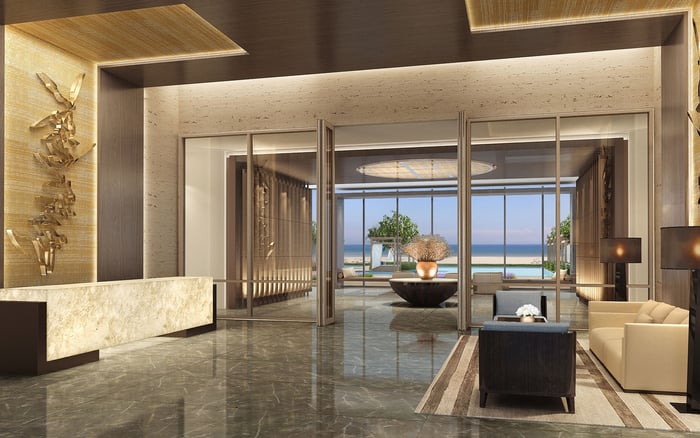
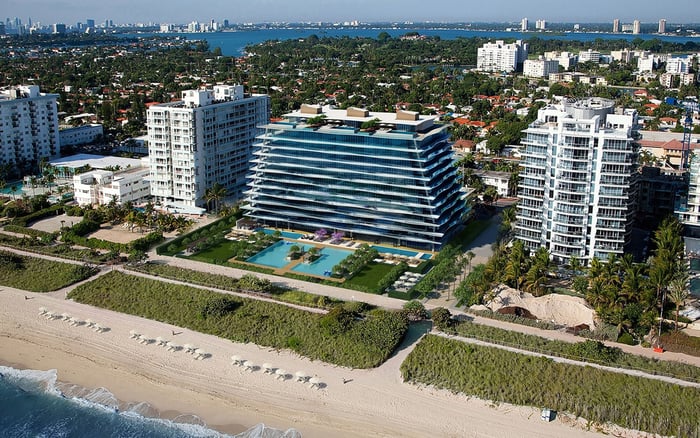
For those comparing options, projects such as Arte Surfside and Ocean House Surfside frame the discussion around privacy and beachfront living rather than simple proximity to the week’s activity. The address becomes less about being in the middle of the crowd and more about controlling access to it.
The most sophisticated buyers often discover that location is not a binary choice between convenience and calm. It is a question of positioning. A pied-à-terre should allow the owner to reach the cultural calendar without living inside its noise. That balance is particularly relevant during Miami Art Week, when a poorly chosen home can turn every movement into friction.
Surfside’s appeal lies in its ability to make the day feel edited. Morning can begin on the ocean. Afternoon can move toward exhibitions, appointments, or lunches. Evening can return to a residence where the tone is residential, not performative. In that sense, the better-positioned pied-à-terre is not defined by maximum exposure. It is defined by optionality.
This is also why beach access and lock-and-leave ease can matter as much as interior finish. A buyer who already owns larger primary homes may not want a second residence that creates complexity. The right Surfside property should feel ready when the owner arrives and quietly managed when the owner leaves.
Miami Art Week attracts a buyer who is often comfortable with visibility in public spaces but exacting about privacy at home. That duality is central to the Surfside argument. A residence can serve the cultural calendar while preserving a more personal daily life, including family time, wellness routines, remote work, and entertaining on a smaller scale.
The most compelling buildings in this context are those that do not need to overstate themselves. The Delmore Surfside belongs in the conversation because buyers studying Surfside are often seeking a residence that feels intentional, not interchangeable. In a market where branded amenities and dramatic architecture can dominate the conversation, the quieter question is often more important: will the home still feel intelligent after the event calendar moves on?
A true second-home purchase should survive that test. It should not be justified only by one glamorous week. Miami Art Week simply makes the value proposition more visible.
Surfside also benefits from the strength of its neighbors. The proximity of Bal Harbour, Miami Beach, and the broader South Florida coastline allows buyers to access multiple lifestyle ecosystems without committing to the most intense expression of any single one. This is especially important for owners who travel between New York, London, Latin America, Europe, and other primary residences.
The buyer looking at The Surf Club Four Seasons Surfside is usually not asking whether South Florida is exciting enough. The question is whether daily ownership can remain graceful within that excitement. Surfside’s answer is rooted in restraint: fewer reasons to feel interrupted, more reasons to stay longer.
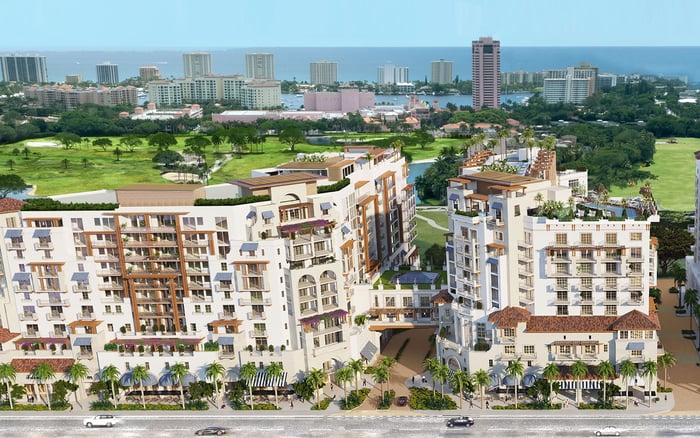
For some, the comparison may extend just north to Bal Harbour, where Rivage Bal Harbour can enter the broader decision set for buyers who want an adjacent coastal address with a similarly elevated profile. Yet Surfside retains a particular intimacy. It offers a way to be connected to the region’s luxury corridor without feeling consumed by it.
A buyer using Miami Art Week as a lens should evaluate a Surfside residence through a practical ownership filter. Arrival sequence matters. Building staffing matters. Elevator privacy, parking flow, storage, terrace usability, and ease of hosting all matter. So does the quality of the immediate environment, because a pied-à-terre is often used in concentrated bursts. Every hour should feel well spent.
The residence should also support different versions of the owner’s life. It may host a couple for a collecting-focused weekend, a family during school holidays, or friends for a quieter dinner after a public event. It may need to function as a work base in the morning and a retreat by evening. In that context, the best floor plan is not simply the largest. It is the one that handles transitions most elegantly.
For investors and end users alike, the strongest Surfside case is emotional and operational. The emotional case is clear: ocean, calm, and a sense of arrival. The operational case is more nuanced: a well-positioned pied-à-terre can reduce the friction that often accompanies seasonal ownership.
The ultimate measure of a pied-à-terre is frequency of use. If a residence feels too exposed, too complicated, or too dependent on a single event calendar, it risks becoming occasional in the wrong way. Surfside offers a different proposition. It can support the intensity of Miami Art Week while remaining credible in quieter months, when the owner wants sun, service, privacy, and the ocean without an agenda.
That is why the week can strengthen the case rather than merely inspire it. It reveals the importance of boundaries. It shows how much value lies in being near the center without being absorbed by it. And it reminds buyers that in South Florida, the most enduring luxury is not always the loudest address. Sometimes it is the one that makes leaving the party feel like arriving home.
Why consider Surfside for a Miami Art Week pied-à-terre? Surfside offers a calmer residential base while keeping the broader cultural calendar within reach. It suits buyers who want access without constant exposure.
Is Surfside only relevant during Miami Art Week? No. Miami Art Week can highlight the value of the location, but the stronger case is year-round usability, privacy, and ocean-oriented living.
What makes a pied-à-terre different from a primary residence? A pied-à-terre should be effortless, secure, and ready for shorter stays. It should reduce friction rather than require constant management.
Should buyers prioritize proximity or privacy? The best answer is balance. Surfside can offer access to Miami’s cultural life while preserving a more discreet residential rhythm.
Which amenities matter most for this type of purchase? Service, arrival privacy, wellness areas, parking flow, storage, and outdoor space often matter more than amenities chosen only for display.
Does oceanfront living strengthen the Surfside case? Yes, when it supports daily restoration and not just views. The ocean can turn a short stay into a more complete lifestyle experience.
Is Surfside suitable for collectors and design-focused buyers? Yes. Many such buyers value a quiet home base after public events, previews, dinners, and social commitments.
How should an owner evaluate building scale? Consider how the building feels during peak arrival times and private moments. Scale should support comfort, not just visual impact.
Can a Surfside pied-à-terre work for family use? It can, especially when the residence offers flexible rooms, intuitive circulation, and easy access to the beach and neighborhood routines.
What is the key takeaway for buyers? Miami Art Week can reveal whether a home is merely convenient or genuinely well positioned. In Surfside, the distinction can be meaningful.
For a discreet conversation and a curated building-by-building shortlist, connect with MILLION.
If branded residences are on your mind — as a home or as an allocation — we would be glad to share what we are seeing, privately.
Begin a quiet conversation