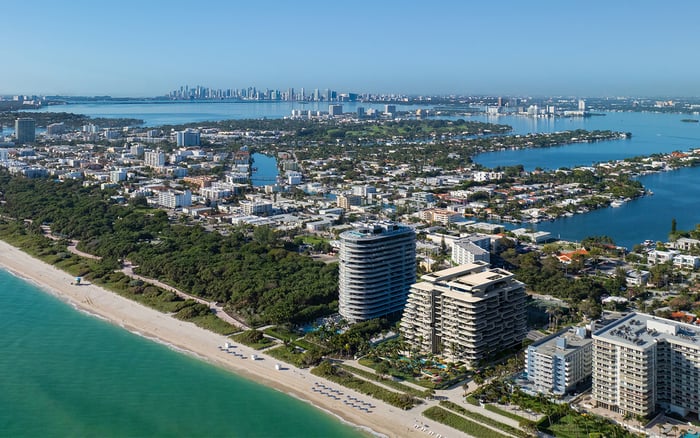
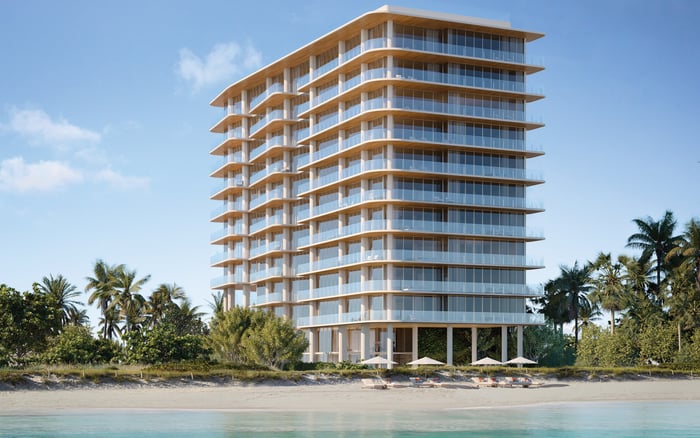
A serious Surfside boutique residence is not defined by small scale alone. It works when scarcity, oceanfront setting, disciplined association governance, structural documentation, insurance planning, and climate resilience support ownership across cycles.
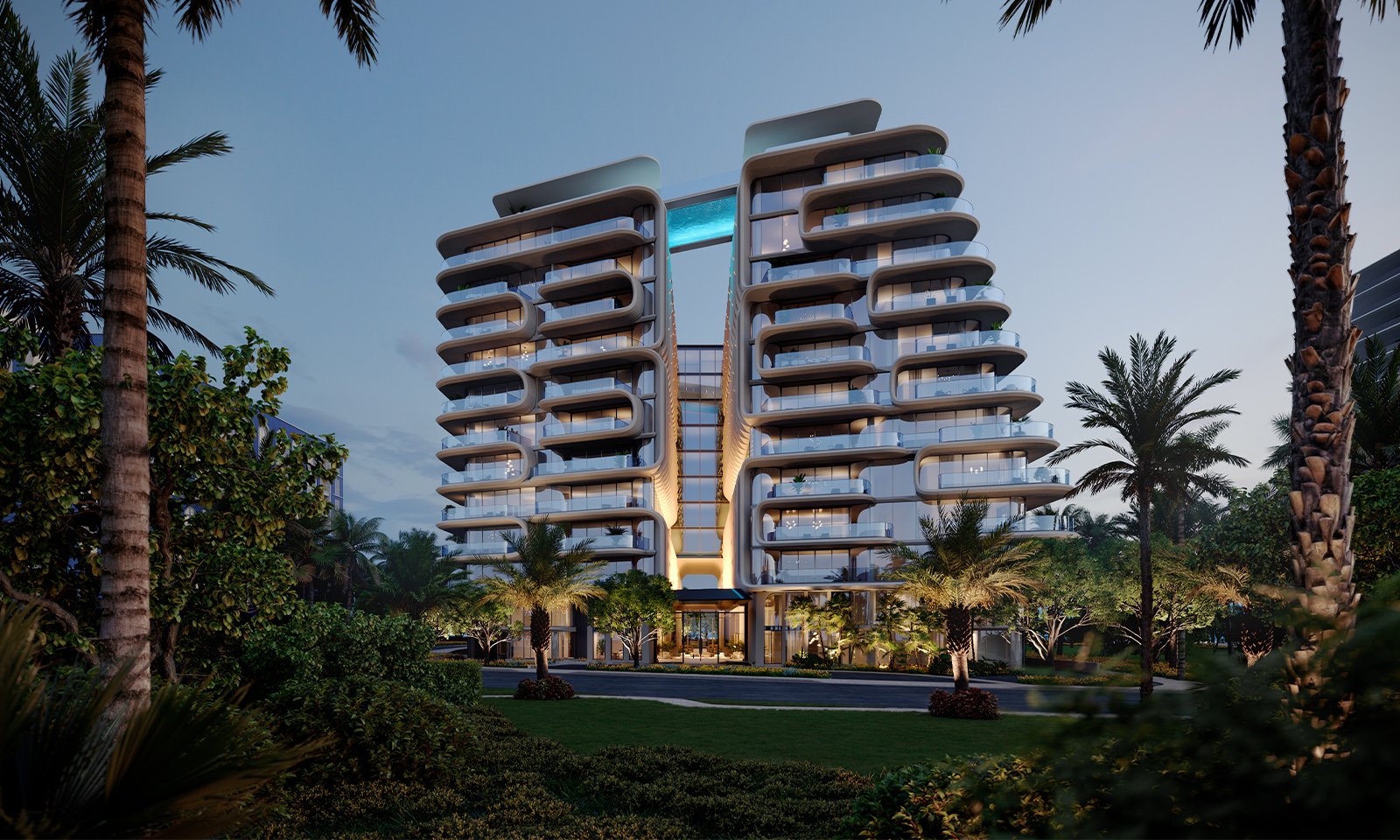
In Surfside, a boutique residence works as a long-term purchase when intimacy is matched by substance. The town sits in Miami-Dade County between Miami Beach and Bal Harbour, a compact incorporated municipality with its own small-town rhythm inside one of South Florida’s most valuable luxury corridors. That identity matters. Buyers are not simply acquiring walls, views, and services; they are buying into a coastal setting where scale, zoning, governance, and daily convenience can preserve a genuine sense of rarity.
Boutique should not be treated as a synonym for better. A small building can feel discreet, quiet, and residential, but a limited unit count also means fewer owners sharing the cost of insurance, structural work, capital projects, and reserves. The right purchase is therefore less about romance and more about underwriting. It should feel private, but it must also function as a well-capitalized asset.
That is why Surfside appeals to a particular kind of buyer: one who wants oceanfront proximity without the density of larger Miami Beach submarkets, and who understands that long-term value is built through discipline. Names such as The Surf Club Four Seasons Surfside have helped establish an international luxury reference point, while the town’s small population base reinforces its village-like quality.
Surfside’s oceanfront geography is central to its appeal. Collins Avenue runs through the beachfront corridor, giving residences a direct relationship to the Atlantic while keeping Bal Harbour, Miami Beach, and the wider Miami urban core within reach. Immediately to the north, Bal Harbour Shops adds one of the region’s most durable luxury retail anchors, giving the area a daily lifestyle advantage that does not depend on seasonal buzz.
For a long-term purchase, however, location must be interpreted through scarcity. Surfside’s zoning and land-use framework influence future density, height, redevelopment, and the character of what can be built. That does not make every building equally valuable, but it does mean buyers should consider the town’s regulatory setting as part of the investment thesis. In a more constrained coastal market, the ability to own a well-positioned residence in a low-scale environment can become increasingly meaningful over time.
This is where comparison matters. A buyer looking at Arte Surfside, Fendi Château Residences Surfside, or Ocean House Surfside should not simply ask which building feels most exclusive. The better question is which building’s location, documentation, association strength, and ownership culture best support a decade or more of confident use.
In boutique condominium ownership, governance is not a back-office issue. It is the invisible architecture of the purchase. Association budgets, reserve funding, insurance coverage, board records, meeting minutes, pending assessments, litigation history, and capital-project planning all shape the true cost and quality of ownership.
Florida condominium associations carry major financial and governance responsibilities, and structural integrity reserve studies are now a central consideration for key building components. For Surfside buyers, this means the best building is not necessarily the one with the lowest monthly cost. A lean fee structure can be attractive, but if it comes at the expense of reserves or deferred maintenance, it may create future volatility.
Small associations can also magnify decisions. A roof project, facade repair, insurance increase, or major mechanical replacement can be spread among far fewer owners than in a large tower. That concentration is not inherently negative; in some buildings, owners are sophisticated, aligned, and proactive. But the due diligence must prove it. A serious long-term buyer should want evidence of maintenance culture, not just assurances of exclusivity.
Surfside carries a unique due-diligence responsibility because of the 2021 Champlain Towers South collapse. The event remains a defining issue for condominium buyers in the town because it intensified scrutiny of building condition, maintenance discipline, structural history, and board governance. For older boutique properties in particular, engineering documentation is not optional.
Florida now requires milestone inspections for certain condominium and cooperative buildings, with special timing and reporting considerations for buildings near the coastline. Miami-Dade’s building recertification process is also a practical part of evaluating older properties, especially when inspection, repair, and compliance obligations may affect future ownership costs.
A buyer should ask for current condominium documents, inspection records, engineering reports, reserve studies, insurance policies, special assessment disclosures, meeting minutes, and any relevant correspondence around structural work. The goal is not to avoid every building with an upcoming project. In coastal real estate, capital work is part of stewardship. The goal is to distinguish buildings that plan responsibly from those that react late.
This is particularly important when assessing refined boutique opportunities such as The Delmore Surfside. The long-term question is not simply whether the residence is beautiful. It is whether the building’s physical, legal, and financial framework can support that beauty without surprises that distort the ownership experience.
Surfside’s coastal position is a privilege, but it also requires disciplined analysis. Flood exposure should be reviewed before committing to a unit, including flood-zone status, insurance implications, and building-level mitigation. Sea-level rise and coastal inundation scenarios are relevant long-term considerations for any oceanfront residence, particularly when the intended hold period extends beyond a single market cycle.
The best buyers think like stewards. They evaluate elevation, garage and lobby vulnerability, mechanical locations, drainage, envelope condition, insurance deductibles, and how the association plans for future resilience. These questions may feel less glamorous than a terrace view, but they are essential to keeping a luxury asset usable, insurable, and financeable over time.
Climate diligence is also tied to resale. Future buyers will ask sharper questions than buyers did in prior cycles. A residence supported by credible documentation, transparent reserves, and a proactive board is more likely to stand out when the market becomes more selective.
A boutique Surfside residence works as a serious long-term purchase when six elements align. First, the location must benefit from the town’s small-municipality identity and oceanfront scarcity. Second, the building should offer design and privacy that feel durable rather than trend-driven. Third, association finances must be strong enough to handle inevitable coastal maintenance. Fourth, structural documentation should be current, complete, and intelligible. Fifth, insurance and assessment exposure must be understood before contract. Sixth, climate resilience should be treated as a core ownership variable.
When these conditions are present, boutique scale becomes more than an aesthetic preference. It becomes a way to own something quieter, rarer, and potentially more enduring within the Miami luxury corridor. When they are absent, small scale can become fragile. The distinction is where serious buyers should focus.
Is every boutique residence in Surfside a strong long-term purchase? No. Boutique scale is valuable only when the association, building condition, reserves, insurance, and climate planning support durable ownership.
Why does Surfside appeal to luxury buyers? Surfside combines oceanfront living, a small-town municipal identity, proximity to Bal Harbour, and a quieter profile than denser Miami Beach areas.
How important is zoning to a Surfside purchase? Very important. Zoning and land-use controls influence future density, height, redevelopment potential, and long-term scarcity.
What documents should a buyer review before purchasing? Buyers should review budgets, reserves, insurance, inspection records, board minutes, engineering reports, assessments, litigation history, and condo documents.
Why are reserves so important in boutique buildings? Smaller associations have fewer owners to share large expenses, so reserve planning can materially affect future costs and ownership comfort.
Do older Surfside buildings require extra diligence? Yes. Milestone inspections, recertification obligations, structural history, and maintenance records are especially important for older coastal properties.
How did Champlain Towers South affect buyer diligence? It made structural condition, engineering documentation, governance, and maintenance discipline central to any serious Surfside condominium evaluation.
Should flood risk affect the purchase decision? Yes. Flood-zone status, insurance exposure, building mitigation, and long-term coastal resilience should be part of the underwriting.
What supports long-term resale value in Surfside? Strong location, clear documentation, prudent reserves, good governance, credible maintenance, and climate resilience all support future buyer confidence.
Is oceanfront ownership still worth considering in Surfside? Yes, when the building’s financial, structural, and environmental profile is strong enough to support the lifestyle over time.
For a tailored shortlist and next-step guidance, connect with MILLION.
If branded residences are on your mind — as a home or as an allocation — we would be glad to share what we are seeing, privately.
Begin a quiet conversation