A practical guide to the turnover questions luxury buyers should ask before purchasing in Surfside, from association control and warranties to staffing, access, and post-closing service expectations.

In Surfside, even the most beautiful residence can disappoint if the turnover process is vague. Buyers often focus on sightlines, privacy, terrace depth, design pedigree, and the quiet prestige of the address. Those details matter, but turnover is where the promise of the purchase becomes daily reality. It is the point at which legal control, physical condition, service expectations, warranties, access, staffing, and building operations begin to shape ownership.
For a luxury buyer, turnover is not a clerical step. It is a risk-management conversation. The question is not simply, “When do I get the keys?” It is, “What exactly is being delivered, by whom, to what standard, and with what remedy if expectations are not met?” That distinction matters whether you are evaluating a completed residence, a resale in an established building, or a new-development purchase where the association and common elements may still be transitioning.
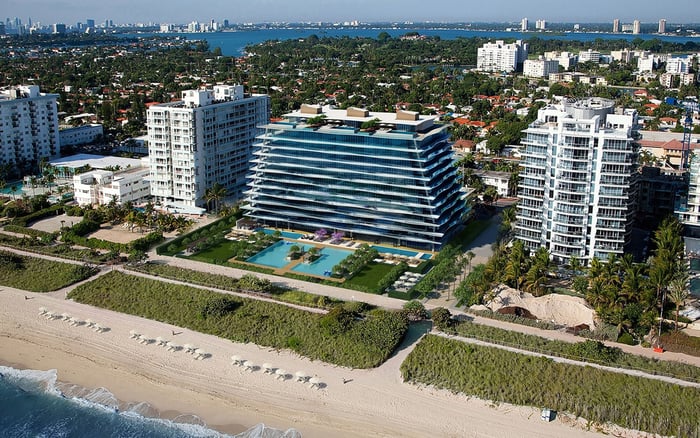
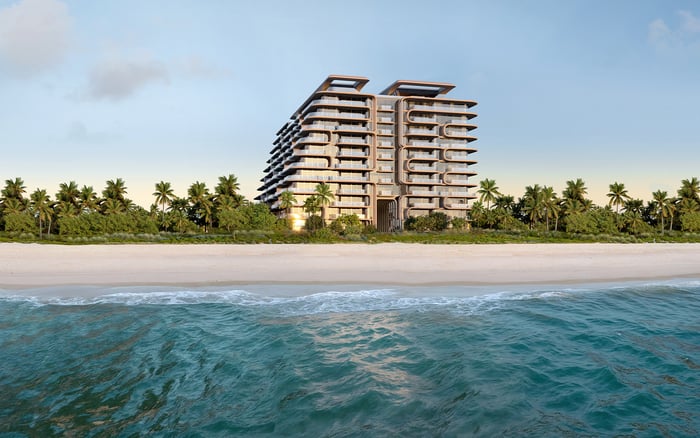
Surfside’s appeal rests on discretion, walkability, ocean proximity, and a residential rhythm that feels more private than many larger coastal markets. Buyers comparing addresses such as The Surf Club Four Seasons Surfside, Fendi Château Residences Surfside, and other oceanfront residences should treat turnover questions with the same seriousness as floor plan, exposure, and pricing. The answers reveal how polished the ownership experience is likely to feel after closing.
The word turnover can mean different things. In a resale, it may refer to possession at closing, delivery of keys, transfer of access credentials, orientation to building systems, and resolution of any agreed residence-level conditions. In a new-development setting, it can also refer to the transition of control from a developer or initial operator to the condominium association, including governance, financial records, warranties, contracts, and common-area responsibilities.
Before you sign or remove contingencies, ask the seller, developer, association, or closing team to define turnover in writing. What is included? What is excluded? Who is responsible for final inspection? Who confirms that appliances, smart-home systems, terrace doors, lighting controls, HVAC, plumbing fixtures, security credentials, parking access, storage access, and service-elevator procedures are ready for use? If there is a punch list, who maintains it, and what is the timeline for completion?
A buyer considering The Delmore Surfside should approach the inquiry with the same precision used to study architecture and layout. The more elevated the property, the more important it becomes to identify who owns each post-closing responsibility. In luxury real estate, ambiguity is rarely elegant.
If association turnover is part of the picture, the buyer should ask how governance will function after closing. Has the association taken control, or is that transition still ahead? If it is pending, what are the expected steps? Which records will be delivered? Which contracts are already in place for staffing, security, landscaping, pool service, elevator maintenance, valet, concierge, housekeeping, insurance, and building management?
The budget deserves particular attention. Ask whether the current budget reflects stabilized operations or an interim phase. A building can appear serene while still refining its operating cadence. The buyer should understand whether staffing levels are final, whether service standards have been established, and whether any known capital or maintenance items are being discussed. This is not about tempering enthusiasm. It is about entering ownership with a clear view of recurring costs and operational priorities.
Reserves also matter. Ask how reserve planning is being handled, what categories are included, and whether any upcoming assessments, special projects, or deferred items have been discussed by the association. Even in the most refined properties, long-term stewardship is what protects value. The best buildings are not simply well designed. They are well governed.
When reviewing Arte Surfside or another high-design address, buyers should ask for the practical documents behind the aesthetic presentation: association materials, operating budgets, insurance information available for review, rules, move-in procedures, and maintenance responsibilities. Luxury should be experiential, but it must also be administratively sound.
Turnover should include a disciplined review of the residence itself. A luxury buyer should not rely on a general walk-through alone. Ask whether there is a formal pre-closing orientation, whether an independent inspection is permitted, and how the seller or developer handles items discovered before and after closing. The most important questions are procedural: how defects are submitted, who acknowledges them, what documentation is required, and how completion is confirmed.
Warranties should be clarified before the contract becomes emotionally irreversible. Ask which items carry manufacturer warranties, which items have workmanship coverage, and whether warranties transfer to a buyer in a resale. If the residence includes integrated technology, custom millwork, motorized shades, specialized lighting, or premium appliances, confirm who services those systems and how ownership information is updated.
Do not overlook terraces, exterior doors, drainage, balcony lighting, hurricane protection protocols, and any private mechanical components. In coastal luxury real estate, the exterior interface of the residence is part of the ownership experience. A pristine interior is not enough if the buyer has not understood how exterior systems are maintained and who is responsible for them.
A careful buyer looking at Ocean House Surfside should ask for a written handoff plan that includes keys, fobs, parking credentials, storage access, mail procedures, service-provider access, move-in rules, and contact points for post-closing issues. This is the difference between closing on a property and properly inhabiting it.
The first week of ownership often reveals whether turnover was handled thoughtfully. Ask how the building manages owner arrivals, vendor scheduling, deliveries, move-ins, private staff access, and guest registration. If you plan to renovate, furnish, or customize immediately after closing, confirm construction rules, contractor insurance requirements, elevator reservations, work hours, noise restrictions, and deposit requirements.
Service standards should be discussed plainly. What is the expected role of the concierge? How are maintenance requests submitted? Is there a resident portal or management contact? How are urgent issues handled after hours? Which services are included in assessments, and which require separate fees? Luxury buyers often assume these matters will be intuitive, but the most discreet properties tend to operate best when rules are explicit.
Privacy is equally important. Ask how resident information is protected, how guest lists are managed, and how access is granted to housekeepers, chefs, assistants, family offices, designers, art handlers, and security personnel. In Surfside, where many buyers value quiet possession as much as public prestige, a building’s access culture can be as important as its lobby design.
Before deposit, ask for all available condominium documents, rules, budget materials, move-in requirements, and any disclosures relevant to turnover. Before closing, ask for a written checklist confirming what will be delivered on the closing date. That checklist should include keys, fobs, remotes, parking and storage identifiers, manuals, warranties, service contacts, alarm codes if applicable, mailbox information, and any building orientation materials.
If the purchase is furnished or partially furnished, ask for a detailed inventory and condition standard. If art, accessories, electronics, outdoor furniture, or custom installations are excluded, confirm that in writing. Luxury homes often contain items that feel integral to the presentation but are not part of the sale unless they are clearly documented.
Finally, ask what happens if turnover is incomplete. Is there a holdback? A written punch list? A deadline? A named party responsible for completion? Sophisticated buyers are not difficult buyers. They are buyers who understand that a high-value acquisition deserves a high-standard handoff.
What does turnover mean when buying in Surfside? It can mean physical possession, residence-level handoff, or association control, depending on the transaction. Ask for the definition in writing.
Should I ask about association turnover before buying? Yes. Governance, budgets, contracts, staffing, and reserves all influence the ownership experience after closing.
What documents should I review before closing? Request condominium documents, rules, budgets, move-in procedures, insurance information available for review, and any written turnover checklist.
How should punch-list items be handled? Ask who records them, who approves them, who completes them, and what timeline applies after closing.
Do warranties automatically transfer to a buyer? Not always. Confirm which warranties exist, whether they transfer, and how service claims are submitted.
Why do access credentials matter at turnover? Fobs, keys, parking access, storage access, mail procedures, and vendor permissions determine how smoothly ownership begins.
Can I schedule designers or contractors immediately after closing? Only if building rules allow it. Confirm elevator reservations, work hours, deposits, and insurance requirements before planning work.
Should furnished purchases have a separate inventory? Yes. A written inventory helps avoid confusion over furniture, electronics, art, accessories, and outdoor items.
What is a reasonable luxury standard for turnover? A clear written handoff, documented condition review, defined contacts, and prompt issue resolution are essential.
When should I raise turnover questions? Raise them before deposit or contingency deadlines, not at the final walk-through.
When you're ready to tour or underwrite the options, connect with MILLION.
If branded residences are on your mind — as a home or as an allocation — we would be glad to share what we are seeing, privately.
Begin a quiet conversation