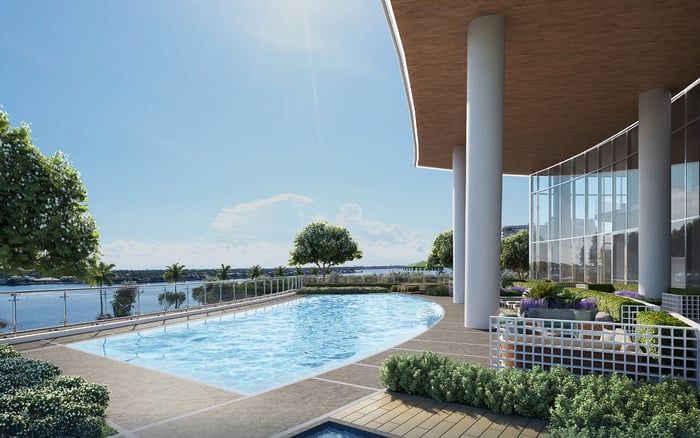
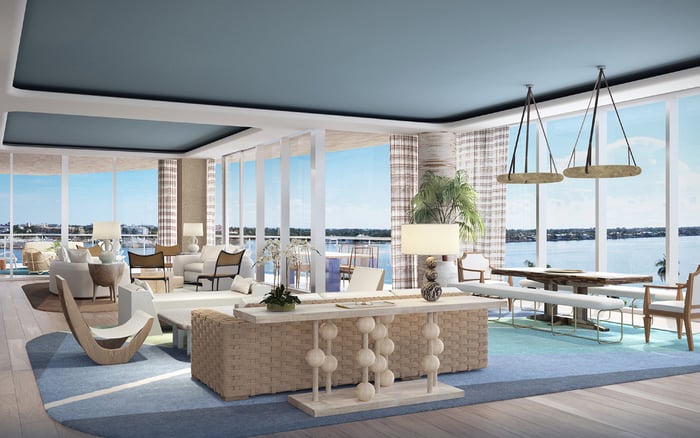
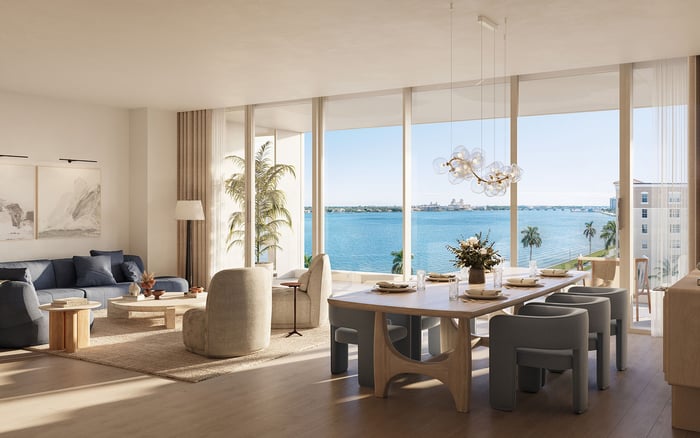
For globally mobile families, school admissions season can turn a West Palm Beach pied-à-terre from a convenience purchase into a strategic base for interviews, tours, testing windows and family decision-making.
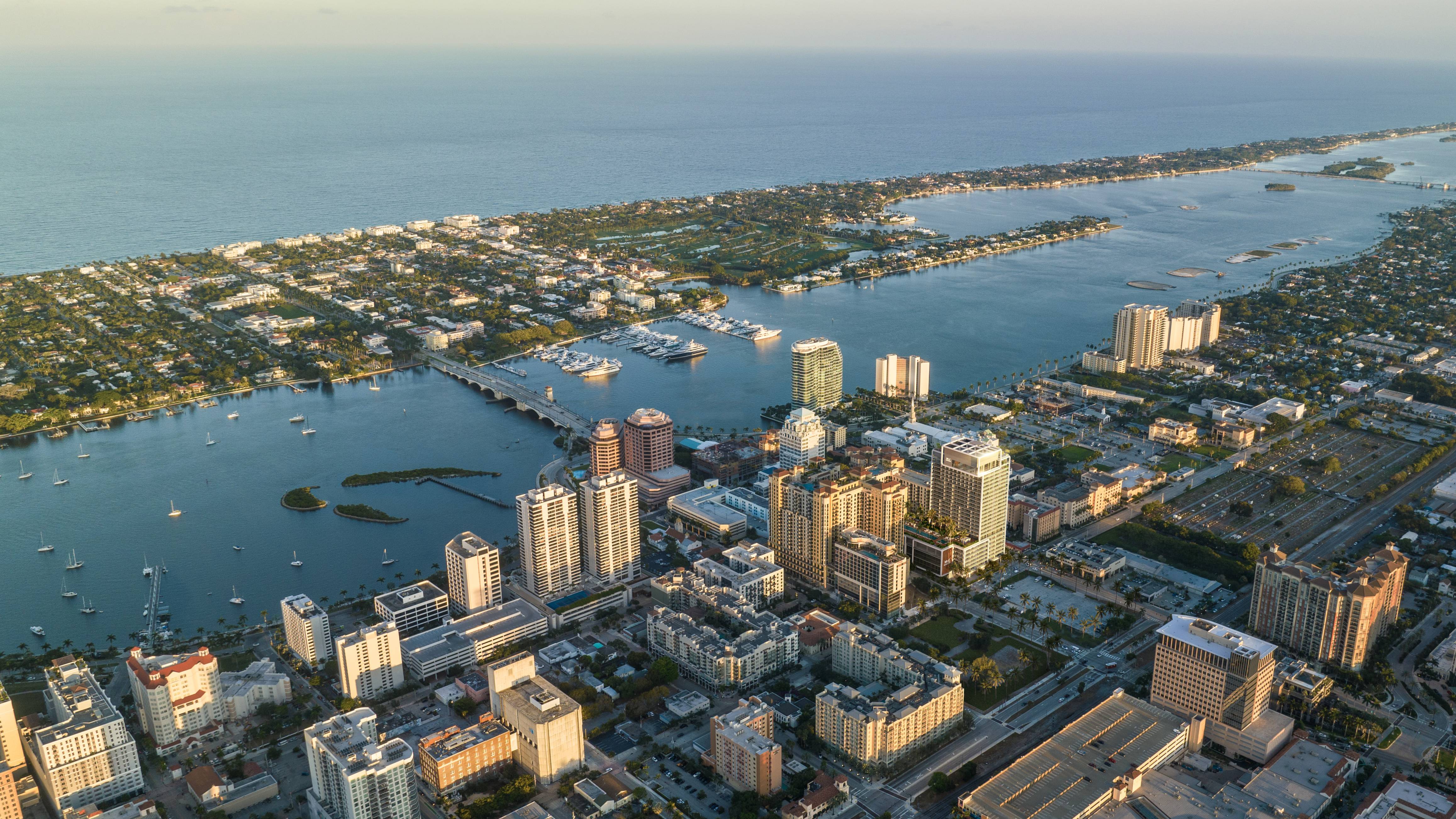
For many international families, the search for a South Florida residence begins with climate, taxation, lifestyle or portfolio diversification. Yet the admissions calendar for private and international schools often gives the decision a sharper edge. Once campus visits, interviews, assessments and parent meetings begin to cluster, a pied-à-terre is no longer simply a warm-weather address. It becomes a working base for the family’s most consequential planning.
West Palm Beach is especially compelling in this context because it can feel composed rather than performative. The best purchase is not necessarily the largest residence or the most visible trophy. It is the one that makes repeat visits easier, family routines calmer and decisions clearer. In portfolio shorthand, West-palm-beach and Private-school may read like simple labels; in practice, they describe a precise lifestyle thesis: access without unnecessary friction.
This is where a better-positioned pied-à-terre earns its place. It allows parents to arrive for a school meeting without rebuilding an itinerary from scratch, to host a child comfortably between appointments and to evaluate neighborhoods over multiple stays rather than one compressed trip.
School admissions season has a way of revealing what a family actually needs from its South Florida base. A beautiful residence may photograph well, but the daily question is more practical: can it support short, high-value visits with minimal disruption?
For a family moving between time zones, a pied-à-terre should offer immediate usability. It should be easy to open, easy to secure and easy to leave. It should allow parents to manage calls, children to rest and the household to move through the city without turning every appointment into a logistical production.
West Palm Beach residences such as Alba West Palm Beach enter the conversation naturally. Not because any one building resolves the school question by itself, but because the right residential setting can create a more controlled rhythm around the process. For families evaluating multiple schools or considering a phased relocation, rhythm matters.
Better-positioned is not only about geography. It is about how a residence performs under pressure. During admissions season, that pressure can be subtle: a delayed flight, a rescheduled interview, a child who needs quiet before an assessment, a parent who must join an overseas meeting between campus visits.
A well-chosen pied-à-terre should support those moments with discretion. It should provide enough space for family life without becoming burdensome. It should offer privacy without isolation. It should be close enough to the family’s South Florida priorities to feel efficient, but not so exposed that every arrival feels public.
For some buyers, Forté on Flagler West Palm Beach may represent the kind of address that invites a more permanent view of the city. For others, the appeal may be a lock-and-leave residence that makes the admissions process, and the broader family transition, less fragile.
The point is not to buy around one school appointment. The point is to use admissions season as a stress test for how a residence will perform across the next several years.
International buyers often know Miami well before they know West Palm Beach. Miami has its own gravity, particularly for finance, culture, hospitality and global connectivity. But families exploring schools frequently discover that a calmer residential base can be more valuable than proximity to constant activity.
West Palm Beach offers a different proposition: polished, accessible and increasingly relevant to families who want a South Florida presence without the daily intensity of a larger urban core. A pied-à-terre here can function as a bridge between Palm Beach formality, regional mobility and family-centered planning.
That bridge quality is important. The admissions process is rarely one visit. It can involve return meetings, follow-up conversations and a gradual testing of fit. A residence that allows the family to experience the city repeatedly, in normal conditions, is far more useful than a hotel suite that resets the family’s routine each time.
A project such as Mr. C Residences West Palm Beach can be considered within that broader lifestyle frame, especially by families who value the ease of a residential address paired with a cultivated sense of arrival.
Admissions decisions are emotional as much as administrative. Children need to imagine themselves in a new environment. Parents need to understand traffic patterns, daily rhythms, dining habits, weekend routines and the feeling of returning home after a full day of meetings.
A pied-à-terre gives a family the advantage of repeat presence. Rather than evaluating South Florida through a single polished visit, the family can return across different weeks and moods. They can see whether the city still feels right after a long travel day. They can observe how the residence supports homework, calls, rest and informal entertaining.
That repeat presence also helps buyers avoid overcorrecting. Without a base, a family may be tempted to choose the most dramatic property simply because the visit feels brief and high stakes. With a base, they can make slower, more accurate judgments. The residence becomes both a home and an instrument of due diligence.
For buyers considering a more elevated long-term position, The Ritz-Carlton Residences® West Palm Beach may belong in the conversation as part of a broader review of how service, privacy and residential continuity align with family needs.
The most sophisticated families start with use cases rather than finishes. How often will the family visit during admissions season? Will one parent travel alone, or will children and staff accompany them? Is the residence intended only for school exploration, or should it also support holidays, investment holding and eventual relocation?
From there, the criteria become clearer. Entry sequence matters because arrivals may happen late or under time pressure. Floor plan matters because children and parents need separate zones. Building culture matters because privacy is part of the value. Parking, security, storage and ease of maintenance all deserve attention, even when they are less glamorous than views.
A strong pied-à-terre should also avoid being too narrowly optimized. The school that seems ideal at the beginning may not be the final choice. Family needs evolve. A better-positioned residence should remain useful even if the admissions outcome changes.
The most persuasive West Palm Beach pied-à-terre is rarely justified by one factor alone. It sits at the intersection of lifestyle, education, family governance and capital planning. Admissions season simply makes the hidden costs of not having a base more visible.
For ultra-premium buyers, the question is not whether South Florida will be visited. It is whether each visit will be improvised or intelligently supported. A residence that reduces friction around school planning may also improve the family’s ability to host relatives, extend winter stays, manage business travel and deepen local relationships.
That is why the better-positioned pied-à-terre is not an indulgence. It is a form of preparedness. When selected with discipline, it gives the family optionality without forcing a full relocation before the family is ready.
Why does school admissions season influence a pied-à-terre purchase? It concentrates visits, meetings and decisions into a period when convenience and privacy become especially valuable.
Is West Palm Beach suitable for international families exploring schools? It can be a composed base for families who want South Florida access with a quieter residential rhythm.
Should buyers choose a pied-à-terre before selecting a school? Some do, especially when they expect multiple visits and want a consistent base while evaluating options.
What matters most in a school-season residence? Ease of arrival, privacy, flexible space and low-maintenance ownership often matter more than spectacle.
Is a hotel an adequate substitute? A hotel can work for a single visit, but repeated admissions travel often favors the continuity of a private residence.
Should the residence be near one specific campus? Not always. A centrally useful position may be wiser while the family is still comparing schools and neighborhoods.
Can a pied-à-terre later become a primary residence? It can, if the floor plan, location and building environment are chosen with future flexibility in mind.
How should international buyers approach timing? They should align the search with planned school visits so the residence can be evaluated under real family conditions.
Does service level matter for this type of purchase? Yes. Service, security and maintenance can significantly affect how usable the residence feels during short stays.
What is the core advantage of buying before the school decision is final? It gives the family a stable platform for evaluating South Florida without rushing every visit or decision.
For a discreet conversation and a curated building-by-building shortlist, connect with MILLION.
If branded residences are on your mind — as a home or as an allocation — we would be glad to share what we are seeing, privately.
Begin a quiet conversation