A discreet buyer’s guide for São Paulo families evaluating family-scale condominium living in West Palm Beach, with emphasis on layouts, privacy, building rules, service quality, schooling routines, and careful due diligence.
For a São Paulo family considering West Palm Beach, the right condominium is rarely the one with the most dramatic arrival sequence or the most photogenic view. It is the one that absorbs real family life with grace: morning departures, visiting relatives, homework, staff access, school calendars, pets, cars, deliveries, and the quiet need for privacy after travel.
The family-scale condo sits between the vertical convenience of a full-service building and the emotional comfort of a private home. It should feel composed, generous, and easy to operate. The family mandate is often simple: West Palm Beach convenience with Palm Beach proximity, without sacrificing the order and discretion that sophisticated international buyers expect.
That is why the first question is not “How large is it?” but “How does it live?” A residence may be ample in total area yet inefficient in circulation, short on storage, or too exposed for a family that hosts frequently. Conversely, a disciplined plan can feel larger when bedrooms are separated, service paths are intuitive, terraces are usable, and the kitchen supports both family meals and catered evenings.
Before visiting projects, create a written brief. Separate essentials from preferences. Essentials may include the number of bedrooms, enclosed or semi-enclosed work areas, parking expectations, storage needs, pet policies, service access, and guest accommodation. Preferences may include ceiling character, outdoor space, a certain orientation, or a particular amenity style.
The distinction matters because West Palm Beach can tempt buyers into lifestyle decisions before practical ones. A beautiful lobby or branded service model is meaningful only if the residence can handle daily routines. For families moving between Brazil and Florida, the home must also work when partially occupied. Consider how the unit functions when parents arrive before children, when grandparents visit, or when household staff needs secure, predictable access.
A family-scale residence should also offer emotional zoning. Parents may want a quiet primary suite. Children need rooms that can evolve. A secondary living area, den, or flexible room can become a study, media room, or guest space. The best layouts reduce conflict by giving everyone a place to retreat.
In a luxury condominium, the building is part of the purchase. Rules, reserves, maintenance culture, insurance profile, staff standards, and governance can shape ownership as much as the unit itself. Ask for the condominium documents early, then read them with counsel. The questions should be direct: What alterations are allowed? How are guests registered? Are pets restricted? How are deliveries handled? What are the expectations for move-ins, service providers, and extended absences?
This is especially important for buyers accustomed to private homes in São Paulo, where staff, drivers, and deliveries may move through a property differently. A condominium can be more convenient, but it is also more rule-based. The strongest buildings make those rules feel seamless rather than intrusive.
When evaluating Alba West Palm Beach, Mr. C Residences West Palm Beach, or any comparable option, the visit should include more than the sales gallery. Study arrival, parking, elevator flow, lobby privacy, service access, package handling, and how a child or guest would move through the building without confusion.
Families often focus on bedrooms first. In practice, storage and circulation can be more important. Where do suitcases go after a flight? Is there space for sports equipment, strollers, seasonal clothing, or pantry overflow? Can groceries arrive without passing through the most formal areas of the home? Is there enough separation between entertaining and sleeping zones?
Privacy should be evaluated at three levels. First, within the residence: bedroom placement, bathroom access, and acoustic separation. Second, within the building: elevator count, corridor exposure, amenity placement, and arrival sequence. Third, within the neighborhood rhythm: how the family will enter, exit, walk, drive, and host.
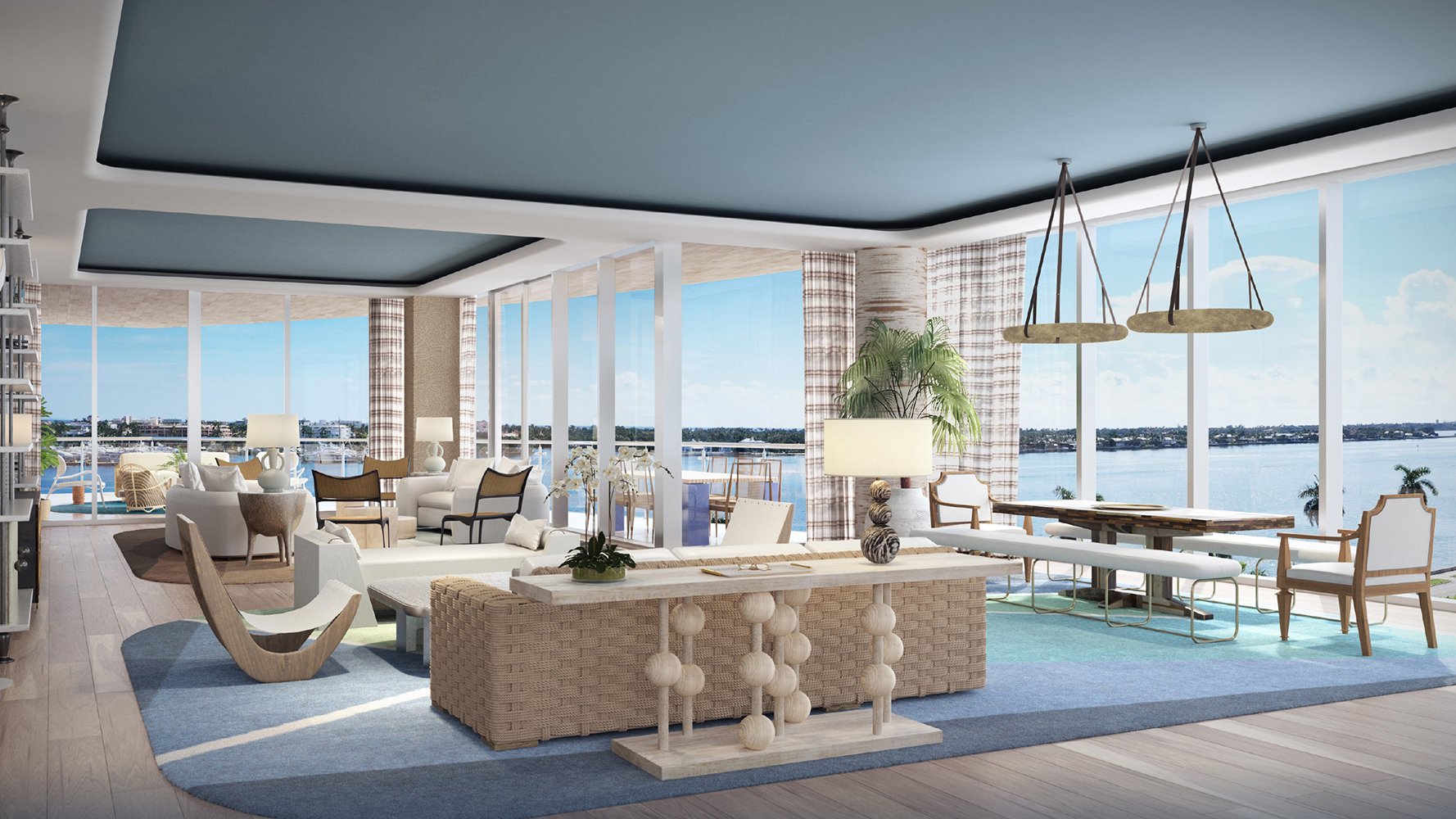
The balcony is not merely an amenity label. For families, outdoor space should be judged by depth, usability, safety, shade, and connection to the living areas. A narrow terrace may photograph well but function poorly. A more usable outdoor room can become the place where the family actually gathers.
For families with children, private-school planning often becomes central. Yet the real estate decision should not be reduced to a single commute. Admissions, calendars, language needs, activities, tutoring, and social networks all deserve consideration. The best approach is to map likely daily patterns before committing to a building.
A school run that seems acceptable once may feel very different five days a week. Test the routine at the times your family would actually travel. Consider where parents will work, where children will spend afternoons, where sports or arts commitments may occur, and how visiting family members will participate in the schedule.
The goal is not simply to live near school. It is to choose a residence that supports the entire family system. For some, that means maximum service and simplicity. For others, it means a quieter building with larger residences and less social intensity. There is no universal answer, only a better fit.
New construction can be compelling for international families because it often presents a cleaner ownership story: contemporary planning, current finishes, and a building culture formed around today’s service expectations. But pre-completion or recently delivered residences require careful review. Buyers should understand deposit structure, timelines, closing obligations, association formation, warranty procedures, and what is included versus optional.
A family evaluating Forté on Flagler West Palm Beach and The Ritz-Carlton Residences® West Palm Beach should compare not only finishes and views, but also the service promise, governance structure, parking, storage, guest use, rental restrictions, and long-term carrying costs. A prestigious name can enhance confidence, but it does not replace document review.
Families should also discuss financing and currency planning early. Even cash buyers benefit from understanding timing, transfer mechanics, title structure, tax considerations, and estate planning before signing. A cross-border purchase should feel elegant at closing, not improvised.
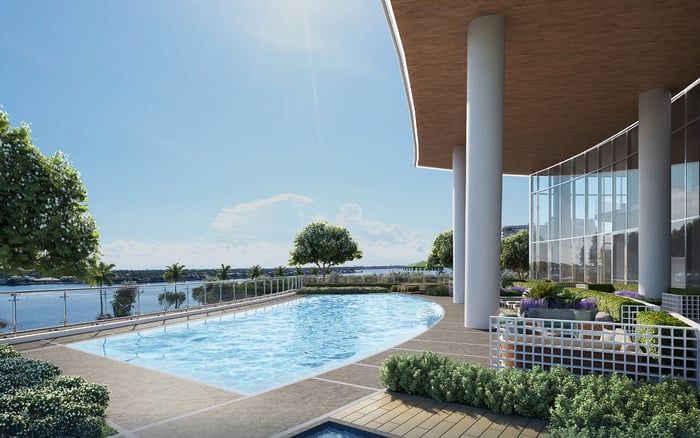
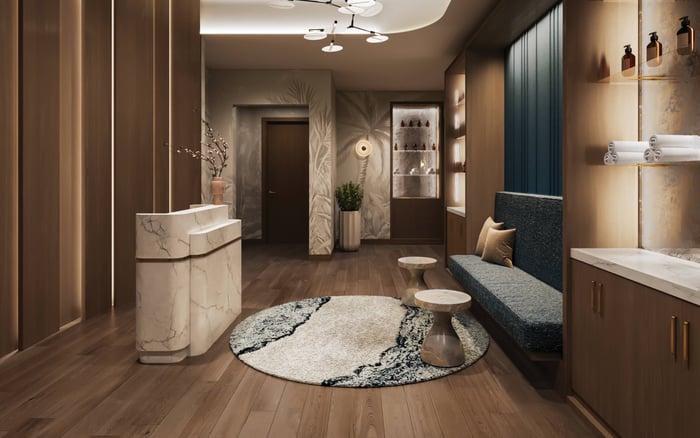
A pool, fitness room, children’s area, spa suite, social room, or private dining space is valuable only if it matches how the family lives. Some buyers want a resort-like environment with a strong hospitality layer. Others prefer a quieter building where amenities are refined but not constantly active.
Ask practical questions. Are children welcome in the relevant spaces at the times your family would use them? How are guests handled? Can amenities be reserved for private events? Is there staff supervision? Are there seasonal crowding patterns? Does the building feel calm on weekdays and weekends?
The most successful family purchases are not driven by the longest amenity list. They are driven by amenities that reduce friction: a convenient arrival, reliable valet or parking protocol, well-managed packages, sensible guest procedures, and spaces that make entertaining easier without turning the residence into a public stage.
For São Paulo buyers, the final decision should combine emotion with discipline. Tour at different times. Bring the family member who notices practical flaws. Sit in the residence long enough to imagine breakfast, homework, a rainy afternoon, and a dinner with guests. Ask whether the home feels calm when nothing special is happening.
Then compare three layers. The first is residence quality: plan, light, ceiling character, storage, privacy, and terrace usability. The second is building quality: rules, staffing, service, reserves, insurance, maintenance, and governance. The third is life quality: school routines, travel patterns, neighborhood comfort, medical access, dining habits, and proximity to friends or family.
A family-scale condo is not a trophy to be displayed. It is a private operating system for a life between cities. The right one makes Florida feel intuitive, not performative.
What is a family-scale condo? It is a condominium residence planned for daily family life, with enough bedroom separation, storage, privacy, and service support to function beyond vacations.
Should São Paulo buyers focus first on West Palm Beach or Palm Beach? Start with daily routines, then compare locations. The better choice is the one that supports school, travel, privacy, and family logistics with the least friction.
Is new construction always better for an international family? Not always. New construction may offer contemporary planning, but documents, timelines, costs, rules, and building governance still require careful review.
How important is a terrace for families? Very important when it is usable. Depth, safety, shade, and access from living areas matter more than the mere presence of outdoor space.
What building rules deserve the closest attention? Review rules for guests, pets, rentals, renovations, service providers, deliveries, parking, storage, and extended absences before committing.
Should school selection come before the condo purchase? School planning should run in parallel. Test commutes, calendars, activities, and admissions needs before allowing any one factor to dominate.
How should buyers compare branded residences? Compare the actual service model, costs, rules, residence plans, and long-term governance. Branding can be valuable, but it is not a substitute for fit.
What makes a layout work for children? Flexible rooms, separated bedrooms, practical bathrooms, storage, acoustic comfort, and safe circulation usually matter more than decorative drama.
Can a condo replace a single-family home for a large family? It can if the plan, storage, staff protocols, parking, and amenities support the family’s routines. The building must operate like an extension of the residence.
What is the best way to shortlist comparable options for touring? Start with location fit, delivery status, and daily lifestyle priorities, then compare stacks and elevations to validate views and privacy.
For a confidential assessment and a building-by-building shortlist, connect with MILLION.
If branded residences are on your mind — as a home or as an allocation — we would be glad to share what we are seeing, privately.
Begin a quiet conversation