A buyer-focused guide to evaluating Boca Raton waterfront residences for private dining, gracious entertaining, outdoor flow, service, privacy, and everyday livability.
For buyers who entertain, the best Boca Raton residence is not necessarily the home with the largest dining room. It is the one where arrivals, preparation, service, conversation, and departure feel effortless. A successful plan separates the visible theater of hospitality from its practical machinery, allowing guests to enjoy water views and polished interiors without encountering catering equipment, deliveries, or cleanup.
Private dining can describe two distinct experiences. Some buyers want a formal room within the residence, while others value a reservable dining salon elsewhere in the building. The first offers control and intimacy; the second may preserve the home’s calm while providing a larger setting for milestone occasions. Before comparing residences, buyers should decide which format reflects how they genuinely host.
A thoughtful Boca Raton comparison can begin with Glass House Boca Raton and Alina Residences Boca Raton. Rather than assume either will satisfy every requirement, assess current residence plans, amenity access, operating rules, and availability against a written entertaining brief.
Entertaining capacity begins at the front door. Consider whether guests can enter without crossing a private family zone and whether the foyer offers a natural pause before the main living space. A powder room should be convenient yet visually discreet. Coat storage, serving surfaces, and clear circulation become especially important when a quiet dinner grows into a larger gathering.
The kitchen warrants equally close attention. Buyers who cook may favor a visual connection to the dining area, while those who engage chefs or caterers may prefer separation. Confirm sufficient preparation space, refrigeration, pantry storage, ventilation, and a practical route for staff. Renderings may suggest atmosphere, but dimensions and an in-person walk-through reveal whether chairs, tables, and service paths can coexist comfortably.
Flexibility is more valuable than a room that performs only once or twice a year. A dining area that also accommodates reading, work, or family meals can remain composed between events. Pocket doors, adaptable lighting, and thoughtfully positioned furniture may allow a space to shift from intimate to ceremonial without feeling theatrical.
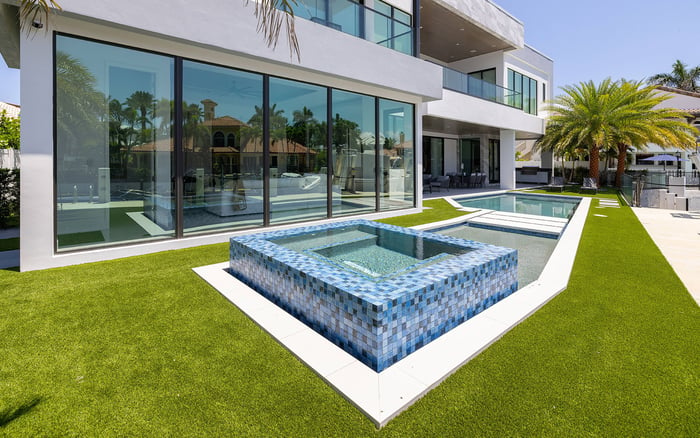
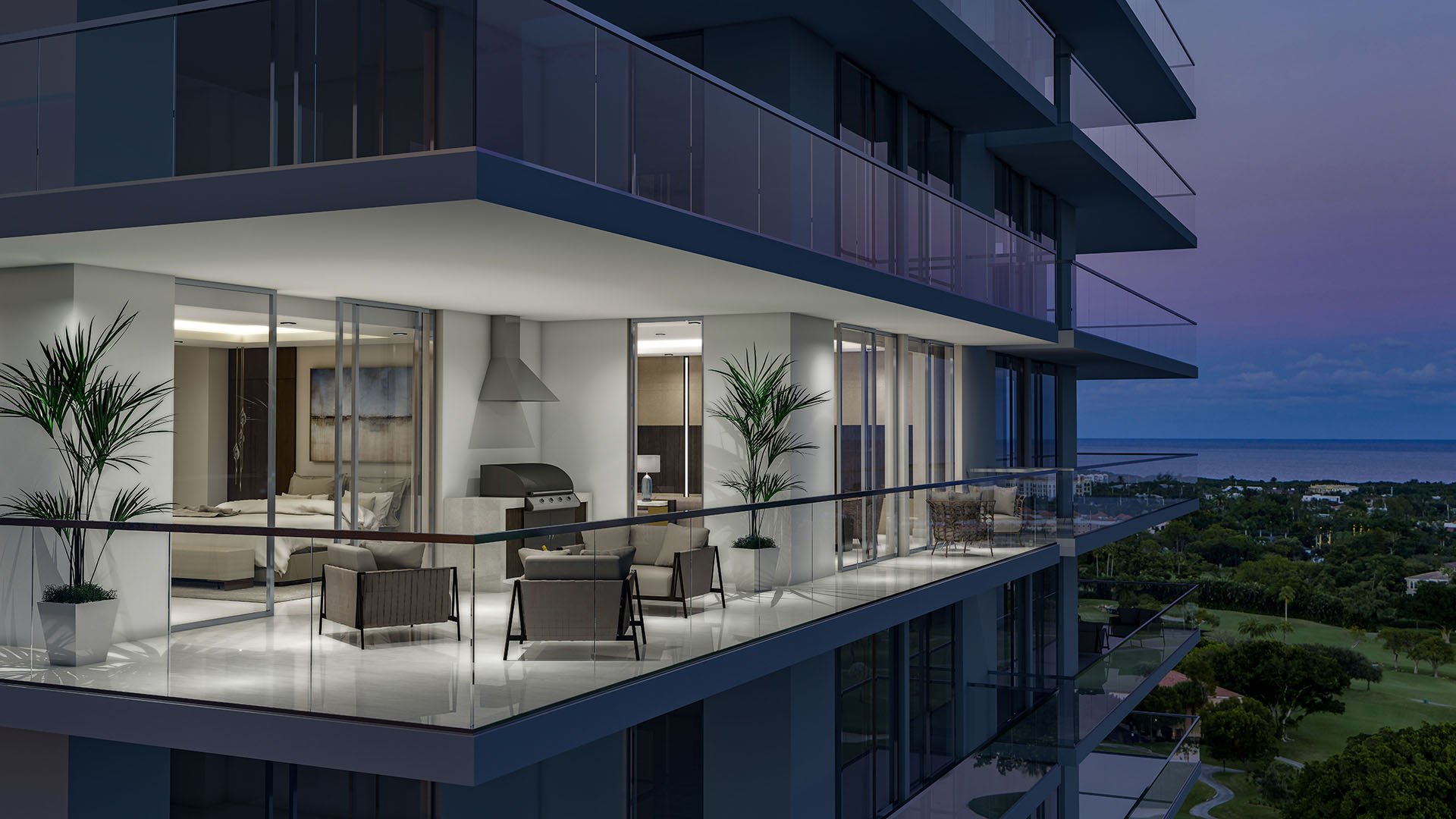
Waterfront living changes the rhythm of a gathering. Guests naturally gravitate toward the view, making the relationship between interior seating and outdoor space central to the experience. A balcony may suit cocktails for a small group, while a deeper terrace may accommodate distinct dining and lounge zones. In either case, usable depth, door placement, shade, wind exposure, and proximity to food service deserve more scrutiny than headline square footage alone.
Inspect the transition at different times of day. Afternoon glare can influence seating choices, while evening lighting can determine whether the water remains part of the room after sunset. Buyers should also review what may be placed outdoors, how service staff can move through the space, and whether music or guest limits affect the intended lifestyle.
For another Boca Raton point of comparison, Mr. C Residences Boca Raton can be considered through the same lens: not simply for visual appeal, but for the complete sequence from elevator arrival to dinner table and outdoor seating.
A shared private dining room can extend a residence’s capacity without requiring owners to maintain a formal room year-round. The essential questions are operational. Ask how far in advance the room may be reserved, whether fees or deposits apply, how many events an owner may host, and which cancellation or cleanup policies govern its use. Confirm whether outside chefs, caterers, florists, musicians, and rental furnishings are permitted.
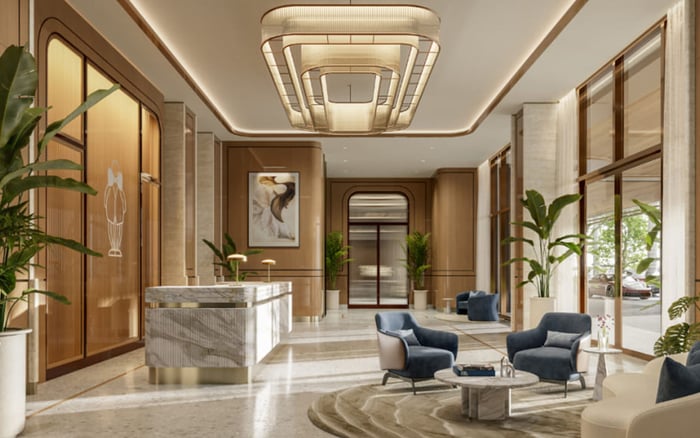
The room itself should be evaluated as carefully as the residence. Assess acoustics, lighting controls, kitchen support, restrooms, guest access, and the privacy of the route from arrival to table. A bar may be appealing, but service storage, refrigeration, glassware handling, and waste removal often determine whether an event feels seamless.
Buyers considering The Residences at Mandarin Oriental Boca Raton should request current materials and verify how dining, hospitality, and reservation arrangements align with their anticipated frequency and scale of entertaining.
Exceptional hosting depends on invisible logistics. Ask where vendors arrive, whether deliveries require advance registration, and how service personnel reach the residence or private dining room. Elevator dimensions and access windows can matter when an event involves floral installations, extra tables, or substantial catering equipment.
Privacy deserves equal weight. Clarify guest registration, valet procedures, elevator access, security protocols, and the treatment of household staff. A highly controlled building may offer discretion, but its rules must still accommodate the owner’s preferred style of hospitality. The goal is a balance in which guests feel welcome and residents retain a sense of calm.
Review insurance requirements, noise provisions, occupancy limits, and restrictions on commercial photography or branded events. Confirm these details in current governing and operating documents. They can materially affect entertaining even when the floor plan appears ideal.
Tour with a realistic occasion in mind, such as a seated dinner, holiday lunch, or cocktail reception. First, walk the route a guest would take. Then repeat the exercise from the perspective of a chef, server, or house manager. Note bottlenecks, sightlines, door swings, restroom access, and where used glassware would be staged.
Measure the dining zone with chairs pulled out rather than tucked beneath the table. Test the distance between the kitchen and exterior seating. Ask to see support spaces, loading access, and reservable rooms rather than relying solely on presentation areas. Finally, compare the home’s entertaining performance with its everyday comfort. The strongest choice should feel serene on an ordinary morning and gracious when every seat is occupied.
What should buyers define before touring waterfront residences? Establish the typical guest count, event frequency, preferred service style, and whether dining will occur primarily within the home or in a shared room.
Is a larger dining room always better for entertaining? No. Proportion, circulation, acoustics, storage, and proximity to kitchen service can matter more than raw size.
What makes an outdoor dining area genuinely usable? Adequate depth, comfortable access, shade, lighting, manageable wind exposure, and a practical connection to food preparation are central considerations.
Why should buyers review private dining reservation rules? Booking windows, fees, guest limits, vendor policies, and cleanup requirements determine how readily the space can be used.
How can a buyer assess catering logistics? Trace the route from loading and service elevators to preparation, dining, and waste-removal areas, then confirm every access restriction.
What kitchen features support frequent hosting? Prioritize preparation surfaces, pantry capacity, refrigeration, ventilation, storage, and circulation that keeps service clear of guests.
Do building privacy protocols affect entertaining? Yes. Guest registration, elevator controls, valet procedures, and vendor access can shape both discretion and convenience.
Should acoustics be evaluated during a private tour? Yes. Hard finishes, open layouts, and adjoining spaces can influence conversation quality and sound transmission during gatherings.
How should buyers compare in-home and shared private dining? Weigh personal control and convenience against expanded capacity, staffing options, reservation requirements, and separation from daily living.
What documents deserve review before a purchase? Examine current plans, governing documents, amenity rules, fee schedules, insurance requirements, and policies addressing guests, noise, and vendors.
If you'd like a private walkthrough and a curated shortlist, connect with MILLION.
If branded residences are on your mind — as a home or as an allocation — we would be glad to share what we are seeing, privately.
Begin a quiet conversation