A discreet buyer’s guide to evaluating protected view corridors in Pompano Beach, from legal documentation and sightline testing to floor selection, resale risk, and contract strategy.
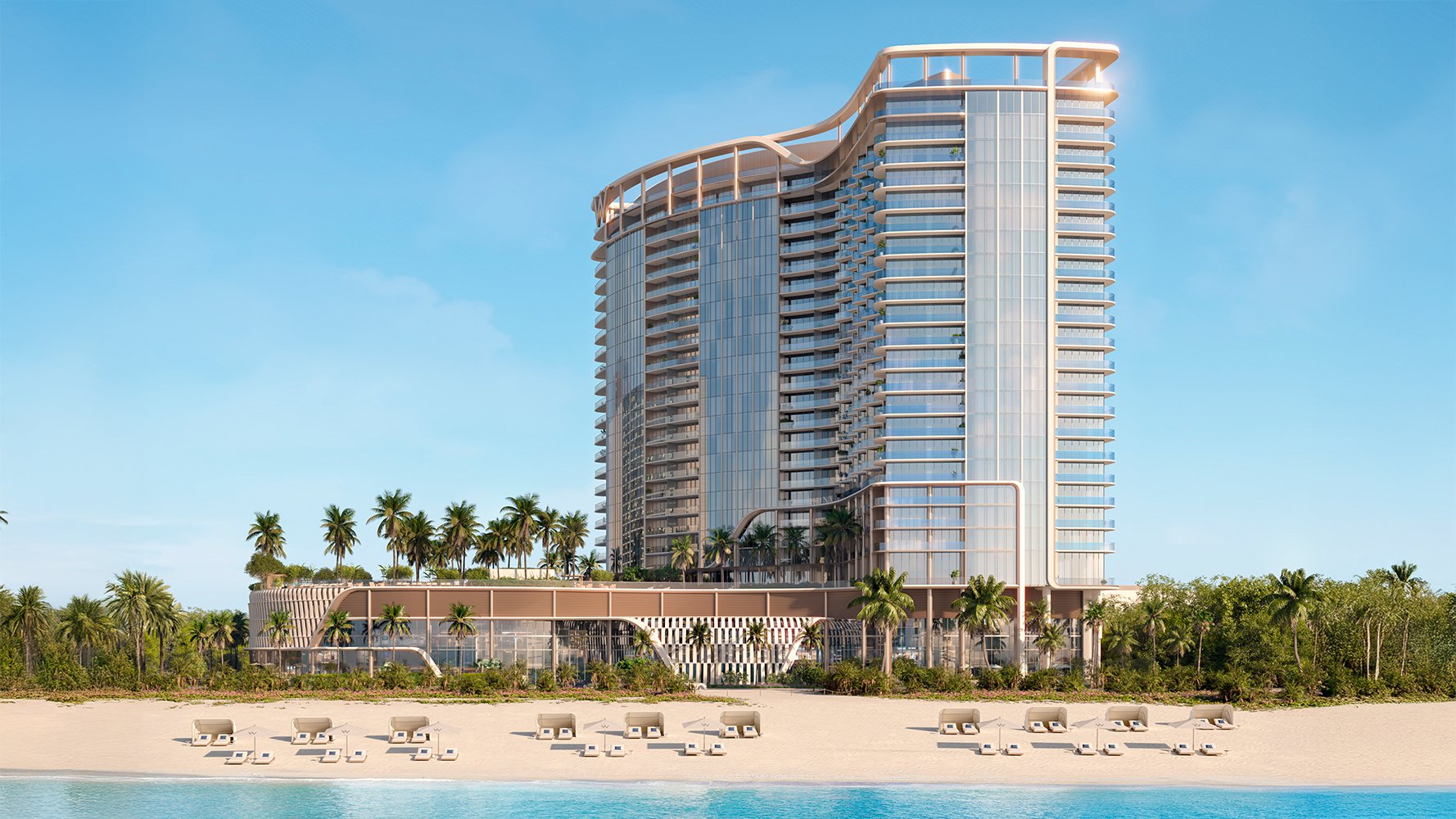
In Pompano Beach, a memorable view can shape everything from daily rhythm to long-term resale confidence. Morning light over the Atlantic, a clean diagonal toward the shoreline, or an open sweep above the Intracoastal can make a residence feel larger, calmer, and more private. Yet a beautiful view and a protected view are not the same thing.
A buyer should begin with one disciplined question: what, precisely, protects this outlook? The answer may involve recorded rights, building setbacks, height limitations, open space, association documents, site planning, or simply the current condition of neighboring land. Those categories carry very different levels of security. A view that depends only on today’s low-rise structure next door deserves more scrutiny than a view supported by documented restrictions.
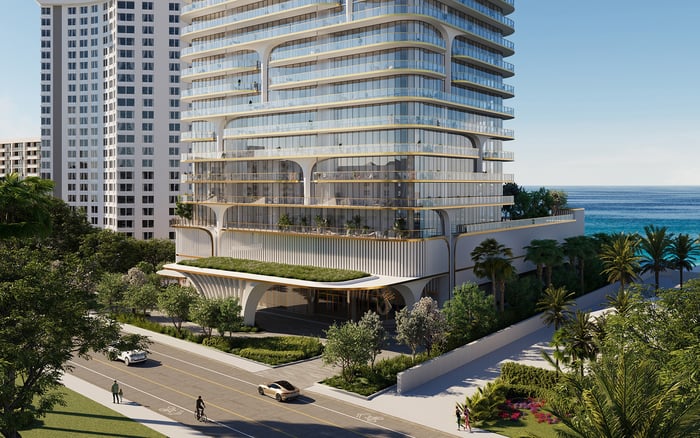
This is especially relevant as Pompano Beach continues to attract higher-design residential offerings. Buyers considering residences such as Armani Casa Residences Pompano Beach or The Ritz-Carlton Residences® Pompano Beach should treat the view as part of the purchase file, not merely as part of the emotional tour.
A protected view corridor is most useful when it is drawn, described, and tested. The corridor may be a cone of sight from a balcony, a slice between neighboring buildings, a water-facing exposure, or an angle preserved by surrounding conditions. It should never remain a vague phrase in conversation.
Ask the sales team, listing representative, or seller to identify the specific view being represented. Is it ocean, Intracoastal, city, marina, garden, pool deck, or a combination? Is the value concentrated straight ahead, or is the premium really in a side angle? Does the view matter most when seated inside, standing on the terrace, or looking outward from the primary bedroom?
This distinction is not cosmetic. A residence with a broad Oceanfront exposure has a different risk profile from a home whose appeal depends on a narrow opening between two parcels. A Waterfront residence facing a navigable waterway may still require careful analysis if adjacent land can change. A Waterview description, by itself, is often too general to support a major premium unless the angle and durability are clear.
The language used to market a residence can be elegant, but the buyer’s protection lives in documents. A serious review should include the condominium declaration, surveys if available, plats, easements, covenants, association materials, site plans, recorded agreements, and any materials that describe limitations on surrounding improvements.
The goal is not to turn a buyer into a land-use attorney. The goal is to understand whether the view is protected by a binding instrument, shaped by current zoning conditions, or merely visible today. If the representation is important to the purchase decision, it should be addressed before the inspection period expires, not after closing.
For New-construction opportunities, buyers should also distinguish between renderings, model views, and the actual line of sight from a specific stack and elevation. A residence at W Pompano Beach Hotel & Residences may deliver a very different experience depending on height, orientation, balcony depth, and neighboring context. The same principle applies across the market: the precise residence matters more than the building name alone.
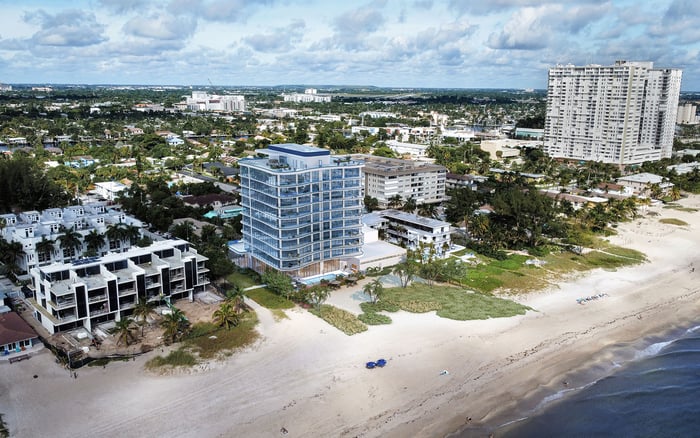
The most important view risk often sits outside the property being purchased. Adjacent parcels, underbuilt sites, parking areas, older structures, and assemblage opportunities can all affect future sightlines. Even when nothing is publicly imminent, a buyer should assume that valuable coastal land may evolve over time.
This does not mean every neighboring parcel is a threat. It means each parcel should be understood. What sits there now? What is the lot shape? How close is it to the line of sight? Could a future structure interrupt the primary view, or only a secondary angle? Would the most important outlook remain intact if the surrounding context changed?
A prudent buyer will map the view from the actual residence against the surrounding built environment. If the premium is tied to an uninterrupted ocean angle, the risk tolerance should be different than it would be for a residence with multiple exposures, deeper setbacks, or a high-floor position with more resilient sightlines.
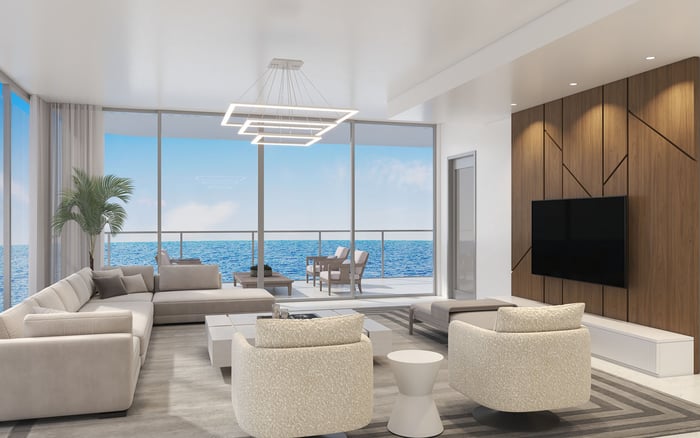
Protected view due diligence should be physical as well as legal. Walk the residence at different times of day if possible. Morning glare, afternoon shadow, terrace overhangs, glass reflectivity, and neighboring lighting can all alter the way a view lives.
Stand where life actually happens. Sit at the dining table. Look from the bed wall. Step onto the terrace and test both standing and seated views. A dramatic view from one corner of a balcony may not translate into the interior experience a buyer expects. Conversely, a subtle framed view from a living room can feel more refined than a broader exposure compromised by noise or visual clutter.
For buyers comparing Waldorf Astoria Residences Pompano Beach with other coastal residences, the exercise should be consistent: evaluate the exact line, the exact height, and the exact daily experience. The best decisions are made when romance and measurement occupy the same room.
Luxury buyers often pay for a total composition: architecture, service, finish level, location, privacy, amenities, and view. Still, the view premium should be isolated in the buyer’s mind. If the outlook changed materially, would the residence still be compelling at the same price? If the primary view were softened rather than eliminated, how would that affect satisfaction and resale positioning?
This is where Buyer's Guides can be useful as a discipline rather than a checklist. The buyer should compare similar residences with different exposures, floors, and orientations. A higher-floor home may command more because the view feels more secure. A lower-floor residence may offer intimacy, landscaping, or easier connection to amenities, but its sightlines may require sharper review.
The point is not to avoid risk entirely. It is to avoid paying as though the view is permanent when the file does not support that assumption.
If the view is central to the decision, the contract strategy should reflect that importance. Buyers can ask for relevant documents early, request written clarification on representations, and coordinate review among real estate counsel, land-use professionals, surveyors, and an advisor familiar with luxury coastal inventory.
In pre-construction or new development settings, buyers should pay close attention to unit-specific materials, floor plans, balcony orientation, and any disclaimers about views. In resale settings, the focus may shift toward neighboring conditions, association documents, and whether prior representations align with current reality.
A residence such as Ocean 580 Pompano Beach may appeal to a buyer for lifestyle, scale, proximity, or water orientation. Those advantages should be evaluated alongside view durability. The finest acquisitions are rarely rushed; they are curated.
Before purchasing in Pompano Beach, treat the view corridor as a layered asset. First, define it. Second, document it. Third, test it from the residence. Fourth, study what surrounds it. Fifth, decide how much of the price you are willing to attribute to that view.
This approach preserves the pleasure of the search while adding the discipline expected at the top of the market. A protected view is not only a backdrop. When verified, it can become part of the residence’s identity, part of its daily luxury, and part of its future market language.
What is a protected view corridor? It is a sightline with some form of documented or practical protection, such as recorded rights, planning constraints, setbacks, or surrounding conditions.
Is every ocean view in Pompano Beach protected? No. A view may be beautiful today without being legally or practically protected against future changes.
What documents should a buyer request? Buyers should request condominium documents, site plans, surveys if available, recorded agreements, easements, and materials describing relevant restrictions.
Can a marketing rendering prove a future view? No. Renderings are useful for orientation, but buyers should verify the actual unit, floor, angle, and surrounding conditions.
Do higher floors always have safer views? Higher floors may offer more resilient sightlines, but they still require review of neighboring parcels and future development potential.
Should view concerns affect the offer price? Yes. If the view is a major reason for the purchase, the buyer should understand how much of the price depends on that outlook.
Who should review view protection issues? Real estate counsel, a land-use professional, a surveyor when appropriate, and an experienced luxury advisor can all add value.
Are Intracoastal views evaluated differently from ocean views? They can be. The analysis should focus on angle, neighboring land, waterway orientation, building height, and the durability of the sightline.
What is the biggest mistake buyers make? The biggest mistake is treating a current view as permanent without reviewing the documents and surrounding parcels.
What is the best way to shortlist comparable options for touring? Start with location fit, delivery status, and daily lifestyle priorities, then compare stacks and elevations to validate views and privacy.
For a discreet conversation and a curated building-by-building shortlist, connect with MILLION.
If branded residences are on your mind — as a home or as an allocation — we would be glad to share what we are seeing, privately.
Begin a quiet conversation