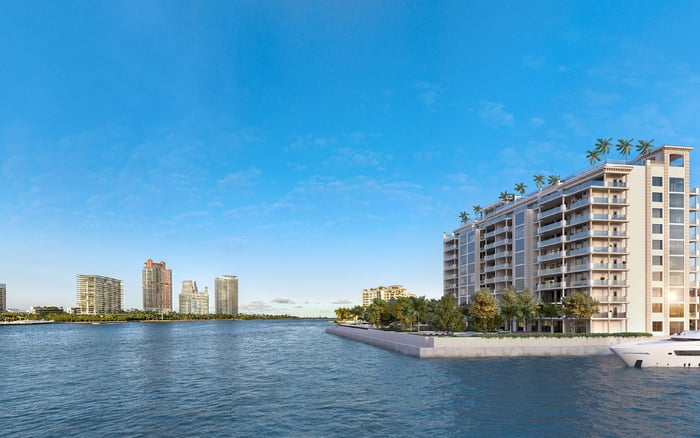
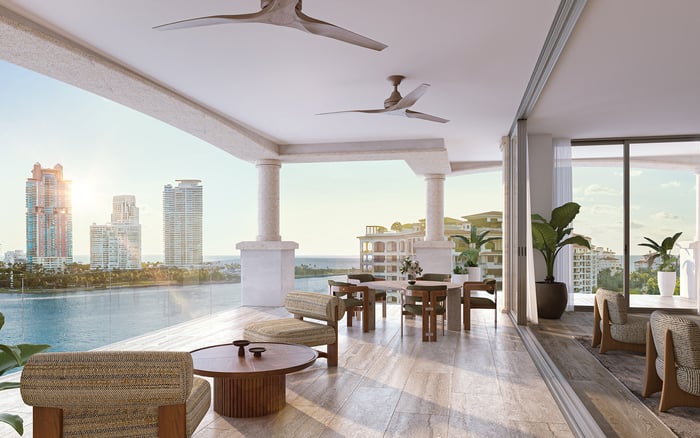
For South Florida families, a marina waitlist is not a boating detail. It can affect school commutes, weekend rhythms, contract strategy, and the true usefulness of a waterfront purchase.
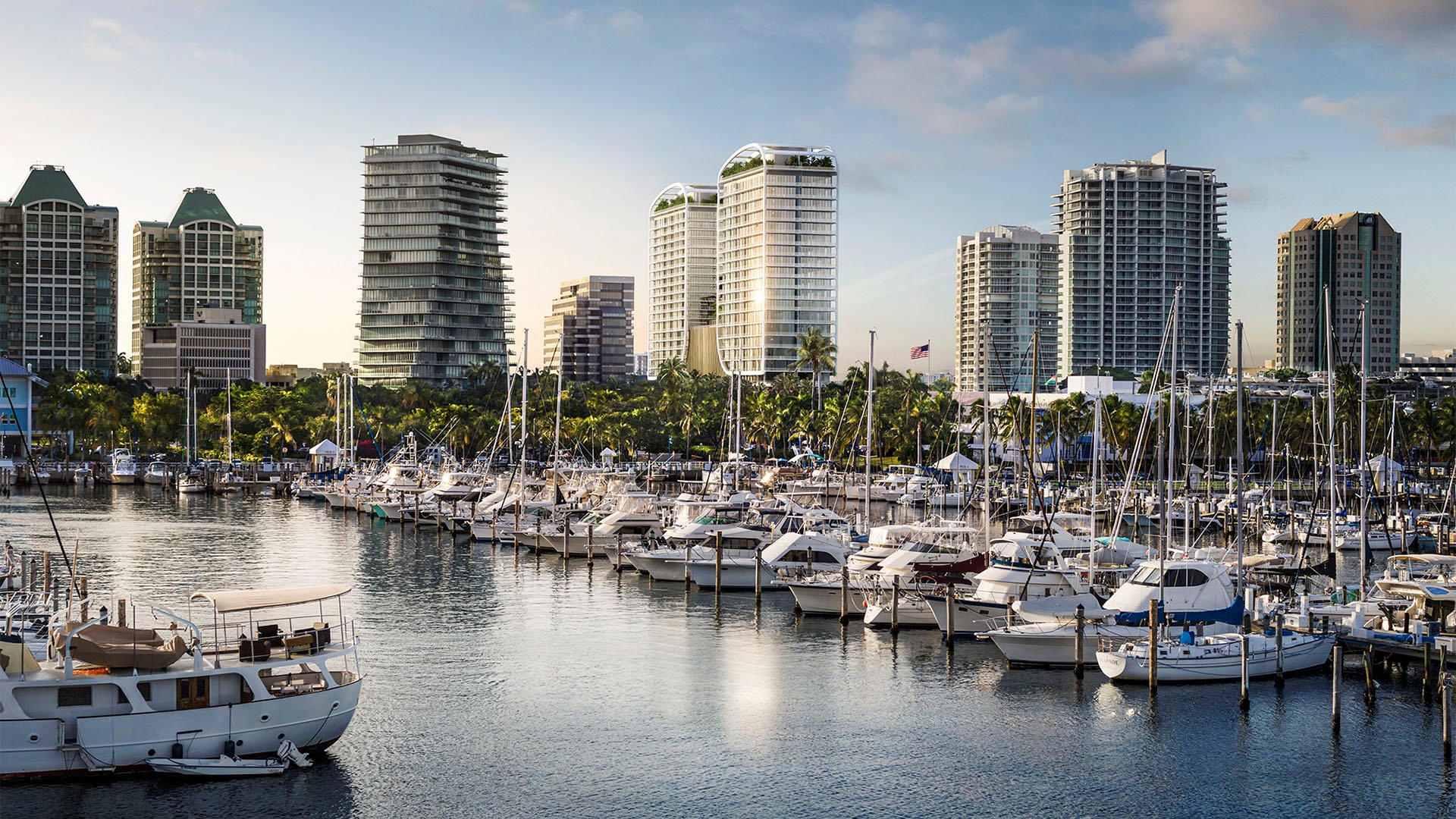
For buyers with school-age children, waterfront living in South Florida is rarely just about the view. It is about the orchestration of mornings, the reliability of afternoons, and the distance between campus, home, sports, tutoring, dinner, and the dock. A marina waitlist can quietly determine whether a residence supports the life a family imagined or adds another logistical layer to an already exacting calendar.
Many family buyers begin with bedrooms, school access, private-school proximity, outdoor space, and security. Those priorities are appropriate. Yet for boating families, marina access deserves a place in the same first round of due diligence as commute times and academic calendars. If the boat is central to family life, a beautiful waterfront address without practical dockage can feel incomplete.
This is especially true when children are young enough that weekends revolve around activities, guests, grandparents, and short weather windows. The difference between walking to a slip, driving to a separate facility, or waiting indefinitely for dockage can change how often the boat is actually used.
A marina waitlist should never be treated as a ceremonial step that resolves itself after closing. Buyers should understand who controls the waitlist, how priority is assigned, whether ownership status matters, what vessel limitations apply, and whether a slip can be transferred, leased, assigned, or reserved under any circumstance.
The phrase boat slip can sound simple, but the underlying rights are often more nuanced. A slip may be deeded, licensed, leased, reserved through an association, handled by a private operator, or subject to rules that change separately from residential ownership. For a family, those distinctions matter because the home purchase and the boating plan may not move on the same timeline.
Before signing, buyers should ask for written clarity. Verbal comfort is not enough. A family coordinating school placement, moving dates, seasonal travel, and vessel relocation needs a documented understanding of what is available now, what remains uncertain, and what could become available later.
A retired couple or seasonal buyer may be comfortable waiting for the perfect slip. A family with school-age children often has less flexibility. Weekday routines are fixed by bell schedules, practice times, and homework. Weekend time is precious. If boating requires a long drive, additional parking, separate provisioning, or uncertain access, the boat can become an aspiration rather than a habit.
This is where lifestyle underwriting becomes important. Parents should map a realistic week, not an idealized one. How does the morning route work from home to school? How does the afternoon route work from school to the marina? Can guests and children board safely and comfortably? Is the dock practical for a quick sunset cruise after activities, or only for long planned outings?
In Coconut Grove, buyers may compare village-like walkability, school access, and bay proximity while evaluating residences such as Vita at Grove Isle. The point is not simply whether the address feels coastal. It is whether the full ecosystem supports the family’s daily rhythm.
A strong waterfront contract looks beyond the residence itself. If marina access is material to the purchase, buyers should involve counsel early and ask whether the contract can address dockage representations, association documents, slip rules, assignment limitations, and related contingencies. The goal is not to complicate the transaction. It is to prevent a mismatch between expectation and legal reality.
Families should also be cautious about assuming that proximity equals availability. A residence may sit near marinas, yacht clubs, or waterfront services without providing immediate access to the slip a buyer needs. Vessel size, beam, draft, insurance requirements, and operator rules can all influence suitability. Even if no specific answer is available at the outset, identifying the open questions before signing is better than discovering them after closing.
For buyers considering Fort Lauderdale, the boating conversation can become central because the city’s identity is deeply tied to water access and canal living. A family evaluating Riva Residenze Fort Lauderdale and St. Regis® Residences Bahia Mar Fort Lauderdale should treat marina logistics as part of the same decision matrix as school commutes, beach access, and daily services.
South Florida family buyers often face a geographic tension. The most compelling academic fit may not be near the most convenient boating access. A residence that is perfect for a school commute may place the boat across town. A waterfront address with appealing boating potential may stretch the school run. The best decision is rarely made by isolating one priority.
A practical approach is to create three maps. The first is the school map, including morning and afternoon drive patterns. The second is the marina map, including current or potential dockage locations. The third is the family-life map, including groceries, medical care, dining, clubs, airports, grandparents, and sports. Where those maps overlap, the most resilient real estate decisions tend to emerge.
Bay Harbor Islands offers a different lens: quieter residential scale, access to Miami Beach and the mainland, and a family-oriented sense of place. Buyers studying Onda Bay Harbor should still separate the appeal of water views from the specifics of boat access. A view can be enjoyed on day one. A slip may require a separate strategy.
Waterfront buyers are often purchasing a feeling, but resale is influenced by documentation. Future buyers will ask the same questions: Is there dockage? Is there a waitlist? What is transferable? What are the limits? What are the ongoing costs? If the answers are vague, the buyer pool may narrow to those who do not need the marina component.
For families, the resale lens is particularly important because school needs evolve. A home that fits the elementary years may not fit the high school years. A child’s activities may shift from neighborhood-based to county-wide. A family may decide to move closer to a different campus or simplify commuting. When that moment arrives, clearly understood marina status can help a property tell a cleaner story.
The most elegant purchases are not always the most obvious ones. Sometimes the right home is a slightly less dramatic waterfront residence with better school logic and a realistic boating plan. Sometimes the right choice is a premier address with a known waitlist and a temporary off-site dockage solution. What matters is that the family chooses with open eyes.
Before contract, families should ask whether any slip rights are included with the residence, whether there is an active waitlist, who administers it, how priority works, and whether position on the list can be confirmed in writing. They should ask whether slips are tied to vessel dimensions, whether children and guests can board conveniently, and whether the marina rules align with how the family actually uses the boat.
They should also ask how marina costs are billed, whether association approvals are required, whether insurance or captain requirements apply, and whether any renovation, dredging, construction, or operational changes could affect access. Even when answers are not definitive, the discipline of asking changes the quality of the purchase decision.
The best family waterfront acquisitions are not driven by urgency. They are driven by fit. A refined residence, a credible marina plan, and a realistic school commute should reinforce one another. When they do, the home becomes more than a trophy address. It becomes a functioning base for South Florida family life.
Why should families ask about marina waitlists before signing? Because marina access can affect daily routines, weekend use, and the true convenience of a waterfront home.
Is a waterfront residence the same as having boat access? No. A waterfront setting may offer views or proximity, while actual dockage may be governed by separate rules.
What is the most important boat-slip question to ask? Ask whether any slip rights are included, transferable, or subject to a waitlist controlled by another party.
Should private-school planning come before marina planning? They should be studied together, since school commutes and marina access can pull a family in different directions.
Can a marina waitlist affect resale? Yes. Clear dockage rights or a well-documented waitlist position can make the property easier to evaluate later.
Should buyers rely on verbal statements about slip availability? No. Families should seek written confirmation of rules, priority, limitations, and any included rights.
Does Fort Lauderdale require special attention to marina logistics? Yes. In Fort Lauderdale, boating convenience can be central to lifestyle fit and should be reviewed early.
Is Coconut Grove a useful case study for family waterfront buyers? Yes. Coconut Grove shows how school access, village living, and bay proximity must be balanced carefully.
What if the ideal home has no immediate marina access? It may still work if the family has a credible interim plan and understands the waitlist terms before closing.
When should marina due diligence begin? It should begin before signing, ideally at the same time as school, commute, insurance, and association review.
For a tailored shortlist and next-step guidance, connect with MILLION.
If branded residences are on your mind — as a home or as an allocation — we would be glad to share what we are seeing, privately.
Begin a quiet conversation