A buyer-focused guide to evaluating allergy-conscious interiors in South Florida, from oceanfront humidity control to city filtration, finishes, outdoor exposure, and due diligence.
For South Florida buyers, an allergy-conscious residence is not simply a home with pale upholstery and a pristine view. It is an interior environment defined by air movement, humidity control, surface selection, cleaning practicality, and the way outdoor living connects to private rooms. In the luxury segment, the most persuasive residences often feel effortless, but that ease is usually the result of disciplined choices behind the walls and beneath the finishes.
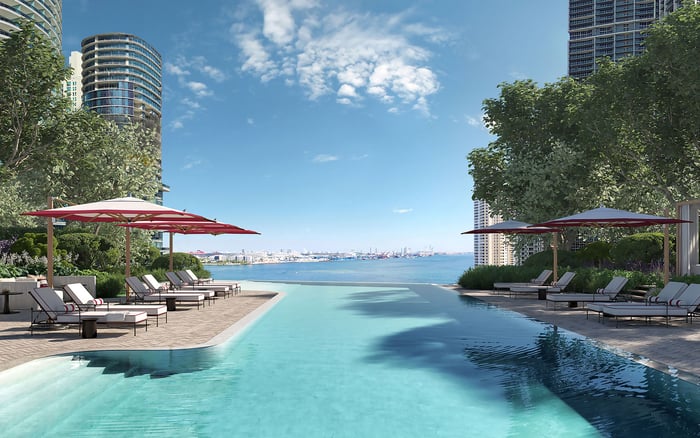
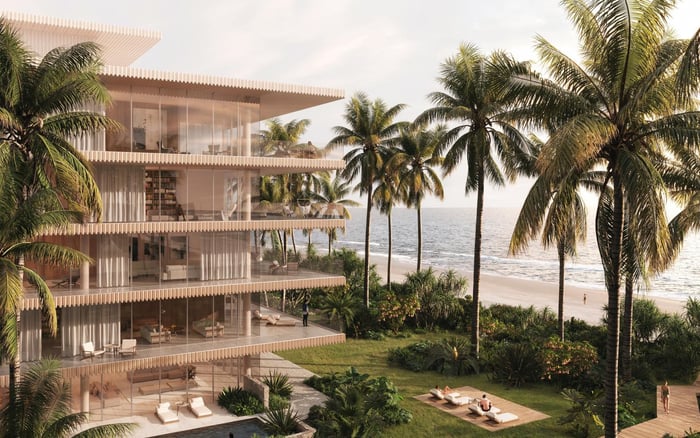
The comparison becomes especially nuanced when choosing between oceanfront living and a city residence. Beachfront homes offer openness, horizon, and restorative light, yet they also require closer attention to moisture, salt air, and the transition from terrace to interior. City homes, particularly in Brickell and other dense urban districts, may offer more separation from sand and marine exposure, but buyers should still study ventilation, elevator corridors, garage adjacency, and the management of fine outdoor particulates.
The right question is not whether beachfront or city living is inherently better for sensitive residents. The sharper question is which residence has been designed, specified, and maintained with enough intelligence to support daily comfort.
Allergy-conscious comparison should begin with the air system. Ask how fresh air enters the residence, how return air is managed, what filtration can be accommodated, and whether the system is easily serviceable. A beautiful room with difficult filter access may be less desirable than a quieter, simpler room where maintenance is intuitive.
In beachfront settings, the air system carries an added burden. Doors may open frequently to a terrace, wind can push humid air inward, and ocean exposure can influence how finishes and mechanical components age. The best interiors make those transitions feel graceful without allowing the exterior climate to dominate the residence.
In the city, buyers should focus on how the home separates private interiors from shared corridors, parking areas, delivery zones, and amenity floors. A discreet entry sequence, well-sealed doors, and thoughtful mechanical planning can make a meaningful difference in perceived freshness. In a high-rise context, the most elegant solution is often invisible: stable temperature, balanced airflow, and rooms that never feel stale.
Humidity is one of the defining considerations in South Florida interiors. It affects comfort, scent, fabric performance, cabinetry, wallcoverings, and the ability of a home to remain crisp over time. An allergy-conscious buyer should look for signs that moisture has been treated as a design condition, not an afterthought.
At the beach, study the points where exterior life meets interior life. Sliding doors, terrace thresholds, balcony doors, window frames, and service areas should feel tight, carefully detailed, and easy to keep clean. A balcony can be a prized extension of daily living, but it should not become a pathway for persistent dampness, pollen, or dust into bedrooms and closets.
In city residences, humidity concerns do not disappear. They simply express themselves differently. A compact laundry room, enclosed storage closet, or seldom-used guest suite can become the place where air feels less fresh. Buyers should notice whether every room feels equally conditioned, not only the main salon during a staged showing.
Luxury interiors often rely on texture, layering, and craft. For allergy-conscious living, those qualities should be balanced with cleanability. Stone, sealed wood, large-format tile, leather, performance textiles, and smooth millwork can be easier to maintain than heavily textured surfaces. The goal is not sterility. It is a home that remains sensuous without holding unnecessary dust.
Beachfront residences benefit from materials that tolerate sun, salt, and frequent cleaning. Pale flooring, open shelving, woven treatments, and natural rugs may look relaxed, but each should be evaluated for maintenance. The question is whether the finish will still look composed after repeated exposure to sandy feet, humid air, and open-door entertaining.
City residences can support a more tailored interior language, but the same discipline applies. Deep upholstery, dramatic drapery, and layered carpets may be appropriate when they are specified with maintenance in mind. Buyers should ask for finish schedules where available and look beyond the showroom impression. Allergy-conscious design is often revealed in the details: flush baseboards, minimal dust ledges, washable wall surfaces, and closets that do not smell enclosed.
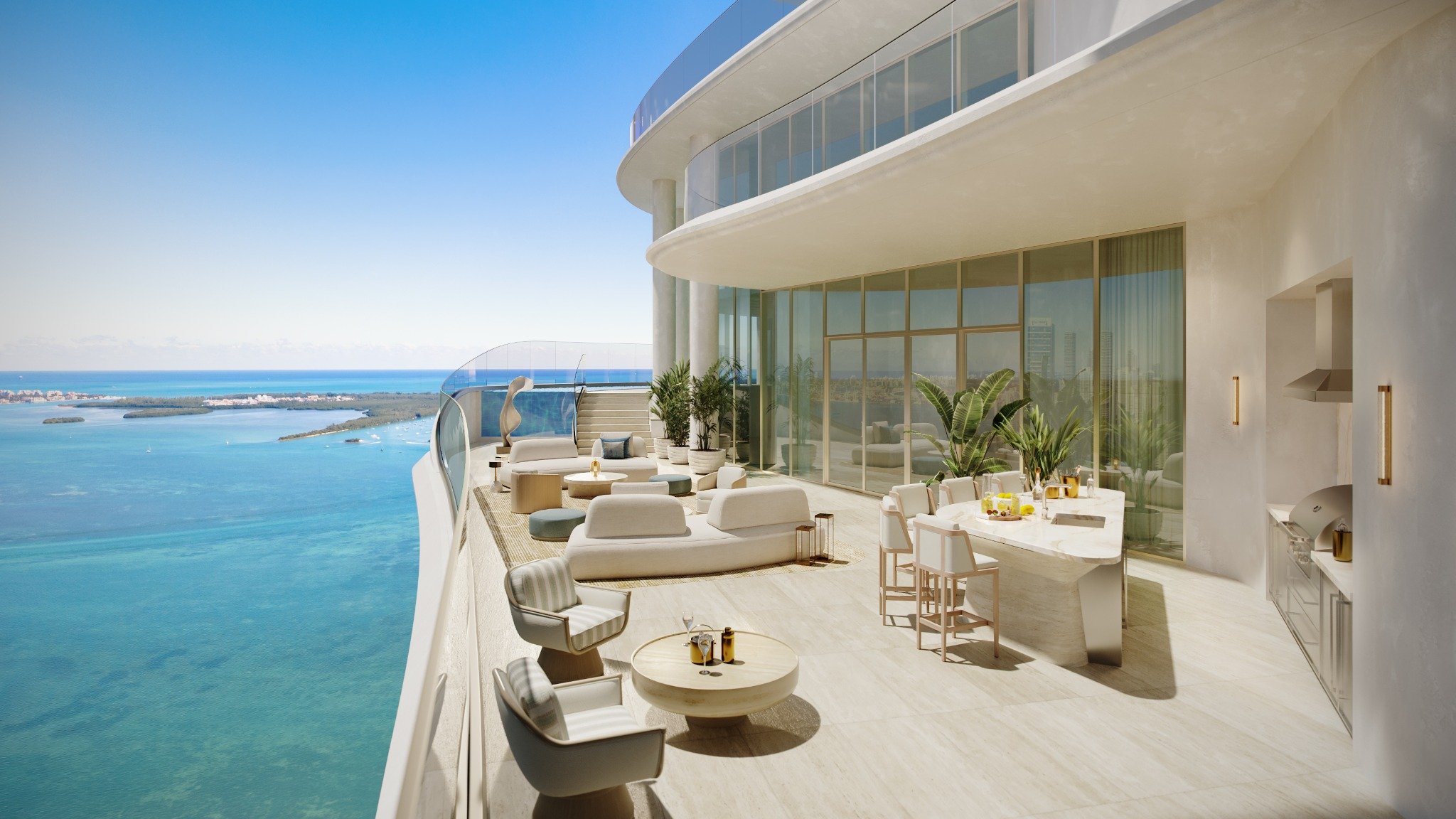
South Florida’s most desirable homes treat outdoor space as part of the residence. For sensitive buyers, the key is to define boundaries. A terrace should invite fresh air without requiring the interior to absorb everything outdoors. That may mean durable thresholds, practical flooring near entries, and furniture layouts that keep exterior use from spilling directly into sleeping areas.
A pool deck, garden edge, or waterfront promenade can be part of a healthy lifestyle, but it also introduces moisture, plant material, sunscreen residue, and foot traffic. Buyers should consider how easily a residence can be reset after a morning swim, a dog walk, or an evening gathering. The best plans create a sequence: exterior enjoyment, transition, storage, then clean interior living.
Waterview homes are especially seductive because the view can make every compromise feel minor during a tour. Resist that instinct. Open the doors, close them again, stand quietly, and notice whether the room returns to calm. An allergy-conscious interior should not require constant effort to feel composed.
For beachfront residences, prioritize moisture management, corrosion-aware detailing, clean transitions, durable finishes, and a mechanical system that can support frequent exposure to humid air. Look closely at bedroom zones, closet interiors, and corners near exterior glazing. These areas often reveal how well the residence has adapted to its setting.
For city residences, prioritize filtration capacity, acoustic and air separation from shared areas, sealed entry points, and surfaces that can be cleaned frequently without losing their finish. In Brickell, where vertical living is part of the appeal, the relationship between private interiors and building circulation deserves careful attention.
Neither choice should be reduced to a lifestyle cliché. Oceanfront does not automatically mean healthier because it feels breezy, and city living does not automatically mean less comfortable because it is denser. The strongest residence is the one where architecture, mechanical planning, and interior specification work together.
A polished showing can conceal the everyday realities of a home. Before making a decision, ask how often filters are changed, whether upgraded filtration is compatible with the system, how humidity is monitored, and which finishes require special care. If the home is furnished, ask which pieces are included and which are staging, because textiles can materially change how an interior performs.
Tour at different times of day when possible. Morning light can reveal dust on surfaces. Late afternoon can reveal heat gain. After rain, thresholds and entry areas may tell a more honest story about moisture. If pets, children, or frequent guests are part of the household, evaluate storage and cleaning routes with equal seriousness.
The most allergy-conscious luxury residences do not announce themselves as clinical. They feel calm, balanced, and easy to live in. They allow the owner to enjoy South Florida’s climate without surrendering the serenity of the interior.
Is an allergy-conscious residence the same as a medical-grade home? No. It is a residence planned around cleaner air, easier maintenance, moisture awareness, and materials that support comfort.
Are beachfront residences harder to maintain for sensitive buyers? They can require closer attention to humidity, salt air, and exterior transitions, but thoughtful design can make them highly comfortable.
Can a city residence be allergy-conscious? Yes. Strong filtration, sealed entries, cleanable finishes, and good separation from shared areas can support a refined interior environment.
What should I inspect first during a tour? Start with air quality, humidity feel, filter access, closets, laundry rooms, and transitions from outdoor areas to interiors.
Are hard floors always better than carpet? Hard surfaces are often easier to clean, but material quality, sealing, maintenance, and room use all matter.
Should I avoid outdoor spaces if I have allergies? Not necessarily. Focus on how the home manages the transition from outdoor living to clean interior zones.
Does a waterview residence need special review? Yes. The view can distract from practical details, so study doors, glazing, humidity control, and maintenance needs carefully.
How important is a balcony in this comparison? A balcony can enhance lifestyle, but it should be evaluated for exposure, drainage, and how easily nearby interiors stay clean.
What makes Brickell different from beachfront living? Brickell residences often require more focus on vertical circulation, shared corridors, and urban air separation.
What is the best way to shortlist comparable options for touring? Start with location fit, delivery status, and daily lifestyle priorities, then compare stacks and elevations to validate views and privacy.
For a confidential assessment and a building-by-building shortlist, connect with MILLION.
If branded residences are on your mind — as a home or as an allocation — we would be glad to share what we are seeing, privately.
Begin a quiet conversation