Family-office conference season often refines what affluent households ask of a Bal Harbour residence, from privacy and service to succession planning, wellness, liquidity and family usability across generations.
For ultra-high-net-worth households, family-office conference season is rarely just a calendar of panels and private dinners. It is a period when investment thinking, succession planning, governance and lifestyle decisions begin to converge. By the time those conversations return to the family table, a residence in Bal Harbour may be evaluated less as a beautiful address and more as a multi-generational operating environment.
That shift matters. In a market where taste is assumed, the sharper questions are practical: How does the home protect privacy? Can it support both retreat and hospitality? Does the building culture feel discreet? Will the residence remain useful as family needs evolve? A Bal Harbour brief shaped by family-office dialogue often becomes more exacting, more documented and more strategic.
The result is not a colder buying process. It is a more intentional one. Buyers still respond to light, water, scale and arrival. But the conversation often moves quickly from finishes to function, from views to stewardship, and from prestige to fit.
Conference season tends to elevate privacy from a preference to a mandate. Families are often reminded that residential exposure is part of a broader risk profile, especially when homes must accommodate principals, children, advisers, guests and staff without turning daily life into performance.
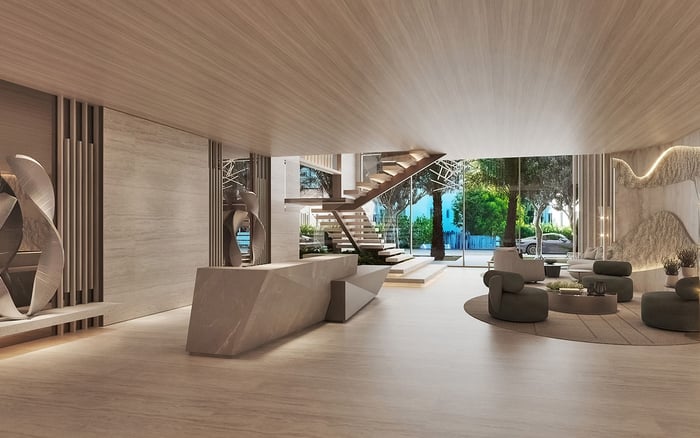
In Bal Harbour, that can translate into a preference for buildings and homes that feel composed rather than theatrical. Arrival sequences, elevator arrangements, service access, guest protocols and amenity use all become part of due diligence. A residence may be exceptional, but if its rhythm feels too public, it may fail the family-office test.
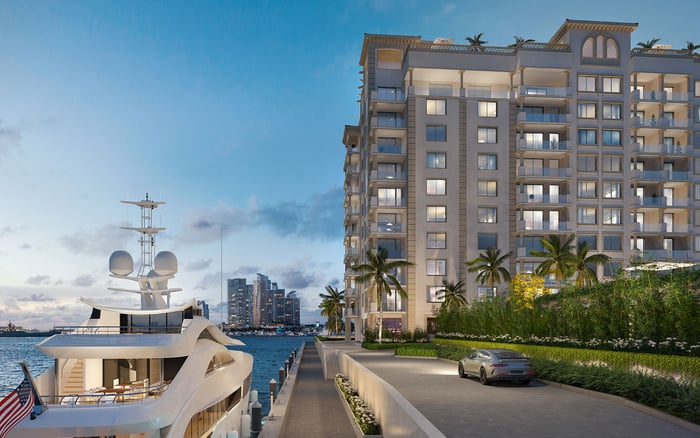
This is one reason projects such as Rivage Bal Harbour enter the conversation differently after conference season. The discussion is not only about architecture or location. It is about whether the residence can support a household that values calm, control and discretion while still offering the emotional reward of coastal living.
Family-office principals often distinguish between service and spectacle. The most desirable residential experience is not necessarily the one with the longest amenity menu. It is the one where daily friction disappears quietly.
That may mean a building team that understands recurring household patterns, a wellness environment that can be used without ceremony, and common spaces that are polished but not overexposed. For families who move among multiple residences, consistency matters. They want to arrive and feel immediately settled, not reintroduced to their own lifestyle.
In Bal Harbour, established addresses such as Oceana Bal Harbour may be considered through this lens of livability. The key question is not simply whether a residence is impressive. It is whether the home can remain elegant under real use, including extended family stays, visiting friends, business-adjacent dinners and periods of quiet retreat.
Investment thinking does not remove emotion from a luxury-home purchase. It gives emotion a framework. After conference season, buyers may ask more disciplined questions about hold periods, maintenance appetite, resale logic, rental restrictions, ownership structure and the role of the home within a wider portfolio.
This is where Bal Harbour’s appeal is often considered alongside neighboring coastal enclaves. Surfside, Bay Harbor and the surrounding islands can widen the search without abandoning the desire for a refined, low-noise lifestyle. The brief may begin with Bal Harbour, but the family office may encourage comparison across building scale, management style and long-term usability.
A buyer who initially focuses only on a specific stretch of coastline may also study nearby options such as The Delmore Surfside for a different expression of privacy and design. Others may look toward The Well Bay Harbor Islands when wellness, boutique scale and island living become central to the mandate.
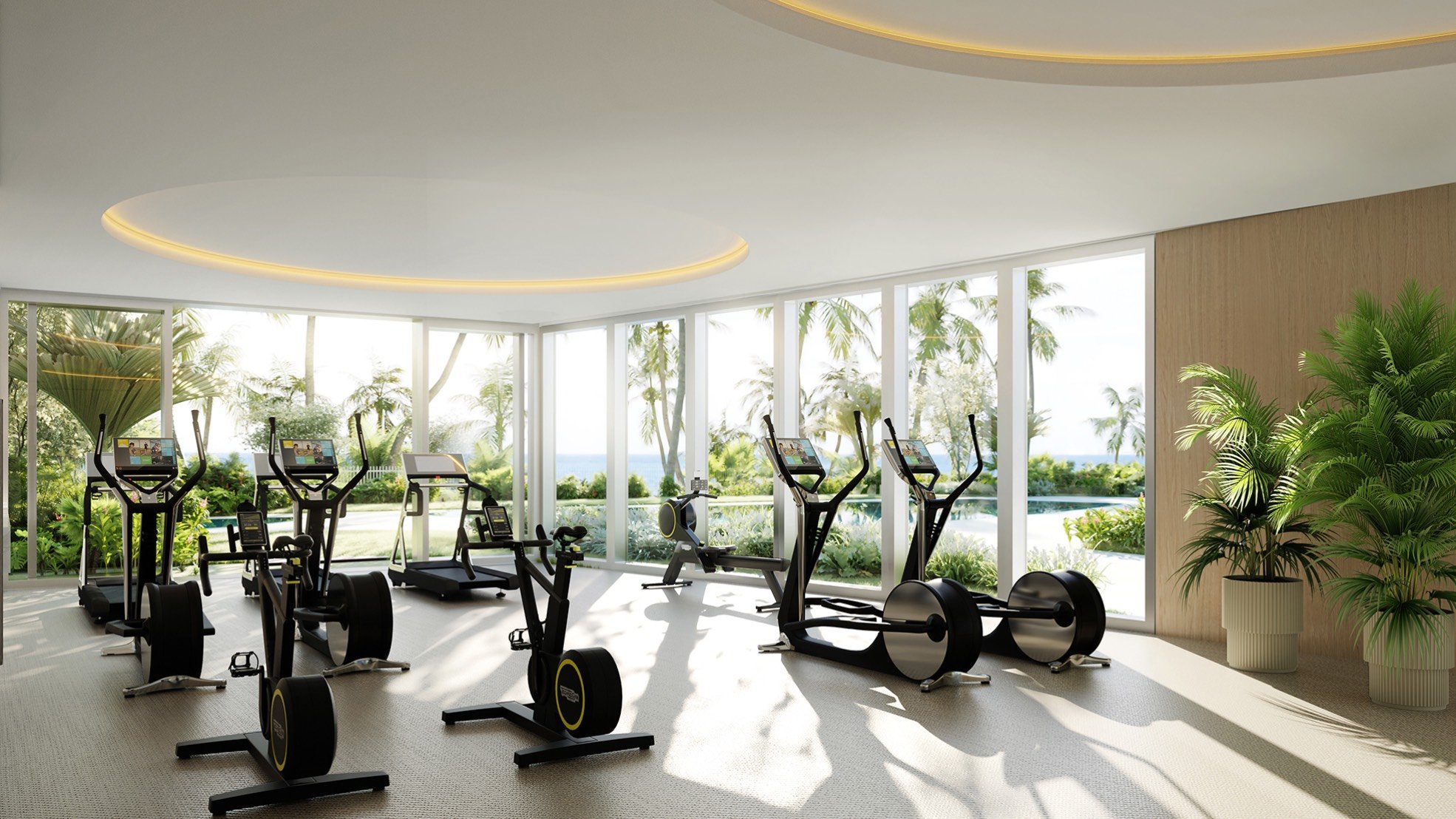
Wellness has become a serious residential criterion because it affects how a family actually uses a home. For family-office households, the question is not whether a property has wellness language. It is whether the environment supports recovery, privacy, nutrition, movement, sleep and calm in a way that feels integrated.
This can influence floor plan decisions as much as amenity preferences. Families may prioritize generous primary suites, flexible rooms for treatment or training, protected outdoor space, quiet guest accommodations and kitchens that support both everyday living and staffed entertaining. The home becomes part of the household’s health system.
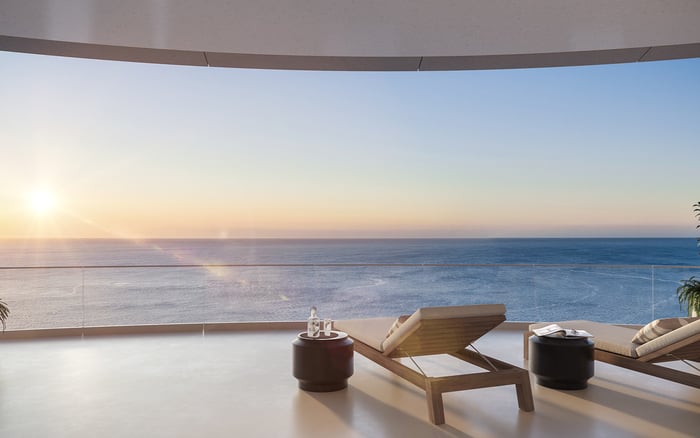
In Bal Harbour, where the coastal setting already encourages restoration, buyers increasingly look for residences that do not require compromise between serenity and service. The best fit may be the home that supports a morning routine, a private dinner and a long weekend with adult children without changing character.
Family-office conference season can also refine how buyers think about hospitality. Large-scale entertaining is not always the priority. More often, the desired home supports selective gatherings: a private dinner with advisers, a family celebration, a cultural weekend, or an intimate evening with close friends.
That changes the meaning of square footage. Buyers may care less about sheer size and more about separation, acoustics, flow and the ability to host without exposing the entire household. Terraces, dining areas, family rooms and staff paths are judged together. A residence should allow the host to be generous while preserving the family’s private center.
This is particularly relevant in Bal Harbour, where lifestyle is often defined by access without excess. The right residence provides proximity to the social life of Miami and the beaches, yet still feels insulated when the doors close.
A family-office lens often brings governance into decisions that once felt purely personal. Who will use the residence? How will expenses be handled? Is the home intended for one generation, or will it become a family gathering point? Does the purchase align with estate planning, philanthropic commitments, business travel and children’s future needs?
These questions can make the search more deliberate. A residence that delights one principal may not serve the family system. Conversely, a quieter property with flexible living patterns may become the better long-term choice. Legacy is not always about grandeur. Often, it is about creating a place where the family can return easily, comfortably and repeatedly.
For Bal Harbour buyers, this is the deeper appeal. The village name may open the conversation, but the winning property is the one that can absorb change gracefully. It should feel relevant to the current household while remaining adaptable for the next chapter.
Before visiting properties, families should align on the decision framework. The most productive brief separates non-negotiables from preferences. Privacy, security comfort, building culture, wellness needs, staff logistics, pet considerations, parking expectations, guest use and ownership horizon should be discussed early.
It is also useful to define what the home should not become. Some families do not want a residence that feels like a hotel. Others do not want the obligations of a large standalone estate. Some need a lock-and-leave rhythm, while others want a deeper sense of permanence. Clear exclusions save time and protect discretion.
In a sophisticated search, the best property is not always the most visible. It is the one that answers the family’s private criteria with the least compromise.
Why does family-office conference season influence Bal Harbour home searches? It often brings wealth planning, privacy, lifestyle and succession priorities into one conversation, sharpening the residential brief.
Should buyers treat a Bal Harbour residence as an investment first? It should be evaluated through both lifestyle and investment discipline, with attention to long-term usability, ownership structure and exit logic.
What is the most important priority for family-office buyers? Privacy is often the first filter, followed closely by service quality, building culture and the ability to live comfortably without exposure.
How does wellness affect the search? Wellness can influence floor plans, amenity preferences, quiet spaces, outdoor access and the way a household supports daily routines.
Should families look beyond Bal Harbour? Yes. Nearby Surfside and Bay Harbor Islands can offer complementary options while preserving a refined coastal lifestyle.
Are branded amenities always the deciding factor? Not necessarily. Many buyers prefer amenities that are useful, discreet and consistently managed rather than highly performative.
What should be decided before tours begin? Families should define privacy needs, expected users, service expectations, entertaining style, ownership horizon and maintenance appetite.
Can a condominium support multi-generational living? It can, if the residence offers privacy, flexible rooms, guest comfort and a building environment that suits different generations.
Why does building culture matter? Building culture shapes daily discretion, amenity comfort, staff interaction and the overall sense of ease within the residence.
What makes a Bal Harbour home feel legacy-ready? A legacy-ready home balances emotional appeal with adaptability, governance clarity and a lifestyle the family will actually use.
If you'd like a private walkthrough and a curated shortlist, connect with MILLION.
If branded residences are on your mind — as a home or as an allocation — we would be glad to share what we are seeing, privately.
Begin a quiet conversation