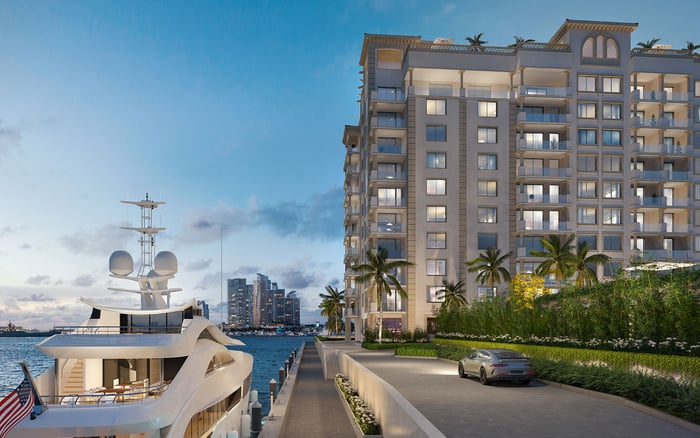
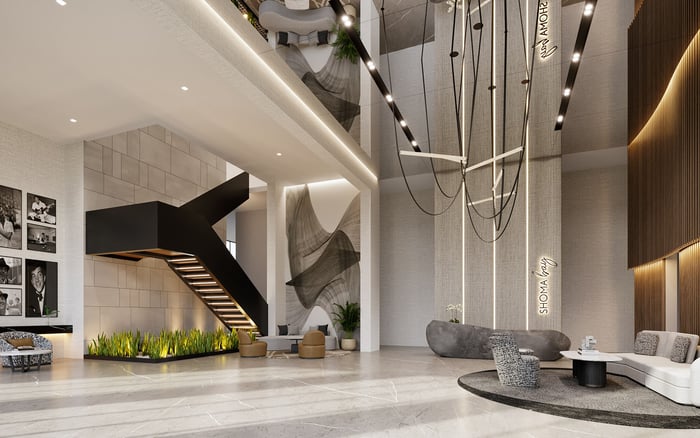
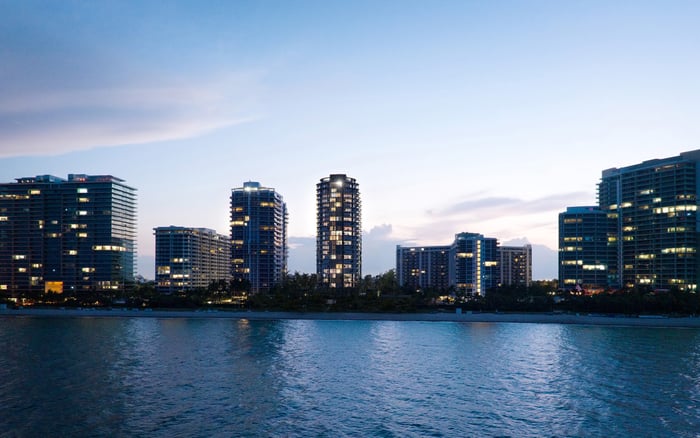
A discreet guide to evaluating Bal Harbour residences through the lens of cultural access, privacy, arrival experience, and the broader North Beach luxury corridor.
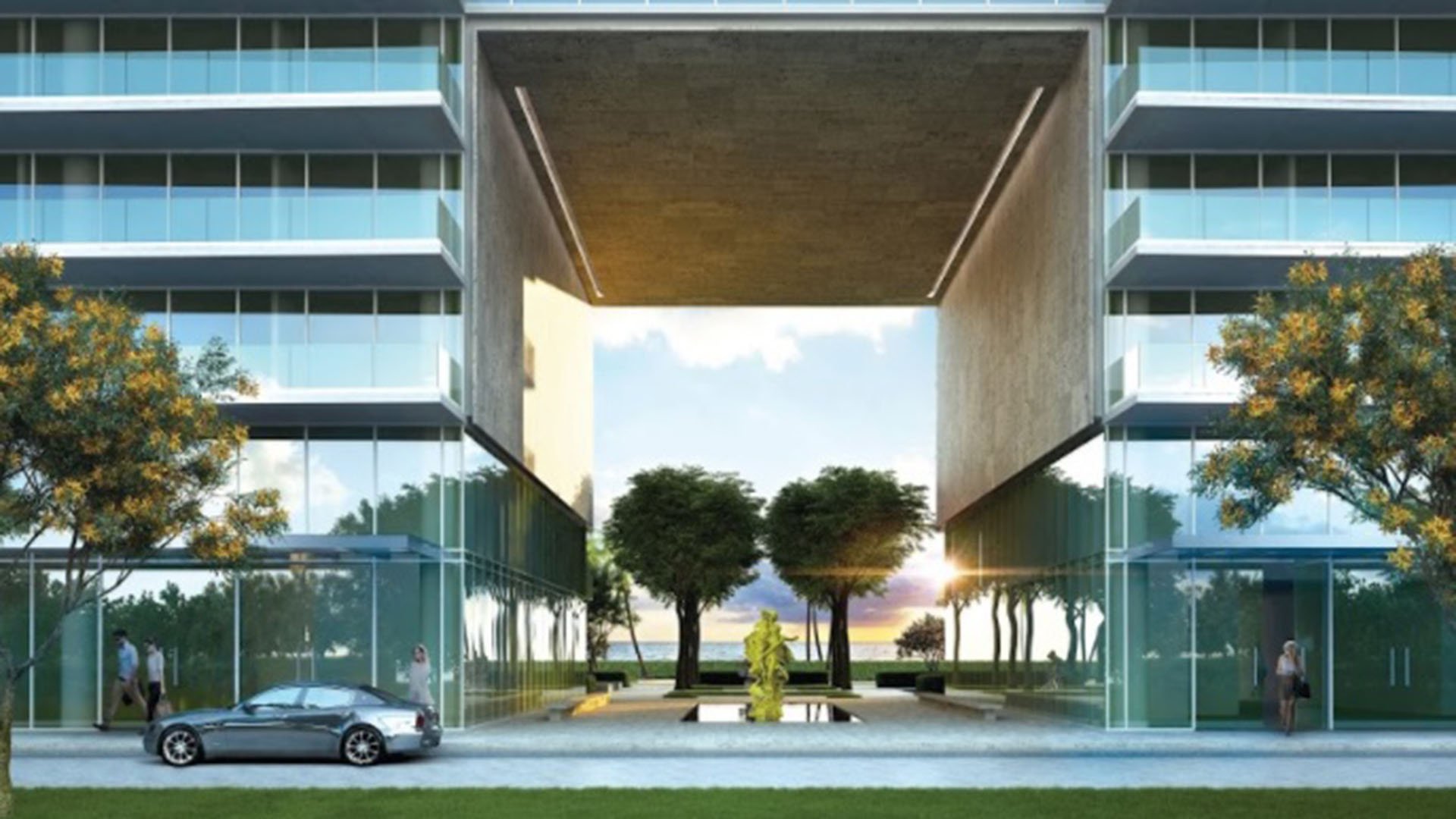
For a Bal Harbour buyer, cultural access is not simply a matter of proximity. It is a matter of rhythm. The right residence should let an owner move easily between private beach days, intimate dinners, gallery appointments, philanthropic evenings, design events, and visiting family, while preserving the quiet that makes Bal Harbour compelling in the first place.
That distinction matters. Some buyers want to be immersed in a cultural district every night. Others want a residence that feels composed and residential, with culture close enough to shape the week but not so close that it dominates daily life. Bal Harbour belongs to the second group. It is best understood as a discreet residential base for buyers who value access without wanting to live inside the performance of access.
In this guide, Bal Harbour is treated as a lifestyle decision rather than a simple map point. The buyer who chooses well will think beyond the apartment itself and ask how the building, neighborhood, and surrounding corridor support a life of cultural fluency.
The strongest Bal Harbour search begins with a personal calendar. A collector, a patron, a design-focused buyer, and a family with visiting guests may all say they want cultural access, but they usually mean different things.
For one buyer, the priority may be a graceful route to dinners and private events. For another, it may be a calm home base during Art Basel season, when the value of returning to privacy becomes even more apparent. Others may want a residence that can host pre-event drinks, post-performance conversations, or quiet weekends after a demanding travel schedule.
This is why the best building is not always the one with the longest amenity list. It is the one whose layout, valet flow, lobby discretion, elevator experience, terrace usability, and guest arrival pattern match the owner’s calendar. Cultural access has a logistical side, and in the ultra-premium market, logistics are part of luxury.
Bal Harbour appeals to buyers who prefer a polished residential atmosphere. The tone is not theatrical. It is controlled, quiet, and highly intentional. That makes it especially attractive to buyers who want to enjoy the broader Miami Beach cultural circuit while returning to a more private setting.
Residences such as Rivage Bal Harbour enter the conversation for buyers who want to remain anchored in Bal Harbour while evaluating a new-generation residential environment. Buyers should consider how a building handles arrival, how common areas feel at peak hours, and whether the residence itself can shift between retreat and entertaining mode.
The same discipline applies when evaluating established oceanfront inventory such as Oceana Bal Harbour. The key question is not simply whether the building is recognizable. It is whether the building supports the owner’s intended cultural life without eroding the privacy that made Bal Harbour attractive.
A serious cultural-access buyer should study the nearby residential ecosystem without losing focus. Surfside, Bay Harbor Islands, and Miami Beach can all influence the way a Bal Harbour residence lives. The point is not to replace Bal Harbour with another neighborhood. It is to understand the corridor.
Surfside offers an adjacent residential reference point for buyers who want a similarly refined coastal language. Arte Surfside is an example of the kind of project buyers may compare when deciding how much architectural identity, boutique scale, and seaside calm they want around them. For some, Surfside strengthens the case for Bal Harbour because it confirms a preference for this quieter northern coastal atmosphere.
Bay Harbor is a different lens. It can appeal to buyers who want a more tucked-away island feeling while staying within the same broader luxury orbit. A project such as The Well Bay Harbor Islands may enter the discussion when wellness, calm, and a slightly different residential rhythm are part of the buyer’s comparison set.
The value of these comparisons is not to create confusion. It is to sharpen conviction. A buyer who has thoughtfully compared Bal Harbour with Surfside and Bay Harbor Islands is better prepared to make a confident offer when the right residence appears.
For cultural buyers, floor plan matters as much as location. A residence should support both arrival and decompression. Consider where guests enter, where coats or evening bags are placed, whether the powder room is discreet, and whether the living area allows conversation without feeling staged.
Terraces deserve particular attention. A terrace can be ceremonial, private, social, or purely visual. A buyer who hosts small cultural gatherings should evaluate whether the terrace and living room work together naturally. A buyer who prefers retreat should ask whether the terrace feels protected enough for daily use rather than occasional admiration.
Art placement is another practical consideration. Wall proportions, natural light, ceiling height, and circulation can affect the way a collection lives in the home. Even buyers who are not formal collectors often discover that a culturally engaged lifestyle produces objects, books, photography, and design pieces that deserve thoughtful placement.
Cultural access often brings guests. Visiting friends, family, advisors, designers, and event companions all interact with the building before they interact with the apartment. That makes the service environment essential.
The ideal building does not feel overexposed. Staff should be polished, lobby circulation should feel intuitive, and guest arrivals should be handled with ease. For high-profile owners, discretion is not a decorative amenity. It is an operating standard.
Parking and valet rhythm also matter. Buyers should think about weekday dinners, seasonal events, late returns, and airport transfers. A beautiful residence can feel less luxurious if every departure feels complicated. In Bal Harbour, the best purchase decisions usually combine serenity with dependable movement.
Many Bal Harbour buyers want selective access to the energy of Miami Beach without living in its most active pockets. That is a subtle but important preference. They may want restaurants, private clubs, design conversations, collector events, and beach culture within reach, but not outside the elevator every evening.
For buyers who want to compare this balance against a more Miami Beach setting, The Perigon Miami Beach can be part of the broader evaluation. The comparison helps clarify whether the buyer wants Bal Harbour’s quieter frame or a residence closer to the center of Miami Beach activity.
The decision should be emotional and operational. Ask where you want to wake up after a late cultural evening. Ask where visiting guests will feel most comfortable. Ask which location supports your weekday rhythm, not just your most glamorous night of the year.
The right Bal Harbour residence should feel calm on an ordinary morning and capable on an important evening. It should not require the owner to choose between privacy and participation. Instead, it should create a graceful threshold between the two.
Before committing, buyers should revisit the building at different times, study the approach sequence, and consider how the residence will function during high-season cultural moments. A well-chosen home will not merely be near culture. It will make cultural life easier, more elegant, and more private.
In the end, the Bal Harbour buyer who wants cultural access is really buying control. Control over pace. Control over exposure. Control over how the public and private parts of life meet. That is the enduring luxury of the address.
Is Bal Harbour a good choice for culturally active buyers? Yes, for buyers who want cultural access while maintaining a quieter residential base. It works best for those who value privacy as much as proximity.
Should I prioritize the building or the neighborhood first? Start with the neighborhood rhythm, then compare buildings. A superb residence still needs to support the way you move through the week.
How should collectors evaluate a Bal Harbour residence? Study wall space, light exposure, circulation, and room proportions. The residence should allow art and design pieces to feel integrated, not forced.
Does Surfside belong in a Bal Harbour search? Often, yes. Surfside can provide a useful comparison for buyers who want a refined coastal setting with a similarly quiet sensibility.
Why consider Bay Harbor Islands during the search? Bay Harbor Islands can clarify whether the buyer prefers an island residential rhythm. It is useful as a comparison, even when Bal Harbour remains the target.
Is Miami Beach too active for this type of buyer? Not necessarily. Some buyers want direct Miami Beach energy, while others prefer to access it selectively from a calmer Bal Harbour base.
What building features matter most for cultural access? Arrival sequence, valet flow, lobby discretion, guest handling, and entertaining layouts matter greatly. These details shape how effortless the lifestyle feels.
Should I buy for event seasons specifically? Event seasons should inform the decision, but not dominate it. The residence must work on ordinary days as well as important cultural nights.
How important is terrace usability? Very important if you entertain or decompress outdoors. A terrace should suit your real habits, not merely photograph well.
What is the best sign that a residence is right? It should feel private, composed, and easy to operate. The best choice supports both retreat and participation without compromise.
For a discreet conversation and a curated building-by-building shortlist, connect with MILLION.
If branded residences are on your mind — as a home or as an allocation — we would be glad to share what we are seeing, privately.
Begin a quiet conversation