A discreet owner’s blueprint for hosting extended family at The WELL Bay Harbor Islands while preserving privacy, wellness routines, residence condition, and neighborhood ease.
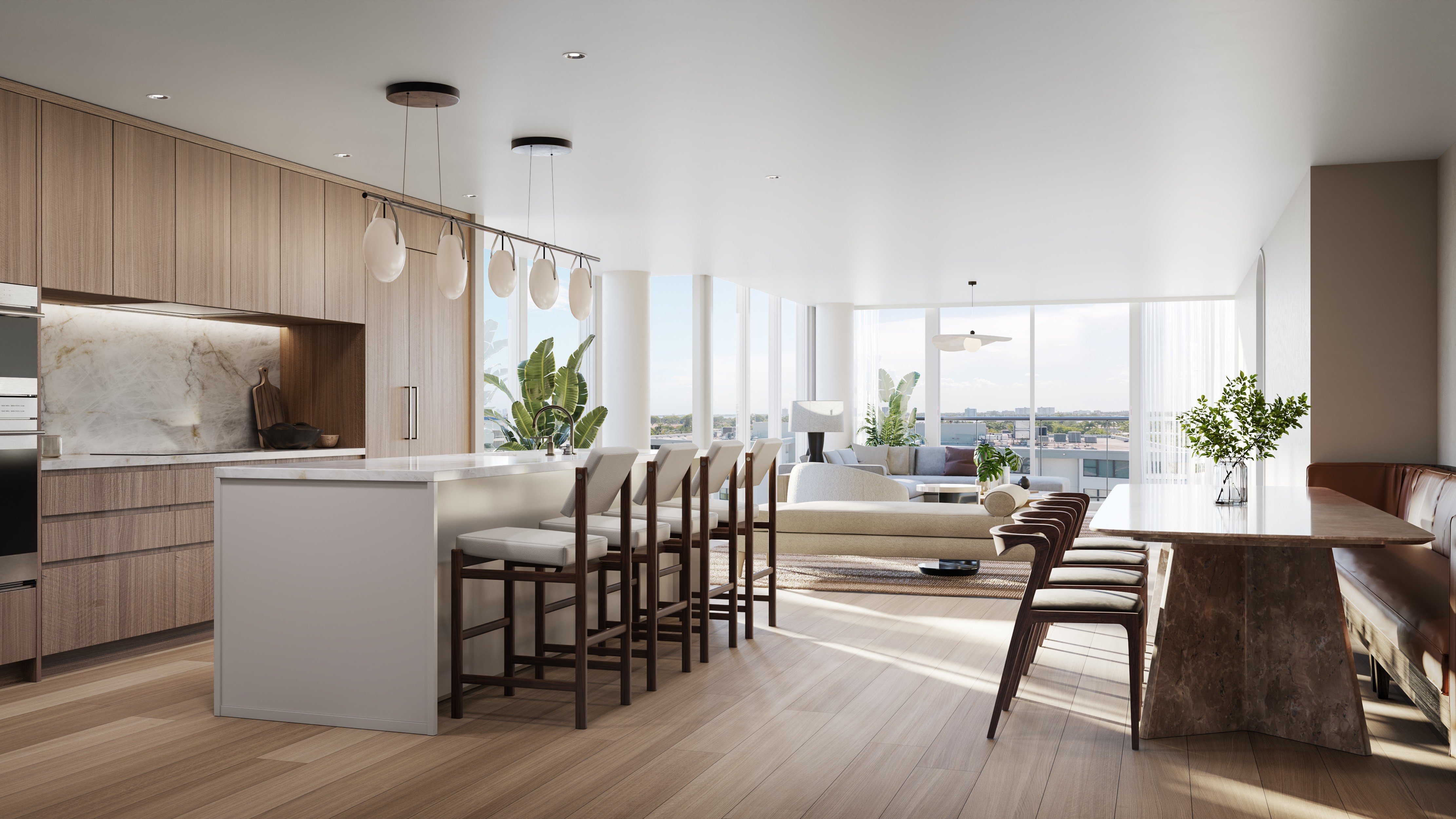
The WELL Bay Harbor Islands belongs to a new category of South Florida ownership: the residence as a calm, multi-generational base rather than a short-stay pied-à-terre. Its appeal rests on the combination of private residences and a curated wellness environment, making it especially relevant for owners expecting children, grandparents, visiting relatives, and close friends to stay for weeks or months at a time.
The best approach is not to treat The WELL Bay Harbor Islands like a high-turnover guest operation. The stronger strategy is quieter and more durable: create a family hosting system that protects the property’s wellness ethos, the household’s comfort, and the residence’s long-term condition.
For extended stays, expectations should be set before the first suitcase is unpacked. A family guest charter does not need to feel formal, but it should be clear. Define arrival windows, guest access, quiet hours, housekeeping rhythm, laundry expectations, storage areas, and how shared spaces will be used.
This is particularly important when different generations bring different definitions of vacation. Grandparents may prefer early mornings and calm evenings. Children may need flexible afternoons. Working adults may require privacy for calls. The host’s role is to make the residence feel generous without allowing it to feel ungoverned.
A practical charter also protects asset value. Longer visits can create wear through luggage, beach gear, deliveries, children’s items, and frequent meal preparation. By assigning storage, defining cleaning cadence, and limiting improvised use of delicate rooms or finishes, owners preserve both the home and the sense of ease that drew them to Bay Harbor Islands in the first place.
The most successful room plan is based on daily rhythm rather than hierarchy. The guest who wakes earliest should not be placed where movement will disturb late sleepers. The family member taking work calls should have separation from children’s activity. Older relatives may need the simplest path between bedroom, bath, kitchen, and sitting areas.
For multi-week stays, privacy is not a luxury detail. It is the structure that keeps the household harmonious. Owners should identify a primary quiet zone, a social zone, and a flexible overflow zone before guests arrive. If the residence will host recurring family visits, duplicate essentials such as chargers, toiletries, sleep masks, and basic wardrobe storage can reduce the feeling of constant unpacking.
This planning is what separates a true South Florida family base from a conventional vacation rental. The residence should remain a private home with hospitality layered in, not a revolving accommodation.
The WELL’s guest-stay appeal is tied to wellness, but that atmosphere requires stewardship. Visitors should understand that shared wellness amenities are part of a residential ecosystem. Etiquette matters: punctuality, quiet enjoyment, appropriate guest behavior, and respect for other residents all help protect the environment.
Owners should brief guests on how wellness routines fit into the household day. A morning routine for one person should not disrupt breakfast for another. A spa-minded afternoon should not become a family takeover of shared spaces. The goal is not to script every hour, but to prevent the subtle friction that appears when long-stay guests treat amenities as a resort schedule rather than an extension of private residential life.
This is also where children’s planning matters. Younger guests should know which spaces are calm, which are social, and when adult supervision is expected. For grandparents, the plan may be less about activity and more about comfort, access, and rest.
Bay Harbor Islands offers an important advantage for extended family stays: it is quieter than higher-energy Miami Beach settings while still giving families access to the broader Miami, Surfside, and Bal Harbour orbit. That balance lets owners create routines instead of relying on constant itinerary planning.
A useful host plan might establish predictable neighborhood rhythms: relaxed breakfasts, beach days, shopping or dining near Bal Harbour, and selective trips into Miami Beach when the family wants more energy. Nearby residential projects such as Alana Bay Harbor Islands and Onda Bay Harbor reflect the area’s appeal to buyers who want a quieter island setting without feeling disconnected.
For families comparing nearby luxury enclaves, Rivage Bal Harbour points to the prestige of Bal Harbour, while The Delmore Surfside underscores the continued demand for refined residential living just beyond the intensity of Miami Beach. The WELL’s advantage is that it can operate as a retreat-style base within that larger coastal network.
The best extended-stay systems feel effortless because they have been planned. Owners should keep a written home guide covering access, transportation preferences, housekeeping contacts, package procedures, appliance basics, amenity etiquette, and emergency contacts. It should be concise enough to read, but detailed enough to prevent daily questions.
Storage deserves particular attention. Families staying for weeks often arrive with more than clothing: strollers, sports equipment, medical items, gifts, pantry preferences, and work devices. Assigning zones for these items keeps the residence from slowly becoming a staging area.
Housekeeping should be scheduled around the family’s actual rhythm, not simply the owner’s usual routine. Longer visits may need more frequent linen changes, kitchen resets, and terrace or entry cleaning, especially when beach days and children are part of the pattern. The purpose is not formality. It is continuity.
The WELL Bay Harbor Islands is best understood as a case study in residential wellness for families who want a South Florida base with staying power. Its value for extended family living is not only in the residence or the amenities, but in how those elements are managed together.
For the right owner, guest strategy becomes part of ownership strategy. A thoughtful blueprint allows relatives to feel welcomed, children to feel settled, grandparents to feel comfortable, and the residence to remain protected. That is the difference between hosting a visit and creating a family home that can gracefully absorb the season.
Is The WELL Bay Harbor Islands suitable for extended family stays? Yes. Its combination of private residences and wellness-oriented living makes it well suited to longer, multi-generational visits when owners plan carefully.
How should owners prepare before relatives arrive? Create a simple guest charter covering access, quiet hours, housekeeping, storage, shared spaces, and amenity etiquette.
Should guests be treated like short-term renters? No. The better fit is private family hosting that preserves the residential and wellness character of the property.
What matters most for grandparents staying several weeks? Comfort, simple circulation, privacy, predictable routines, and easy access to calm household areas should guide the plan.
How should children be managed during longer visits? Set clear expectations for quiet areas, shared spaces, supervision, and daily routines before small conflicts become recurring issues.
Why is room allocation so important? Different sleep schedules, work habits, mobility needs, and wellness routines can create friction if rooms are assigned casually.
How can owners protect the residence condition? Use assigned storage, regular cleaning, luggage rules, and clear guidance on how guests should use delicate or private spaces.
What role does Bay Harbor Islands play in the strategy? It offers a quieter setting with access to restaurants, shopping, beaches, Bal Harbour, Surfside, and Miami-area destinations.
How often should housekeeping be scheduled? The cadence should reflect the length of stay, number of guests, beach activity, children, and the owner’s preferred standard.
What is the best way to shortlist comparable options for touring? Start with location fit, delivery status, and daily lifestyle priorities, then compare stacks and elevations to validate views and privacy.
For a confidential assessment and a building-by-building shortlist, connect with MILLION.
If branded residences are on your mind — as a home or as an allocation — we would be glad to share what we are seeing, privately.
Begin a quiet conversation