A buyer-focused look at pet-friendly luxury living in Downtown Miami, from condominium rules and service expectations to building design, neighborhood rhythm, and daily comfort for owners with animals.
In Downtown Miami, the question is no longer whether a luxury residence can accommodate a pet in principle. The more meaningful question is how gracefully the building, the home, and the surrounding neighborhood support daily life with one. For buyers accustomed to private service, polished common areas, and seamless arrivals, pet-friendly living should feel integrated rather than improvised.
That integration begins before the purchase contract. Condominium documents, association rules, leasing policies where applicable, and building operations can all affect how an owner lives with a dog or cat. A residence may have the right view, the right floor plan, and the right arrival experience, yet still require careful review when a pet is part of the household. For many Downtown buyers, pets are not an accessory to the lifestyle. They are part of the family structure around which the home must perform.
The best approach is discreet and practical. Before falling in love with a lobby, a skyline exposure, or a private elevator foyer, buyers should understand the rules that govern animals, the service culture of the property, the route from residence to street, and the ease of maintaining interiors over time.
Pet-friendly living in a condominium is governed by details. A buyer should ask whether the association regulates the number of pets, size, breed, registration, elevator usage, deposits, cleaning responsibilities, or access to specific common areas. These details can change and should always be confirmed directly with the building, association, or sales team before a decision is made.
This is especially important in the luxury segment, where the public presentation of a residence may emphasize wellness, service, water views, or design, while pet policies sit within a separate rules package. When comparing Downtown options such as Aston Martin Residences Downtown Miami, a pet owner should evaluate the experience from the unit door to the street as carefully as the finishes inside the residence.
The goal is not merely permission. It is predictability. Owners want to know whether a visiting family member may bring a pet, whether service animals and household pets are treated differently under the rules, whether tenants face different requirements than owners, and how disputes or complaints are handled. In a vertical community, clarity is part of luxury.
In a high-rise home, the elevator is part of the pet routine. Morning walks, late-night returns, grooming appointments, veterinarian visits, and rainy-day outings all pass through this sequence. A building that feels effortless for a single resident may feel very different with a leash, carrier, or large dog at peak hours.
Buyers should consider whether the building offers service elevators, private or semi-private elevator access, and practical routes that avoid congestion. None of these features automatically makes a building better for pets, but each can influence the rhythm of daily use. The same is true of lobby materials, valet flow, and the distance between the residential elevator bank and the exterior door.
In Brickell, where urban density and office traffic shape the sidewalk experience, pet owners often think carefully about timing and route. Residences such as The Residences at 1428 Brickell invite buyers to examine not only architectural presence, but also the practical choreography of daily life in a high-rise setting.
Pet-friendly does not have to mean casual. In a luxury condominium, it often means choosing materials and layouts that can absorb real life while preserving a composed atmosphere. Durable flooring, washable area rugs, well-placed storage, and discreet feeding zones can make a residence feel tailored rather than adjusted.
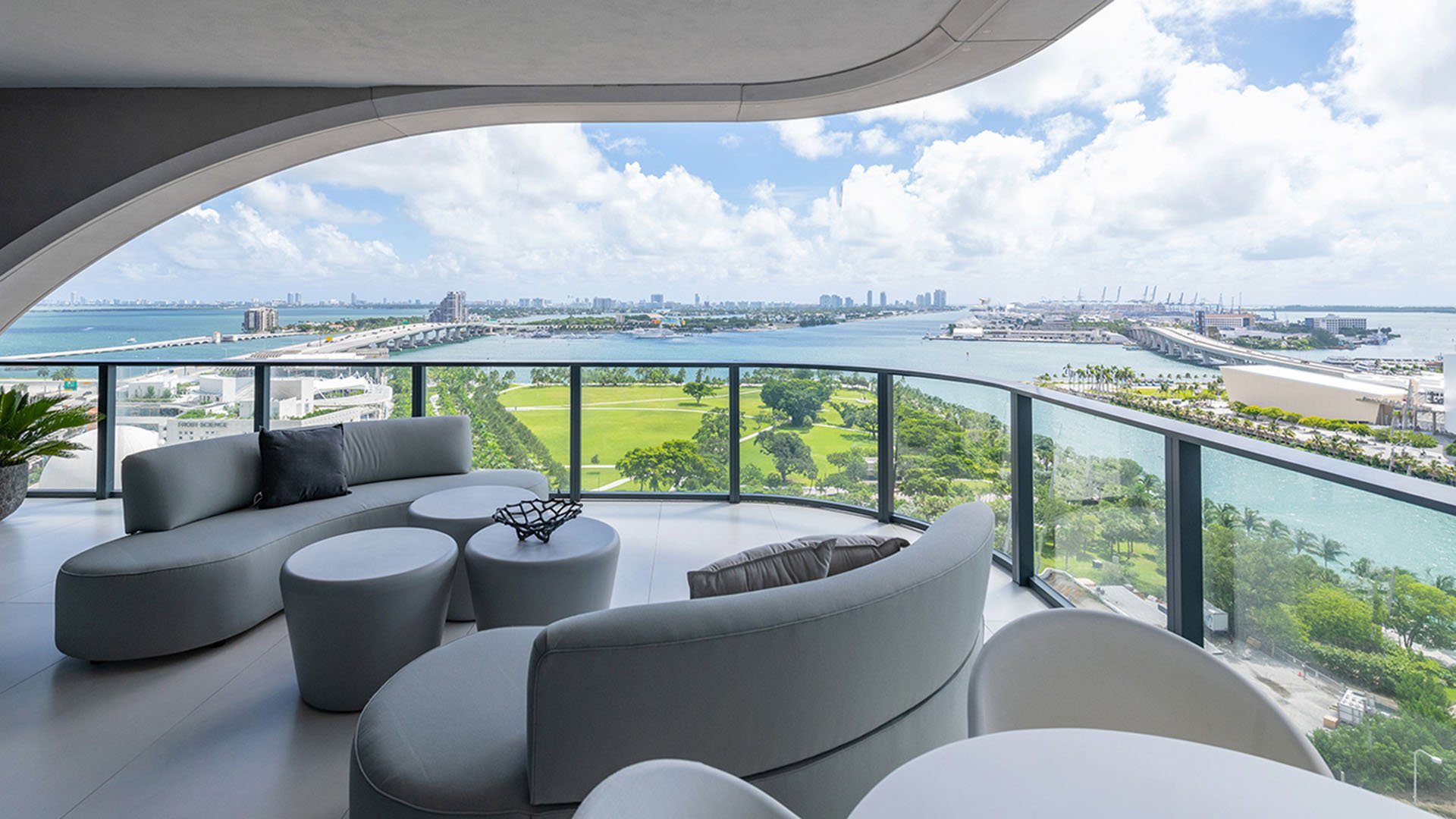
Terraces and balconies require their own layer of consideration. A balcony may be visually dramatic, but pet owners should evaluate safety, supervision, drainage, sun exposure, and the building rules that apply to outdoor use. A larger terrace can add valuable breathing room, though it does not replace proper walks, exercise, or approved outdoor routines.
The most successful homes make pet care nearly invisible. Leashes and grooming supplies have a place. Food storage is contained. Entry areas can handle wet paws after summer rain. Upholstery and finishes are selected for elegance and resilience. This is where interior design becomes lifestyle infrastructure.
Downtown Miami is not one uniform pet-living environment. The experience changes by micro-location. Downtown offers cultural energy, transit connections, and proximity to the bay in certain pockets. Brickell brings a dense urban rhythm with restaurants, offices, and residential towers layered tightly together. Edgewater has its own waterfront-oriented cadence, with a residential feel that appeals to buyers who want skyline access at a slightly different pace.
A buyer comparing Waldorf Astoria Residences Downtown Miami with a Brickell or Edgewater residence should think beyond the building name. The better question is how the pet will move through the day. Where is the closest comfortable walking route? How busy is the immediate sidewalk when the owner is usually home? Is the building arrival calm enough for an anxious animal? Is there shade nearby during warmer months?
In Edgewater, projects such as Villa Miami may appeal to buyers studying the relationship between waterfront living, neighborhood scale, and daily convenience. As always, the specific pet policy should be confirmed before purchase, but the surrounding environment deserves equal attention.
Luxury marketing often uses broad lifestyle language. For pet owners, the test is more exacting. A pet amenity is only valuable if it is convenient, well-maintained, and compatible with the owner’s routine. A dog park nearby may sound helpful, but a buyer should still consider distance, shade, hours, crowding, and whether the route feels comfortable at different times of day.
The same standard applies inside the building. If a property describes itself as welcoming to pets, ask what that means operationally. Is there a designated relief area? Are there grooming facilities or washing stations? Are pets permitted through all residential entrances or only specific routes? How are common areas cleaned and monitored? Is the staff accustomed to managing pet-related requests discreetly?
For a residence such as Casa Bella by B&B Italia Downtown Miami, where design identity is central to the ownership experience, buyers should treat pet functionality as part of the same design conversation. A beautiful residence should also support the quiet logistics of daily care.
The strongest buyers do not wait until closing to investigate pet living. They ask early, and they ask specifically. Request the current rules in writing. Confirm whether the same rules apply to owners, guests, and renters. Ask how many pets are allowed, whether any size or breed restrictions apply, and what fees, applications, or registrations may be required.
It is also wise to ask about procedures. Which elevator should be used? Are pets allowed in amenity areas? What happens during move-ins, storms, or extended travel? Are dog walkers, pet sitters, and groomers permitted access, and under what conditions? A building may be elegant, but these details determine whether it feels effortless.
Owners with older pets should consider elevator wait times, flooring transitions, and the distance to relief areas. Owners with young dogs may focus on training, noise control, and quick outdoor access. Cat owners may care more about window treatments, terrace safety, and quiet mechanical systems. The right building is the one whose rules and design support the actual animal, not an abstract idea of pet ownership.
In the most refined Downtown residences, pet-friendly living is not announced loudly. It is expressed through thoughtful circulation, clear rules, respectful staff interactions, resilient interiors, and a neighborhood that makes daily movement comfortable. The result is a home where the owner does not feel as though pet care is in conflict with luxury.
That distinction matters in Miami’s vertical market. A buyer is not only purchasing a residence. They are joining a private community with shared spaces, shared expectations, and a shared standard of conduct. The best fit is found when the building’s culture aligns with the owner’s lifestyle.
For pet owners, due diligence is not a complication. It is a refinement of the brief. The view, the floor plan, the brand, and the amenities still matter, but they are only complete when the animal’s daily life has been considered with equal seriousness.
Are Downtown Miami luxury condos generally pet-friendly? Many allow pets, but policies vary by building and association. Buyers should confirm current rules before making an offer.
What pet rules should a buyer review first? Start with limits on number of pets, size, breed, registration, deposits, fees, guest pets, and permitted routes through the building.
Do pet policies change after a building opens? They can change through association rules or operational updates. Always rely on the most current written policy.
Is a private elevator better for pet owners? It can improve convenience and privacy, but the full route from residence to exterior access still matters.
Should buyers ask about service elevators? Yes. Understanding elevator protocols helps prevent surprises during daily walks, grooming visits, or pet-sitter access.
Are terraces useful for pet owners? They can add comfort when used safely and within building rules. They should not be treated as a substitute for proper walks.
What interior finishes work best with pets? Durable flooring, washable textiles, organized storage, and easy-to-clean entry areas are often the most practical choices.
Is Brickell different from Downtown for pet living? Brickell tends to feel denser and more urban, so sidewalk rhythm, elevator timing, and walking routes deserve close attention.
Is Edgewater appealing for buyers with pets? Edgewater may suit buyers seeking a different residential pace near the bay, but each building’s rules must still be verified.
Can renters face different pet rules than owners? Yes, some buildings may distinguish between owners, tenants, and guests. Confirm all categories in writing.
For a discreet conversation and a curated building-by-building shortlist, connect with MILLION.
If branded residences are on your mind — as a home or as an allocation — we would be glad to share what we are seeing, privately.
Begin a quiet conversation