A discreet buyer’s framework for families evaluating Surfside, from school logistics and building rules to daily rhythm, privacy, services and long-term fit.
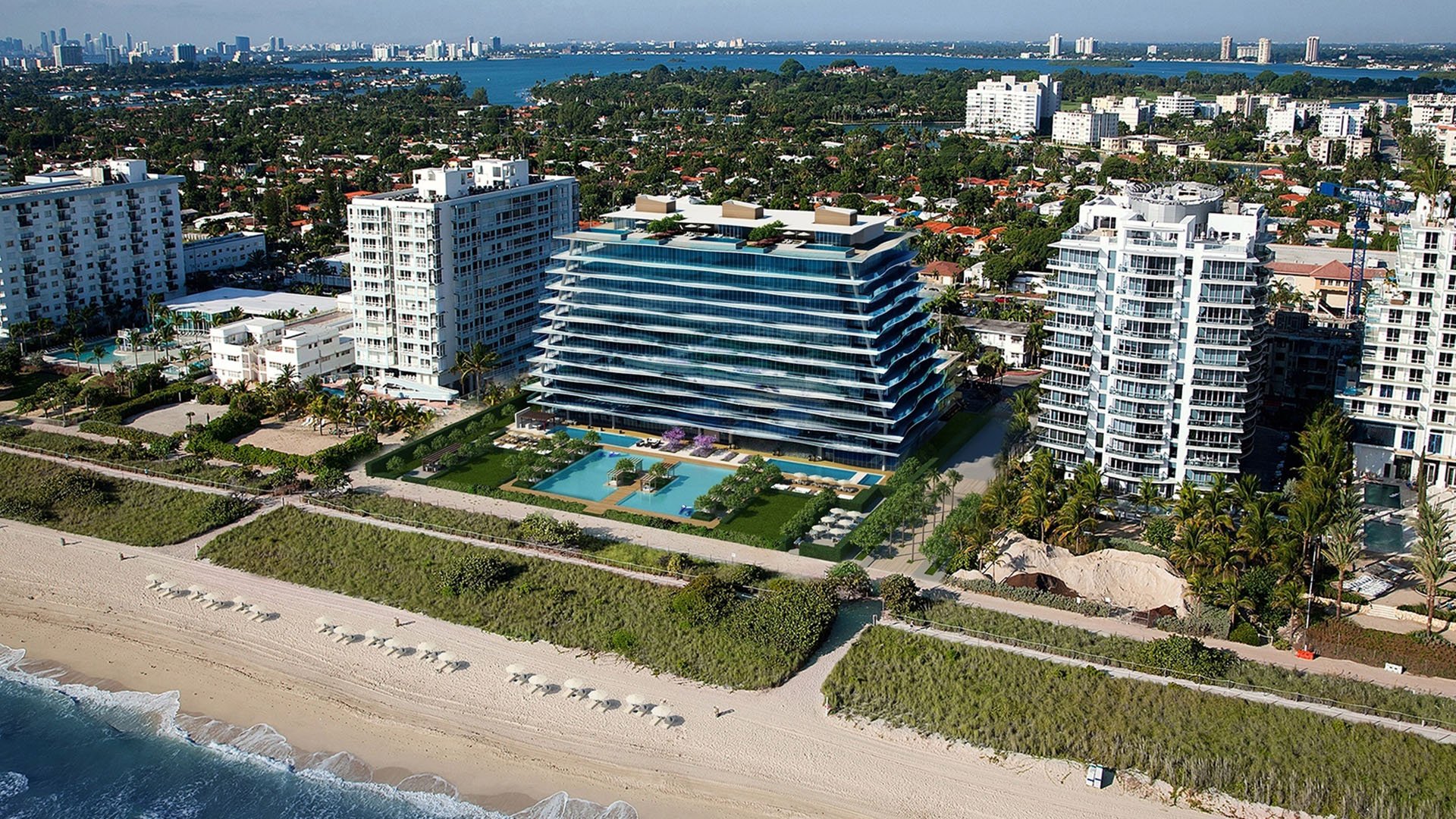
For buyers with school-age children, Surfside should be evaluated less as a weekend escape and more as a finely tuned family headquarters. The ocean, architecture and privacy may set the emotional tone, but the decision should be pressure-tested against the ordinary hours: breakfast, car line, tutoring, sports, dinner, bedtime and the inevitable last-minute project due tomorrow.
A luxury residence can be exceptional and still be impractical for a particular family rhythm. Before committing, build the week on paper. Identify where each child needs to be, how often the household will cross the causeways, who drives, who waits, who has backup authority and how the residence supports each handoff. If the answer depends on everything going perfectly, the plan is not yet resilient enough.
This is especially important in Surfside, where many buyers are drawn to a quieter coastal character while still needing access to schools, clubs, medical appointments, airports, offices and after-school programming elsewhere in Miami. The goal is not to reject the romance of the address. It is to make sure the romance survives Monday morning.
The Oceanfront life has an obvious appeal for families: space to decompress, a natural setting and a sense of removal from the city’s more frenetic corridors. For parents, the sharper question is whether that serenity can coexist with a demanding calendar.
Visit at the times your family actually moves. A noon tour reveals very little about school-day performance. Arrive before drop-off, leave during afternoon pickup, return after evening activities and test the route again when one parent is out of town. If your children attend different schools or have staggered schedules, test the full sequence, not the easiest version.
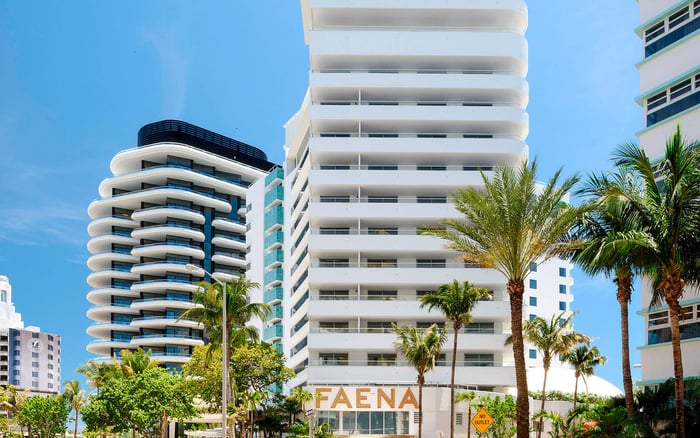
Buildings such as The Delmore Surfside invite a buyer to think in terms of long-horizon living, not just square footage. For a family, that means asking how arrival, valet flow, elevator access, service corridors, storage, package handling and guest access will perform on a day when a tutor, trainer, grandparent and pediatric appointment are all part of the same afternoon.
In South Florida’s best residential buildings, service is not ornamental. It becomes part of the family’s operating system. The distinction matters for parents. A gracious lobby has value; a building team that understands recurring pickups, approved caregivers, visiting instructors and privacy preferences may matter even more.
Ask detailed operational questions. Can a nanny or driver be authorized without friction? How are minors handled at entry? Are children permitted in all amenity areas, and if so, under what conditions? How are birthday gatherings, playdates, tutors and visiting coaches managed? What is the noise culture on family floors, terraces and pool decks? These questions are not minor. They determine whether the home feels effortless or constantly negotiated.
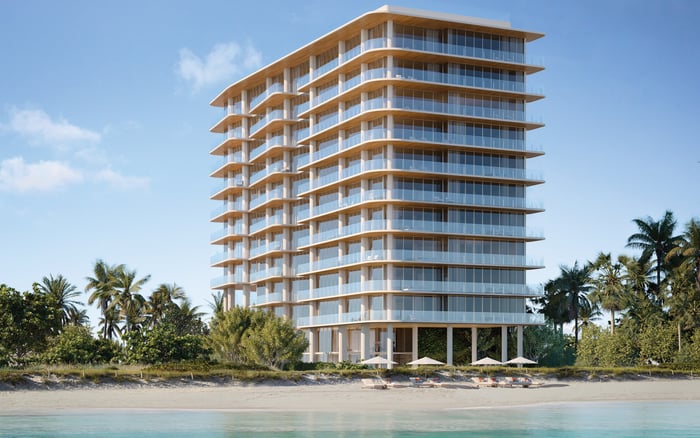
At Ocean House Surfside, as with any boutique coastal residence, families should study the building’s personality as carefully as its finishes. A smaller environment may feel intimate and discreet, but the right fit depends on whether its rules and rhythms align with children, guests and household support.
A family considering Surfside is often also considering nearby coastal alternatives. The pressure test should not be framed as better or worse, but as different forms of control. One address may provide more immediate calm. Another may reduce commute friction. Another may offer larger amenity programming or a different social texture.
The useful exercise is to compare the same week across each finalist. Map the school route, the athletic route, the airport route, the grocery routine, the weekend dinner pattern and the household staff commute. Then assign each address a score for predictability. Families with young children may prize proximity and containment. Families with older children may place more weight on independence, ride logistics and access to friends.
For buyers drawn to design-led coastal living, Eighty Seven Park Surfside belongs in the conversation because it prompts a disciplined question: does the setting support the family’s everyday life, or does the family have to bend too much to support the setting?
Ultra-premium buyers often speak about privacy in broad terms. Parents should make it specific. Where do children enter after school? How visible are they from the street, lobby or amenity areas? Can friends arrive without creating unnecessary exposure? Is there a practical protocol for drivers, household staff and visiting relatives?
Security should also be tested emotionally. Some families want a highly managed environment with layers of access. Others prefer a softer residential feel. Neither is universally correct. The right building creates confidence without making children feel staged or restricted.
At Fendi Château Residences Surfside, as in any recognizable luxury address, discretion should be evaluated beyond the brand impression. Parents should ask how the building handles recurring visitors, deliveries, vendors and children’s informal routines, because those details often reveal the true privacy culture.
By the time a buyer begins serious negotiation, the family-fit questions should already be answered. The residence should be tested against sleep, storage, homework, food, laundry, pets, staff circulation, guests and weather days. A beautiful plan can become strained if there is no clear place for backpacks, sports equipment, strollers, scooters, instruments, uniforms and seasonal gear.
Do not underestimate vertical living with children. Elevator dependence, parking access and amenity distance all influence the day. If one child can safely return from the pool while another is upstairs with a tutor, the home feels different than if every movement requires adult orchestration. Ask how the plan works when one parent is traveling and the household is under pressure.
For a family considering The Surf Club Four Seasons Surfside, the glamour of the address should be matched with practical diligence around routines, permissions and lifestyle compatibility. The strongest purchase is the one where the family does not need to choose between elegance and ease.
School-age children introduce timing risk. Admissions calendars, waitlists, transfer decisions and leaseback needs can affect when a family can actually move. Before waiving contingencies or accepting a rigid closing structure, align the real estate timeline with the education timeline.
Parents should also request the documents that govern daily life. Review condominium rules, renovation restrictions, guest policies, pet policies, move-in procedures, amenity protocols and any limits that could affect children or household staff. If a rule will matter every week, it should not be discovered after closing.
This is where a calm, disciplined advisory process is essential. Luxury buyers can fall in love quickly in Surfside, particularly when light, scale and water views are persuasive. The better approach is to let the property win twice: first as a beautiful residence, then as a durable family platform.
Should families tour Surfside residences during school hours? Yes. Tour during actual drop-off, pickup and after-activity windows to understand the real daily rhythm.
Is an oceanfront residence practical for school-age children? It can be, if commute patterns, building access, storage and supervision needs are tested before purchase.
What should parents ask the building team? Ask about caregiver access, guest approvals, amenity rules for minors, security protocols and service responsiveness.
How should buyers compare Surfside with nearby areas? Compare the same weekly routine across each option, including school, sports, dining, airport and staff routes.
Should school admissions timing affect contract terms? Yes. Closing dates, occupancy needs and contingencies should reflect the family’s education timeline.
What is often overlooked in family condo living? Storage, elevator flow, parking convenience, package handling and informal guest access are frequently underestimated.
How important are building rules for children? Very important. Pool, amenity, guest and noise policies can shape daily comfort more than buyers expect.
Should families prioritize large amenities? Not automatically. The better priority is whether amenities match the children’s ages, routines and supervision needs.
Can a boutique building work for a family? Yes, if its service culture, privacy standards and resident expectations align with a household that includes children.
When should a buyer involve family advisors? Early. The right guidance helps test lifestyle fit before emotion, negotiation and timing pressure take over.
When you're ready to tour or underwrite the options, connect with MILLION.
If branded residences are on your mind — as a home or as an allocation — we would be glad to share what we are seeing, privately.
Begin a quiet conversation