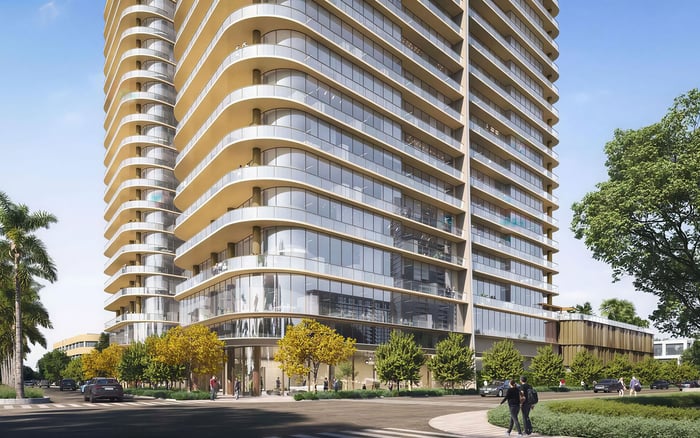
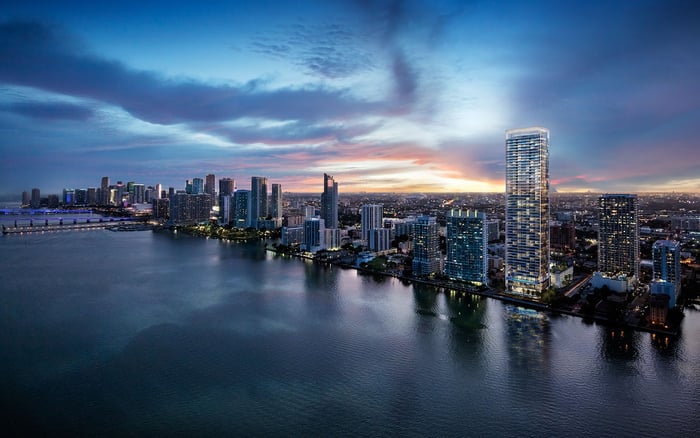
Midtown Miami offers a polished, flexible South Florida base for buyers who divide their time between New York and Florida and want urban convenience without a purely resort-driven lifestyle.
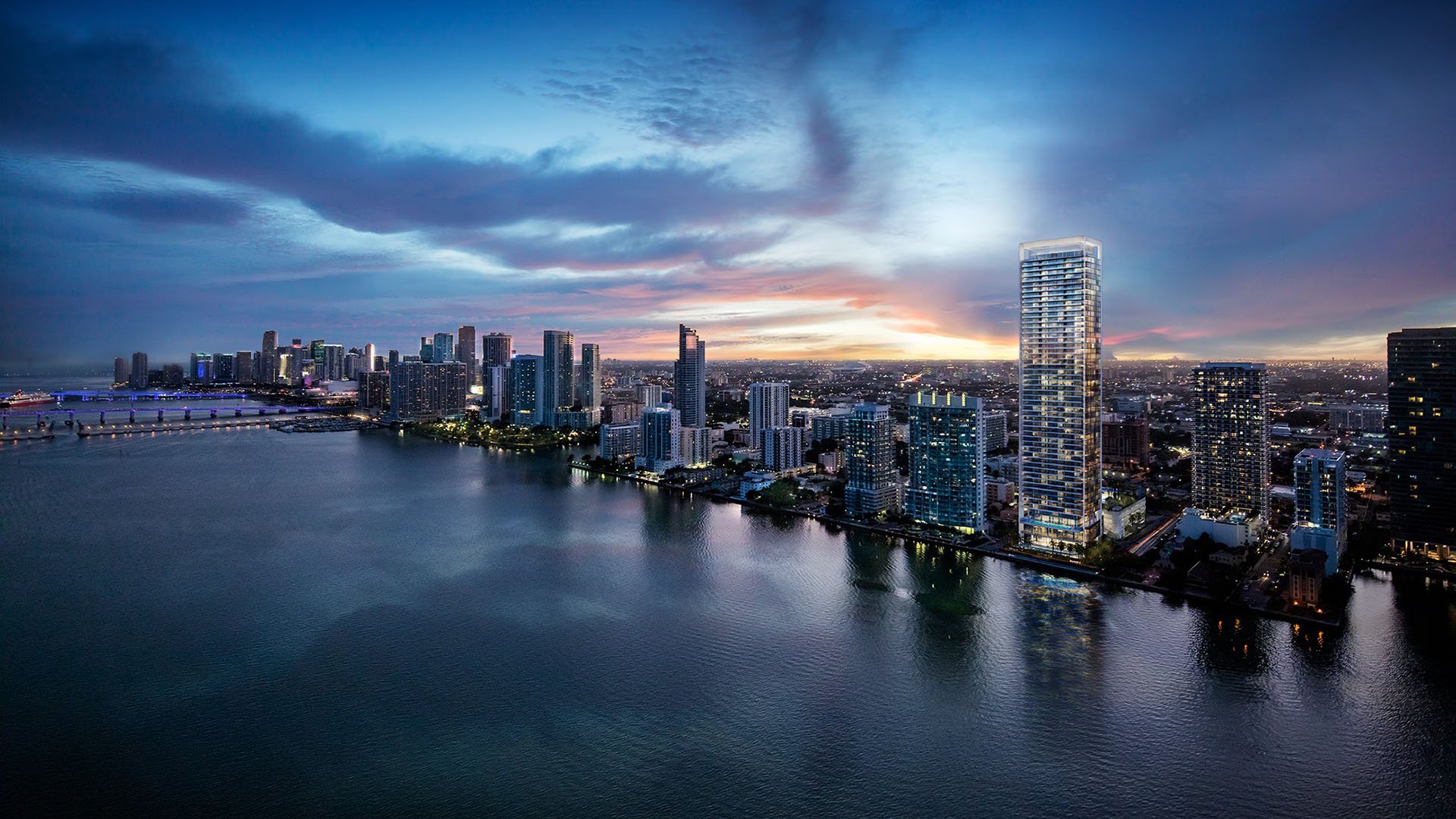
For buyers who divide their calendar between New York and Florida, the ideal South Florida residence is not always the largest home, the most visible address, or the most resort-like tower. More often, it is the home that makes the transition feel effortless. Midtown Miami can serve that role with unusual precision: urban enough to feel connected, polished enough to support a refined lifestyle, and flexible enough for owners arriving for a long weekend, a winter season, or a more permanent shift in rhythm.
The appeal is not about replacing New York. It is about creating a South Florida counterpart with a different tempo. A Midtown base can offer the ease of condominium living, proximity to Miami’s creative and commercial energy, and a more edited daily routine than some beachfront or estate-driven alternatives. For the buyer who wants Florida without surrendering an urban sensibility, that balance is the point.
A split-residence buyer typically needs three things: a home that is easy to secure when vacant, a location that feels useful immediately on arrival, and a building culture that supports discretion. Midtown’s strongest argument is practical. It can operate as a lock-and-leave residence without feeling transient, and it can offer a more residential cadence than a purely hospitality-led address.
That distinction matters. The New York buyer is often accustomed to doorman buildings, efficient layouts, walkable routines, and privacy by design. In Miami, the search can become distracted by spectacle. Midtown invites a more disciplined lens: How will the residence feel on a Tuesday morning? How easy is it to maintain? Does the building support quiet ownership as naturally as entertaining? Can the home absorb both short stays and extended seasons without friction?
A buyer considering Miami Design Residences Midtown Miami may be prioritizing a Midtown address because it places the home search inside that practical, design-aware frame. The name itself signals the kind of buyer Midtown often attracts: someone attentive to architecture, interiors, neighborhood texture, and operational ease.
Midtown is rarely evaluated in isolation. It belongs to a broader mental map that may include Brickell, Edgewater, Wynwood, and Downtown. Each offers a different expression of Miami living. Brickell can appeal to buyers who want a more corporate, financial-district posture. Edgewater can attract those who prefer a bay-adjacent mood. Wynwood may speak to collectors and creative operators who value a more expressive neighborhood identity. Downtown can suit buyers who want a central city orientation.
The Midtown advantage is that it can feel less binary. It is not simply a business address, not purely an arts district, and not exclusively a waterfront statement. It can work as a connective base for buyers who want access to multiple parts of Miami without anchoring their identity to one narrow lifestyle.
For buyers who want to test the Edgewater comparison, EDITION Edgewater and Aria Reserve Miami can help define whether a more Edgewater-oriented residence feels preferable to a Midtown one. For those leaning toward Brickell, 2200 Brickell and Baccarat Residences Brickell can frame the tradeoff between a Midtown base and a more formal Brickell address.
New York buyers tend to be exacting because they understand density. They are often less impressed by square footage alone and more focused on the intelligence of a plan, the quality of common spaces, the discretion of arrivals, and the predictability of service. Midtown can resonate when the residence feels composed rather than performative.
The most successful Midtown purchase is usually not driven by a single feature. It is driven by how the parts work together. A well-proportioned living room, a usable terrace, a calm primary suite, thoughtful storage, and a balcony that feels like an outdoor room can matter more than decorative extravagance. The residence should be able to host a dinner, support remote work, and remain simple to close when the owner returns north.
Second-home strategy also requires emotional clarity. The home should feel complete when occupied and secure when empty. Buyers should look beyond finishes and ask how the building behaves in practice. Are arrivals graceful? Is the lobby atmosphere appropriate? Does the amenity program fit the way the owner actually lives? Is the management culture aligned with privacy?
New construction can be attractive for the bi-state buyer because it may offer contemporary systems, fresh design language, and a simplified ownership experience. Yet the appeal should be measured carefully. The best fit depends on the buyer’s timeline, tolerance for delivery risk, desire for customization, and appetite for a building that is still forming its resident culture.
Resale can provide a more immediate read on daily life. A buyer can experience the lobby, understand the flow of arrivals, evaluate light at specific times, and sense whether the building’s tone is aligned with their own. In Midtown, both paths can be rational. The question is not whether new or resale is superior. The question is which path best supports the buyer’s pattern between New York and Florida.
Investment thinking should remain secondary to lifestyle fit, but not absent. A residence that is easy to use, easy to maintain, and positioned within a coherent neighborhood story may be more resilient than one selected only for drama. The refined buyer will weigh privacy, condition, service, layout, and exit optionality together.
The first priority is cadence. How often will the residence be used, and for what kind of stay? A buyer visiting for long weekends may value simplicity above all. A buyer spending full seasons may need a more complete home, including better storage, stronger workspace, and more generous entertaining areas.
The second priority is neighborhood identity. Midtown should feel like a deliberate choice, not a compromise between other addresses. If a buyer wants a quieter residential enclave, another part of Miami may be more appropriate. If the buyer wants a highly formal financial center, Brickell may have the stronger pull. If the buyer wants a creative, urban, design-forward base with access to adjacent districts, Midtown deserves serious consideration.
The third priority is building discipline. The right condominium should reduce friction. For the New York and Florida owner, friction is the enemy. Every arrival, package, guest, service appointment, car handoff, and departure should feel considered. Luxury, in this context, is not noise. It is the absence of unnecessary complication.
Is Midtown Miami a good choice for New York buyers? It can be, especially for buyers who want an urban South Florida base with a refined, practical rhythm rather than a purely resort-focused setting.
Why would a buyer choose Midtown instead of Brickell? Midtown may feel more flexible and less corporate, while Brickell can suit buyers who prefer a more formal business-district identity.
How does Midtown compare with Edgewater? Edgewater often appeals to buyers seeking a more bay-oriented mood, while Midtown can feel more connected to design, dining, and urban convenience.
Is Midtown suitable as a second-home location? Yes, if the building supports lock-and-leave ownership, privacy, and easy daily use during both short visits and longer seasonal stays.
Should buyers focus on new construction in Midtown? New construction may offer contemporary design and simplified ownership, but the best choice depends on timeline, building culture, and risk tolerance.
What matters most in a Midtown condominium? Layout, service, privacy, storage, arrival experience, and building management should be evaluated as carefully as views and finishes.
Is Midtown more discreet than Miami Beach? It can be for buyers who prefer an urban residential base over a beachfront or resort-driven lifestyle.
Can Midtown work for entertaining? Yes, if the residence has a comfortable plan, appropriate outdoor space, and a building atmosphere that supports guests without feeling exposed.
Is Midtown mainly an investment decision? It should not be only that. The strongest purchases align lifestyle utility, building quality, and long-term ownership flexibility.
Who is the ideal Midtown buyer? A buyer who values design, efficiency, privacy, and access to multiple Miami neighborhoods may find Midtown especially compelling.
For a confidential assessment and a building-by-building shortlist, connect with MILLION.
If branded residences are on your mind — as a home or as an allocation — we would be glad to share what we are seeing, privately.
Begin a quiet conversation